Your Wooden Gardenroom: Essential Fire Protection Measures
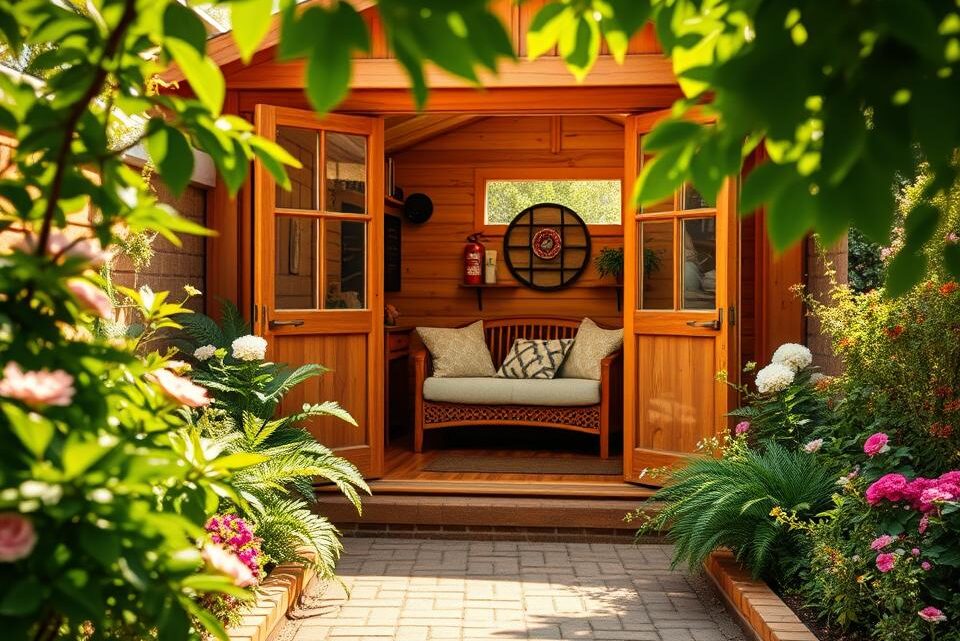
Imagine your dream garden room as a peaceful retreat. It blends beauty with complete peace of mind. Modern timber construction has transformed how we view these structures.
Gone are the days of seeing wood as vulnerable. Through smart engineering and advanced treatments, timber buildings now meet strict UK safety standards. They offer both stunning aesthetics and robust resilience.
At Timberlogbuild, we have crafted bespoke timber homes since 1998. Your safety and your property‘s security are our top priorities. With the right approach, your garden sanctuary can be as secure as any traditional building.
This guide explores the vital steps to protect your investment. You will learn how proper planning and quality materials create a space where you can truly relax. Embrace the journey toward a beautiful and secure outdoor room.
Inhaltsverzeichnis
Key Takeaways
- Modern timber engineering meets rigorous UK fire safety regulations
- Advanced treatment methods significantly enhance a structure’s resilience
- Professional design prioritises both aesthetic appeal and personal security
- Proper planning ensures your garden room complies with all necessary standards
- Investing in quality materials protects your property and provides peace of mind
- Expert craftsmanship has evolved timber from vulnerable to highly safe
- Creating a secure outdoor space allows for relaxation without worry
Understanding Fire Risks in Your Wooden Garden Room
While timber creates stunning garden spaces, its natural properties demand careful consideration. This beautiful material brings warmth and character to your outdoor sanctuary. Yet its organic nature requires thoughtful planning for complete peace of mind.
Why timber structures require special fire consideration
Timber’s combustible nature means it requires particular attention. Once flames take hold, they can spread rapidly through wooden structures. This doesn’t mean your garden room is inherently unsafe – far from it.
Modern construction techniques and treatments significantly enhance timber’s resilience. Understanding these characteristics helps you make informed decisions about your project. Knowledge transforms potential concerns into manageable factors.
https://www.youtube.com/watch?v=Pm5Qit6Wi-4
Your building’s location plays a crucial role in safety planning. Structures larger than 15 square metres need special attention if placed near boundaries. Those within one metre of property lines often require additional protective measures.
British standards provide clear guidance for timber construction. Following these regulations ensures your garden room meets all necessary safety requirements. Proper planning turns potential vulnerabilities into strengths.
Common fire hazards in garden rooms and workshops
Everyday activities in your garden space can create unexpected risks. Electrical faults represent one of the most common dangers in timber buildings. A single faulty cable or loose connection can spark trouble.
Heat-producing tools and equipment need careful management. Spark-generating activities require particular caution in wooden structures. Flammable materials stored incorrectly compound these risks.
Simple prevention steps make a significant difference in overall safety. Regular inspection of electrical systems helps identify potential issues early. Proper storage solutions keep hazardous materials organised and secure.
Recognising these risks empowers you to create effective safety systems. Your awareness becomes the first line of defence for your property. Through understanding comes the ability to build with confidence and security.
Navigating UK Building Regulations for Garden Rooms
Building regulations form the foundation of every safe and legal garden structure. These standards ensure your beautiful space meets all necessary safety requirements while protecting your investment.
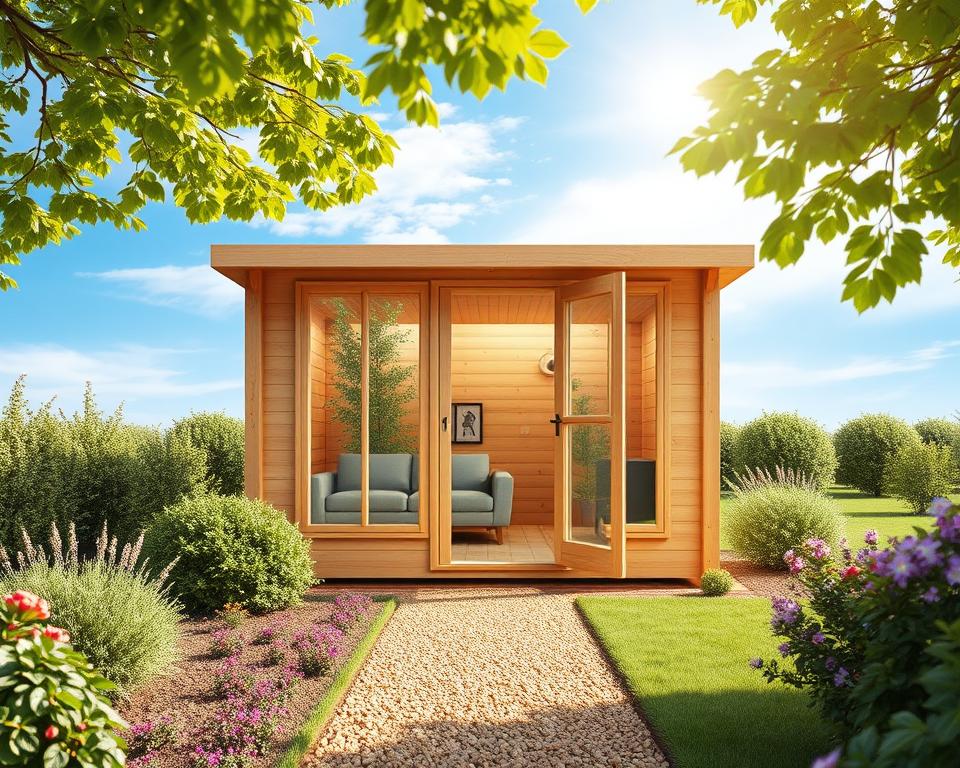
Understanding these rules empowers you to create with confidence. Your project benefits from professional guidance while maintaining its unique character.
When building regulations apply to your structure
Your garden room’s size and location determine regulatory requirements. Structures under 15 square metres typically enjoy exemption from full building regulations.
Larger spaces between 15-30 square metres may need compliance. This depends on their placement and construction materials used.
Approved Document B outlines specific fire safety requirements for these structures. Following these guidelines ensures your building meets national standards.
Size thresholds and boundary distance requirements
Distance from your property boundary significantly affects compliance needs. Structures within one metre of boundaries face stricter requirements.
These rules protect both your home and neighbouring properties. They ensure adequate separation between buildings should incidents occur.
The floor area calculation includes all internal measurements. This determines whether your project falls under permitted development rights.
Working with local building control authorities
Early consultation with your local council simplifies the entire process. Building control officers provide valuable guidance throughout your project.
They help interpret national standards for your specific situation. Their approval gives you peace of mind about your structure’s legality.
Professional architects and builders understand these requirements thoroughly. Their expertise ensures smooth navigation through the compliance process.
Proper planning and documentation make approvals straightforward. Your dream space becomes reality through careful attention to these important details.
Protective Treatments and Coatings for Enhanced Safety
Your garden sanctuary deserves the best defence against potential risks. Modern treatments transform ordinary timber into remarkably resilient structures. These advanced solutions work silently to protect your peaceful retreat.
Specialised coatings create an invisible shield around your beautiful space. They enhance both appearance and security simultaneously. This smart approach to building care brings lasting confidence.
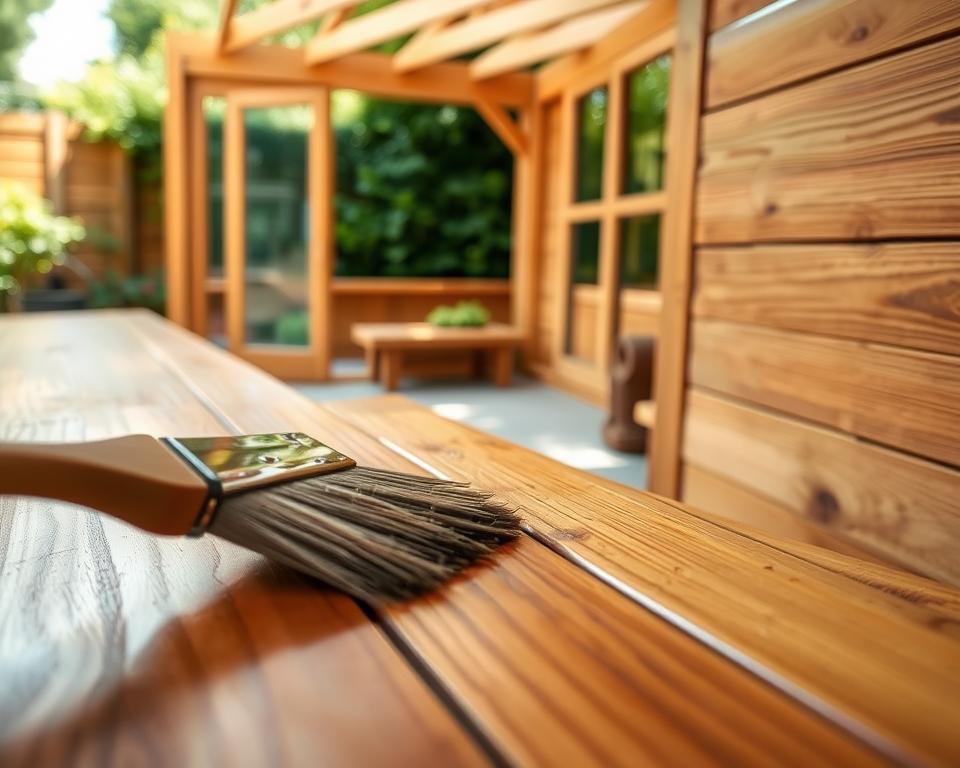
Choosing the right fire-retardant paints and treatments
Select products specifically designed for outdoor wood applications. Generic wall paints lack the specialised properties needed for proper safety. Look for coatings that meet British standards for exterior use.
Quality materials make all the difference in long-term performance. These specialised finishes react intelligently to heat exposure. They create protective barriers that prevent oxygen from feeding flames.
Proper application techniques for maximum protection
Cover all surfaces thoroughly for complete coverage. Treat both sides of walls, roof panels, and doors equally. This comprehensive approach ensures no vulnerable areas remain exposed.
For structures facing direct sunlight or heavy rain, consider clear topcoats. These protective layers extend treatment lifespan significantly. They shield your investment from weather damage while maintaining appearance.
Maintenance schedule for long-lasting fire resistance
Refresh coatings every few years to maintain optimal performance. Always reapply treatments after any sanding or repair work. This consistent care ensures continuous protection for your space.
Leave approximately two feet of clearance around the building exterior. This access space allows for proper maintenance and inspection. Regular care transforms your retreat into a lasting sanctuary of peace.
Fire-Resistant Construction Materials and Methods
Building your dream space requires smart choices from the ground up. The right materials create multiple layers of defence while maintaining beauty. Modern solutions blend seamlessly into your design while offering superior protection.
Your selection process becomes an exciting journey of discovery. Each component contributes to creating a sanctuary where peace of mind reigns. Embrace these innovative approaches to craft a space that stands the test of time.

Selecting fire-rated insulation and lining materials
Mineral wool insulation offers exceptional non-combustible properties. This remarkable material prevents heat transfer while providing excellent thermal performance. It creates a safety layer within your walls and roof spaces.
Fire-rated plasterboard transforms internal surfaces into protective barriers. These specialised boards significantly increase resistance when used on ceilings and walls. They meet rigorous British standards for peace of mind.
Cement boards provide outstanding alternatives to traditional wood panels. Their composition resists intense heat while maintaining structural integrity. These boards work beautifully as backing for various finishes.
Incorporating non-combustible elements in your design
Strategic use of metal cladding introduces stunning visual contrast. This approach creates striking architectural features while enhancing safety. Your design gains contemporary flair through intelligent material combinations.
Stone or tile finishes around entranceways add sophistication and security. These materials naturally resist heat and prevent flame spread. They create beautiful transitions between different areas of your property.
Engineered woods like LVL and CLT offer predictable performance under extreme conditions. These advanced materials char slowly while maintaining strength. Their behaviour during incidents allows precious time for response.
“The beauty of modern construction lies in how materials work together. Each layer contributes to overall safety while creating spaces that inspire.”
Creating effective fire compartments and barriers
Intumescent coatings provide intelligent protection for structural elements. These specialised finishes expand dramatically when heat is detected. They form insulating barriers that prevent oxygen from feeding flames.
Proper compartmentalisation contains potential spread between different rooms. Fire-resistant doors and walls create essential barriers within your layout. This approach limits damage and provides safe escape routes.
Sealing gaps around services prevents smoke and heat movement. Specialist materials maintain integrity while allowing for necessary penetrations. Your systems work harmoniously to protect the entire structure.
| Material Type | Key Benefits | Ideal Applications |
|---|---|---|
| Mineral Wool Insulation | Non-combustible, prevents heat transfer | Wall cavities, roof spaces |
| Fire-Rated Plasterboard | 30-120 minute resistance, easy installation | Internal walls and ceilings |
| Intumescent Coatings | Expands when heated, forms protective char | Structural timber, steel elements |
| Cement Boards | Moisture resistant, high heat tolerance | Wet areas, external cladding backing |
Your choices today create lasting security for tomorrow. Each element works together like pieces of a protective puzzle. The result is a beautiful space where you can truly relax and enjoy life’s moments.
Essential Fire Safety Equipment for Your Garden Room
Your peaceful retreat deserves a complete safety system that works seamlessly. The right equipment transforms your space into a protected sanctuary. Modern solutions offer smart protection without compromising your room’s aesthetic appeal.
Thoughtful planning creates layers of defence that operate automatically. These systems provide early warnings and immediate response capabilities. Your investment remains secure through intelligent equipment choices.
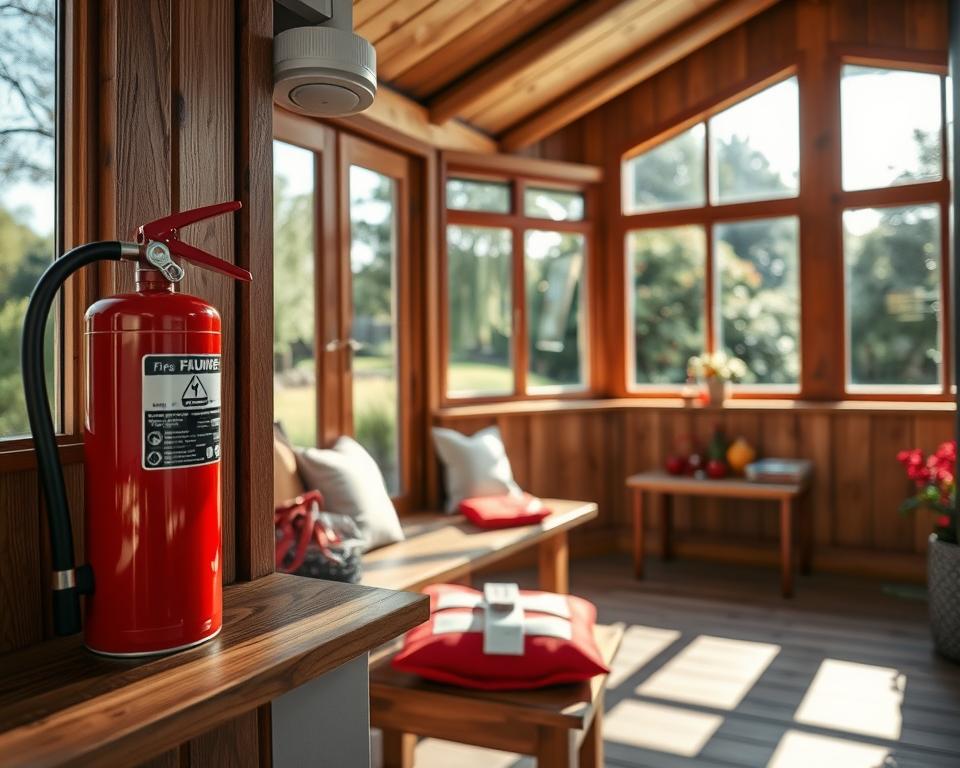
Installing reliable smoke and heat detection systems
Early detection gives you precious time to respond effectively. Modern alarms connect to smart home systems for instant alerts. They provide peace of mind whether you’re inside or away from your property.
Position detectors away from dusty corners and ventilation sources. Clean air sampling ensures accurate smoke detection performance. Regular testing maintains system reliability throughout the year.
Heat sensors complement smoke alarms in workshop environments. They detect temperature rises before smoke becomes visible. This dual approach creates comprehensive monitoring for different scenarios.
Choosing and positioning fire extinguishers correctly
Dry powder units handle most risks found in garden spaces. They effectively tackle electrical, liquid, and solid material fires. Their versatility makes them ideal for multi-purpose rooms.
Keep extinguishers mounted near exit doors for easy access. Avoid placing them behind workbenches or under clutter. Visible positioning ensures quick deployment during emergencies.
Regular maintenance checks guarantee operational readiness when needed. Professional servicing maintains pressure levels and nozzle functionality. Your equipment stays prepared for any situation.
Additional safety equipment for comprehensive protection
Fire blankets provide excellent protection for small contained fires. They work particularly well for kitchen areas or workshop benches. Their simple operation makes them accessible to all users.
Domestic sprinkler systems offer automated response capabilities. They activate when heat reaches predetermined levels. These systems can significantly limit damage before emergency services arrive.
Emergency lighting illuminates escape routes during power failures. It guides you safely to exits when visibility becomes limited. This equipment proves invaluable during stressful situations.
| Equipment Type | Primary Function | Recommended Location |
|---|---|---|
| Smoke Detectors | Early warning system | Ceiling centre points |
| Heat Sensors | Temperature rise detection | Workshop areas |
| Dry Powder Extinguishers | Multi-risk fire fighting | By exit doors |
| Fire Blankets | Small fire containment | Kitchen/workshop walls |
| Emergency Lighting | Escape route illumination | Along exit paths |
Regular testing ensures all components function correctly. Monthly checks maintain system integrity and reliability. Your safety network remains active and ready to protect.
Professional installation guarantees optimal performance from all equipment. Certified technicians ensure proper placement and integration. Your complete system works harmoniously to safeguard your space.
Electrical Safety Measures to Prevent Fire Hazards
Your garden room’s electrical system forms the silent guardian of your peaceful retreat. It works constantly to power your dreams while protecting your investment. Proper planning creates layers of security that operate seamlessly behind beautiful walls.
Modern electrical solutions blend safety with sophistication throughout your space. They ensure your sanctuary remains both functional and thoroughly protected. This intelligent approach to power management brings lasting confidence.
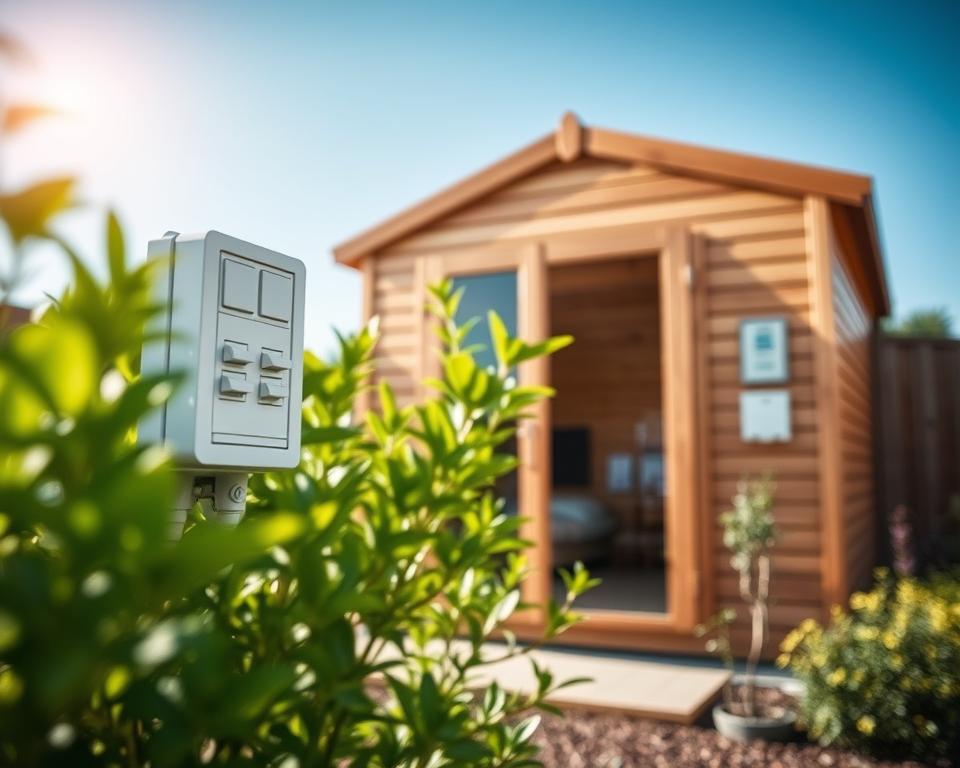
Proper electrical installation and regular inspection
Qualified professionals bring essential expertise to your electrical project. Their training ensures every connection meets current safety standards. This professional approach prevents common issues before they develop.
Regular inspections identify potential risks during routine checks. Look for warning signs like scorch marks or warm outlets. Loose fittings often indicate underlying problems needing attention.
Schedule professional assessments annually for complete peace of mind. These checks verify your system’s integrity over time. Your vigilance becomes the foundation of lasting security.
Using RCD breakers and surge-protected sockets
RCD breakers provide crucial protection against electrical faults. They detect current imbalances and cut power instantly. This rapid response prevents dangerous situations from developing.
Surge-protected sockets shield sensitive equipment from voltage spikes. They absorb excess energy before it can cause damage. These devices prove particularly valuable during stormy weather.
“Quality electrical components work like silent sentinels. They stand guard against dangers you may never see coming.”
Combine these technologies for comprehensive circuit protection. Their layered defence approach covers various potential scenarios. Your system gains intelligent response capabilities.
Identifying and addressing potential electrical risks
Circuit overloads represent a common risk in workshop areas. They occur when too many devices draw power simultaneously. This strain generates heat that can lead to dangerous situations.
Proper wire insulation maintains safety throughout your electrical systems. It prevents accidental contact and contains electrical flow. Quality materials ensure long-term performance and reliability.
Develop inspection routines that become second nature over time. Check cords regularly for damage or wear patterns. Your consistent attention prevents small issues becoming major concerns.
Professional installation ensures compliance with all relevant regulations. It combines with your vigilance to create complete protection. Your beautiful space remains secure through this partnership.
Maintaining a Fire-Safe Environment Through Organisation
Organisation transforms your space from merely beautiful to genuinely protected against potential risks. Your daily habits create invisible layers of safety that work alongside physical measures. This harmonious approach turns concern into confidence throughout your garden sanctuary.
Simple routines become your most reliable defence system over time. They prevent hazard accumulation before issues can develop. Your consistent attention ensures every corner remains prepared for peace of mind.
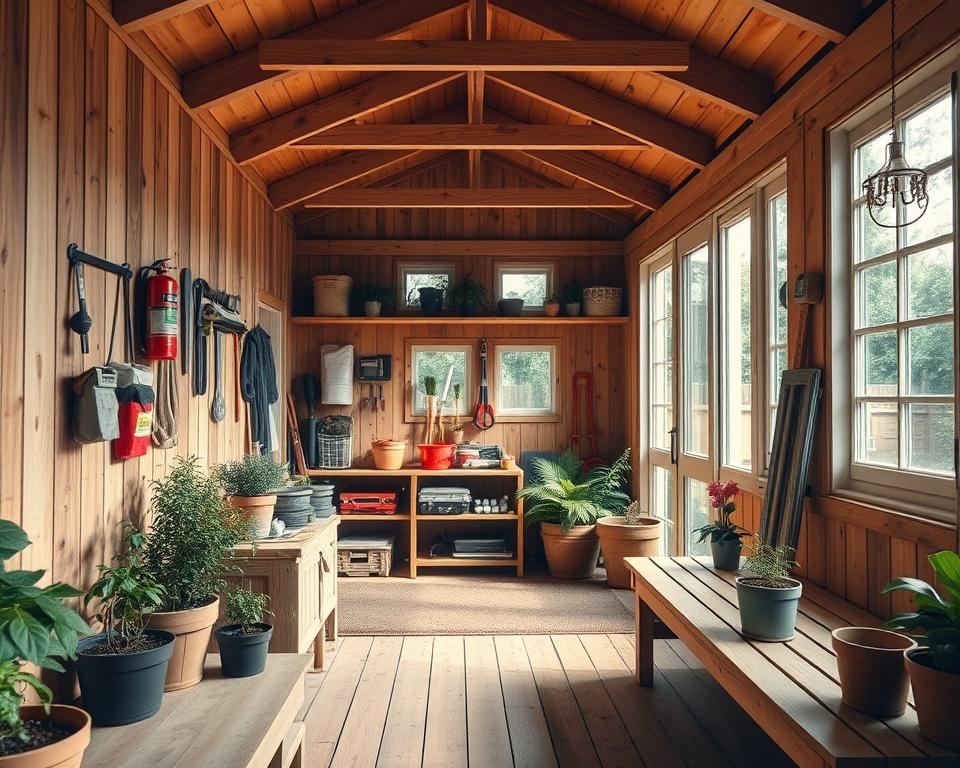
Creating and maintaining clear escape routes
Clear escape routes provide vital pathways during emergencies. Keep these areas completely free from obstructions at all times. This planning ensures quick exit regardless of circumstances.
Test doors regularly to guarantee smooth operation. Ensure they open fully without catching on floor surfaces. Your vigilance maintains crucial access points.
Mark secondary routes clearly for alternative exits. Use photoluminescent strips that glow during power failures. These guides become visible through smoke or darkness.
Implementing daily tidying and safety routines
End-of-day cleaning prevents hazard accumulation beautifully. Sweep surfaces and clear workbenches completely. Empty bins and wipe spills immediately after use.
Proper cable management reduces electrical risks significantly. Coil cords neatly and secure them away from walkways. Tight container lids prevent vapour escape effectively.
These routines become automatic through consistent practice. They integrate seamlessly into your closing-down ritual. Your space remains prepared for tomorrow’s adventures.
Safe storage practices for flammable materials
Flammable materials require thoughtful storage solutions. Keep them in sealed containers away from heat sources. This practice limits potential fire spread dramatically.
Maintain clearance between your room and surrounding vegetation. Trim plants regularly to create natural barriers. This distance prevents external fire from reaching your structure.
Designate specific areas for different material types. Separate combustibles from ignition sources systematically. Your organisational system reduces risks intelligently.
“Small habits create significant protection. Your daily attention builds a sanctuary where safety feels completely natural.”
These practices work alongside your physical safety measures perfectly. They complement construction features and equipment systems. Together they create comprehensive protection for your precious space.
Your organisational habits become the heartbeat of security. They maintain standards effortlessly through consistent application. Your garden retreat remains both beautiful and genuinely safe.
Conclusion: Creating Your Fire-Safe Sanctuary
Your journey towards a secure outdoor space reaches its beautiful conclusion here. Every careful choice you’ve made transforms your timber structure into a true sanctuary. Professional expertise blends seamlessly with your personal vision throughout this process.
Consistent safety habits become your most reliable guardians over time. They work alongside quality materials and smart systems effortlessly. Your garden room achieves perfect harmony between function and complete security.
Embrace the ongoing satisfaction of maintaining these standards. Your commitment ensures lasting protection for all your creative projects. This peaceful retreat stands ready to serve your needs safely for years to come.
Discover true peace of mind knowing every detail receives proper attention. Your beautiful space reflects both your dreams and responsible planning. This balanced approach creates an environment where inspiration flourishes without compromise.
FAQ
Why does timber need special fire consideration?
Timber is a combustible material, meaning it can fuel a blaze if ignited. That’s why your garden room requires thoughtful design and protective treatments to enhance its resistance and give you peace of mind.
When do building regulations apply to my garden room?
Regulations typically apply if your structure exceeds 15 square metres and is within one metre of a boundary, or if it’s over 30 square metres anywhere on your property. Always check with your local authority to ensure you’re compliant and safe.
How do I choose the right fire-retardant treatment?
Look for products certified to British Standards, such as those meeting Class 0 or Class 1 spread of flame ratings. These coatings can significantly slow down fire development, helping to protect your investment and your safety.
What type of fire detection system should I install?
Opt for interlinked smoke and heat alarms that meet British Standards. Positioning them correctly ensures early warning, giving you and your family precious time to react in an emergency.
How can I maintain clear escape routes?
Keep all exits unobstructed and well-marked. Regularly review the layout of your garden room to ensure nothing blocks your way out, making safety a natural part of your routine.
Are there specific electrical safety measures I should take?
A> Absolutely. Use RCD-protected sockets, have all electrical work carried out by a qualified professional, and schedule regular inspections to prevent faults that could lead to hazards.
What’s the best way to store flammable materials safely?
Store paints, solvents, and other flammables in sealed, labelled containers away from heat sources. Dedicate a well-ventilated storage area to minimise risks and keep your space organised and secure.