Comparing Garden Room Flooring Options
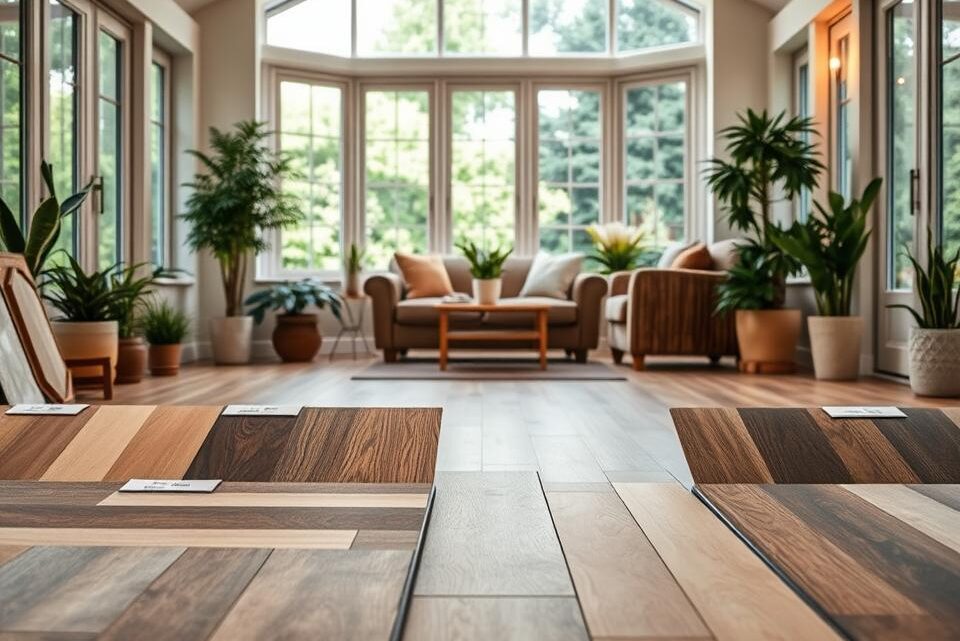
Selecting the right garden room flooring represents a critical decision for UK homeowners seeking to transform their outdoor spaces into functional living areas. Your garden room requires specialised flooring that can withstand unique environmental challenges while delivering aesthetic appeal and durability.
Garden room flooring must bridge the gap between indoor comfort and outdoor resilience. The best flooring for garden rooms considers multiple factors, including moisture management, temperature variations, and the specific purpose of your space. Whether you’re creating a home office, gym, or entertainment area, your flooring choice will significantly impact the room’s performance and longevity.
UK climate presents distinctive challenges for garden room flooring. You’ll need materials that can resist humidity, temperature fluctuations, and potential moisture ingress while maintaining structural integrity and visual appeal. Understanding these requirements will help you make an informed decision about your garden room flooring investment.
Inhaltsverzeichnis
Key Takeaways
- Garden room flooring must balance functionality and aesthetics
- Climate resilience is crucial for long-term performance
- Different room purposes require specific flooring characteristics
- Moisture management is essential in garden room environments
- Professional selection ensures optimal flooring durability
Understanding Your Garden Room Flooring Requirements
Selecting the right garden room floor types requires careful consideration of your specific needs and environment. Your flooring choice will directly impact the functionality, durability, and longevity of your garden room space.
Before diving into specific materials, you’ll need to evaluate two critical aspects: usage patterns and climate considerations. These factors will guide you towards durable garden room flooring that meets your unique requirements.
Assessing Foot Traffic and Usage Patterns
Understanding your garden room’s intended use is crucial for choosing appropriate flooring. Different activities demand varying levels of durability:
- Light use (reading nook or relaxation space): Less robust flooring options acceptable
- Medium use (home office or craft area): Moderate wear resistance required
- High use (exercise room or workshop): Extremely durable flooring essential
Carefully analyse your expected foot traffic to prevent premature wear and maintain your floor’s aesthetic appeal.
Climate Considerations for Garden Room Floors
The UK’s variable climate presents unique challenges for moisture resistant flooring. Your garden room’s exposure to humidity, temperature fluctuations, and potential ground moisture demands strategic flooring selection.
- Evaluate your garden room’s foundation type
- Check potential moisture exposure points
- Consider thermal insulation properties
Proper preparation and material selection will protect your investment against potential environmental challenges.
Laminate Flooring for Garden Rooms
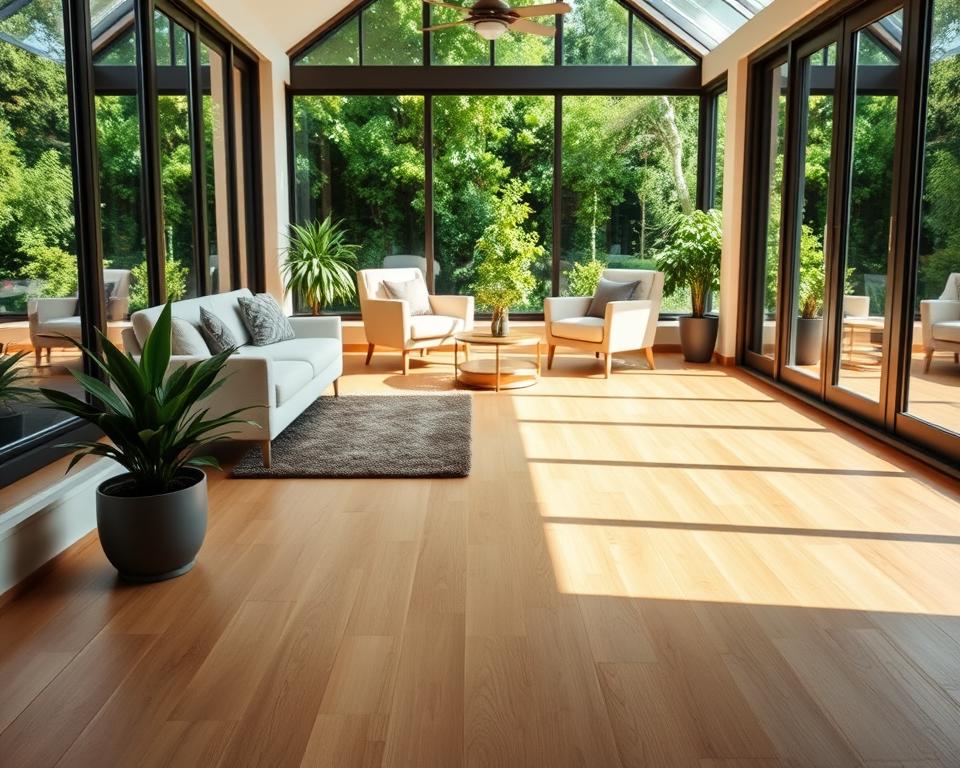
When considering waterproof flooring for your garden room, laminate offers an attractive and budget-friendly solution. Modern laminate technologies have transformed this flooring option, making it increasingly suitable for challenging environments like garden rooms.
Laminate flooring comprises multiple layers that create a durable and visually appealing surface. The construction typically includes:
- A protective wear layer
- Photographic layer mimicking wood textures
- High-density core board
- Stabilising backing layer
For garden rooms, selecting the right laminate is crucial. Look for options with high AC (Abrasion Class) ratings, particularly those designed for easy maintenance flooring. Water-resistant variants provide additional protection against moisture, addressing potential challenges in garden room settings.
When comparing laminate vs vinyl flooring, laminate often stands out for its:
- Cost-effectiveness
- Realistic wood-effect designs
- Simple click-lock installation
- Wide range of aesthetic options
Pro tip: Consider underlayment to address potential cold underfoot sensations and improve overall comfort in your garden room.
Choosing the right laminate can transform your garden room into a versatile, stylish space that withstands varying environmental conditions.
While laminate provides excellent value, be mindful of its limitations. Moisture can cause edge swelling, and extreme humidity might impact its performance. Regular maintenance and careful selection are key to ensuring long-lasting, attractive flooring.
Engineered Wood Flooring: Balancing Aesthetics and Durability
Engineered wood flooring offers an exceptional solution for garden office flooring, combining natural beauty with enhanced performance. This innovative flooring option provides homeowners with a sophisticated alternative to traditional solid wood, specifically designed to withstand challenging environmental conditions.
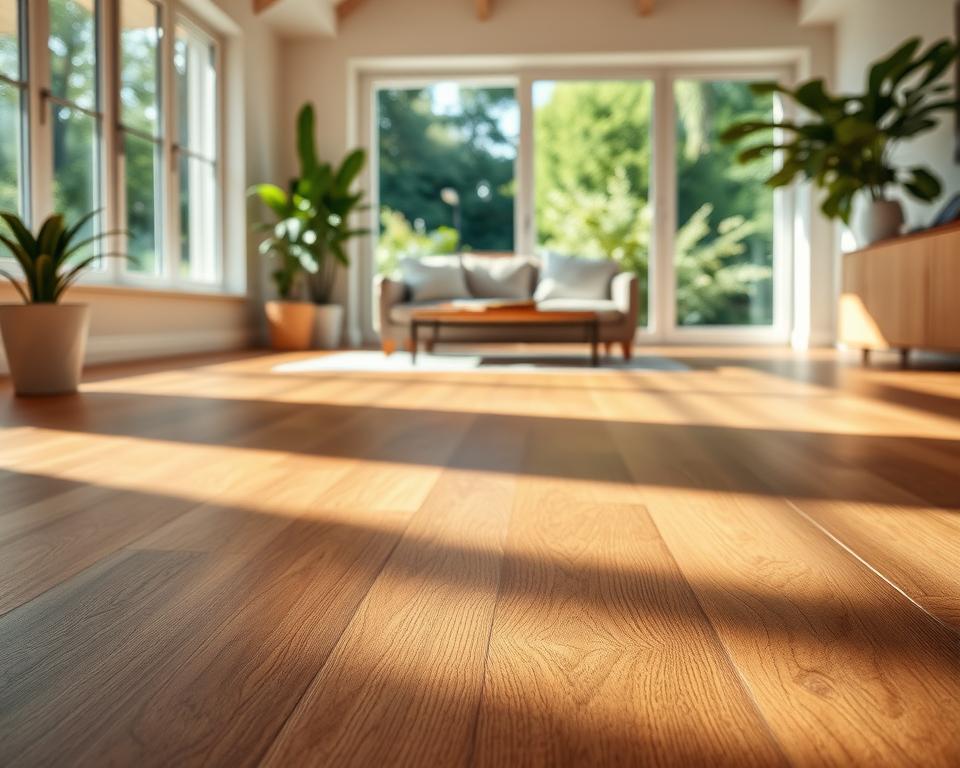
When considering insulated flooring garden room options, engineered wood stands out for its remarkable versatility. The unique construction delivers multiple engineered wood benefits that make it ideal for spaces with variable temperature and humidity levels.
Construction and Core Composition
The sophisticated design of engineered wood typically includes:
- Top layer of genuine hardwood veneer
- Multiple stabilising plywood or high-density fibreboard layers
- Cross-grain layering for superior dimensional stability
This multi-layered approach ensures your garden office flooring remains resistant to warping and movement, unlike traditional solid wood planks.
Moisture Resistance and Performance
Engineered wood provides enhanced moisture resistance through:
- Specialised core materials
- Protective surface treatments
- Advanced manufacturing techniques
While not completely waterproof, these floors offer significantly improved performance in fluctuating environments, making them an excellent choice for garden rooms and outdoor workspaces.
Your investment in engineered wood flooring delivers a perfect balance between aesthetic appeal and practical durability, transforming your garden office into a professional, stylish workspace.
Vinyl and LVT Flooring Solutions
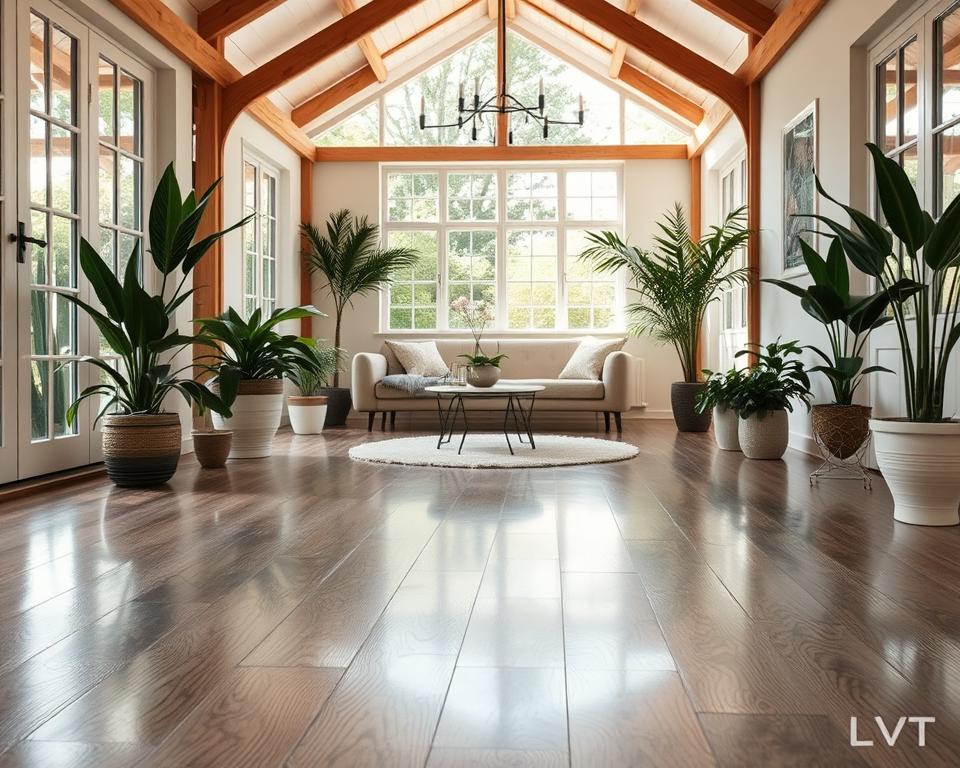
Vinyl flooring has transformed dramatically in recent years, emerging as a top choice for garden studio flooring. Luxury vinyl tile (LVT) offers homeowners an exceptional blend of style, durability, and practicality for garden room environments.
LVT flooring advantages extend well beyond traditional flooring options. These innovative solutions provide remarkable waterproof flooring for garden rooms, ensuring your space remains protected against moisture and temperature fluctuations.
- Completely waterproof when correctly installed
- Mimics natural wood and stone appearances
- Highly resistant to wear and tear
- Simple maintenance requirements
Modern LVT products incorporate advanced technologies like stone polymer composite (SPC) and wood polymer composite (WPC) cores. These innovations deliver enhanced stability and resilience, making them ideal for garden studio flooring that must withstand challenging environmental conditions.
“Vinyl flooring has revolutionised garden room design, offering unparalleled versatility and performance.” – Interior Design Expert
When selecting your garden room flooring, consider the wear layer thickness. Thicker layers (measured in mils) directly correlate with longevity and performance. Professional-grade LVT typically ranges between 6-20 mils, providing different levels of durability for various usage patterns.
Installation methods vary, including loose-lay, click-lock, and adhesive options. Each technique offers unique benefits depending on your specific garden room subfloor and requirements.
Comparing Garden Room Flooring Options: Cost Analysis
Selecting the right flooring for your garden room involves carefully balancing initial investment with long-term value. The cost of garden room flooring can vary significantly, making it crucial to understand the financial implications of your choice.

When exploring outdoor room flooring UK options, you’ll encounter a range of pricing strategies that go beyond simple material costs. Your decision should consider both upfront expenses and ongoing maintenance requirements.
Initial Installation Expenses
Garden building flooring costs typically break down into several key components:
- Material costs per square metre
- Underlayment and preparation expenses
- Professional installation fees
- Additional accessories and fixing systems
Different flooring types present unique financial considerations. Some options allow for DIY installation, potentially reducing overall expenses, while others require professional fitting to maintain warranty protection.
Long-Term Maintenance Costs
Beyond initial installation, consider the lifetime expenses of your chosen flooring. Factors that impact long-term costs include:
- Cleaning and maintenance requirements
- Expected lifespan before replacement
- Repair and refinishing possibilities
- Durability against wear and moisture
A slightly higher initial investment can often translate to significant savings over time, particularly with high-quality garden room flooring that resists damage and requires minimal maintenance.
Investing wisely in your garden room flooring means looking beyond the price tag and considering total lifetime value.
Carpet and Carpet Tiles for Comfort and Warmth
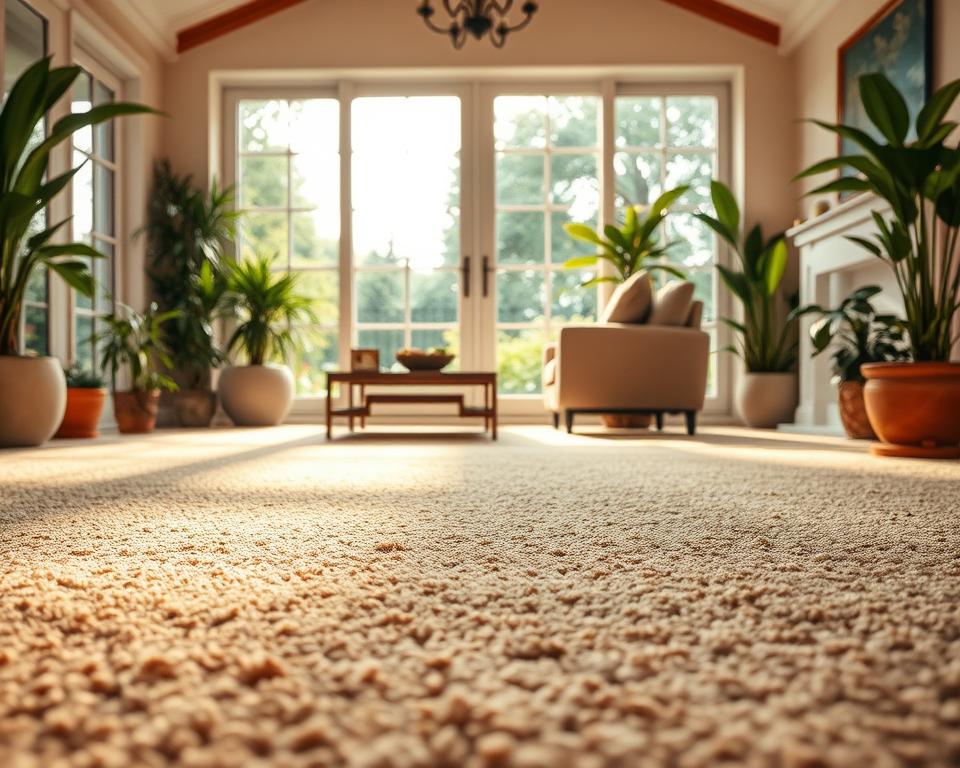
When considering carpet for garden rooms, you’ll discover a flooring option that brings unparalleled comfort and warmth to your space. An insulated flooring garden room requires careful selection of materials that provide thermal efficiency and cosiness.
Carpet offers several unique advantages for garden room environments:
- Exceptional thermal insulation properties
- Sound absorption capabilities
- Soft, welcoming texture
- Versatile design options
Carpet tiles present an innovative solution for garden rooms, addressing traditional carpet challenges. They provide easier maintenance and superior moisture management compared to traditional broadloom carpets.
| Carpet Type | Moisture Resistance | Replacement Ease |
|---|---|---|
| Synthetic Carpet Tiles | High | Individual tile replacement |
| Natural Fibre Carpet | Low | Full carpet replacement |
When selecting thermal efficiency flooring for your garden room, prioritise synthetic fibres with moisture-resistant treatments. These materials offer better performance in potentially damp environments while maintaining the cosy aesthetic you desire.
Consider key factors such as pile density, backing materials, and stain-resistant technologies to ensure your carpet remains functional and attractive in your garden room setting.
Porcelain and Ceramic Tiles for Garden Spaces
Selecting the right flooring for your garden room requires careful consideration of material properties and performance. Porcelain tiles offer an exceptional solution for creating a durable garden room flooring that combines aesthetic appeal with remarkable functionality.
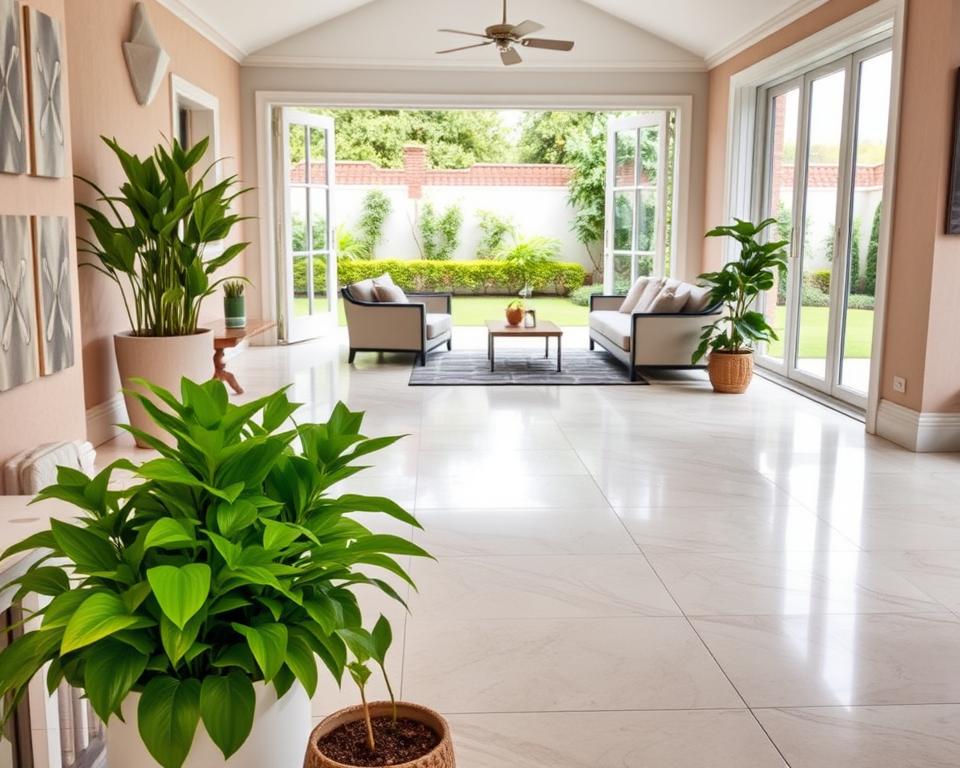
Porcelain tiles stand out as a premium choice for garden spaces, delivering unparalleled durability and design versatility. These tiles represent a sophisticated flooring option that can transform your garden room into a stunning, practical environment.
Thermal Properties and Underfloor Heating Compatibility
Underfloor heating flooring becomes exceptionally efficient when paired with porcelain tiles. Their high thermal conductivity ensures rapid and even heat distribution, creating a comfortable environment throughout your garden room.
- Excellent heat transfer characteristics
- Rapid warming capabilities
- Consistent temperature maintenance
Slip Resistance and Safety Considerations
Safety remains paramount when selecting garden room flooring. Porcelain tiles can be specifically designed with slip-resistant surfaces, addressing potential moisture challenges in garden environments.
| Tile Finish | Slip Resistance Rating | Recommended Usage |
|---|---|---|
| Matt Finish | R10 | High moisture areas |
| Textured Finish | R11 | External garden spaces |
When selecting porcelain tiles for your garden room, prioritise materials that offer both aesthetic elegance and practical performance. The right tiles will provide a durable garden room flooring solution that enhances your space for years to come.
Natural Stone and Alternative Hard Flooring Materials
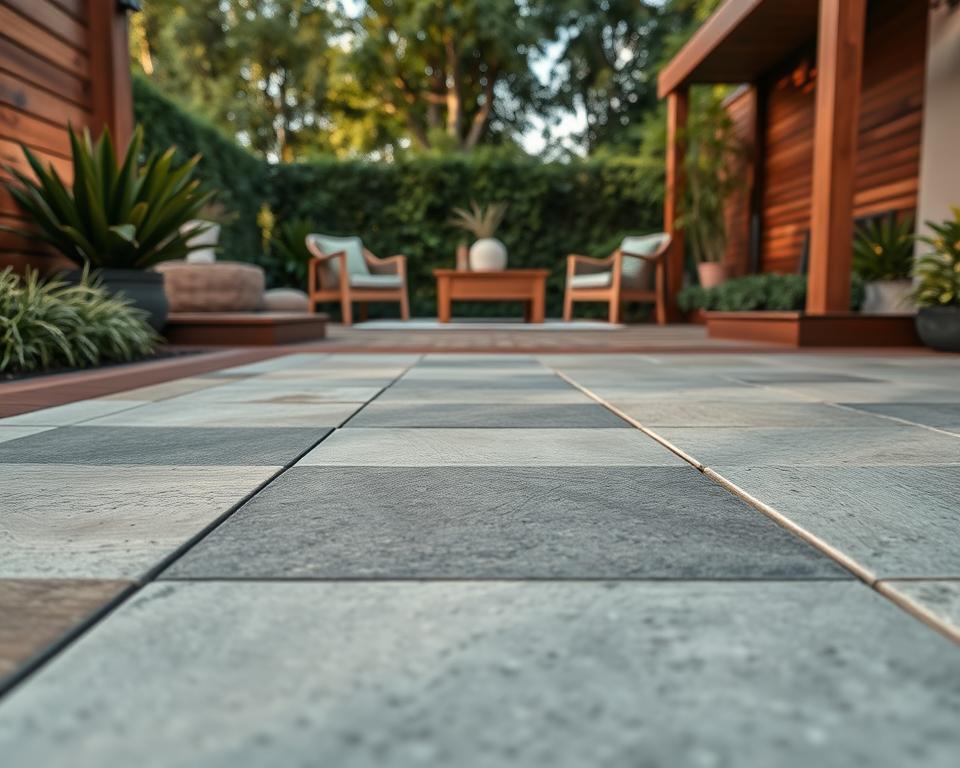
When selecting outdoor room flooring in the UK, natural stone and alternative hard flooring materials offer unique solutions for garden building flooring. These options provide distinctive aesthetics and practical benefits for discerning homeowners seeking moisture resistant flooring.
Natural stone flooring presents an exceptional choice for garden rooms. Each stone type brings its own character and charm:
- Slate: Offers rich, deep colours with excellent durability
- Limestone: Provides a soft, elegant appearance
- Travertine: Creates a luxurious, textured surface
- Sandstone: Delivers warm, natural tones
Stone floors excel in several key areas for garden building flooring. Their thermal mass helps regulate temperature, making them compatible with underfloor heating systems. When properly sealed, these materials demonstrate remarkable moisture resistance, crucial for outdoor room environments.
| Stone Type | Durability | Maintenance Level | Aesthetic Appeal |
|---|---|---|---|
| Slate | High | Medium | Rustic |
| Limestone | Medium | High | Elegant |
| Travertine | Medium | High | Luxurious |
Alternative hard flooring materials offer additional innovative solutions:
- Polished concrete: Creates industrial-chic aesthetics
- Resin floors: Provide seamless, customisable surfaces
- Rubber flooring: Delivers comfort and safety
Your choice of outdoor room flooring in the UK depends on balancing aesthetic preferences, practical requirements, and budget considerations. Consider installation complexity, long-term maintenance, and how the material complements your garden room’s design.
Conclusion
Comparing garden room flooring options requires careful consideration of your unique space and requirements. Your perfect flooring solution depends on balancing practical needs with aesthetic preferences, ensuring a long-lasting and beautiful garden room environment.
Each flooring type presents distinct advantages for garden rooms. Vinyl offers exceptional water resistance, engineered wood delivers natural elegance, porcelain tiles provide unmatched durability, and carpet creates warmth and comfort. The best flooring for garden rooms ultimately aligns with your specific usage patterns, budget, and design vision.
When making your final selection, prioritise factors such as moisture exposure, foot traffic, maintenance requirements, and installation complexity. Professional consultation can help you navigate these considerations, ensuring you choose a flooring solution that enhances both the functionality and visual appeal of your garden room.
Remember that proper subfloor preparation and professional installation are crucial, regardless of your chosen material. Investing time in thoughtful selection and quality implementation will reward you with a stunning garden room floor that serves you beautifully for years to come.
FAQ
What is the most water-resistant flooring option for a garden room?
Vinyl and luxury vinyl tiles (LVT) are typically the most water-resistant flooring options for garden rooms. These materials offer exceptional moisture protection and can often withstand complete water exposure when properly installed, making them ideal for environments with high humidity or potential moisture challenges.
How do I choose the right flooring for my garden room’s specific use?
Consider your garden room’s primary function. For a home office, engineered wood or laminate might provide a professional look. For a gym, rubber flooring or vinyl offer durability and shock absorption. Home studios might benefit from carpet tiles for acoustic properties, while entertainment spaces could use porcelain tiles for a sleek, low-maintenance surface.
Are there budget-friendly flooring options for garden rooms?
Laminate and basic vinyl are typically the most cost-effective flooring solutions. These options provide good performance at a lower price point, with modern variations offering improved water resistance and durability. However, remember that the cheapest option isn’t always the most economical in the long term.
How important is underfloor heating compatibility?
Underfloor heating compatibility is crucial for maintaining comfort in garden rooms throughout the year. Porcelain tiles, engineered wood, and vinyl are excellent choices that work well with underfloor heating systems, providing efficient and even heat distribution.
What flooring is best for garden rooms with high moisture exposure?
For high-moisture environments, porcelain tiles or luxury vinyl tiles (LVT) are the best options. These materials offer superior water resistance, minimal absorption, and can withstand humidity fluctuations without warping or degrading, making them ideal for garden rooms with potential moisture challenges.
Can I install the flooring myself, or do I need professional help?
Installation complexity varies by material. Laminate and click-lock vinyl are typically DIY-friendly. Porcelain tiles and natural stone usually require professional installation due to their complexity. Engineered wood can be challenging for inexperienced DIY enthusiasts and might benefit from professional fitting to ensure proper installation and warranty protection.
How do I maintain garden room flooring?
Maintenance depends on the material. Vinyl and porcelain tiles require minimal upkeep with simple cleaning. Engineered wood needs regular sweeping and occasional specialised cleaning. Carpet tiles might need more frequent vacuuming and occasional professional cleaning. Always follow manufacturer-specific maintenance guidelines to preserve your flooring’s appearance and longevity.
What flooring options work best for thermal insulation?
Carpet and carpet tiles provide the best thermal insulation, creating a warm and cosy environment. Engineered wood with appropriate underlay also offers good insulation. Vinyl with an insulating backing and porcelain tiles with underfloor heating can provide excellent warmth and comfort in your garden room.