Types of foundations for gardenrooms
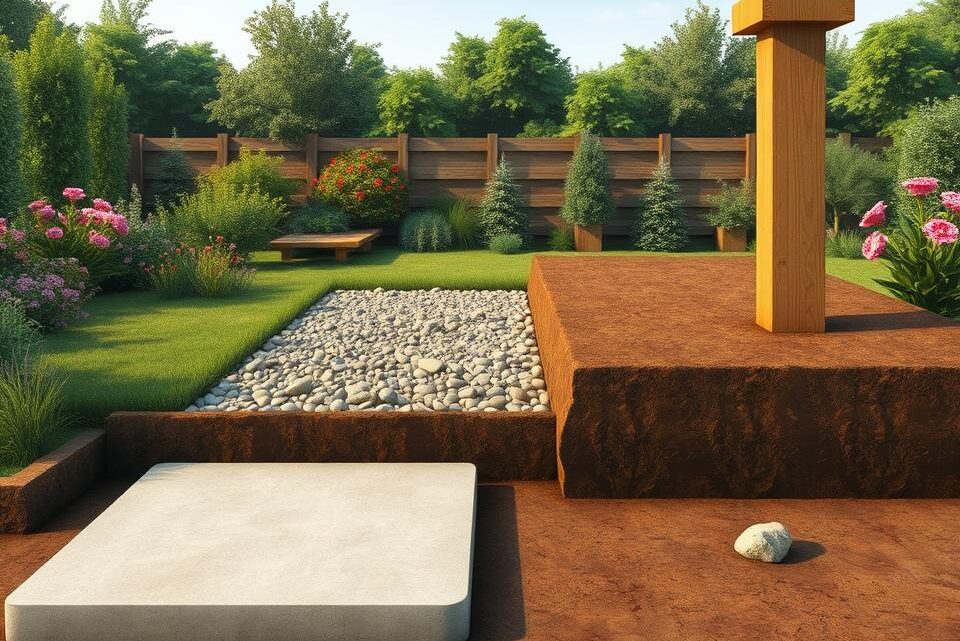
Imagine stepping into your perfect garden sanctuary. It’s a peaceful retreat, a creative space, or a functional garden office. Every great garden building starts with one crucial element: its foundation. Choosing the proper base ensures your structure stands strong for years.
A well-chosen foundation supports your building’s weight. It keeps doors and windows working smoothly. It also prevents water damage by matching your room’s exact footprint. This careful planning protects your investment.
You have several options to explore. Traditional concrete slabs offer solid support. Innovative ground screws provide a quicker installation. Each method suits different garden conditions and project needs.
This guide helps you understand these choices. You’ll learn how to assess your site’s ground conditions. Proper positioning maximises natural light and accessibility. Your dream space begins with this vital first step.
Inhaltsverzeichnis
Key Takeaways
- Your garden room’s stability depends entirely on its base.
- The right foundation ensures doors and windows function perfectly.
- Matching the foundation to the building’s footprint prevents water issues.
- Different bases suit various ground conditions and project requirements.
- Proper site assessment is essential before beginning installation.
- A sturdy foundation combines practical benefits with visual appeal.
- Your choice affects the longevity and enjoyment of your garden space.
Why Your Garden Room’s Foundation Matters Most
Your garden sanctuary’s enduring strength begins where it meets the earth. The hidden base beneath your structure determines everything from daily comfort to decades of reliable service. Getting this element right transforms your vision into a lasting reality.
The Critical Role of a Stable Base
A properly constructed foundation bears your building’s entire weight. It keeps doors swinging smoothly and windows operating without sticking. This attention to detail makes your space feel professionally finished from day one.
Matching the base to your room’s exact footprint prevents water pooling around the edges. This careful planning stops moisture from seeping into your retreat. Your investment stays protected against the elements year after year.
Long-Term Benefits of Choosing the Right Foundation
Selecting the appropriate foundation method brings lasting advantages. You gain peace of mind knowing your structure won’t shift or sink over time. This stability means fewer repairs and lower maintenance costs throughout its life.
A well-chosen base combats dampness before it can develop. It preserves your building’s integrity through changing seasons. Your garden room remains dry, comfortable, and ready for inspiration whenever you need it.
This decision impacts your enjoyment for years to come. The right foundation ensures your space becomes a source of joy rather than concern. It transforms your garden area into a reliable retreat that stands the test of time.
Your foundation choice supports countless future memories. It becomes the silent partner to creative moments, peaceful relaxation, and productive work sessions. This solid beginning lets you focus on what truly matters – enjoying your beautiful garden room.
Preparing Your Site: Essential Considerations
Before any construction begins, thoughtful preparation transforms your vision into reality. Your garden’s unique character deserves a foundation that honours its natural beauty while providing unwavering support. This careful planning stage ensures your space becomes a seamless extension of your home.
Every successful project starts with understanding your land’s personality. You’ll discover how to work with nature rather than against it. This approach creates harmony between your new structure and its surroundings.
Assessing Your Garden’s Ground Conditions
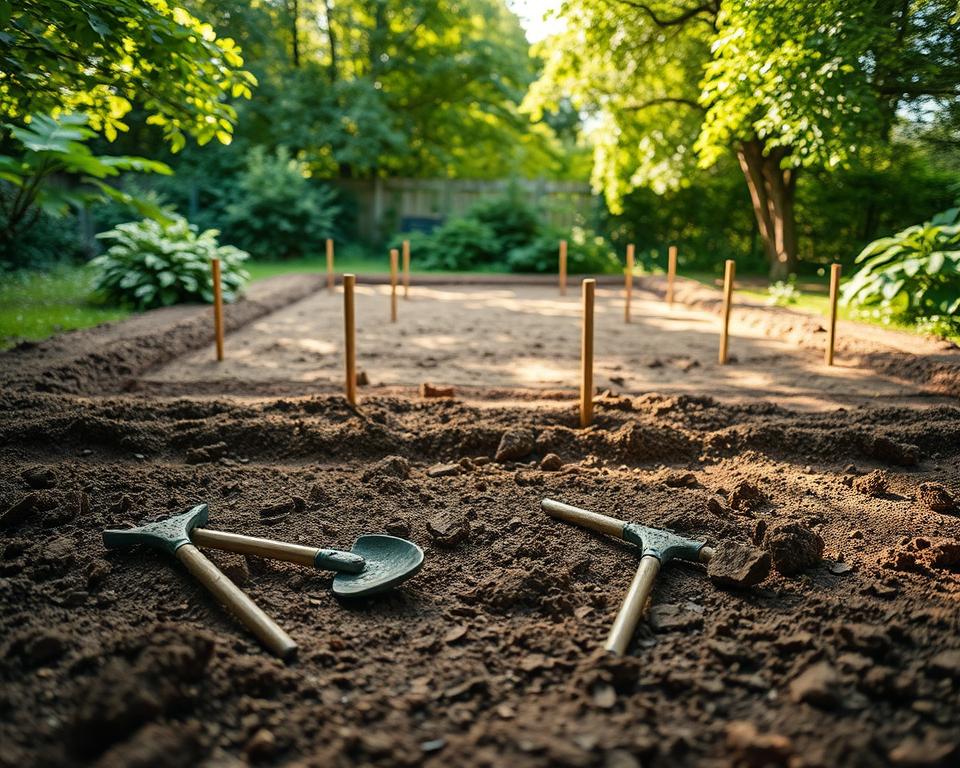
Begin by exploring your garden’s terrain with fresh eyes. Walk across potential locations and feel the ground beneath your feet. Notice areas that remain firm after rainfall and those that become soft or waterlogged.
Test different spots by applying pressure with your heel. Stable ground should feel solid and unyielding. Avoid locations where the soil compresses easily or shows signs of movement.
Consider seasonal changes in your assessment. Areas that appear perfect in summer might become problematic during wetter months. Your foundation deserves ground that remains reliable throughout the year.
Positioning for Optimal Light and Access
Imagine waking to sunlight streaming through your garden room’s windows. Position your structure to capture the sun’s journey across the sky. This thoughtful placement creates an uplifting atmosphere that enhances every moment spent inside.
Frame your favourite garden views through carefully placed windows. Create a living painting that changes with the seasons. Your space becomes a tranquil observatory connecting you with nature’s beauty.
Ensure convenient access from your main home. Consider pathway connections and proximity to utilities. Your garden office should feel like a natural extension of your living area.
Accounting for Boundaries and Tree Proximity
Respect your property’s boundaries and neighbour relationships. Maintain a generous distance that preserves privacy and prevents disputes. Your project should enhance the neighbourhood’s character while fulfilling your dreams.
Be mindful of tree placement, particularly deciduous varieties. Falling leaves can clog gutters and create maintenance challenges. Root systems might also affect your foundation’s stability over time.
Allow adequate space around your building for maintenance access. Roof overhangs and future treatments require clearance. This foresight ensures your structure remains beautiful and functional for years to come.
Your careful preparation lays the groundwork for something extraordinary. You’re not just building a structure – you’re creating a sanctuary that respects its environment while serving your needs perfectly.
Exploring Different Types of Foundations for Gardenrooms
Your journey toward creating the perfect retreat reveals multiple paths to stability. Each approach offers unique benefits that suit different landscapes and aspirations. The choice you make becomes the silent guardian of your peaceful haven.
Modern solutions blend traditional strength with innovative thinking. You can select systems that respect your garden’s natural beauty. Your foundation should complement both your vision and your environment.
Traditional Concrete Slab Foundations
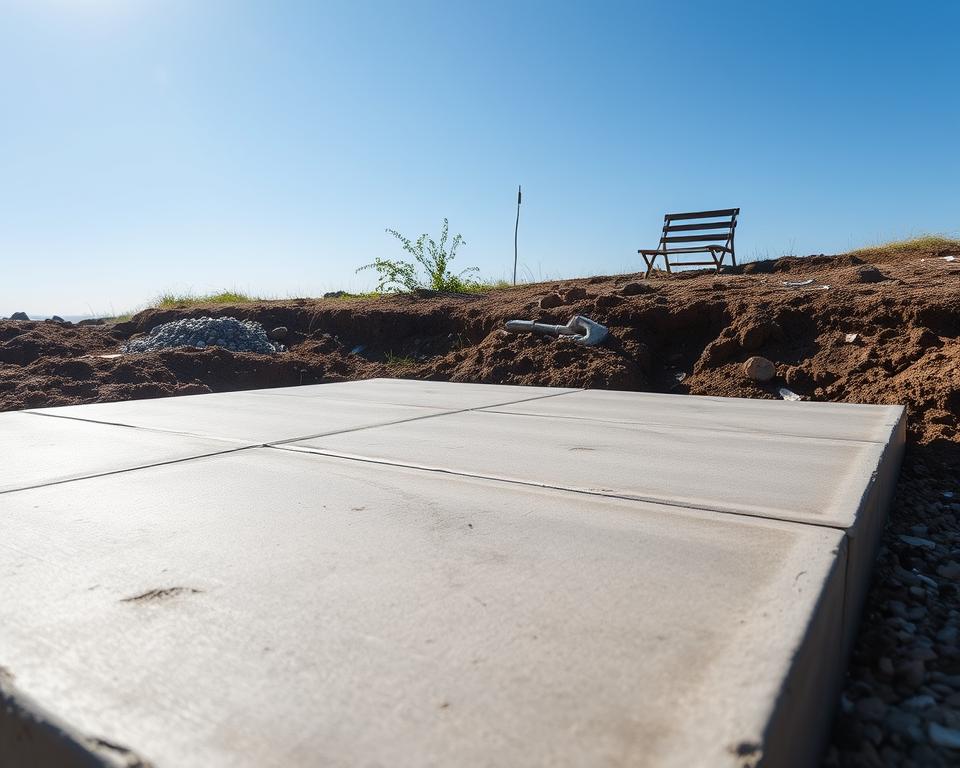
This time-honoured method creates an exceptionally solid concrete base. Workers excavate to 150-200mm depth before adding MOT 1 scalping. They compact this layer thoroughly to prevent future movement.
A damp proof membrane protects against moisture penetration. The concrete pour reaches 75-150mm depth for smaller structures. Reinforcement bars add strength for larger garden rooms.
This slab foundation typically costs around £1,400 for a 3m x 3m area. The process demands careful levelling and proper curing time. Your patience rewards you with decades of reliable service.
Modern Plinth Foundation Systems
Systems like Swift Plinths or Jack Pads revolutionise installation. These adjustable units create a level base without concrete drying time. They offer excellent eco-friendly credentials through reusability.
Many suppliers include these systems in your project’s overall cost. The adjustable nature accommodates slight ground variations beautifully. You gain a quick solution that doesn’t compromise on stability.
Innovative Ground Screw Technology
Ground screws represent a true breakthrough in foundation technology. Specialised machines drive these steel posts deep into the earth. Each screw can support impressive weights up to 17 tonnes.
Brands like No More Digging and RADIX offer professional installations. The entire process often completes within hours rather than days. This method excels on slopes and near tree roots.
You avoid extensive excavation and minimise garden disruption. The screws provide immediate load-bearing capability without waiting periods. Your project moves forward with remarkable speed.
Concrete Pile Foundations
This hybrid approach combines concrete’s strength with strategic placement. Workers excavate until reaching solid, undisturbed ground beneath your site. They then pour concrete directly or use formers for precision.
Metalwork components allow for adjustable fixings and perfect levelling. Beams distribute weight evenly across multiple support points. This solution suits larger buildings or challenging ground conditions.
Specialist Custom Foundation Solutions
Unique situations demand creative thinking and tailored approaches. Hybrid systems might combine concrete pad stones with telescopic steel columns. Perimeter frames with adjustable feet offer another sophisticated option.
These solutions overcome specific site challenges with elegance. They provide unparalleled stability where standard methods might struggle. Your vision deserves this level of personalised attention.
| Foundation Method | Installation Time | Ideal For | Key Benefit |
|---|---|---|---|
| Concrete Slab | 3-7 days | Permanent structures | Maximum stability |
| Plinth Systems | 1-2 days | Level sites | Quick adjustment |
| Ground Screws | Hours | Slopes & obstacles | Minimal excavation |
| Concrete Piles | 2-4 days | Large buildings | Deep support |
| Custom Solutions | Variable | Unique challenges | Tailored design |
Each foundation type brings distinct advantages to your project. Your choice should reflect both practical needs and personal values. The perfect base awaits your discovery among these excellent options.
Consider how each method aligns with your timeline and budget. Environmental impact might influence your decision significantly. Your garden room deserves a foundation that matches your aspirations perfectly.
How to Choose the Right Foundation for Your Project
Your foundation decision becomes the cornerstone of your garden retreat’s success. This choice blends practical needs with personal vision, creating a base that supports both your structure and aspirations. The perfect match awaits among various excellent solutions.
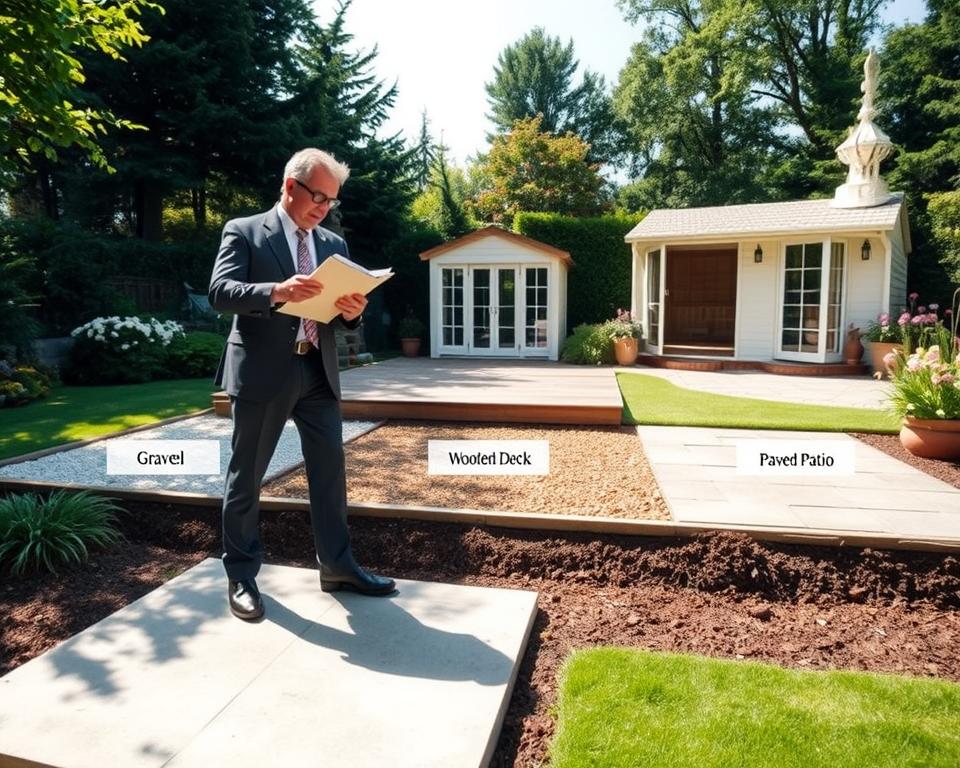
Consider how each method aligns with your unique situation. Your garden’s character deserves a solution that honours its natural beauty. This thoughtful approach ensures your space becomes a seamless extension of your home.
Matching Foundation Type to Your Building Size
Larger structures demand more robust support systems. Reinforced concrete slabs or trench foundations offer exceptional stability for bigger garden rooms. These solutions distribute weight evenly across your site.
Smaller garden offices might suit innovative ground screws or plinth systems. These options provide reliable support without excessive excavation. Your choice should reflect both current needs and future possibilities.
The right foundation turns architectural dreams into lasting realities
Considering Slope and Ground Conditions
Uneven terrain requires adaptable solutions. Ground screws excel on slopes, providing secure anchoring without extensive levelling work. Their adjustable nature accommodates natural ground variations beautifully.
Firm soils favour simpler foundation methods. Soft or waterlogged areas might need concrete piles or custom solutions. Always assess your ground conditions before making final decisions.
Budget and Timeline Considerations
Concrete slabs typically cost around £1,400 for a 3m x 3m area. This traditional option offers maximum durability but requires curing time. Your project timeline must account for this setting period.
Modern systems like plinths or ground screws often feature in overall project costs. These solutions install quickly, sometimes within hours rather than days. They minimise garden disruption while providing immediate stability.
| Solution | Cost Estimate | Installation Time | Best For |
|---|---|---|---|
| Concrete Slab | £1,400 (3m x 3m) | 3-7 days | Permanent large structures |
| Ground Screws | Project inclusive | Hours | Slopes & quick projects |
| Plinth Systems | Project inclusive | 1-2 days | Level sites & mid-size buildings |
| Concrete Piles | Variable | 2-4 days | Challenging ground conditions |
Balance your budget against long-term performance considerations. The ideal foundation investment pays dividends through decades of reliable service. Your peaceful retreat deserves this careful planning.
Embrace this journey of tailoring solutions to your project’s unique demands. Every consideration – from slope to budget – contributes to a base that supports your dreams. Your garden room awaits its perfect beginning.
Professional Installation: What You Need to Know
Your garden room’s success story begins with professional expertise. Skilled installers transform complex technical requirements into seamless solutions. They bring precision tools and years of experience to your project.
These specialists understand how different conditions affect your building’s stability. They assess your site with trained eyes, spotting potential issues before they become problems. Their knowledge ensures your foundation performs perfectly for decades.
The Importance of Proper Levelling and Squaring
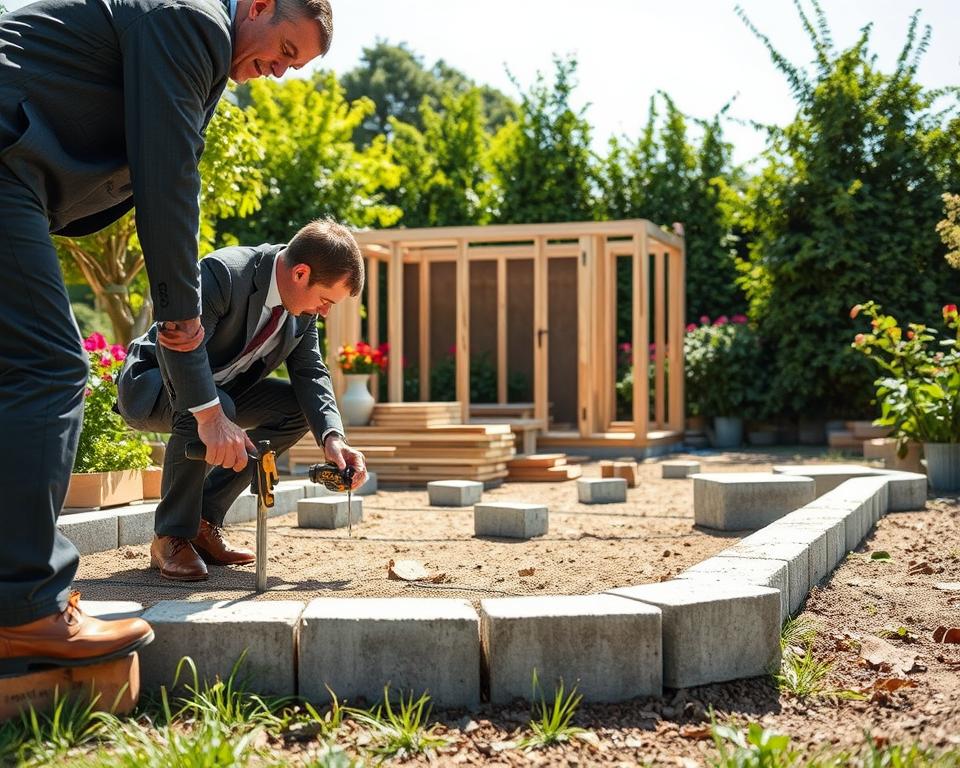
Perfect alignment forms the heart of professional installation. Experts use spirit levels and laser tools to achieve millimeter precision. They measure diagonals to ensure absolute squareness throughout the process.
This attention to detail prevents future issues with doors and windows. Your garden office will feel solid and professionally finished from day one. Every component operates smoothly thanks to this careful preparation.
Installation teams check and recheck their measurements constantly. They understand that even slight deviations can cause problems years later. Their commitment to perfection gives you complete peace of mind.
Understanding Damp Proof Membrane Requirements
Moisture protection stands as a critical consideration for any garden building. Professional installers use quality damp proof membranes (DPM) as standard practice. This protective layer stops ground moisture from rising into your structure.
The membrane must cover the entire base area without gaps or tears. Installers ensure proper overlapping at joins and secure sealing around edges. This thorough approach creates a continuous barrier against dampness.
Your garden room remains dry and comfortable in all weather conditions. The interior stays protected from mould and moisture damage. This protection preserves your investment and enhances your enjoyment.
Working With Installation Professionals
Choosing experienced professionals brings numerous advantages to your project. These teams conduct thorough site visits before quoting or scheduling work. They assess ground conditions, access points, and potential challenges.
Reputable companies provide clear liability terms for delays or unforeseen issues. They communicate openly about timelines and any necessary adjustments. This transparency builds trust throughout your collaboration.
Professional installers handle complex aspects like:
- Precise ground screw placement for optimal load distribution
- Correct concrete mix preparation and pouring techniques
- Proper integration of damp proofing systems
- Accurate alignment of support frames and posts
Their expertise turns potential obstacles into smooth solutions. They combine technical skill with practical problem-solving abilities. Your vision becomes reality through their professional execution.
“Quality installation transforms good materials into great results”
Embrace the partnership with your installation team. Their craftsmanship ensures every detail receives proper attention. Your garden room benefits from their commitment to excellence at every stage.
This professional approach delivers more than just a building. It creates a space that inspires creativity and relaxation for years to come. Your perfect retreat deserves this level of care and expertise.
Foundation Options to Avoid for Garden Buildings
Your journey toward creating the perfect garden retreat deserves careful navigation around potential pitfalls. Some foundation choices might appear tempting but could compromise your building’s long-term stability. Understanding what to avoid ensures your investment remains secure for years to come.
Why plastic grid systems fall short
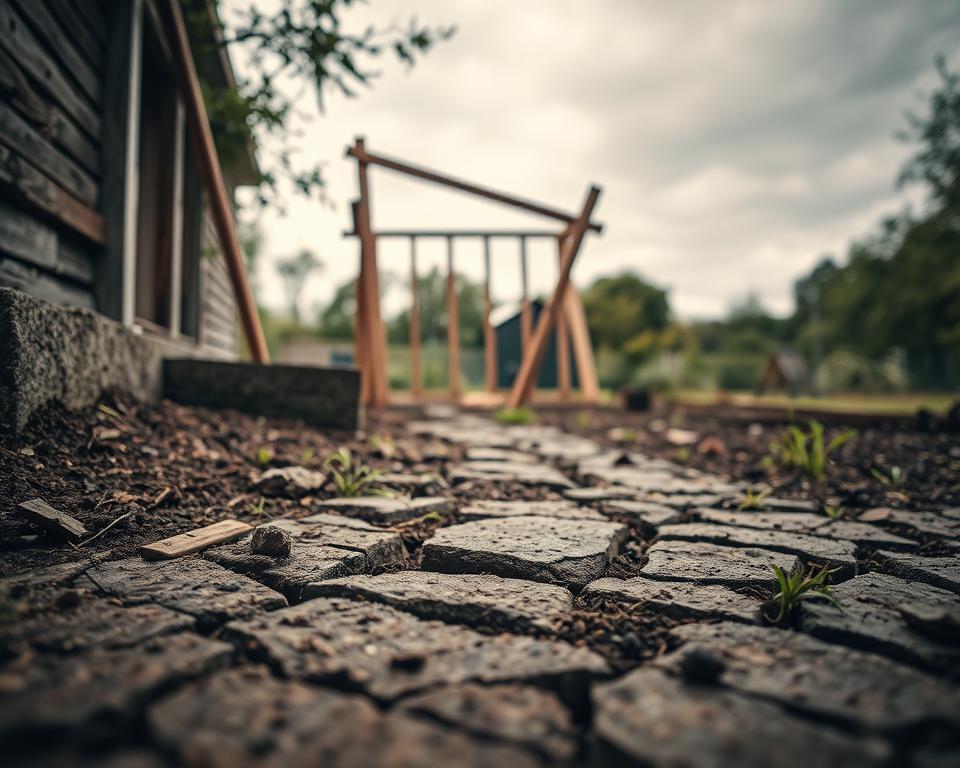
Plastic grid systems often seem like an easy solution for your garden project. These lightweight options promise quick installation without extensive groundwork. However, they lack the strength needed for substantial garden buildings.
These systems may sink or shift under significant weight over time. Your garden room deserves a more reliable base that maintains its position. Choosing robust materials ensures your structure remains level and secure.
“Short-term convenience often leads to long-term disappointment in foundation choices”
The risks of unsuitable existing surfaces
Existing patios or paved areas might appear ready for your garden office. These surfaces often feature slight slopes for water drainage. This intentional gradient creates an uneven base for your new structure.
Using such surfaces can lead to uneven settling and structural issues. Doors may not close properly, and windows might stick. Your garden room deserves a perfectly level foundation from the start.
Common installation mistakes to watch for
Even with the right materials, installation errors can cause problems. Bases that are too small for the building footprint create instability. Uneven concrete pours or poor measurements compromise the entire project.
Neglecting to check for levelness throughout the process risks future issues. Inadequate depth preparation affects the foundation’s durability. These oversights might halt construction and increase costs.
Professional assessment helps avoid these common errors. Experts ensure proper measurements and material selection. Your garden retreat benefits from this careful attention to detail.
Embrace proven methods that guarantee stability and longevity. Your perfect garden space deserves a foundation built on certainty and excellence. This approach transforms potential risks into opportunities for creating something truly special.
Conclusion: Building Your Dream Garden Room on Solid Ground
Your garden room journey culminates in a space built on certainty. You have chosen a robust base that ensures lasting stability and performance. This careful planning transforms your outdoor area into a true sanctuary.
Your investment in the right foundation brings peace of mind for years ahead. Whether you selected a concrete slab or innovative ground screws, your structure stands secure. It becomes a versatile retreat for work, creativity, or simple relaxation.
Embrace this accomplishment with confidence. Your garden office or leisure space now offers endless possibilities. It stands as a testament to thoughtful design and quality construction, ready to host cherished moments.
Move forward knowing your project combines practical strength with aesthetic harmony. Your dream room is not just built—it is built to last, becoming a beloved part of your home and lifestyle.
FAQ
What is the most important factor when choosing a foundation for my garden room?
The stability and suitability of your base for your specific ground conditions matter most. A well-chosen foundation ensures your structure remains level, secure, and durable for years, protecting your investment from subsidence or moisture damage.
Can I use an existing patio or concrete area as a foundation?
While it might seem convenient, existing surfaces often lack proper preparation, levelling, or damp proofing. It’s risky—always assess if the base is truly level, strong enough, and free from cracks or movement before building on top.
How do I know if my garden ground is suitable for a concrete slab?
Check for firm, well-draining soil with minimal slope. Soft, clay-heavy, or waterlogged ground may require additional reinforcement or a different foundation type, like ground screws or piles, to avoid future settling.
Are ground screws a good option for a sloping garden?
Absolutely! Ground screws offer excellent adaptability on uneven terrain. They minimise digging, reduce disruption, and provide a strong, level base without extensive groundwork, making them ideal for challenging slopes.
What are the advantages of a concrete plinth foundation system?
Plinth systems raise your garden room off the ground, improving airflow and reducing moisture risk. They’re quick to install, reusable, and provide a sturdy, level frame that’s perfect for modern garden offices or studios.
How long does it typically take to install a foundation?
It varies by type: concrete bases need several days to cure, while screw piles or plinths can often be installed in just one day. Your project timeline should account for preparation, installation, and any required settling time.
Why is a damp proof membrane essential for my foundation?
A damp proof membrane protects your building from rising moisture, preventing rot, mould, and structural damage. It’s a critical layer in many foundation systems, ensuring your garden room stays dry and comfortable year-round.
Can I install the foundation myself, or should I hire professionals?
A> While some DIY enthusiasts tackle simpler bases, professional installation guarantees precision levelling, correct depth, and adherence to building regulations. For peace of mind and long-term performance, experts are often worth the investment.