Discover the benefits of a green roof on a wooden garden shed
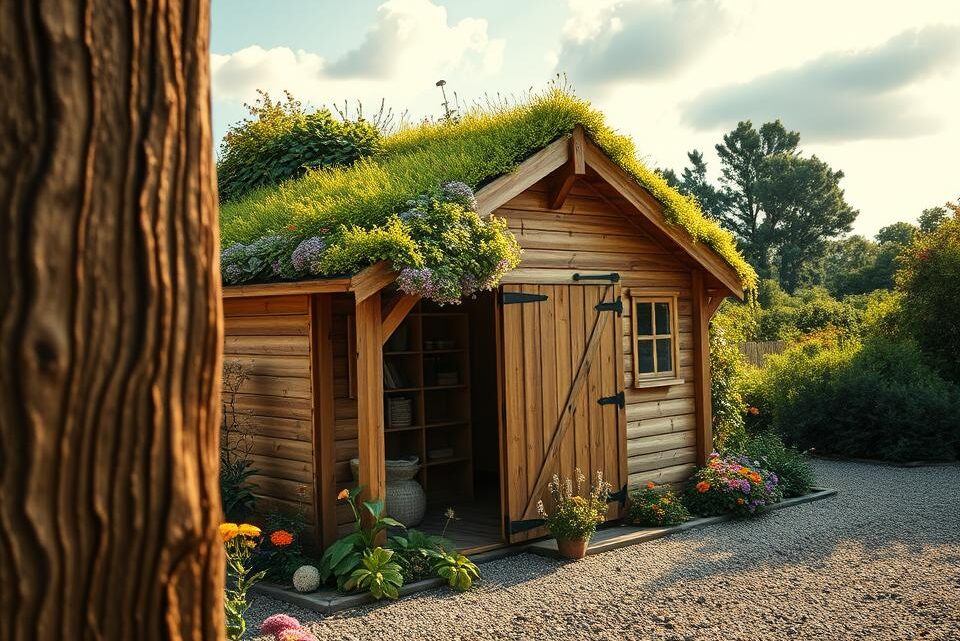
Imagine turning your simple wooden shed into a vibrant, eco-friendly sanctuary. A green roof offers this incredible transformation. It blends beauty with practical benefits for your garden and local ecosystem.
This innovative approach maximises limited urban spaces. You create habitats for wildlife while improving air quality. Even small gardens can become lush, functional areas.
Our guide walks you through planning and installation. Learn about suitable plants and waterproofing layers. Discover how these systems manage rainwater and require little maintenance.
Embrace modern gardening that supports the environment. Your project will inspire neighbours and help urban cooling. Start your journey toward a greener outdoor space today.
Inhaltsverzeichnis
Key Takeaways
- Enhances your garden’s aesthetics and ecological value
- Supports local biodiversity by providing habitats
- Improves air quality and manages rainwater naturally
- Requires minimal upkeep once established
- Suitable for most standard wooden shed structures
- Helps reduce urban heat island effects
- Creates additional insulation for your shed interior
Why Your Garden Shed Deserves a Green Roof
Elevate your basic outdoor storage unit into a thriving ecosystem that benefits both you and nature. A living roof transforms mere functionality into natural artistry that enhances your entire outdoor experience.
https://www.youtube.com/watch?v=38DTmxWNRy4
Transforming Functional Space into Natural Beauty
Your shed becomes more than just a place to store tools. It evolves into a beautiful garden feature that blends seamlessly with your outdoor surroundings. The vibrant plants create a living tapestry that changes with the seasons.
This transformation turns a simple structure into an attractive focal point. Your garden gains visual interest and natural charm. Even urban spaces feel more connected to nature.
Environmental Benefits for Your Local Area
Small green roofs make a big difference in urban environments. They create vital habitats for pollinators and local wildlife. Your roof becomes part of a larger food network supporting biodiversity.
These living systems help regulate temperatures effectively. Through plant respiration, they can be 15-10° cooler than conventional roofs during summer months. This natural cooling reduces urban heat island effects.
Plants on your roof absorb heat and filter air pollutants. They also help reduce noise pollution in your garden environment. The system manages rainwater by slowing and absorbing rainfall.
This natural water management helps prevent local flooding. It stops drains from becoming overwhelmed during heavy rainfall. Your small contribution supports broader urban environmental solutions.
| Environmental Benefit | Impact Level | How It Works |
|---|---|---|
| Temperature Regulation | High | Plants provide natural cooling through evaporation |
| Air Quality Improvement | Medium-High | Plants filter pollutants and produce oxygen |
| Rainwater Management | High | Absorbs and slows rainfall runoff |
| Biodiversity Support | Medium | Provides habitat for insects and pollinators |
| Noise Reduction | Medium | Plants and soil absorb sound waves |
Personal Wellbeing Advantages
Having a green roof brings nature closer to your home. It provides easy access to gardening activities right in your backyard. This connection with plants offers mental health benefits and stress reduction.
You’ll enjoy watching wildlife visit your new ecosystem. The changing seasons bring different colours and textures to observe. It creates a peaceful retreat right outside your door.
This project gives you a sense of accomplishment. You’re contributing positively to your local environment. Your beautiful, functional space becomes a source of daily joy and inspiration.
The multiple layers of value extend far beyond mere aesthetics. You create a living system that benefits you, your community, and the local ecosystem. It’s a rewarding transformation that keeps giving year after year.
Understanding How Green Roofs Work
Your garden shed becomes an active environmental contributor through sophisticated natural systems working in harmony. These living roofs function like miniature ecosystems, performing vital services while protecting your structure beneath.
The Natural Systems at Play
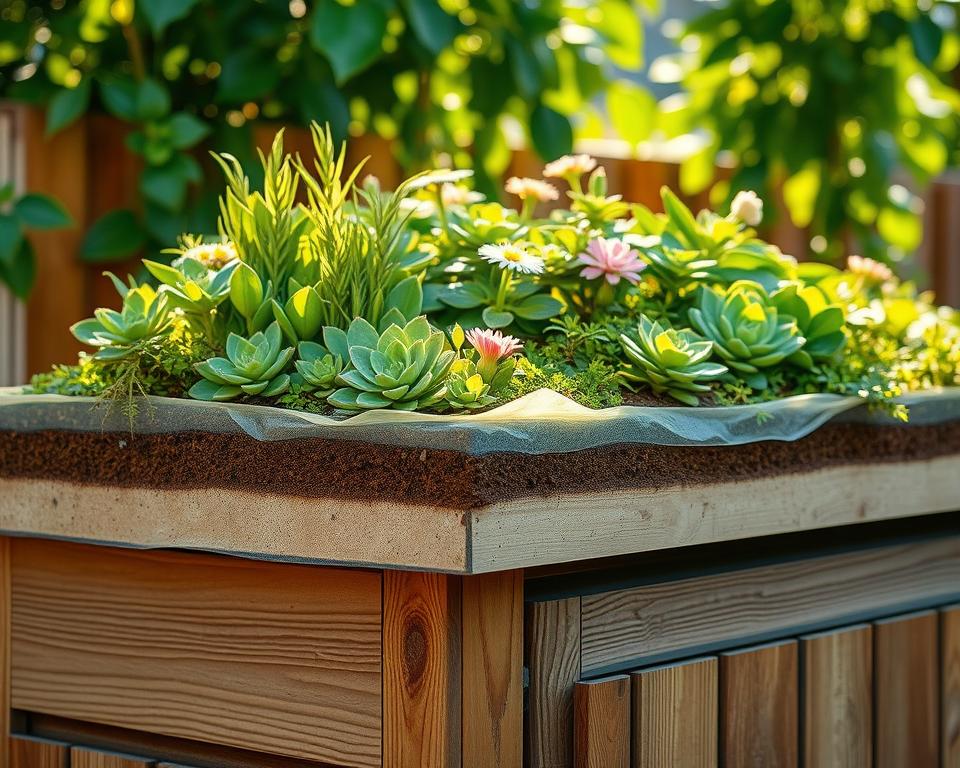
Green roofs replicate natural ground processes elevated above your garden. Plants perform photosynthesis, converting sunlight into energy while releasing oxygen. This natural air filtration system removes pollutants from your immediate environment.
Microorganisms within the growing medium break down organic matter. They create rich nutrients for your plants without chemical fertilisers. This self-sustaining cycle requires little maintenance once established.
The layered design protects your shed’s waterproofing membrane from UV damage and temperature extremes. Each component works together like nature’s own engineering masterpiece. Your roof becomes a living, breathing extension of your garden.
Water Management and Flood Prevention
During rainfall, your green roof acts like a natural sponge. The growing medium absorbs significant amounts of water, slowing its journey to ground level. This delayed runoff helps prevent local flooding during heavy downpours.
Drainage layers ensure excess water flows away without waterlogging plants. They maintain perfect moisture balance for healthy growth. Your system manages rainfall naturally, reducing pressure on urban drainage networks.
Water retention capabilities benefit both plants and local water management. During dry periods, stored moisture sustains your vegetation. This clever design mimics natural ground absorption patterns.
| System Layer | Primary Function | Environmental Benefit |
|---|---|---|
| Waterproofing Membrane | Structural protection | Long-term durability |
| Root Barrier | Prevent root penetration | Maintains integrity |
| Drainage System | Water flow management | Flood prevention |
| Filter Layer | Soil retention | System cleanliness |
| Growing Medium | Plant support | Water absorption |
| Vegetation Layer | Active processing | Air purification |
Temperature Regulation Properties
During summer months, your green roof provides natural cooling through plant respiration. This process can make surface temperatures 15-20°C cooler than conventional roofing materials. Your shed interior enjoys better insulation against heat.
In colder seasons, the layered system acts as additional insulation. It helps retain warmth within your storage space. This natural temperature regulation reduces energy requirements for any heated outbuildings.
The combination of soil mass and plant coverage creates a thermal mass effect. It slows heat transfer through your roof structure. You benefit from more stable temperatures year-round with minimal energy input.
These temperature regulation properties extend beyond your shed to your immediate garden environment. They contribute to reducing urban heat island effects in built-up areas. Your small project makes a meaningful difference to local climate conditions.
Discover the Benefits of a Green Roof on a Wooden Garden Shed
Your outdoor storage space transforms into an ecological powerhouse when you embrace this innovative approach. The multiple advantages extend far beyond mere aesthetics, creating meaningful impacts for both your property and local ecosystem.
Enhanced Biodiversity and Wildlife Support
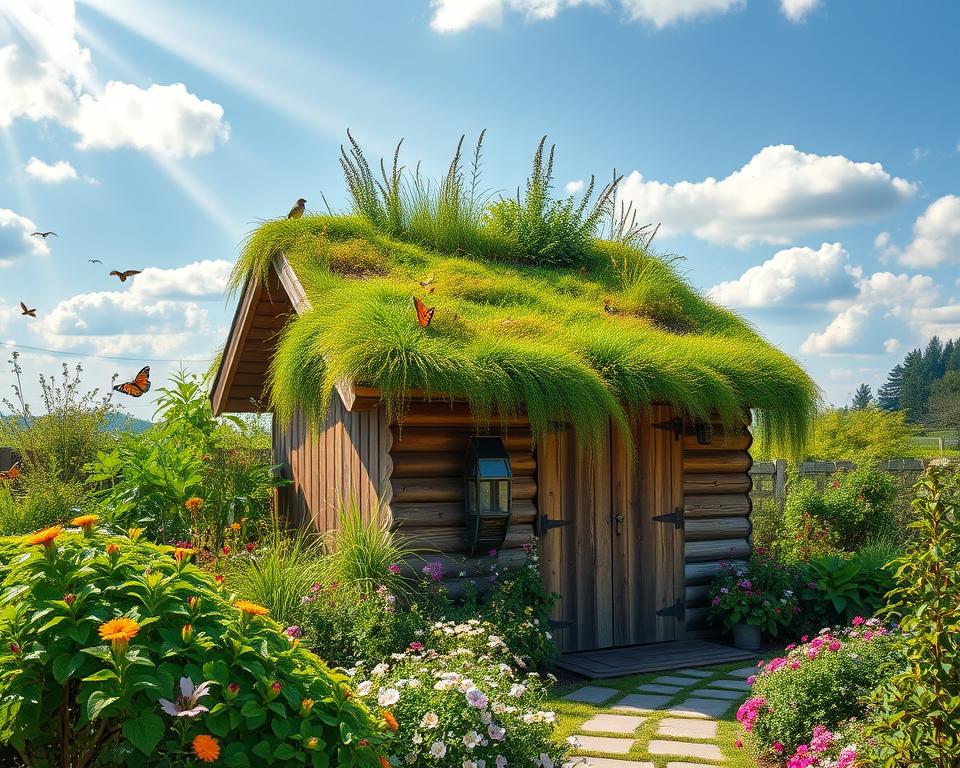
Your living roof becomes a bustling habitat for urban wildlife. Pollinators like bees and butterflies find sanctuary among the flowering plants. This creates vital connections within local food networks.
Even small green roofs support biodiversity in built-up areas. They provide nesting opportunities for insects and shelter for various species. Your garden becomes part of a larger ecological tapestry.
Sedum varieties offer year-round interest and sustenance. Their flowers provide nectar through multiple seasons. This continuous support helps maintain healthy pollinator populations.
Improved Air Quality and Pollution Reduction
Plants on your roof act as natural air filters. They absorb carbon dioxide and release fresh oxygen through photosynthesis. This process cleanses the surrounding atmosphere.
Leaf surfaces trap dust particles and pollutants effectively. Rain then washes these contaminants into the soil below. Your green roof system improves local air quality significantly.
“Urban green spaces serve as the lungs of our cities, with even small installations making measurable differences to air purity.”
The vegetation layer also absorbs noise pollution. It creates a quieter, more peaceful garden environment. You’ll notice the difference during summer evenings.
Natural Insulation and Energy Efficiency
Your shed enjoys natural temperature regulation throughout the year. The growing medium and plants provide excellent insulation properties. This maintains comfortable interior conditions.
During winter months, the system retains warmth effectively. In summer, it keeps interiors cooler through natural evaporation. This reduces energy requirements for heated outbuildings.
The protective layer shields your waterproofing membrane from UV damage. This extends the lifespan of your entire roof structure. You save on long-term maintenance costs.
Rainwater management represents another significant advantage. The system absorbs and slows rainfall runoff naturally. This helps prevent local flooding during heavy downpours.
Your contribution to urban cooling should not be underestimated. Green roofs reduce heat island effects in built-up areas. They make surrounding spaces more comfortable during warm weather.
The aesthetic transformation blends your structure harmoniously with its surroundings. It creates visual interest that changes with the seasons. Your garden gains a beautiful, functional feature.
Modern systems like sedum trays require little maintenance once established. They thrive with minimal intervention, making them perfect for busy gardeners. You can enjoy the benefits without constant upkeep.
These multiple value propositions make green roofs a worthwhile investment. They benefit your personal enjoyment while contributing to broader environmental solutions. Your project becomes part of a greener future.
Assessing Your Shed’s Suitability
Before transforming your outdoor space, careful evaluation ensures your project’s success. Proper assessment prevents future issues and guarantees your living roof thrives for years.
This crucial step determines whether your structure can support nature’s weight. It identifies necessary modifications before installation begins. Your preparation lays the foundation for a flourishing ecosystem.
Structural Strength and Weight Considerations
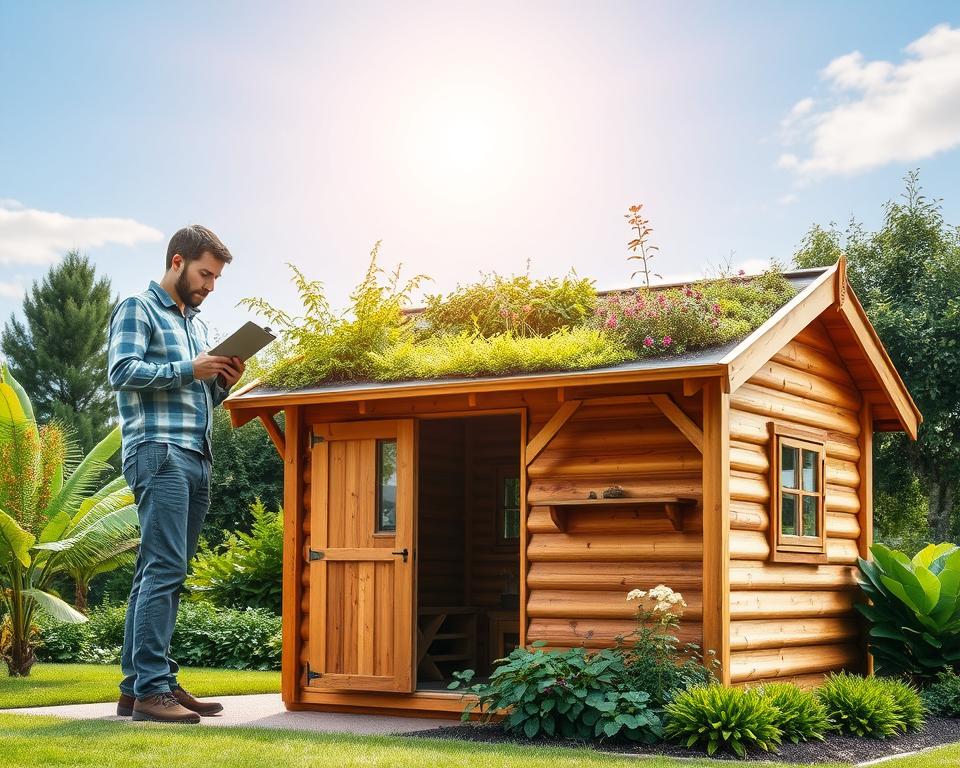
Your shed’s framework must handle significant additional loading. Sedum trays add approximately 59 kg per square metre when saturated with water. This weight includes plants, growing medium, and retained moisture.
Check timber quality and joint integrity throughout your structure. Older sheds may need reinforcement before supporting a green roof system. Internal framing upgrades can strengthen existing frameworks effectively.
Consult manufacturers for specific load-bearing capacities if unsure. Professional assessment ensures safety and longevity. Never underestimate the importance of structural integrity.
Roof Pitch and Water Drainage Requirements
Slope significantly impacts water management and plant health. Pitches over 9.5° require additional design features to prevent slippage. Steeper angles may need retention systems or specialist advice.
Flat roofs under 5° benefit from perimeter wooden upstands. These barriers help contain growing medium and manage water flow. They prevent pooling and ensure proper drainage across the surface.
Your roof’s angle determines how quickly water runs off. Balanced drainage maintains ideal moisture levels for vegetation. Proper slope management prevents waterlogging and root rot.
Waterproofing Layer Essentials
Existing roof materials must provide reliable protection against moisture. Felt and bitumen shingles generally work well for green roof installations. Metal or cement corrugated surfaces may require professional consultation.
Always install protective fleece under sedum trays or growing medium. This barrier safeguards your waterproofing membrane from root penetration and physical damage. It’s an essential layer that preserves your structure’s integrity.
Inspect current waterproofing for any signs of wear or damage. Address issues before adding weight and vegetation. A sound foundation ensures your living roof functions perfectly for decades.
“Proper preparation prevents poor performance – this ancient wisdom holds particularly true for green roof installations where structural assessment is non-negotiable.”
Consider reinforcement options if your evaluation reveals weaknesses. Additional supports can transform marginal structures into suitable platforms. Your investment in proper assessment pays dividends in long-term performance.
Drainage requirements vary based on your specific setup. Ensure water can flow freely without overwhelming gutters or downpipes. Good water management protects both plants and structure beneath.
Remember that successful installations begin with thorough evaluation. Take time to assess properly before committing to your project. Your careful planning ensures beautiful results that last.
Planning Your Green Roof Project
Your journey towards an eco-friendly outdoor space begins with careful preparation. Thoughtful planning ensures your living roof thrives while complementing your garden’s character.
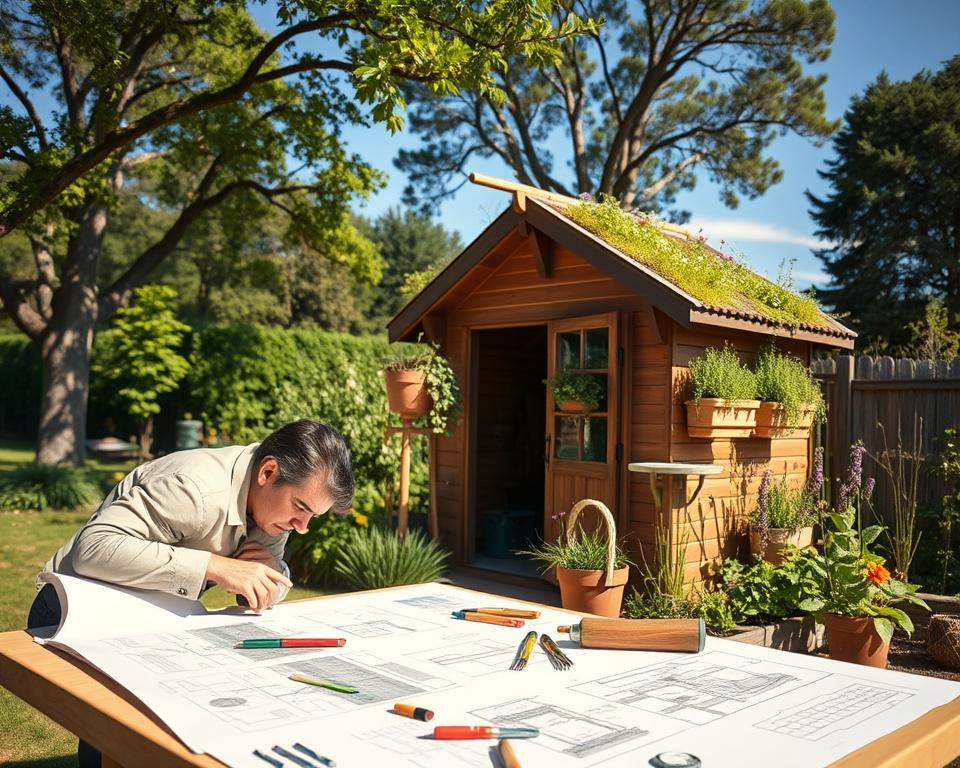
This stage transforms ideas into actionable steps. You’ll create a blueprint that balances beauty with functionality. Your vision becomes achievable through systematic organisation.
Choosing Between Extensive, Semi-extensive and Intensive Systems
Selecting the right system type determines your project’s character and care requirements. Each option offers distinct advantages for different lifestyles and goals.
Extensive systems feature shallow 5-15cm depths with sedum mats. They require little maintenance once established. These lightweight solutions suit most shed structures perfectly.
Semi-extensive installations use 10-20cm depths for perennial plants. They offer more variety while needing some seasonal care. This middle ground provides greater design flexibility.
Intensive green roofs demand deeper 30cm+ growing medium. They support diverse planting but may need irrigation systems. These heavier options require robust structural support.
| System Type | Depth Range | Maintenance Level | Plant Options |
|---|---|---|---|
| Extensive | 5-15cm | Low | Sedum varieties |
| Semi-extensive | 10-20cm | Moderate | Perennials & grasses |
| Intensive | 30cm+ | High | Shrubs & small trees |
Measuring and Designing Your Space
Accurate measurements form the foundation of your project’s success. Consider both physical dimensions and practical access requirements.
Account for bin storage or bicycle access points. Ensure your design maintains convenient pathways. Functional space planning enhances daily usability.
Drainage slope significantly impacts plant health. Gentle angles between 5-15 degrees work best. Steeper pitches may dry plants too quickly.
Flat surfaces risk water pooling and root rot. Aspect direction influences growing conditions too. South-facing roofs enjoy more sunlight and warmth.
North-facing positions suit shade-tolerant species. Your design should harmonise with existing garden features. Create visual connections through thoughtful placement.
Selecting Appropriate Materials
Material choices affect both performance and environmental impact. Sustainable options often deliver superior results while supporting eco-friendly principles.
Reclaimed materials add character while reducing waste. They create unique aesthetic appeal for your garden feature. Always verify structural suitability before use.
Wildlife-friendly features enhance biodiversity value. Consider integrating bee hotels or insect habitats. These additions support local ecosystems beautifully.
Drainage layers must manage water flow effectively. Filter fabrics prevent soil washout while allowing moisture passage. Each component serves multiple purposes within the system.
DIY projects offer personal satisfaction and cost savings. Prefabricated kits provide convenience and guaranteed performance. Match your approach to skills and available time.
“Good design is where function and beauty meet – your green roof should serve practical needs while creating visual delight throughout the seasons.”
Thorough planning prevents costly mistakes during installation. It ensures your living roof delivers lasting benefits and enjoyment. Your careful preparation lays the groundwork for transformation.
The Essential Green Roof Layers
Your living roof installation becomes a masterpiece of natural engineering through carefully designed layers. Each component works harmoniously to create a thriving ecosystem above your garden space.
These specialised materials transform ordinary structures into environmental assets. They manage water flow while supporting diverse plant life. Your project gains both beauty and functionality.
Waterproofing and Root Barrier Membranes
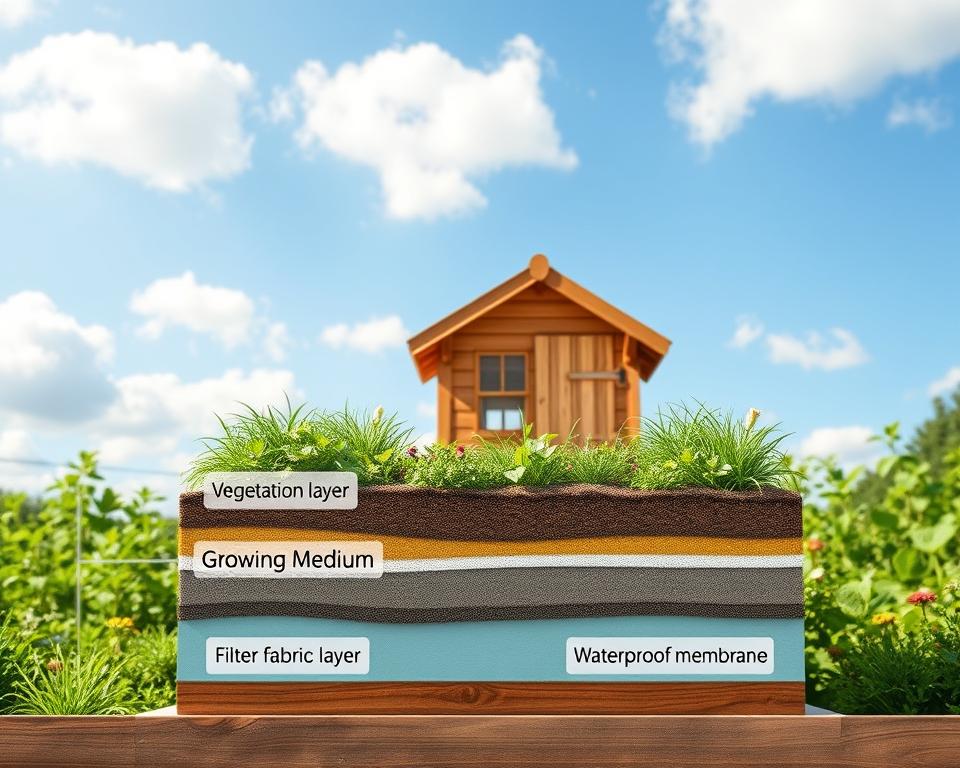
The foundation begins with robust protection for your shed’s structure. A high-quality waterproofing membrane forms the essential base layer. This barrier safeguards against moisture penetration.
Root protection membranes prevent plant roots from damaging the waterproofing system. They create a secure separation between vegetation and your roof’s integrity. This dual protection ensures long-term performance.
Modern materials offer excellent durability against weather extremes. They withstand summer heat and winter cold without degradation. Your investment remains protected for years.
Drainage System and Filter Layers
Efficient water management prevents flooding and maintains plant health. Drainage layers feature specially designed modules or granular materials. They create air pockets for excess water flow.
Filter fabrics sit above drainage components to prevent clogging. These geotextile membranes allow water passage while retaining growing medium. They maintain system cleanliness and function.
Water retentive layers can include sustainable options like recycled wool. These materials absorb rainfall and release moisture during dry periods. They help plants thrive with less watering.
Growing Medium and Substrate Options
The planting layer begins with carefully formulated growing medium. Lightweight materials like perlite and leca reduce overall weight. They provide excellent drainage and root support.
Substrate depth varies based on your plant selection and design goals. Extensive systems typically use 5-15cm depths for sedum varieties. Deeper installations support more diverse planting schemes.
Top dressings like decorative shingles enhance aesthetics while suppressing weeds. They create a finished appearance that complements your garden design. These final touches complete your transformation.
| Layer Type | Primary Function | Material Options |
|---|---|---|
| Waterproofing | Moisture protection | EPDM, PVC membranes |
| Root Barrier | Root penetration prevention | Polyethylene sheets |
| Drainage | Water flow management | Plastic modules, gravel |
| Filter Layer | Soil retention | Geotextile fabrics |
| Growing Medium | Plant support | Lightweight aggregates |
| Vegetation | Ecosystem creation | Sedum, alpines, grasses |
Pre-packaged kits offer convenient solutions for DIY enthusiasts. They provide precisely measured components that guarantee compatibility. These systems simplify the installation process significantly.
For custom designs, source materials from reputable suppliers specialising in green roof systems. Ensure all layers work together harmoniously. Your careful selection determines long-term success.
“The layered approach to green roof construction demonstrates how thoughtful design can create sustainable ecosystems in unlikely places, bringing nature closer to our daily lives.”
Consider professional consultation for complex installations or unusual structures. Experts can advise on material compatibility and weight distribution. Their guidance ensures your project meets all safety requirements.
Remember that each layer contributes to the overall performance of your green roof system. From waterproofing protection to plant support, every component matters. Your attention to detail creates a thriving elevated garden.
Selecting the Right Plants for Your Green Roof
Your plant choices transform your elevated garden into a living tapestry that thrives with minimal intervention. The vegetation layer creates both visual beauty and ecological function, turning your structure into a thriving habitat.
Low-Maintenance Sedum Varieties
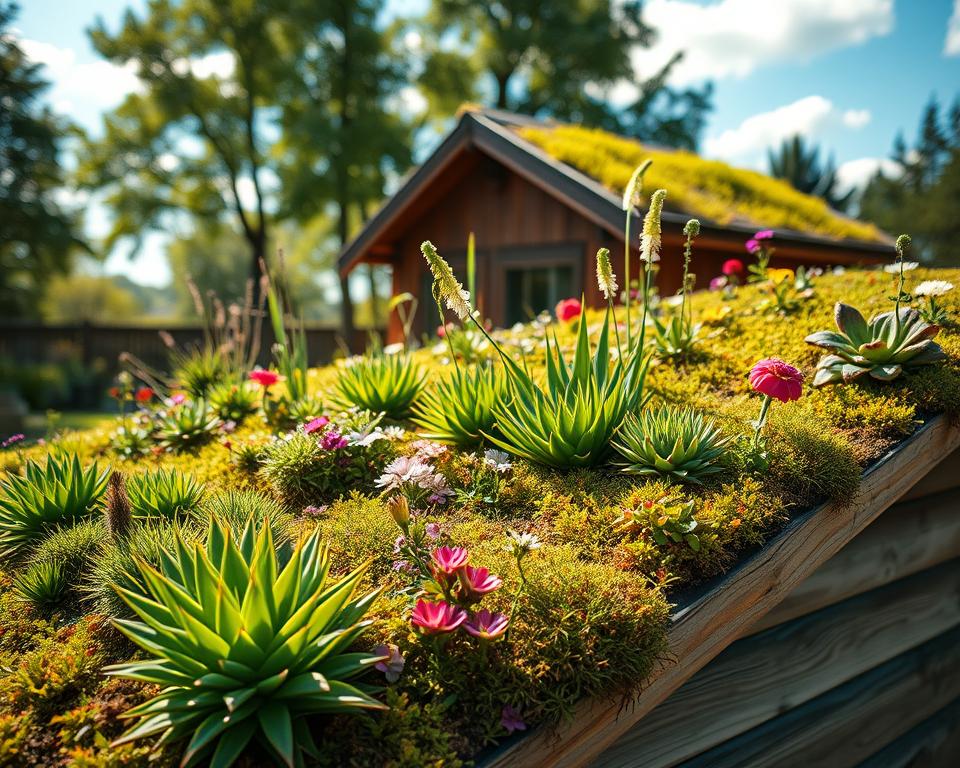
Sedum varieties offer exceptional hardiness for rooftop conditions. These drought-tolerant succulents form dense mats that require little maintenance once established.
Their fleshy leaves store water efficiently during dry periods. Sixteen different varieties available in PermaSEAL trays provide instant coverage. You achieve beautiful results with minimal ongoing care.
Drought-Tolerant Alpine Plants
Alpine plants thrive in shallow growing medium with excellent drainage. They withstand exposed conditions and windy environments beautifully.
These species need minimal soil depth to establish strong root systems. Their compact growth habit makes them perfect for lightweight green roofs. You create stunning visual interest with their varied textures.
Wildflower and Grass Options
Native wildflowers and grasses support local biodiversity significantly. They provide essential food sources for pollinators throughout the seasons.
These planting choices create dynamic, changing displays year-round. Pre-grown wildflower turf offers instant establishment benefits. Your roof becomes a valuable wildlife corridor.
The right plant, right place principle guides successful selection. Consider your roof’s sun exposure, wind conditions, and aspect direction.
South-facing positions suit sun-loving sedum and alpine varieties. North-facing roofs may need shade-tolerant species like certain mosses. Your microclimate determines optimal plant choices.
“The most successful green roofs mirror nature’s wisdom – choosing plants that naturally thrive in similar conditions creates resilient, self-sustaining ecosystems.”
Pre-grown solutions like sedum mats deliver instant coverage benefits. They arrive established and ready to flourish on your structure. These systems reduce initial maintenance requirements considerably.
For diverse ecosystems, combine different plant types thoughtfully. Mix sedums with flowering perennials for extended seasonal interest. Your planting scheme supports various wildlife species throughout the year.
Source plants from reputable growers specialising in green roof conditions. Ensure they’re acclimatised to exposed environments. Your careful selection guarantees long-term success and beauty.
| Plant Type | Ideal Conditions | Maintenance Level | Wildlife Value |
|---|---|---|---|
| Sedum Varieties | Full sun, well-drained | Very low | Pollinator support |
| Alpine Plants | Good drainage, exposed | Low | Limited value |
| Wildflowers | Varies by species | Moderate | High biodiversity |
| Ornamental Grasses | Most conditions | Low | Shelter provision |
| Mosses | Shade, moisture | Very low | Insect habitat |
Consider flowering periods for year-round visual interest. Early bloomers provide spring nectar for emerging pollinators. Late flowers support wildlife preparing for winter months.
Your plant selection creates the character and function of your green roof system. Thoughtful choices ensure beauty and ecological benefits for years to come.
Installation Process: Step-by-Step Guide
Your transformation journey reaches its exciting climax as you bring your green roof vision to life. This hands-on phase turns careful planning into tangible results that will flourish for years.
Follow this clear guidance to create your elevated garden with confidence. Each step builds upon the last, creating a resilient system that supports plant life while protecting your structure.
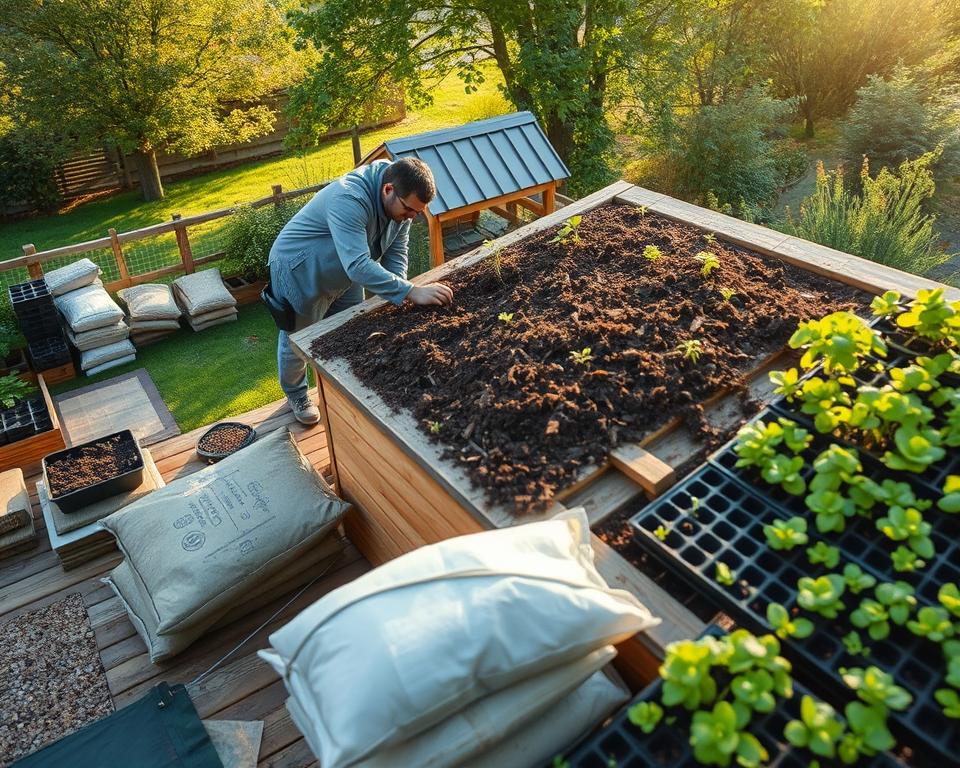
Preparing Your Shed Roof
Begin with a thorough inspection of your roof surface. Check for any damage to the waterproofing layer before proceeding. Clean away debris, moss, or loose materials completely.
Ensure the surface is dry and smooth for optimal results. Repair any issues you find during this assessment phase. Your foundation must be sound before adding new layers.
Measure your roof area accurately to calculate material quantities. Consider access points and safety equipment needs. Proper preparation prevents problems during installation.
Laying Protection Fleece and Drainage Layers
Roll out protective fleece across the entire roof surface. This crucial barrier safeguards your waterproofing membrane from potential damage. Overlap seams by at least 10cm for complete coverage.
Install drainage layers according to your specific system design. These components manage water flow effectively across the roof. They prevent pooling while maintaining ideal moisture levels.
Ensure even coverage without gaps or thin spots. The drainage system supports healthy plant growth by preventing waterlogging. Your attention to detail here ensures long-term success.
Installing Sedum Trays or Planting Directly
For tray systems, begin installation from one corner of your roof. Slot trays together securely, trimming edges with a wood saw where necessary. Place cut sides facing inward for neat finishing.
Alternatively, create a growing medium layer for direct planting. Spread substrate evenly to your chosen depth across the roof. This method allows for custom planting designs.
Water thoroughly after installation, especially during dry periods. Initial hydration helps plants establish quickly in their new environment. Your care during this phase promotes strong growth.
| Installation Method | Time Required | Skill Level | Best For |
|---|---|---|---|
| Sedum Trays | 2-4 hours | Beginner | Quick coverage |
| Direct Planting | 4-8 hours | Intermediate | Custom designs |
| Wildflower Turf | 3-5 hours | Beginner | Biodiversity focus |
Consider safety throughout the installation process. Use proper equipment when working at height. Enlist help for handling materials and positioning components.
Tools needed include a utility knife, measuring tape, and gardening gloves. For tray systems, a wood saw helps with custom fitting. Keep all materials within easy reach during installation.
Aftercare involves monitoring moisture levels during establishment. Water during prolonged dry spells exceeding two weeks. Your plants will gradually adapt to their new environment.
Troubleshoot common issues like tray movement or uneven growth. Secure loose edges and supplement areas with additional plants if needed. Your proactive approach ensures beautiful results.
“The satisfaction of creating something beautiful and functional with your own hands is unmatched – each carefully placed plant represents your commitment to a greener future.”
Remember that perfection comes with time as plants fill out and establish. Your living roof will evolve into a thriving ecosystem. Enjoy watching your transformation complete itself naturally.
Ongoing Maintenance and Care
Your living roof matures into a self-sustaining ecosystem that flourishes with minimal intervention. Proper care ensures your elevated garden remains vibrant while protecting your investment for years to come.
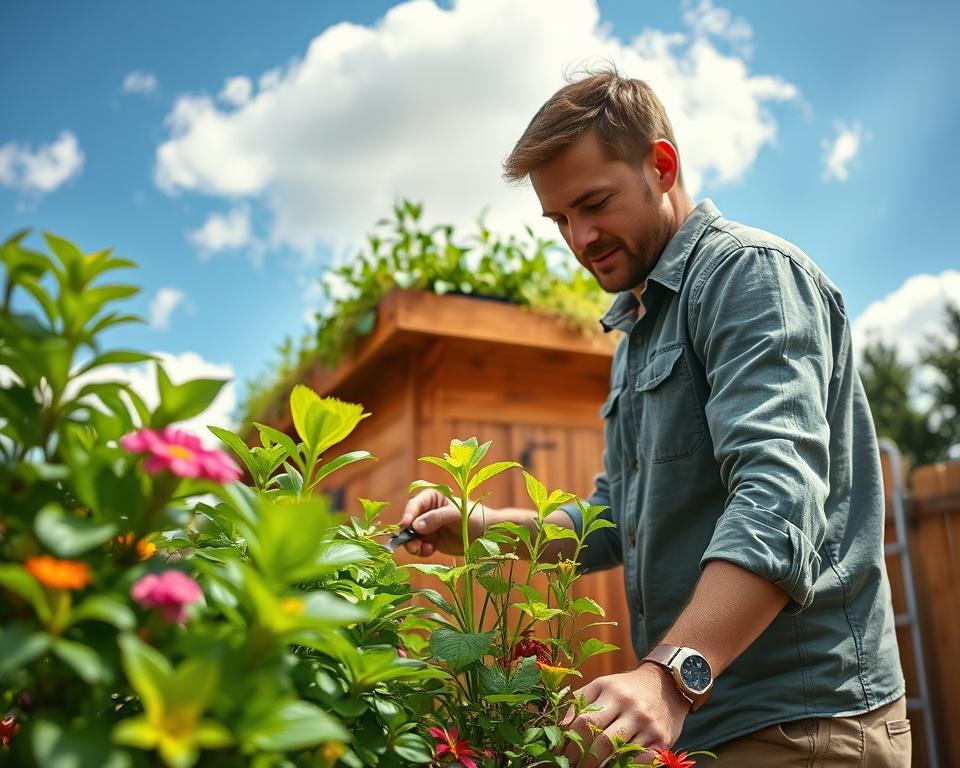
Watering Requirements During Dry Periods
Established sedum varieties demonstrate remarkable drought resistance. They store water in their fleshy leaves during dry spells. Your green roof system naturally retains moisture effectively.
During extended dry periods exceeding two weeks, supplemental watering maintains plant health. Use a gentle spray to avoid disturbing the growing medium. Early morning or evening watering reduces evaporation loss.
Monitor plant appearance for signs of stress. Wilting or discoloration indicates need for hydration. Your attentive care keeps vegetation thriving through challenging conditions.
Weed Control and Plant Health Checks
Occasional weed removal preserves your design’s integrity. Identify unwanted species before they establish deep roots. Hand-pulling works effectively for most intruders.
Conduct seasonal health assessments of your plant coverage. Look for bare patches or diseased vegetation. Replace individual plants as needed to maintain full coverage.
Your green roof benefits from natural competition among desired species. Healthy plants naturally suppress weed growth. This minimal maintenance approach supports biodiversity.
“A well-designed green roof system requires little more than occasional observation and seasonal checks – nature does the heavy lifting once established.”
Drainage System Maintenance
Ensure water flows freely through your drainage layers seasonally. Check outlet points for debris accumulation that might impede water flow. Clear any blockages to prevent waterlogging.
Inspect filter fabrics during routine maintenance checks. These layers prevent soil washout while allowing proper moisture passage. Your attention ensures the entire system functions optimally.
After heavy rainfall, observe how quickly water dissipates from the surface. Slow drainage may indicate compaction or blockage issues. Address these promptly to maintain plant health.
Well-maintained drainage prevents flooding and protects your waterproofing membrane. It’s the foundation of your green roof’s long-term success. Your vigilance pays dividends in system longevity.
| Maintenance Task | Frequency | Time Required |
|---|---|---|
| Weed inspection | Seasonal | 15-30 minutes |
| Drainage check | After heavy rain | 10 minutes |
| Plant health assessment | Spring and autumn | 20 minutes |
| Watering during drought | As needed | 15 minutes |
Seasonal changes bring different care requirements. Spring growth may need light tidying while autumn prepares plants for winter dormancy. Your seasonal attention keeps everything balanced.
Monitor your waterproofing layer’s integrity during maintenance checks. Look for signs of wear or damage at edges and seams. Early detection prevents larger issues developing.
Support local wildlife by avoiding chemical treatments. Your organic approach benefits pollinators and other beneficial insects. This environmentally friendly maintenance supports broader ecosystem health.
The satisfaction of maintaining your living system connects you deeply with nature’s cycles. Your care ensures continuous beauty and environmental benefits. This rewarding relationship grows stronger each season.
Conclusion
Your garden shed can become an environmental champion with a living top layer. This transformation creates a beautiful, functional space that supports local wildlife and improves air quality.
Properly installed systems require little maintenance and last for decades. They manage water flow naturally while providing excellent insulation. Your project makes a real difference to your local environment.
Even small green roofs contribute to urban cooling and biodiversity. They turn ordinary structures into eco-friendly assets. Your efforts inspire others and create lasting benefits.
Start planning your sustainable garden feature today. Research suitable plants and consult professionals if needed. Embrace this rewarding journey toward greener living.
FAQ
Will my existing shed structure support a green roof?
Most modern wooden sheds can handle the extra weight, especially with lighter extensive systems. Always check your shed’s specifications or consult a professional to ensure it can support the added load safely.
How much maintenance does a sedum green roof require?
Very little! Sedum varieties are hardy and drought-resistant. You may need to water during prolonged dry spells and check for weeds occasionally, but generally, they look after themselves beautifully.
Do I need planning permission to install a green roof on my shed?
In most cases, no—green roofs on garden sheds typically fall under ‘permitted development’. However, it’s always wise to check with your local council, especially if your property is listed or in a conservation area.
Can a green roof help prevent local flooding?
Absolutely. By absorbing rainwater and releasing it slowly, your green roof reduces runoff and helps manage heavy rainfall, lowering the risk of flooding in your garden and beyond.
What’s the difference between extensive and intensive green roofs?
Extensive green roofs are lightweight, low-maintenance, and ideal for sheds—think sedum mats or alpines. Intensive ones are heavier, deeper, and can support shrubs or even trees, but they require more structural support and upkeep.
How does a green roof improve air quality?
Plants on your roof absorb carbon dioxide and pollutants while releasing oxygen. They also trap dust particles, making the air around your home cleaner and fresher.
Will a green roof attract wildlife to my garden?
Yes! Your green roof will become a mini nature reserve, offering habitat and food for bees, butterflies, birds, and other beneficial insects, enriching your local ecosystem.
What growing medium should I use for a shed green roof?
A lightweight, free-draining substrate is best—often a mix of inorganic materials like crushed brick or lava rock with a small amount of organic matter. This supports plant health without overloading your structure.
Can I install a green roof on a sloped shed roof?
Yes, green roofs can be installed on slopes up to around 30 degrees. Additional measures like retention trays or grids may be needed to prevent substrate slippage.
How do I ensure my shed remains waterproof under a green roof?
A robust waterproofing layer and root-resistant barrier are essential. These protect your shed from moisture and roots, ensuring its longevity and keeping the interior dry.