Which type of wood should you use for your deck/terrace?
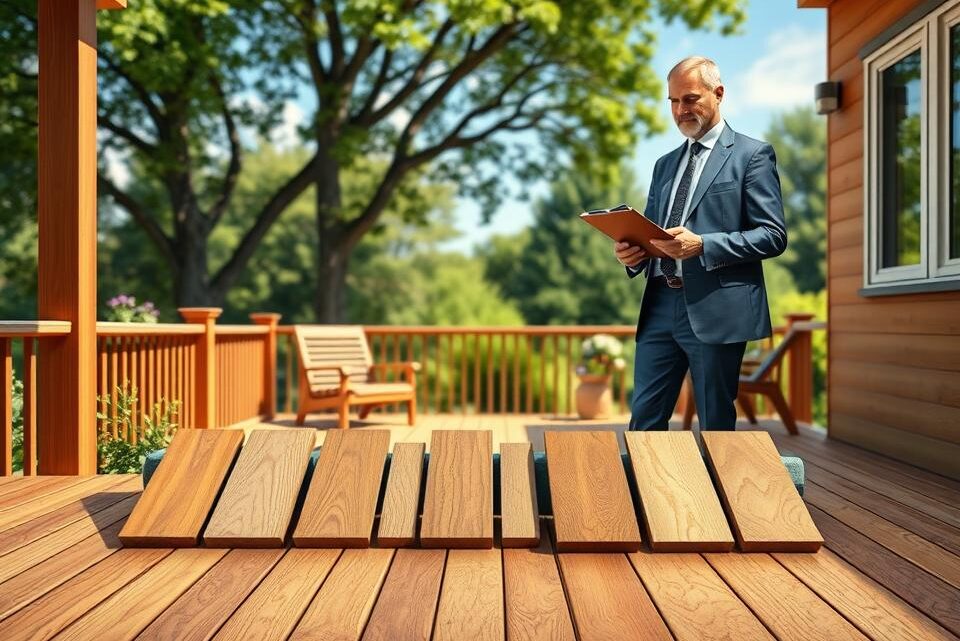
Selecting the perfect wood for your deck or terrace can transform your outdoor living space. Your choice impacts not just aesthetic appeal but long-term durability, maintenance requirements, and overall investment value.
UK homeowners face multiple wooden decking options, each with unique characteristics. From classic European oak to tropical hardwoods and pressure-treated softwoods, understanding the nuanced differences helps you make an informed decision that suits your garden’s specific needs.
This comprehensive guide explores various timber options, considering factors like climate resilience, cost-effectiveness, and environmental sustainability specific to British outdoor environments.
Inhaltsverzeichnis
Key Takeaways
- Understand wood characteristics before selecting decking material
- Consider durability and maintenance requirements
- Evaluate long-term cost implications
- Check environmental certifications
- Match wood type to UK climate conditions
- Balance aesthetic preferences with practical performance
Understanding the Importance of Choosing the Right Decking Wood
Selecting the perfect wood for your deck is more than a simple aesthetic choice. It’s a critical decision that impacts your outdoor space’s durability, maintenance, and long-term value. The right wood can transform your garden into a stunning retreat while ensuring years of reliable performance.
When choosing decking wood, you’ll need to consider several key factors:
- Climate resistance
- Maintenance requirements
- Aesthetic appeal
- Budget constraints
- Environmental sustainability
Different wood types offer unique characteristics that can significantly influence your deck’s performance. Not all timbers are created equal. Some woods naturally resist decay and insects, while others require regular treatment to maintain their integrity.
| Wood Type | Durability Rating | Maintenance Level | Cost Range |
|---|---|---|---|
| European Oak | High | Medium | £50-£100/m² |
| Pressure-Treated Pine | Medium | High | £20-£50/m² |
| Tropical Hardwoods | Very High | Low | £80-£150/m² |
Your local climate, usage patterns, and personal preferences will ultimately guide your wood selection. Invest time in researching and understanding each wood type’s unique properties to make an informed decision.
Hardwood vs Softwood: Key Differences for Outdoor Decking
When planning your perfect garden decking, understanding the fundamental differences between hardwood and softwood becomes crucial. Your choice will significantly impact the deck’s performance, appearance, and long-term value.
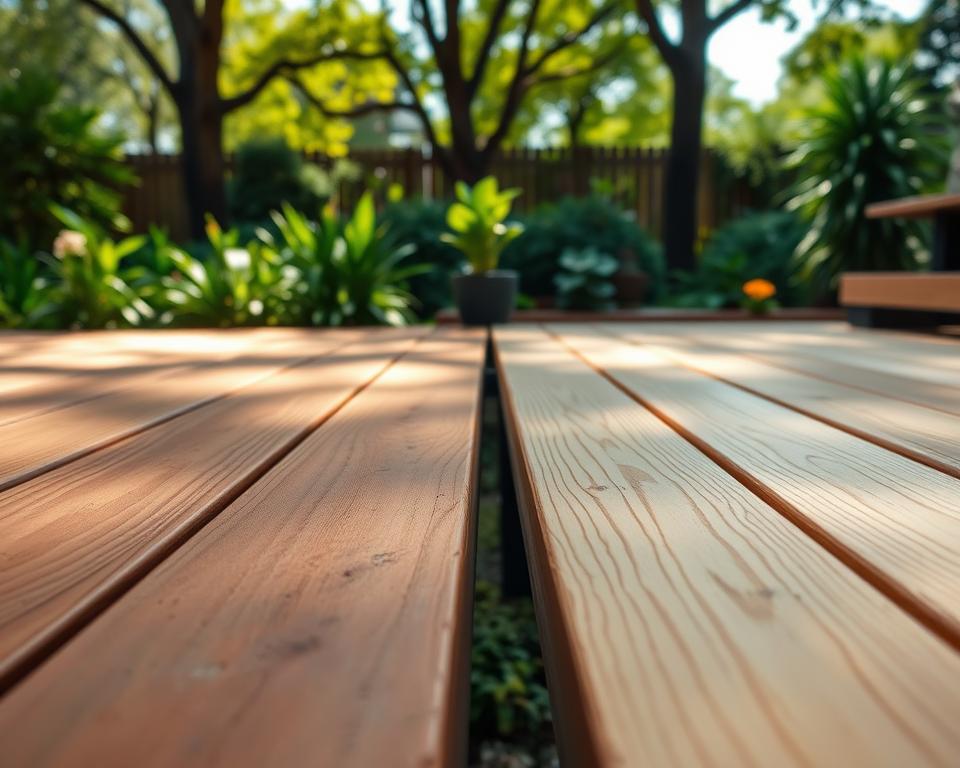
Wood selection for outdoor spaces involves complex considerations beyond simple aesthetics. The right timber can transform your garden while providing durability and aesthetic appeal.
Durability Insights
Hardwoods typically outperform softwoods in durability. Their dense cellular structure provides superior resistance to:
- Weather exposure
- Mechanical damage
- Insect intrusion
- Moisture penetration
Financial Considerations
Your budget plays a critical role in wood selection. While hardwoods demand higher initial investment, their extended lifespan can offset long-term expenses.
| Wood Type | Initial Cost | Estimated Lifespan |
|---|---|---|
| Hardwood | £60-£120/m² | 25-50 years |
| Softwood | £30-£60/m² | 10-20 years |
Maintenance Requirements
Different wood types demand varying maintenance strategies. Proactive care ensures your decking remains beautiful and functional.
“Proper maintenance is the key to extending your deck’s lifespan,” notes UK garden design expert Elizabeth Robinson.
- Hardwoods require minimal treatment
- Softwoods need regular protective coatings
- Annual cleaning prevents degradation
Which Type of Wood Should You Use for Your Deck/Terrace?
Selecting the perfect wood for your deck involves carefully weighing multiple critical factors. Your choice will depend on several key considerations that reflect your unique circumstances and long-term property goals.
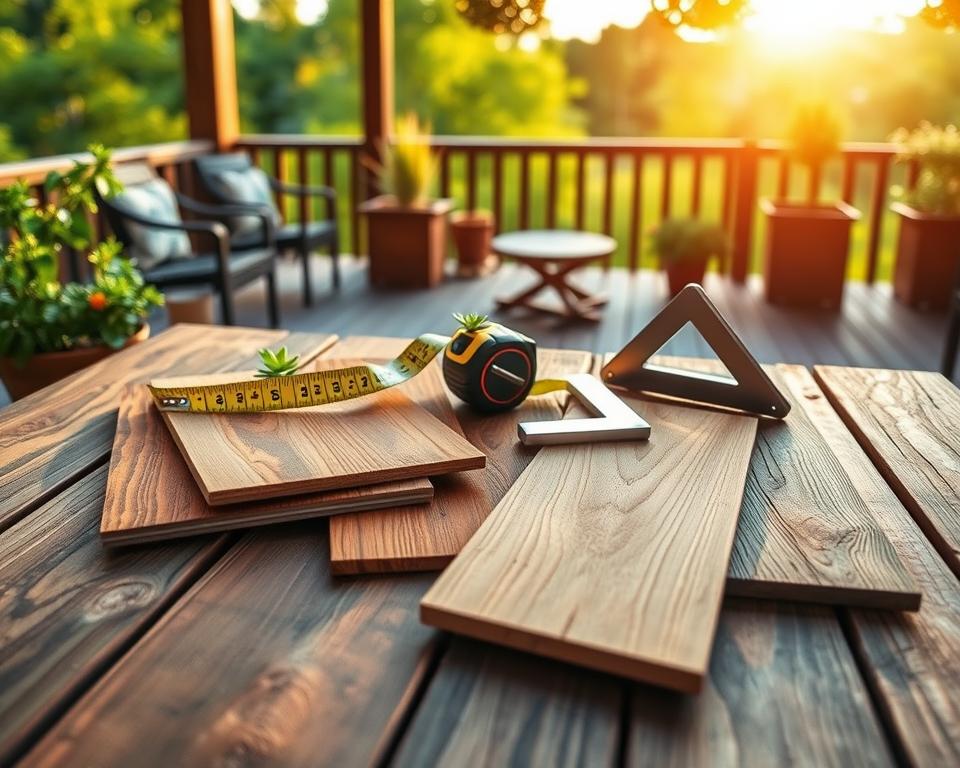
When determining your ideal decking material, consider these essential questions:
- What is your realistic budget for installation and long-term maintenance?
- How long do you plan to remain in your property?
- What level of ongoing maintenance are you prepared to undertake?
- How important is sustainability certification to you?
There’s no universally “correct” answer for wood selection. A young family planning to stay in their home for decades might prioritise different characteristics compared to someone preparing a property for sale or creating a rental investment.
| Property Scenario | Recommended Wood Type | Key Considerations |
|---|---|---|
| Long-term Family Home | European Oak | Durability, Aesthetic Appeal |
| Rental Property | Pressure-Treated Softwood | Cost-Effectiveness, Quick Replacement |
| Contemporary Design | Thermowood | Modern Aesthetics, Low Maintenance |
Your design choices should reflect whether you prioritise traditional British aesthetics or contemporary minimalism. This section provides clarity on matching wood types to specific use cases, helping you narrow your options before exploring detailed species characteristics.
Remember: The right wood choice balances aesthetics, functionality, and your unique property requirements.
European Oak: A Premium Choice for British Gardens
When designing an outdoor deck or terrace, European oak stands out as a sophisticated and robust timber choice for British homeowners. This premium wood offers exceptional qualities that make it particularly suited to the challenging UK climate and garden environments.
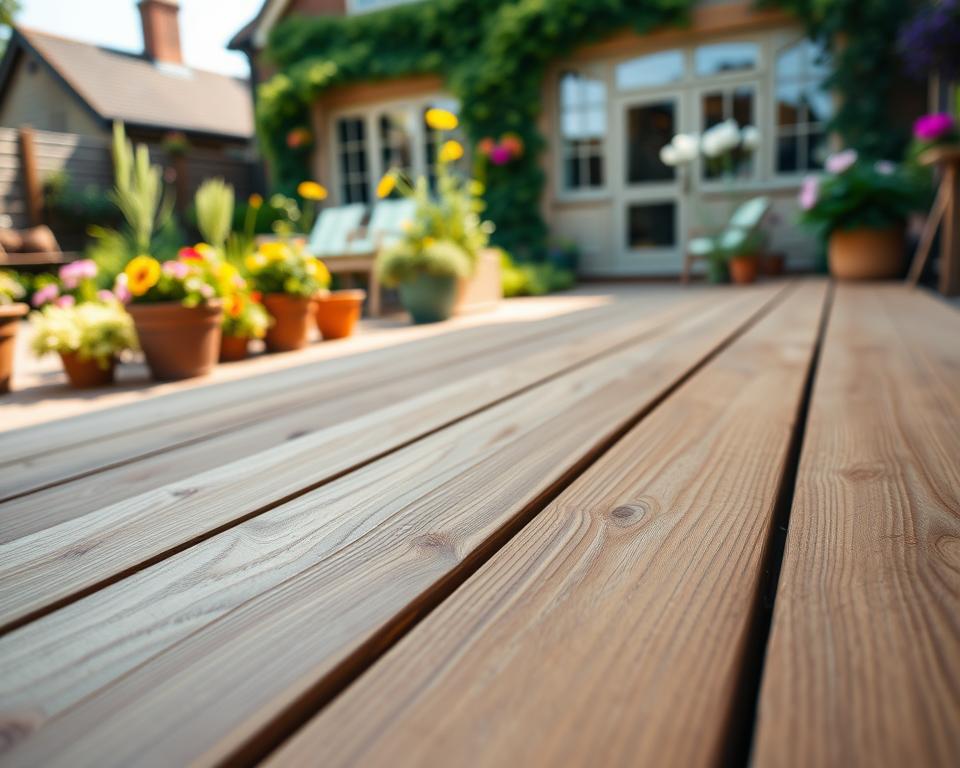
European oak brings a unique blend of natural beauty and exceptional durability to outdoor spaces. Sourced from sustainable European forests, this timber represents an investment in both aesthetic appeal and long-term performance.
Natural Weather Resistance
European oak possesses remarkable inherent properties that protect it against environmental challenges. Its dense cellular structure provides natural resistance to:
- Moisture penetration
- Fungal growth
- Insect infestations
- UV radiation damage
*”Quality timber is an investment in your outdoor living space”* – UK Landscaping Association
Aesthetic Charm and Colour Dynamics
The visual characteristics of European oak make it a standout choice for discerning gardeners. Its natural colour palette ranges from light golden hues to rich amber tones, creating a warm and inviting outdoor atmosphere.
As the wood ages, it develops a beautiful silvery-grey patina, adding character and depth to your garden decking. This natural ageing process ensures your outdoor space maintains an elegant, sophisticated appearance for years to come.
Tropical Hardwoods: Ipe, Cumaru and Massaranduba

When designing an exceptional outdoor deck, tropical hardwoods represent the pinnacle of durability and aesthetic excellence. These premium woods from South American forests offer unparalleled performance for British garden environments.
Tropical hardwoods bring extraordinary characteristics that set them apart from standard decking materials:
- Exceptional resistance to decay
- Extremely dense cellular structure
- Natural protection against insect damage
- Remarkable longevity spanning decades
Let’s explore three remarkable tropical hardwood options:
| Wood Type | Durability Rating | Typical Colour | Average Lifespan |
|---|---|---|---|
| Ipe | Extremely High | Dark Brown | 50+ Years |
| Cumaru | Very High | Golden Brown | 40-50 Years |
| Massaranduba | High | Reddish Brown | 30-40 Years |
Your choice depends on specific aesthetic preferences and budget considerations. Ipe remains the most prestigious option, offering unmatched durability and a rich, deep colour palette.
While tropical hardwoods represent a significant initial investment, their extraordinary performance justifies the cost. You’ll benefit from a deck that maintains its structural integrity and visual appeal for generations.
Pressure-Treated Softwoods: Affordable and Accessible Options
When considering decking materials for your garden or outdoor space, pressure-treated softwoods offer an attractive and budget-friendly solution. These timber options provide homeowners with a practical alternative to more expensive hardwood varieties, making them a popular choice across British gardens.
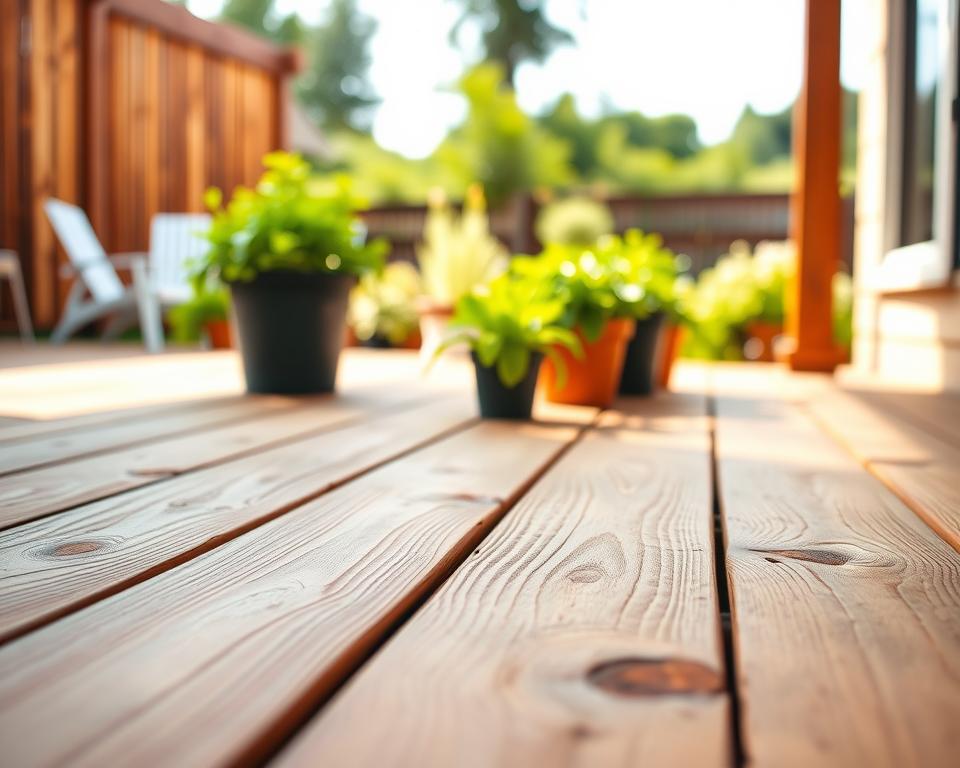
Pressure treatment transforms standard softwoods like pine and spruce into durable outdoor materials. The process involves forcing chemical preservatives deep into the wood’s cellular structure, creating a robust barrier against rot, insects, and environmental degradation.
Chemical Treatment Processes
Modern wood preservation techniques utilise advanced chemical solutions that enhance timber’s natural properties. Typically, these treatments include:
- Copper-based preservatives
- Organic fungicides
- Water-repellent compounds
“Pressure treatment extends wood’s natural lifespan by creating a protective shield against environmental challenges.” – UK Timber Research Institute
Expected Timber Lifespan
Properly maintained pressure-treated softwoods can last between 15-25 years, depending on exposure and care. Regular maintenance, such as annual sealing and cleaning, significantly extends the deck’s durability.
Your choice of pressure-treated softwood depends on specific requirements like budget, aesthetic preferences, and local climate conditions. Consulting with professional timber specialists can help you make an informed decision tailored to your unique outdoor space.
Thermowood and Modified Timber: Modern Alternatives
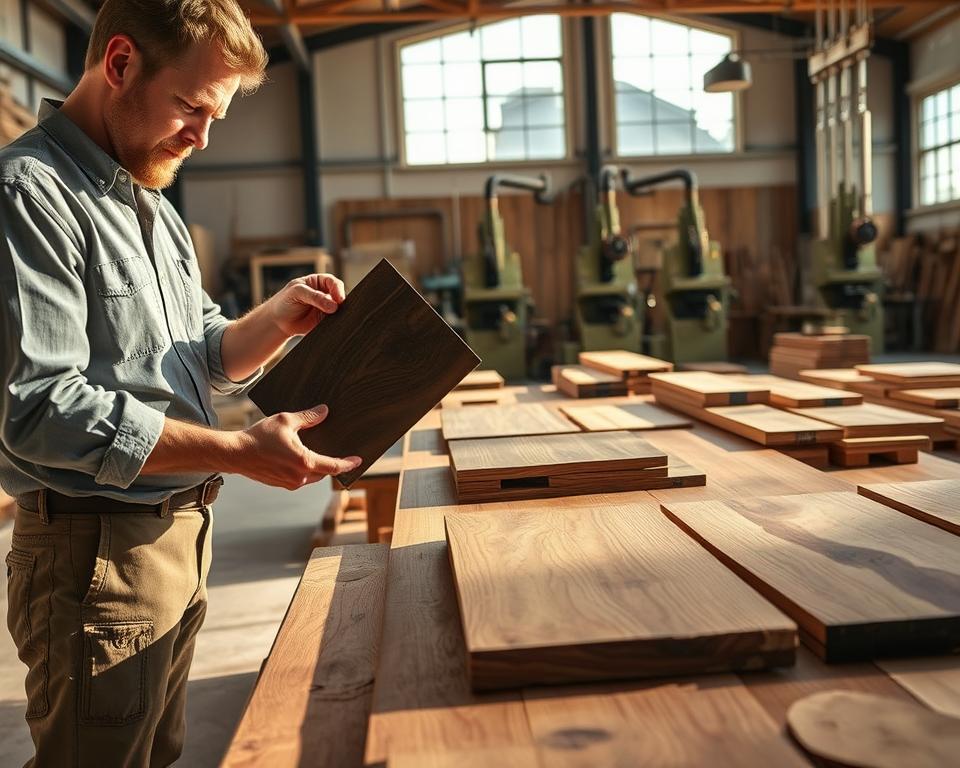
Modern timber technologies are revolutionising decking solutions across the UK market. Thermowood and acetylated timber represent cutting-edge alternatives that address many traditional wood challenges. These innovative materials offer significant advantages for homeowners seeking high-performance decking options.
The key benefits of modified timber include:
- No chemical preservatives used in treatment processes
- Improved performance of otherwise less-durable wood species
- Reduced maintenance requirements compared to untreated softwoods
- Lighter weight than tropical hardwoods whilst maintaining good durability
Thermowood presents unique characteristics that make it attractive for British gardens. The heat treatment process fundamentally alters wood’s cellular structure, enhancing its resistance to moisture and biological degradation. You’ll appreciate its natural appearance and sustainable approach to wood enhancement.
Careful consideration is necessary when selecting these modern alternatives. The slightly brittle nature of thermowood requires precise handling during installation. Premium pricing of acetylated products might initially seem steep, but long-term benefits often justify the investment.
While availability remains limited in the UK market, these modern timber solutions are gaining popularity. They represent an intelligent choice for discerning homeowners seeking sustainable, low-maintenance decking materials that combine performance with aesthetic appeal.
Sustainability and Environmental Impact of Decking Choices
Selecting decking materials goes beyond aesthetics and durability. Your environmental footprint plays a crucial role in making responsible choices for garden landscaping. Understanding the sustainability of timber sources helps reduce ecological impact while creating beautiful outdoor spaces.
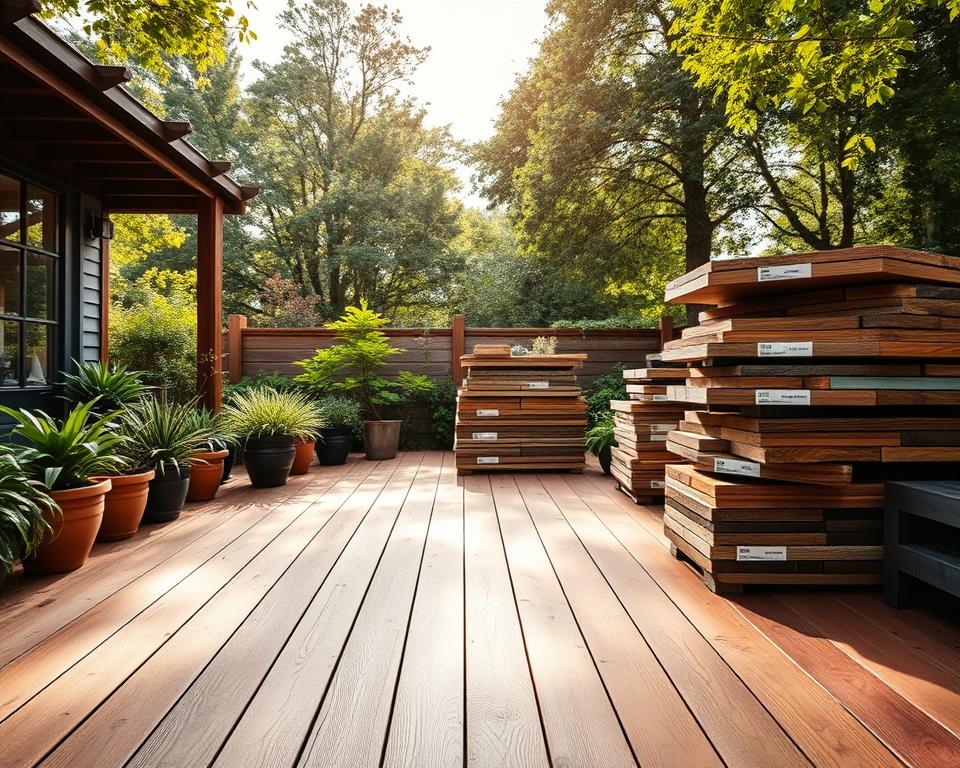
Timber sustainability involves complex considerations that protect forest ecosystems and support responsible woodland management. Consumers increasingly seek environmentally conscious solutions that balance aesthetic requirements with ecological preservation.
Certification Standards for Responsible Forestry
Two primary certification systems ensure timber sustainability:
- Forest Stewardship Council (FSC) certification
- Programme for the Endorsement of Forest Certification (PEFC)
These organisations verify timber harvesting practices meet strict environmental and social standards. When purchasing decking materials, look for their certification marks to guarantee responsible sourcing.
Carbon Footprint Comparison
Local timber typically presents a lower carbon footprint compared to imported alternatives. Transportation distances significantly impact overall environmental cost.
| Timber Source | Transport Distance | Carbon Emissions |
|---|---|---|
| UK Native Oak | 100-300 miles | Low |
| Tropical Hardwood | 5000-8000 miles | High |
Prioritising locally sourced timber reduces transportation emissions while supporting British forestry industries. Your decking choice can contribute to broader environmental sustainability efforts.
Climate Considerations for the UK Market
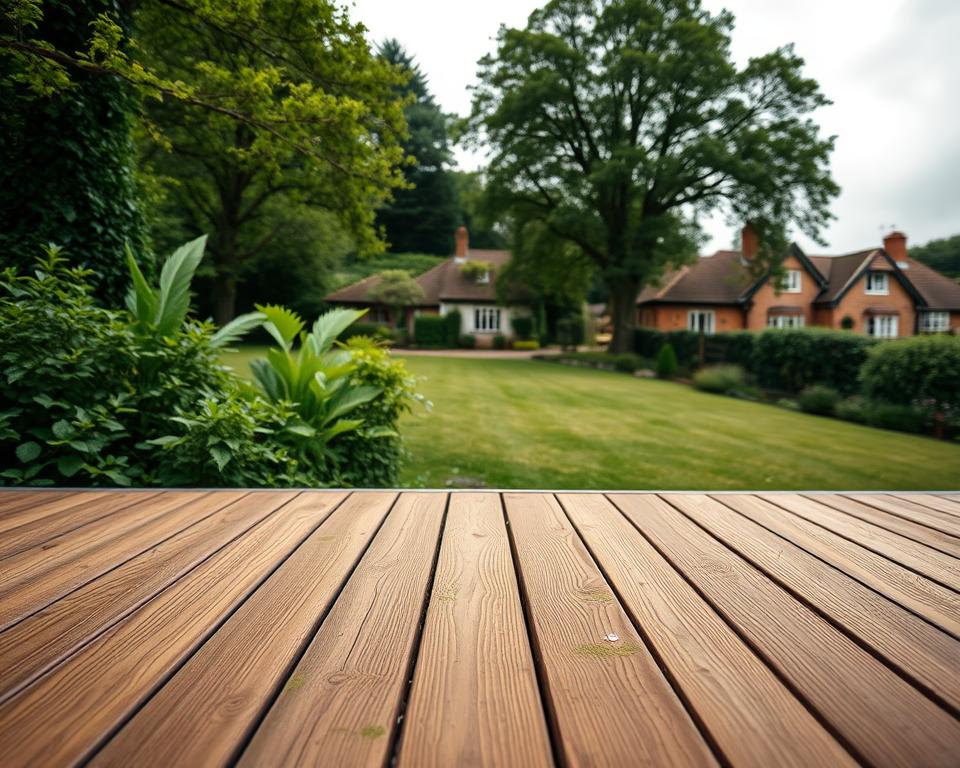
Selecting the right timber for your deck requires careful consideration of the United Kingdom’s unique climatic challenges. European oak and sweet chestnut demonstrate remarkable resilience, having evolved within the British landscape’s distinctive weather patterns.
Different regions across the UK present varied environmental conditions that significantly impact wood performance. Coastal areas experience higher salt exposure and humidity, while northern regions endure more extreme temperature fluctuations.
The success of your decking project hinges on understanding local microclimate nuances.
Tropical hardwoods prove almost impervious to UK weather challenges, offering exceptional durability. These woods naturally resist moisture, fungal growth, and temperature variations better than basic untreated softwoods.
- Coastal regions require highly resistant timber
- Northern areas need woods with temperature flexibility
- Urban environments have different weathering characteristics
When selecting decking materials, consider your specific location’s unique environmental conditions. Untreated softwoods struggle without proper protection, making them less suitable for challenging British garden environments.
| Region | Recommended Wood Type | Weather Resistance |
|---|---|---|
| Coastal Areas | Tropical Hardwoods | High |
| Northern UK | European Oak | Moderate to High |
| Urban Environments | Modified Timber | High |
Your timber selection should align with local climate patterns, ensuring long-lasting performance and minimising maintenance requirements. Professional guidance can help you navigate these complex considerations effectively.
Comparing Lifecycle Costs: Initial Investment vs Long-Term Value
When selecting decking materials, understanding the total cost of ownership goes far beyond the initial purchase price. Your decking investment involves complex financial considerations that span decades of potential use.
A 20m² deck using pressure-treated softwood (£800 materials) requires replacement after 15 years, costing £1,600 in materials alone over 30 years. In contrast, European oak (£2,200 materials) lasting 40+ years avoids replacement costs, while tropical hardwood (£3,000 materials) lasting 50+ years presents an even more durable solution.
Maintenance Expenses Over Time
Different timber types incur varying maintenance expenses throughout their lifecycle:
- Pressure-treated softwood: £150-250 annual cleaning and treatment
- European oak: £100-150 periodic oiling to maintain colour
- Tropical hardwoods: £50-80 minimal cleaning intervention
Replacement Frequency and Total Cost of Ownership
| Timber Type | Initial Cost | 30-Year Maintenance | Replacement Cost | Total 30-Year Investment |
|---|---|---|---|---|
| Pressure-Treated Softwood | £800 | £4,500-7,500 | £1,600 | £6,900-9,900 |
| European Oak | £2,200 | £3,000-4,500 | £0 | £5,200-6,700 |
| Tropical Hardwood | £3,000 | £1,500-2,400 | £0 | £4,500-5,400 |
Premium hardwoods often deliver superior long-term value despite higher initial investments. Your decking choice should align with your budget, property intentions, and desired lifecycle performance.
Conclusion
Selecting the ideal decking material involves balancing multiple critical factors. Your initial budget constraints, expected property tenure, and maintenance capacity will significantly influence your ultimate choice. Each timber option—from pressure-treated softwoods to premium European oak—offers unique advantages tailored to different environmental values and performance requirements.
No single wood emerges as universally perfect. Pressure-treated softwoods provide budget-friendly solutions for shorter-term projects, while European oak delivers exceptional quality with genuine British heritage. Tropical hardwoods represent an investment for lifetime installations, and modified timbers present innovative middle-ground alternatives that bridge performance and affordability.
Your decision-making process should include practical steps: request material samples, consult experienced local installers, verify sustainability certifications, and calculate comprehensive lifecycle costs. Quality installation and consistent maintenance remain paramount, potentially influencing your deck’s performance as much as the timber selection itself.
By considering the comprehensive insights presented in this guide, you’ll be empowered to create an outdoor living space that combines aesthetic preferences, durability, and long-term value. Your carefully chosen deck will transform your garden into a cherished environment, providing years of enjoyment and enhancing your property’s overall appeal.
FAQ
What is the most durable wood for decking in the UK climate?
European Oak and Ipe are considered the most durable wood options for decking in the UK. European Oak offers exceptional natural resistance to weathering, while tropical hardwoods like Ipe provide outstanding durability and can last up to 50 years with proper maintenance.
How do I choose between hardwood and softwood for my deck?
Consider your budget, maintenance capabilities, and aesthetic preferences. Hardwoods like Oak are more expensive but last longer and require less maintenance. Softwoods such as pressure-treated pine are more affordable but need more frequent treatment and have a shorter lifespan.
What are the environmental considerations when selecting decking timber?
Look for FSC (Forest Stewardship Council) or PEFC (Programme for the Endorsement of Forest Certification) certified timber. These certifications ensure sustainable forestry practices, reducing the environmental impact of your decking project.
How often should I maintain my wooden deck?
Maintenance frequency depends on the wood type. Hardwoods like European Oak require minimal maintenance, typically an annual clean and oil treatment. Softwoods need more frequent care, including annual cleaning, staining, and potentially resealing every 2-3 years.
Are tropical hardwoods a good choice for British gardens?
Tropical hardwoods like Ipe, Cumaru, and Massaranduba offer exceptional durability and resistance to moisture. However, they are more expensive and have a higher carbon footprint due to transportation. Consider local alternatives when possible.
What are the benefits of thermowood for decking?
Thermowood offers enhanced durability through a heat treatment process that increases natural resistance to rot, decay, and moisture. It provides a more sustainable alternative to chemically treated timber and maintains excellent dimensional stability.
How do climate considerations affect my decking wood choice?
In the UK’s variable climate, choose woods with good moisture resistance and stability. European Oak and modified timbers perform well in damp conditions, while tropical hardwoods offer excellent weather resistance and minimal expansion/contraction.
What is the most cost-effective decking option?
Pressure-treated softwoods are the most budget-friendly initial investment. However, consider the long-term costs. Hardwoods like European Oak may have a higher upfront cost but offer longer lifespan and lower maintenance expenses over time.
Can I install the deck myself, or should I hire a professional?
Your choice depends on your DIY skills and the complexity of the project. Simple designs with pressure-treated timber can be a DIY project. However, for more complex installations or premium woods like Ipe, professional installation is recommended to ensure proper technique and longevity.
How do I protect my wooden deck from UK weather conditions?
Use appropriate sealants, perform regular cleaning, and apply protective oils annually. Choose woods with natural weather resistance like European Oak or use modified timbers. Ensure proper drainage and avoid direct ground contact to prevent moisture damage.