What is the best watering system for a garden?
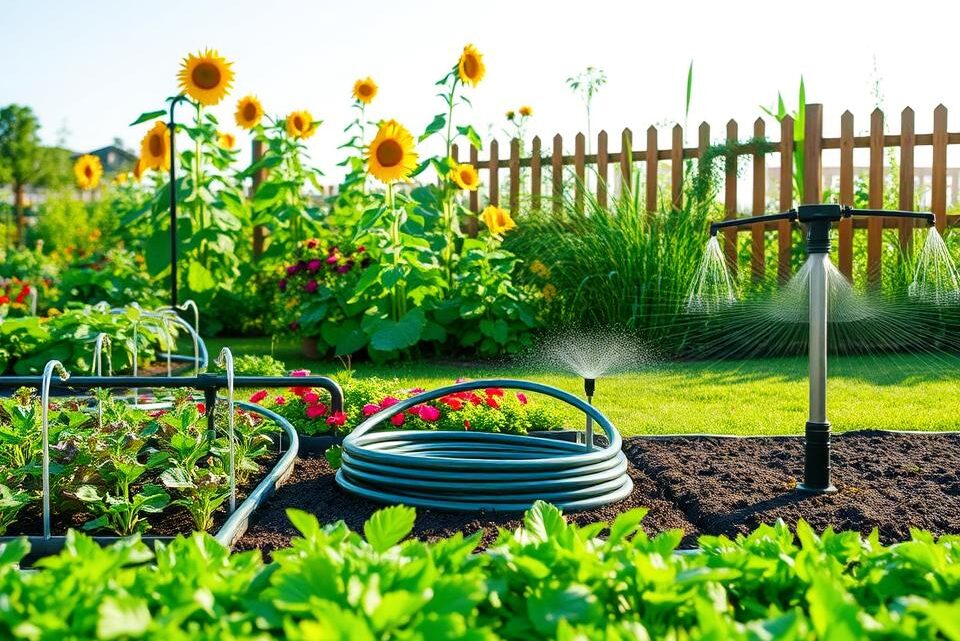
Selecting the optimal garden watering systems can transform your gardening experience. UK gardeners understand the challenges of maintaining lush landscapes with unpredictable weather patterns. The best irrigation system is not a one-size-fits-all solution but a tailored approach matching your unique garden needs.
Every garden presents distinct requirements for water management. Garden irrigation solutions range from traditional methods to advanced technological approaches. Your choice depends on multiple factors including garden size, plant varieties, budget, and water conservation goals.
Modern gardeners seek efficient watering techniques that balance plant health with environmental responsibility. Whether you manage a small urban garden or a sprawling countryside landscape, understanding different irrigation options is crucial for sustainable gardening success.
Inhaltsverzeichnis
Key Takeaways
- Garden watering systems vary based on individual garden requirements
- Water efficiency is paramount in modern gardening practices
- No single irrigation method suits every garden landscape
- Technology enables smarter water management strategies
- Professional assessment helps select the most suitable system
Understanding Your Garden’s Watering Needs
Successful garden water management starts with understanding the unique characteristics of your outdoor space. Before selecting any irrigation system, you’ll need to conduct a comprehensive assessment of your garden’s specific watering requirements.
Effective garden water management begins with a detailed soil assessment. Different soil types dramatically impact how water is absorbed and retained, directly influencing your watering strategy.
Assessing Soil Type and Drainage
Your garden’s soil composition plays a crucial role in determining watering needs. Here’s a quick breakdown of soil types:
- Clay soils: Retain moisture longer, requiring less frequent watering
- Sandy soils: Drain quickly, needing more frequent water application
- Loamy soils: Ideal balance of water retention and drainage
To perform a simple soil assessment, conduct a drainage test by digging a small hole and observing how quickly water disappears. This will help you understand your garden’s water absorption capabilities.
Considering Plant Varieties and Their Requirements
Different plants have unique watering requirements. Grouping plants with similar water needs can significantly improve your garden water management.
| Plant Type | Water Requirement | Recommended Watering Frequency |
|---|---|---|
| Succulents | Low | Every 2-3 weeks |
| Vegetables | High | 2-3 times per week |
| Native Perennials | Moderate | Weekly |
Evaluating Garden Size and Layout
Your garden’s physical characteristics significantly impact watering system selection. Consider factors such as:
- Total garden area
- Sun exposure
- Existing landscape features
- Water pressure availability
“Know your garden, and you’ll master its watering needs.” – Garden Wisdom
By carefully assessing your garden’s unique characteristics, you’ll develop a targeted watering strategy that promotes healthy plant growth while conserving water resources.
Traditional Watering Methods: Pros and Cons
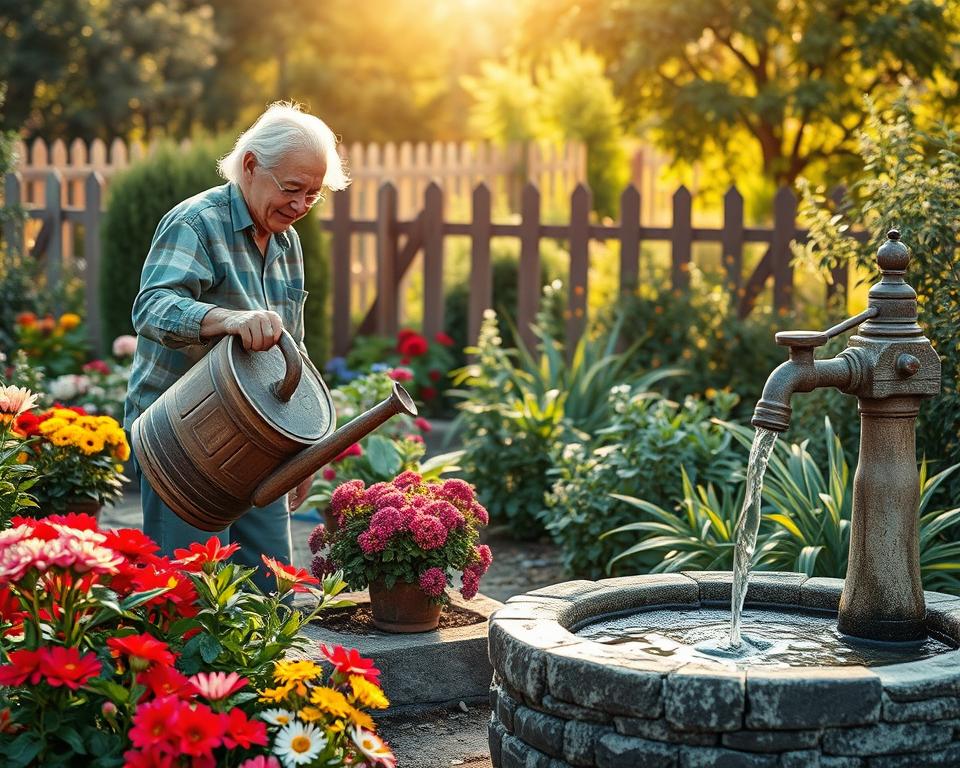
When it comes to garden maintenance, traditional watering methods remain a popular choice for many UK gardeners. Manual watering techniques offer simplicity and direct control over your garden’s hydration needs. These traditional irrigation approaches include handheld hoses, watering cans, and classic sprinklers.
- Low initial cost compared to sophisticated irrigation systems
- Complete control over water application
- No complex installation requirements
- Ideal for small gardens and container plants
- Allows personal interaction with your garden
Despite their apparent simplicity, traditional watering methods come with significant challenges. These manual techniques can be remarkably time-consuming and physically demanding, especially for larger garden spaces.
“Gardening is about picking the right tools for your specific landscape needs.” – Royal Horticultural Society
The most substantial drawbacks of traditional watering methods include:
- Inconsistent water distribution
- High water wastage through evaporation
- Potential for over or under-watering plants
- Limited effectiveness during extended absences
- Increased risk during seasonal hosepipe restrictions
For UK gardeners managing small spaces or specific high-value plants, these manual watering methods can still prove invaluable. Your choice depends on garden size, plant varieties, and personal time availability.
Drip Irrigation Systems: Efficient and Targeted Watering
Water-saving irrigation has revolutionised garden maintenance, with drip irrigation emerging as a standout solution for gardeners seeking precision and efficiency. This innovative watering method transforms how plants receive essential moisture, offering a smart approach to nurturing your green spaces.
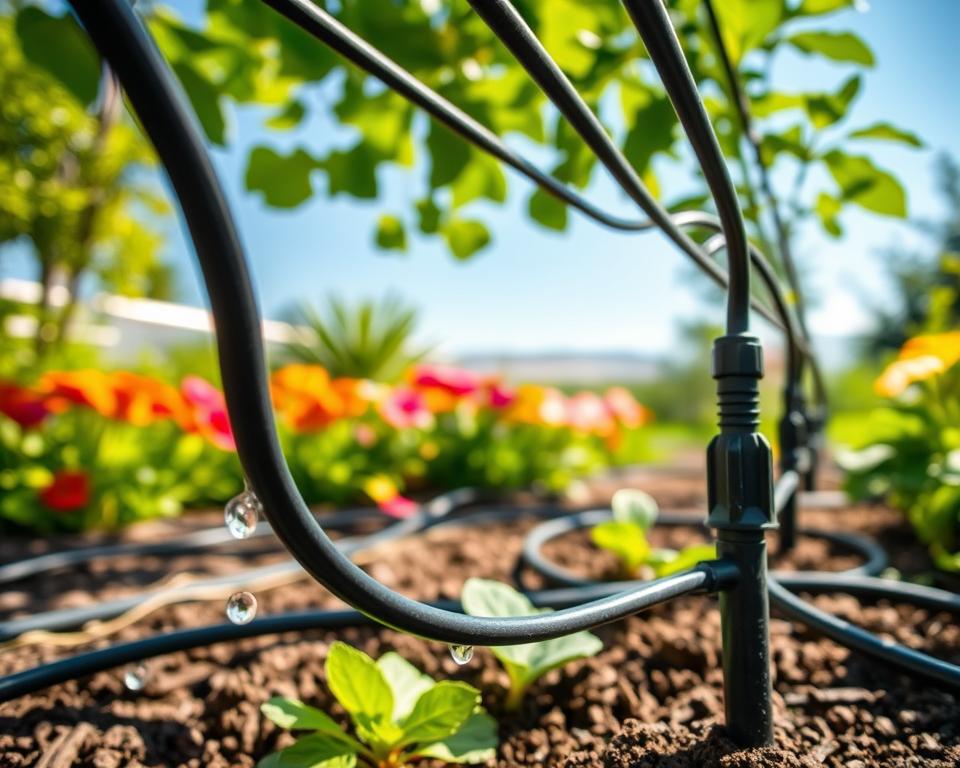
Drip irrigation represents a breakthrough in efficient watering techniques. The system delivers water directly to plant roots through a network of specialised tubes and emitters, minimising waste and maximising plant health.
How Drip Irrigation Works
The core principle of drip irrigation is simple yet brilliant. Narrow tubes with tiny holes or emitters distribute water slowly and precisely, ensuring:
- Direct water delivery to plant roots
- Minimal evaporation
- Reduced water consumption
- Targeted moisture distribution
Benefits of Drip Systems for Water Conservation
By implementing a drip irrigation system, you can achieve remarkable water conservation. Compared to traditional sprinkler methods, drip systems can save up to 90% water, making them an environmentally friendly choice for modern gardeners.
Installation and Maintenance Considerations
Setting up a drip irrigation system requires careful planning. Consider these key factors:
- Garden layout and plant spacing
- Water pressure requirements
- Seasonal maintenance needs
- Budget and long-term investment
While initial setup might seem complex, the long-term benefits of drip irrigation far outweigh the initial investment. Your garden will thrive with consistent, efficient watering that supports plant growth while conserving precious water resources.
Soaker Hoses: A Budget-Friendly Alternative
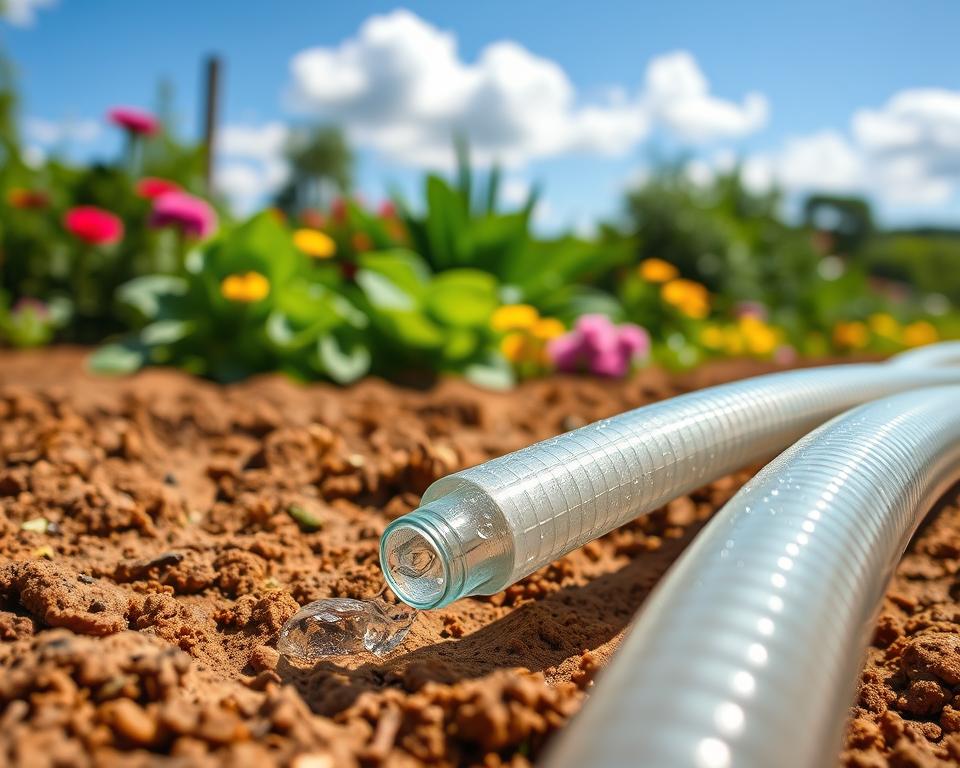
Gardeners seeking an affordable irrigation solution will find soaker hoses an excellent budget irrigation option. These permeable hose systems offer a simple, cost-effective approach to keeping your garden hydrated without breaking the bank.
Soaker hoses work through a unique design that allows water to seep slowly and evenly along their entire length. The porous material releases moisture directly into the soil, ensuring plants receive consistent hydration with minimal waste.
- Ideal for vegetable gardens and flower beds
- Reduces water consumption by 50% compared to traditional watering
- Easy to install and manage
- Compatible with most garden layouts
When selecting soaker hoses, consider these key factors:
| Factor | Recommendation |
|---|---|
| Length | 15-30 metres per garden zone |
| Water Pressure | Low to medium pressure works best |
| Terrain | Works well on flat or gently sloped gardens |
Maintenance is straightforward with soaker hoses. Store them indoors during winter to prevent frost damage and inspect periodically for blockages. Your garden will thank you for this simple yet effective watering method!
Pro tip: Connect your soaker hose to a timer for truly hands-free irrigation.
Sprinkler Systems: Coverage and Convenience
Sprinkler systems offer a robust solution for automatic watering across large garden spaces, particularly for lawn irrigation. These versatile systems provide comprehensive water distribution with minimal effort from gardeners.
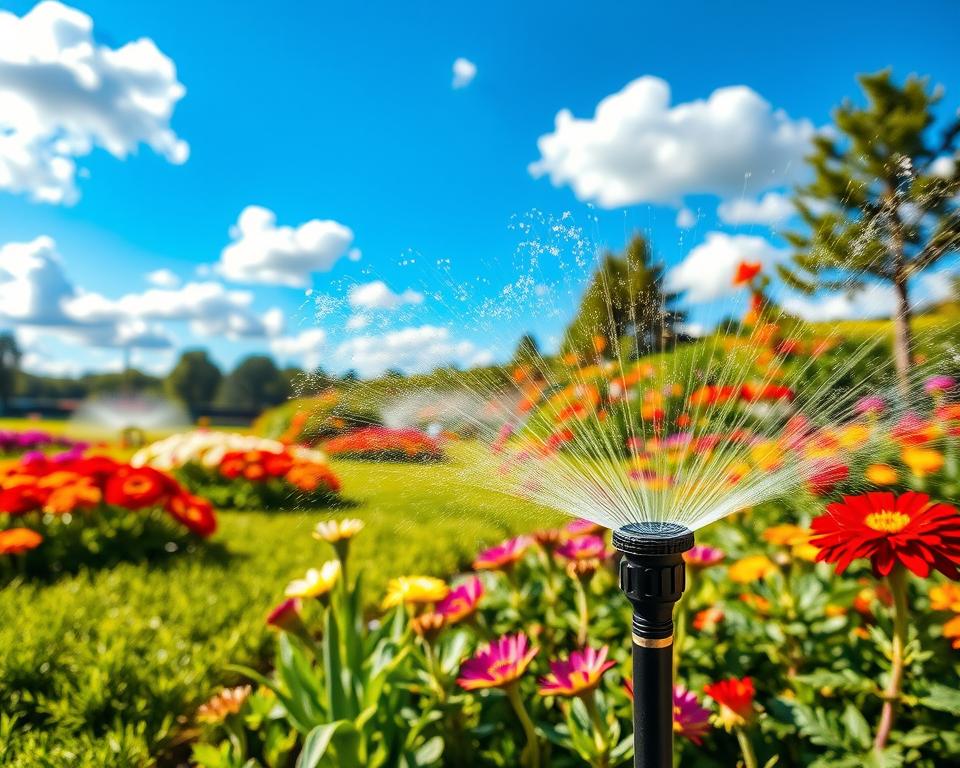
Your garden’s unique characteristics will determine the most suitable sprinkler system. Understanding the different types can help you make an informed decision about lawn irrigation.
Types of Sprinkler Systems
Modern sprinkler systems come in various configurations to suit different garden layouts:
- Oscillating sprinklers: Ideal for rectangular garden spaces
- Rotary sprinklers: Perfect for circular coverage areas
- Pop-up systems: Discrete in-ground installations
- Impact sprinklers: Robust and long-range water distribution
- Fixed spray heads: Consistent water pattern for uniform coverage
Best Applications for Sprinkler Irrigation
Automatic watering through sprinkler systems excels in specific scenarios:
- Large lawn areas requiring uniform moisture
- Newly seeded grass needing consistent hydration
- Gardens with broad, open spaces
“The right sprinkler system transforms garden maintenance from a chore to a seamless experience.”
When selecting sprinkler systems, consider water pressure, garden shape, and local water regulations. UK gardeners must be mindful of potential hosepipe restrictions and water efficiency.
While sprinkler systems offer convenience, they typically operate at 60-70% water efficiency. Strategic placement and modern controllers can help mitigate water waste and ensure optimal lawn irrigation.
Smart Irrigation Controllers: Technology Meets Gardening
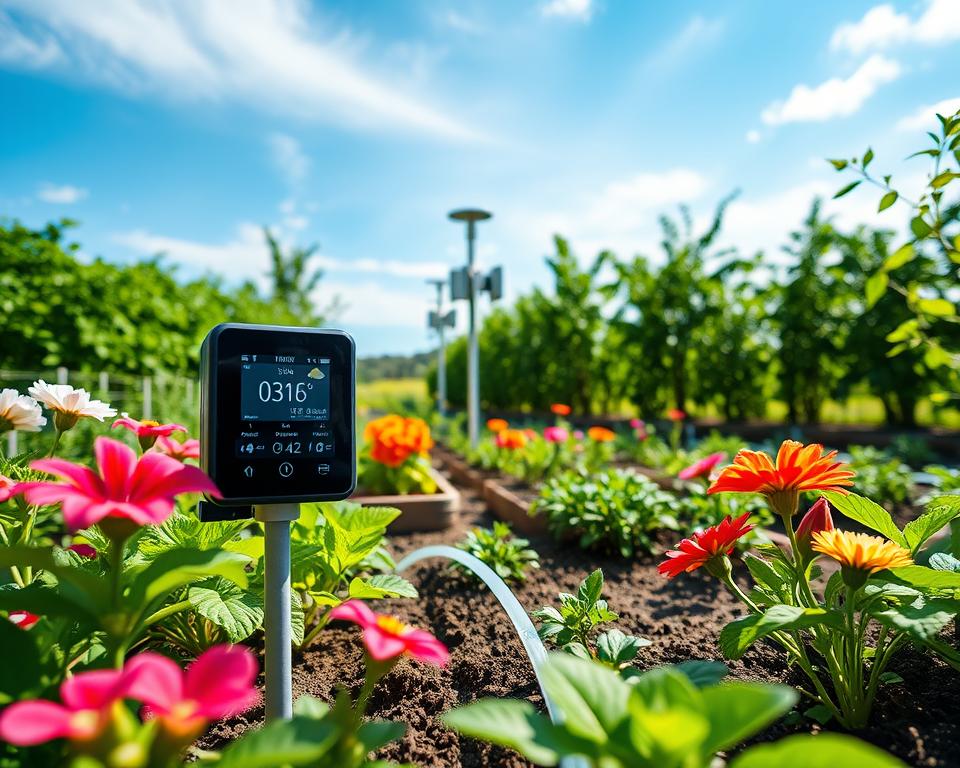
Modern gardening is transforming with smart irrigation technology, offering gardeners unprecedented control over their watering systems. Automated watering systems have revolutionised how we maintain gardens, bringing precision and efficiency to every drop of water.
Smart irrigation controllers are sophisticated devices that transform traditional garden watering methods. These intelligent systems use advanced sensors and Wi-Fi connectivity to create personalised watering schedules tailored to your specific garden’s needs.
- Weather-responsive programming
- Smartphone app management
- Zone-based scheduling
- Water consumption tracking
The benefits of these irrigation technology solutions extend beyond convenience. They help UK gardeners:
- Reduce water waste
- Optimise plant health
- Comply with local water restrictions
- Save money on utility bills
Investing in a smart irrigation controller typically ranges from £100 to £300, with potential long-term savings through intelligent water management.
“Smart irrigation is not just a technology, it’s a sustainable gardening solution” – Garden Technology Expert
| Feature | Benefit |
|---|---|
| Weather Tracking | Automatic adjustment based on rainfall |
| Soil Moisture Sensors | Precise watering according to plant needs |
| Remote Control | Manage irrigation from smartphone |
Embrace the future of gardening with smart irrigation – where technology meets nature’s delicate balance.
What is the Best Watering System for a Garden?
Selecting the best irrigation system requires careful evaluation of your garden’s unique characteristics. Your choice can significantly impact water conservation, plant health, and long-term gardening success.
Comparing Costs and Long-Term Value
When assessing the best irrigation system, understanding the watering system cost becomes crucial. Different systems offer varied economic benefits depending on your specific garden requirements.
| Irrigation System | Initial Cost | Annual Maintenance | Water Savings |
|---|---|---|---|
| Drip Irrigation | £150-£300 | £50-£100 | 30-50% |
| Sprinkler System | £300-£600 | £100-£200 | 20-40% |
| Soaker Hoses | £50-£150 | £25-£75 | 25-45% |
Matching Systems to Garden Types
Your irrigation comparison should consider garden size, plant varieties, and specific watering needs.
- Small Urban Gardens: Drip systems or soaker hoses work best
- Large Lawns: Sprinkler systems with smart controllers
- Vegetable Gardens: Targeted drip irrigation recommended
- Mixed Borders: Combination approach suggested
Ultimately, the best irrigation system balances efficiency, cost-effectiveness, and your garden’s specific requirements.
Water Conservation and Environmental Impact
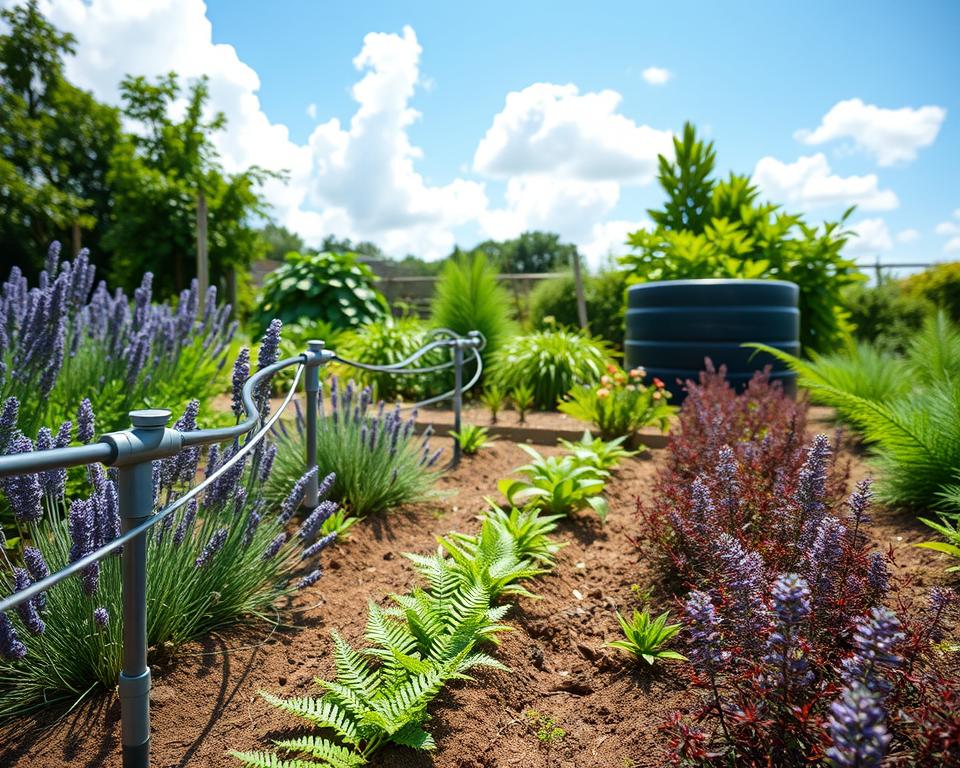
Water conservation has become a critical concern for sustainable gardening in the United Kingdom. Your garden’s irrigation system plays a crucial role in minimising environmental impact and promoting water efficiency.
Different watering methods significantly affect water consumption. Let’s explore the efficiency rates of various irrigation approaches:
- Drip irrigation: 85-90% water efficiency
- Soaker hoses: 80-85% water efficiency
- Sprinkler systems: 60-70% water efficiency
- Manual watering: 50-60% water efficiency
UK gardens face increasing water stress, particularly in Southeast England, where hosepipe bans are becoming more frequent. Choosing an efficient water conservation strategy can make a substantial difference.
“Every drop saved is a step towards sustainable gardening.”
Rainwater harvesting offers an excellent solution for reducing mains water dependency. By collecting rainwater, you can create a self-sustaining irrigation network that supports UK gardens’ water efficiency goals.
| Irrigation Strategy | Water Savings | Environmental Impact |
|---|---|---|
| Drip Irrigation | Up to 90% | Minimal soil erosion |
| Rainwater Harvesting | 100% independent | Zero mains water use |
| Mulching | 30-50% | Improved soil health |
By implementing these water conservation techniques, you not only reduce water consumption but also support broader environmental sustainability in your garden.
Installation Tips and Common Mistakes to Avoid
Navigating the world of irrigation installation can be challenging for many gardeners. Whether you’re considering DIY irrigation or professional installation, understanding the key aspects of setting up a watering system is crucial for maintaining a healthy garden.
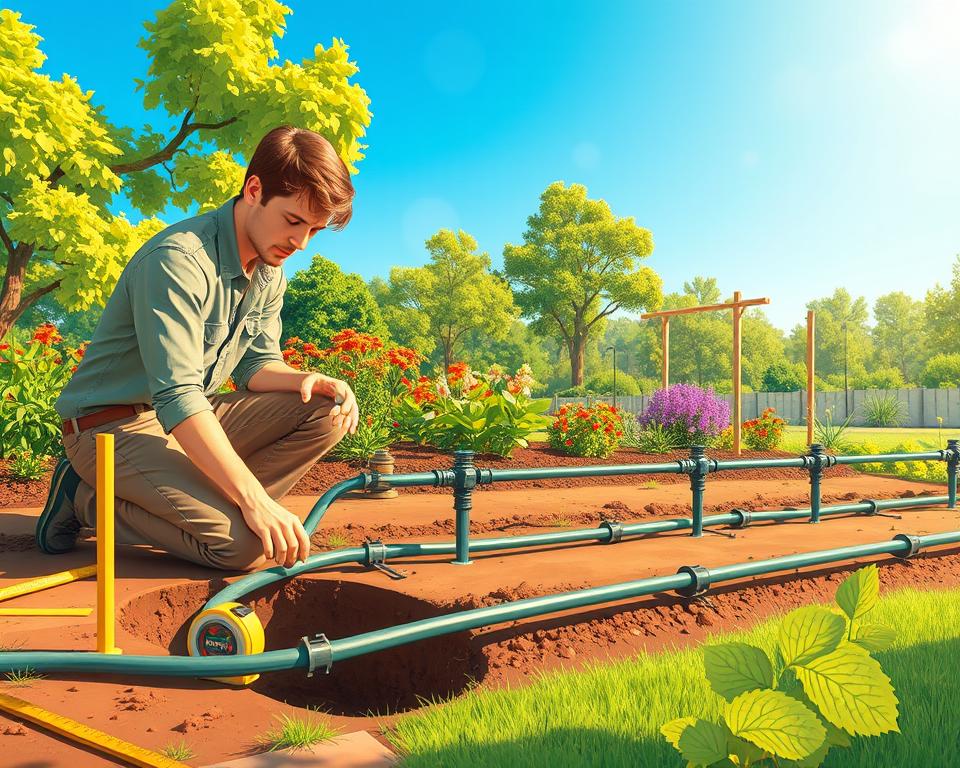
Choosing between a DIY irrigation project and professional installation depends on several critical factors. Not all watering systems are created equal, and your garden’s unique characteristics will guide your decision.
DIY Installation Considerations
For those comfortable with basic home improvement tasks, some irrigation systems are perfect for DIY enthusiasts. Here are key points to consider:
- Soaker hoses and simple drip systems are typically manageable for confident DIYers
- Basic tools and careful planning are essential for successful DIY irrigation
- Understanding your garden’s layout and water requirements is crucial
Professional Installation Advantages
Professional irrigation installation offers significant benefits for complex garden layouts. Consider professional help when:
- Your garden has intricate landscaping
- You need multi-zone irrigation systems
- Warranty and expert design are priorities
| System Type | DIY Difficulty | Recommended Approach |
|---|---|---|
| Soaker Hoses | Easy | DIY Installation |
| Drip Irrigation | Moderate | DIY or Professional |
| In-Ground Sprinklers | Complex | Professional Installation |
Troubleshooting Common Issues
Even with careful installation, irrigation systems can encounter problems. Learn to diagnose and resolve common issues to keep your garden thriving:
- Check for uneven water distribution
- Clean clogged emitters regularly
- Monitor system pressure
- Inspect connections for potential leaks
By understanding the nuances of irrigation installation, you’ll be well-equipped to create an efficient watering system that supports your garden’s health and beauty.
Seasonal Adjustments and System Optimisation
Mastering garden water management requires understanding how your watering system adapts to changing seasonal conditions. Efficient watering isn’t a one-size-fits-all approach but a dynamic strategy that responds to your garden’s evolving needs.
Different seasons demand unique watering techniques. In spring, gradually increase water as plants emerge from dormancy. Check soil moisture and monitor newly planted specimens carefully. Seasonal watering becomes crucial during this delicate growth period.
- Spring: Gentle, increasing water volumes
- Summer: Frequent, strategic watering
- Autumn: Reducing water gradually
- Winter: Minimal maintenance watering
Summer presents the most challenging garden water management period. Focus on early morning watering to minimise evaporation. Vegetables and container plants require more frequent hydration during hot periods.
| Season | Watering Strategy | Key Considerations |
|---|---|---|
| Spring | Gradual increase | Monitor new growth, adjust for rainfall |
| Summer | Frequent, early morning | High evaporation, peak plant growth |
| Autumn | Reduce watering | Prepare for plant dormancy |
| Winter | Minimal watering | Prevent frost damage, drain systems |
Autumn signals a time to reduce watering as plant growth slows. Prevent fungal issues by avoiding excess moisture. Winter requires minimal intervention – focus on protecting your irrigation system from frost and preparing for the next growing season.
Smart irrigation controllers can automate many of these seasonal adjustments, but manual systems need careful management. Always prioritise understanding your garden’s unique microclimate and specific plant requirements.
Conclusion
Choosing the best irrigation solution for your garden requires careful consideration of multiple factors. Your specific garden conditions, plant varieties, and environmental context will determine the most effective watering approach. From drip irrigation’s precision to sprinkler systems’ broad coverage, each method offers unique advantages for UK gardeners.
Water conservation remains a critical aspect of modern gardening practices. By investing in appropriate garden watering systems, you can reduce water waste, support plant health, and create a more sustainable outdoor space. The right irrigation strategy not only saves resources but also minimises maintenance time and enhances your garden’s overall resilience.
Your garden’s success depends on understanding its unique characteristics. Consider soil type, plant requirements, and space layout when selecting an irrigation method. Whether you opt for a budget-friendly soaker hose or a sophisticated smart controller, prioritise systems that match your specific gardening needs and environmental conditions.
Take the next step by assessing your garden’s precise watering requirements. Consult local gardening experts, explore different irrigation technologies, and invest in a solution that promotes healthy plant growth while supporting responsible water management. Your garden will thrive with a thoughtful, tailored approach to irrigation.
FAQ
What is the most water-efficient irrigation system for a garden?
Drip irrigation is considered the most water-efficient system, delivering water directly to plant roots with up to 90% efficiency. It minimises water waste through evaporation and runoff, making it ideal for vegetable gardens, flower borders, and areas with water conservation goals.
How do I choose the right watering system for my garden?
Selecting the right system depends on several factors, including your garden size, plant types, soil conditions, and budget. Assess your garden’s specific needs by considering soil drainage, plant water requirements, garden layout, and your available time for maintenance.
Are smart irrigation controllers worth the investment?
Smart irrigation controllers can be highly valuable, offering automated watering based on weather conditions, soil moisture, and plant requirements. They help reduce water waste, provide remote management through smartphone apps, and can save money on water bills in the long term.
Can I install an irrigation system myself?
Some systems like soaker hoses and basic drip irrigation are suitable for DIY installation if you’re confident and have basic technical skills. However, more complex systems such as in-ground sprinklers often require professional installation to ensure optimal performance and avoid costly mistakes.
How do I maintain my garden irrigation system?
Regular maintenance includes seasonal checks, cleaning emitters and filters, checking for leaks, and proper winterisation. For UK gardens, this means draining systems before frost, inspecting components annually, and adjusting watering schedules based on seasonal changes.
What are the best watering options for small gardens?
For small gardens, soaker hoses or targeted drip irrigation systems work best. These methods provide precise watering, conserve water, and are cost-effective for compact spaces like courtyard gardens or raised beds.
How can I reduce water usage in my garden?
To reduce water usage, consider drip irrigation, group plants with similar water needs (hydrozoning), use mulch to retain moisture, collect rainwater, and choose drought-resistant plants adapted to UK climate conditions.
Are sprinkler systems still useful for modern gardens?
Sprinkler systems remain useful for large lawn areas and open spaces. However, they are less water-efficient compared to drip systems, with about 60-70% efficiency. They’re best suited for uniform, open garden layouts with consistent water requirements.
How do seasonal changes affect garden irrigation?
Seasonal changes significantly impact irrigation needs. Spring requires gradual watering as plants emerge, summer needs more frequent irrigation during peak growth, autumn sees reduced watering as growth slows, and winter typically requires minimal watering except for protected plants.
What are the environmental benefits of efficient irrigation?
Efficient irrigation systems contribute to environmental sustainability by reducing water extraction, lowering energy use for water treatment, minimising fertiliser runoff, and supporting healthier soil ecosystems through precise water delivery.