
Create a Thriving Permaculture Garden: Your Guide

As you embark on your journey to sustainable gardening in the UK, understanding the principles of permaculture is essential. Permaculture gardening focuses on designing ecosystems that are not only productive but also self-sustaining.
In the UK climate, adopting permaculture practices can significantly enhance your garden’s biodiversity and resilience. By working with nature, you can reduce your environmental impact while creating a thriving ecosystem.
A well-designed permaculture garden offers numerous benefits, including improved soil health, efficient water use, and a haven for wildlife. As you start your permaculture journey, you’ll discover the joy of nurturing a garden that is both productive and sustainable.
Inhaltsverzeichnis
Key Takeaways
- Understand the core principles of permaculture gardening.
- Learn how to design a sustainable garden in the UK climate.
- Discover the benefits of permaculture for biodiversity and ecosystem health.
- Start your journey to a thriving and self-sustaining garden.
- Explore practical tips for implementing permaculture practices.
Understanding Permaculture: The Foundation of Sustainable Gardening
At its core, permaculture is about designing gardens that work in harmony with nature, rather than against it. This approach to gardening is centred on creating a sustainable and regenerative ecosystem that benefits both you and the environment.
The Core Principles of Permaculture
Permaculture is guided by a set of core principles that aim to make your garden more sustainable and productive. These principles are encapsulated in the permaculture ethos.
Earth Care, People Care, Fair Share
The three core tenets of permaculture are Earth Care, People Care, and Fair Share. Earth Care involves taking care of the land and its resources. People Care is about ensuring that the people involved in the garden are supported and benefited. Fair Share encourages the sharing of resources and surplus, promoting a sense of community.
Benefits of Permaculture Gardening
Permaculture gardening offers numerous benefits, including increased biodiversity, improved soil health, and reduced water consumption. By adopting permaculture practices, you can create a more resilient garden ecosystem that requires fewer external inputs.
- Increased crop yields through companion planting and polycultures
- Enhanced soil fertility using natural methods like composting and mulching
- Effective water management through rainwater harvesting and swales
How Permaculture Differs from Conventional Gardening
Unlike conventional gardening, which often relies on chemical pesticides and fertilizers, permaculture takes a more holistic approach. It focuses on creating a balanced ecosystem where plants and animals thrive together, reducing the need for external inputs.
By understanding and applying permaculture principles, you can transform your garden into a thriving, sustainable ecosystem that not only produces food but also supports local wildlife and conserves natural resources.
How to Create a Permaculture Garden: The Essential Steps
To establish a thriving permaculture garden, you need to follow a series of essential steps. These steps are designed to help you create a sustainable and productive garden that works in harmony with the UK climate.
Setting Clear Goals for Your Permaculture Project
Before starting your permaculture garden, it’s crucial to define your goals. What do you want to achieve with your garden? Are you looking to grow your own food, create a wildlife haven, or simply enjoy a peaceful outdoor space? Setting clear goals will help you stay focused and ensure that your garden meets your needs. Consider making a list of your objectives to guide your design and implementation process.
Starting Small and Scaling Gradually
One of the key principles of permaculture is starting small and scaling gradually. This approach allows you to test and refine your design as you go, reducing the risk of costly mistakes. Begin with a manageable area and gradually expand as your garden becomes more established. This will also help you to develop a deeper understanding of your garden’s ecosystem.
The Importance of Observation Before Action
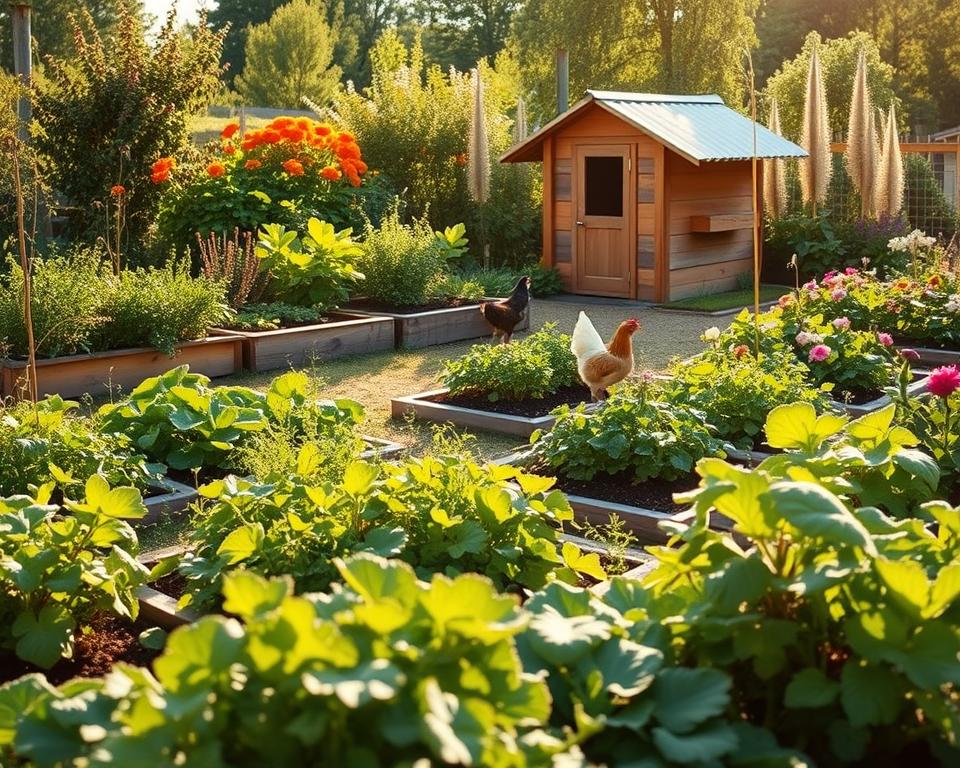
Observation is a critical step in creating a permaculture garden. Before making any significant changes to your garden, take the time to observe the site over a period of time. This will help you understand the natural patterns and processes at work.
Conducting a Four-Season Site Survey
To gain a comprehensive understanding of your garden, conduct a four-season site survey. This involves observing and recording the changes in your garden over the course of a year. Note the sunlight patterns, soil conditions, and wildlife activity during each season. This information will be invaluable in informing your garden design and ensuring that it is tailored to the UK climate.
- Observe sunlight patterns and microclimates.
- Record soil conditions and moisture levels.
- Note wildlife activity and habitat opportunities.
- Identify areas of erosion or waterlogging.
By following these essential steps, you can create a permaculture garden that is not only productive but also sustainable and resilient. Remember to be patient and flexible, as permaculture gardening is a long-term process that requires ongoing observation and adaptation.
Site Assessment: Understanding Your Garden’s Unique Characteristics
A thorough site assessment is the foundation upon which a successful permaculture garden is built. By understanding your garden’s unique characteristics, you can design a system that works in harmony with nature, maximising productivity and minimising the need for external inputs.
Analysing Sunlight Patterns and Microclimates
Observing how sunlight interacts with your garden is crucial. Note the areas that receive full sun, partial shade, or full shade throughout the day. This will help you identify microclimates within your garden, allowing you to choose the right plants for each location. For instance, a south-facing wall can create a warm microclimate, ideal for growing heat-loving plants.
Evaluating Existing Vegetation and Wildlife
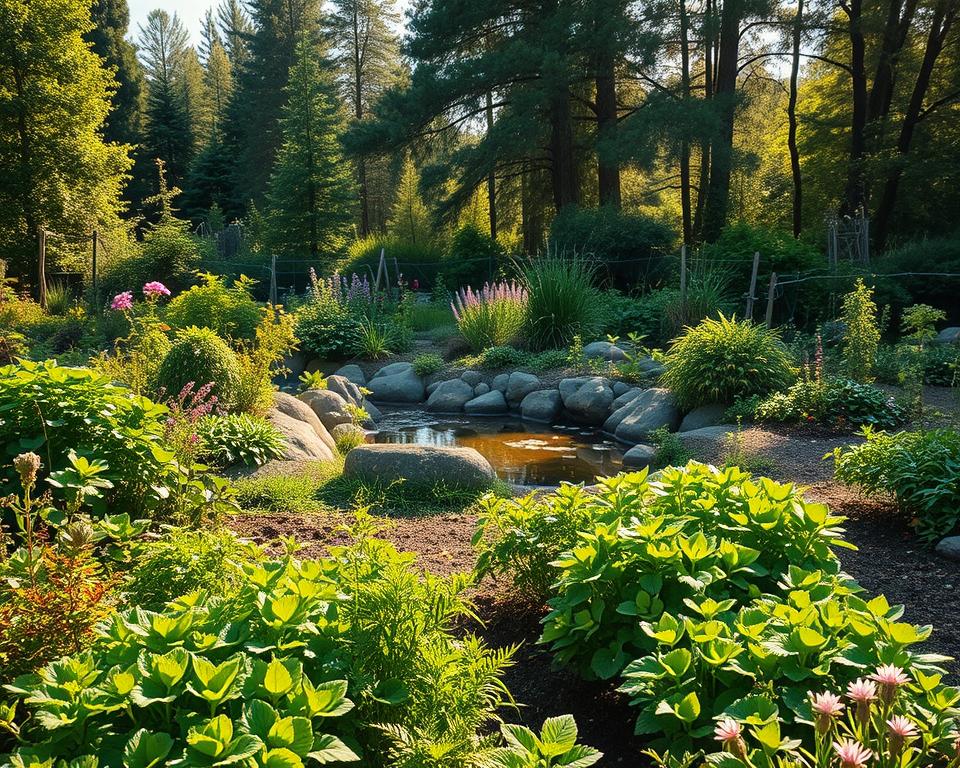
Take stock of the plants and wildlife already present in your garden. Native plants can be a valuable asset, providing habitat for local wildlife and indicating the soil and climate conditions. Observe which plants are thriving and which are struggling. This information will guide your plant selection and help you create a more balanced ecosystem.
Identifying Water Flow and Drainage Patterns
Understanding how water moves through your garden is vital. Identify areas where water tends to collect or flow quickly. This knowledge will help you design features like swales or rain gardens to capture and utilise rainwater effectively. Proper drainage is also crucial to prevent waterlogged soil, which can be detrimental to plant health.
Assessing Soil Type and Quality
Soil is the foundation of your permaculture garden. Assess the type and quality of your soil by observing its texture, structure, and organic matter content. A simple soil test can provide valuable information about your soil’s pH and nutrient levels. This will help you determine the amendments needed to create a fertile growing environment.
| Soil Type | Characteristics | Suitable Amendments |
|---|---|---|
| Clay | Heavy, poor drainage | Organic matter, sand |
| Sandy | Light, drains quickly | Compost, manure |
| Loamy | Balanced, fertile | Minimal amendments needed |
By conducting a thorough site assessment, you can create a permaculture garden that is tailored to your specific conditions, enhancing its potential for success and sustainability.
Designing Your Permaculture Garden Layout
The layout of your permaculture garden is fundamental to its overall health and functionality, requiring a thoughtful and integrated approach. A well-designed garden not only maximises space but also enhances biodiversity, reduces the need for external inputs, and creates a resilient ecosystem.
Implementing the Zone System
The zone system is a key concept in permaculture design, helping you organise your garden based on the frequency of use and the needs of different elements. Zones range from 0 (the house) to 5 (wild areas), with each zone requiring different levels of maintenance and care.
Adapting Zones for Small UK Gardens
In smaller UK gardens, adapting the zone system is crucial. You can achieve this by focusing on the most essential elements and integrating them efficiently. For example, placing a vegetable bed near the house (Zone 1) allows for easy access and regular maintenance.
| Zone | Description | Example Elements |
|---|---|---|
| Zone 0 | The house and immediate surroundings | House, patio |
| Zone 1 | Intensive garden areas | Vegetable beds, herb gardens |
| Zone 2 | Less intensively managed areas | Fruit trees, shrubbery |
Creating Functional Connections Between Elements
Creating functional connections between different elements in your garden is vital for a productive permaculture system. This involves designing pathways, water harvesting systems, and companion planting to enhance overall garden health.
Maximising Edge Spaces for Productivity
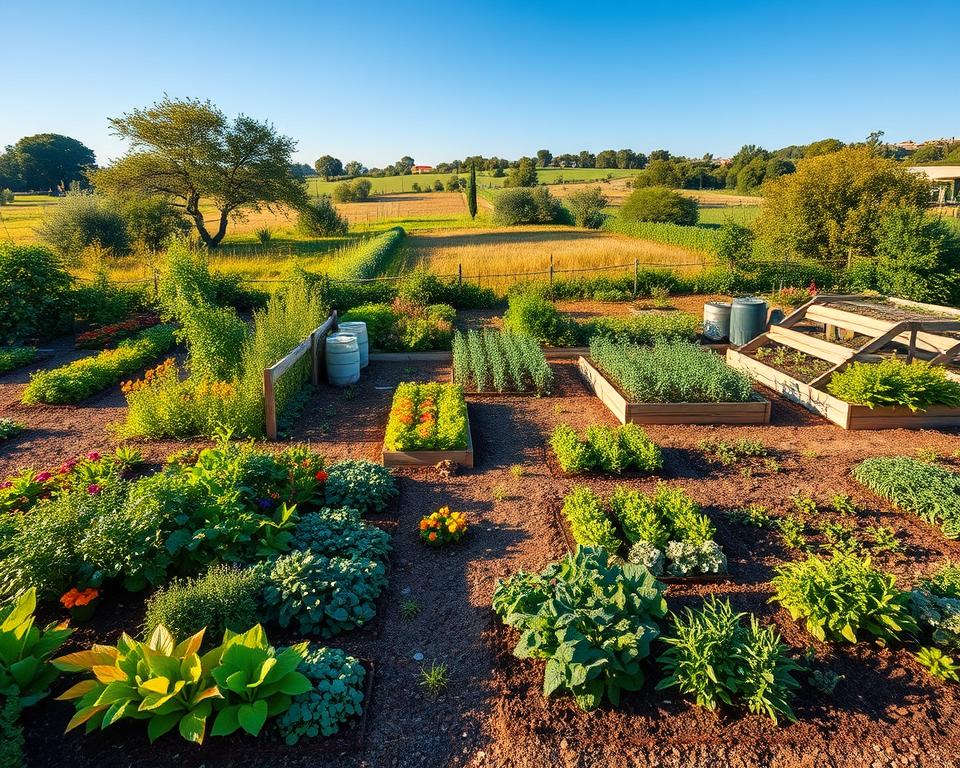
Edge spaces, where different ecosystems meet, are particularly productive in permaculture gardens. By maximising these areas, you can increase biodiversity and enhance ecosystem services. Examples include creating ponds with irregular edges or planting hedgerows.
Designing for the British Climate
The UK’s temperate maritime climate presents both opportunities and challenges for permaculture garden design. Understanding local weather patterns, frost pockets, and microclimates is essential for selecting appropriate plants and designing protective measures.
By carefully designing your permaculture garden layout, you can create a thriving, sustainable ecosystem that provides numerous benefits for years to come.
Building Healthy Soil: The Heart of Your Permaculture Garden
Creating a fertile and resilient soil ecosystem is crucial for the success of your permaculture garden. Healthy soil is teeming with life and provides your plants with the necessary nutrients to thrive.
No-Dig Methods for Soil Development
No-dig methods are an effective way to build soil health without causing damage through tilling. By avoiding the disruption of soil structure, you allow beneficial organisms to flourish. To implement a no-dig approach, start by layering organic matter such as compost and manure on the surface.
Benefits of no-dig gardening include improved soil structure, increased biodiversity, and reduced weed growth. This method also helps to sequester carbon in the soil, contributing to a more sustainable gardening practice.
Composting Techniques for Nutrient Cycling
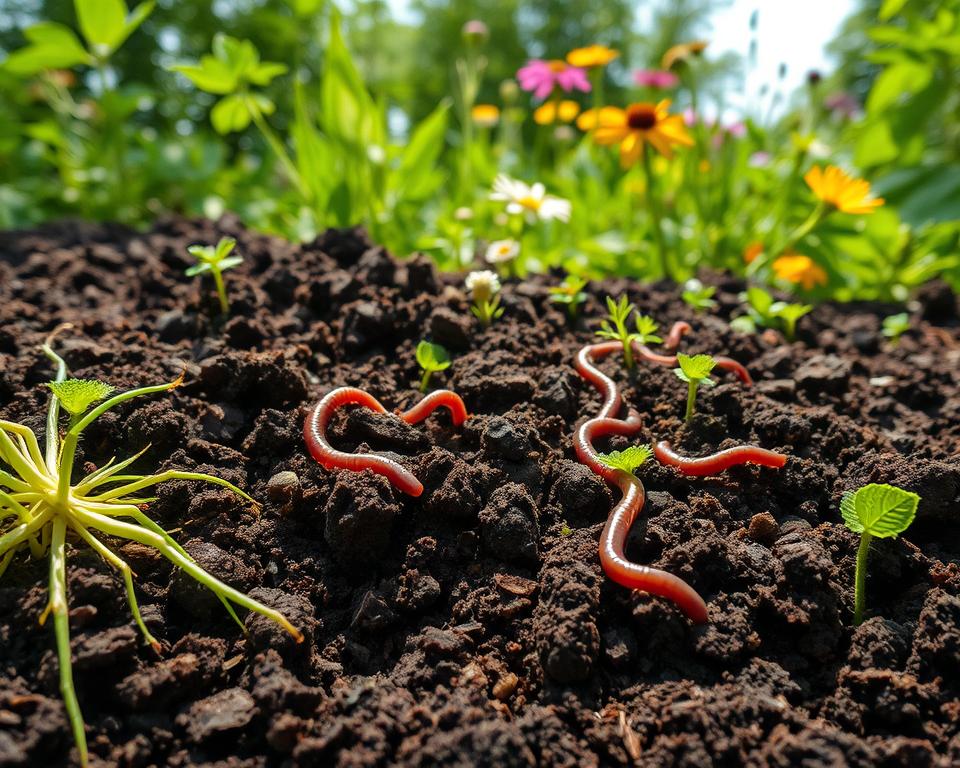
Composting is a vital process in permaculture gardening, as it recycles organic waste into a valuable resource. To create effective compost, you’ll need a mix of ‘green’ materials (such as kitchen scraps and grass clippings) and ‘brown’ materials (like dried leaves and straw).
Hot Composting for the UK Climate
Hot composting is a fast and efficient method that involves regularly turning the compost pile to maintain high temperatures. This approach is particularly suitable for the UK climate, as it allows you to process a large volume of organic waste quickly.
Using Mulch to Protect and Nourish Soil
Mulching is another effective technique for maintaining soil health. By applying a layer of organic material to the soil surface, you can suppress weeds, regulate soil temperature, and retain moisture.
Organic mulches like wood chips, straw, or leaves are ideal for permaculture gardens. As they break down, they add organic matter to the soil, improving its fertility and structure.
Green Manures Suitable for British Gardens
Green manures are plants grown specifically to benefit the soil. They can be incorporated into your permaculture garden to enhance soil fertility, structure, and biodiversity. In the UK, popular green manure crops include clover, rye, and phacelia.
These crops not only improve soil health but also attract beneficial insects and provide a habitat for wildlife. By incorporating green manures into your rotation, you can create a more resilient and productive garden ecosystem.
Water Management Strategies for Sustainable Gardens
Effective water management is crucial for the success of your permaculture garden. As you strive to create a sustainable and resilient gardening system, understanding how to manage water resources efficiently is key.

Harvesting Rainwater Effectively
One of the most effective water management strategies is harvesting rainwater. By collecting rainwater, you reduce your reliance on mains water and create a natural, chemical-free source for irrigation.
UK Regulations for Water Collection
In the UK, collecting rainwater is generally permissible, but there are regulations to be aware of, especially if you’re considering large-scale collection. Currently, you don’t need permission to install a rainwater harvesting system for domestic use, but it’s essential to ensure your system is properly maintained and meets relevant building standards.
Creating Swales and Rain Gardens
Swales and rain gardens are innovative ways to manage rainwater runoff and improve soil moisture. A swale is a shallow ditch that captures and filters rainwater, allowing it to infiltrate the soil. Rain gardens, on the other hand, are depressions planted with water-loving plants that absorb excess rainwater.
Efficient Irrigation Methods for Conservation
Efficient irrigation is vital for conserving water. Techniques such as drip irrigation and soaker hoses deliver water directly to the roots of plants, reducing evaporation and runoff. These methods are particularly effective in permaculture gardens where water conservation is a priority.
Managing Excess Water in Wet British Winters
British winters can be wet, leading to excess water in your garden. To manage this, consider creating areas that can absorb or redirect excess water, such as swales or rain gardens. Additionally, ensuring your soil has good structure through the addition of organic matter can help it absorb more water.
By implementing these water management strategies, you can create a more resilient and sustainable permaculture garden that thrives in various weather conditions.
Selecting Plants for Your Permaculture Garden
When designing a permaculture garden, one of the most crucial decisions you’ll make is selecting the right plants for your climate and needs. The right plants will form the backbone of a sustainable and productive ecosystem.
Choosing Perennial Food Plants for the UK Climate
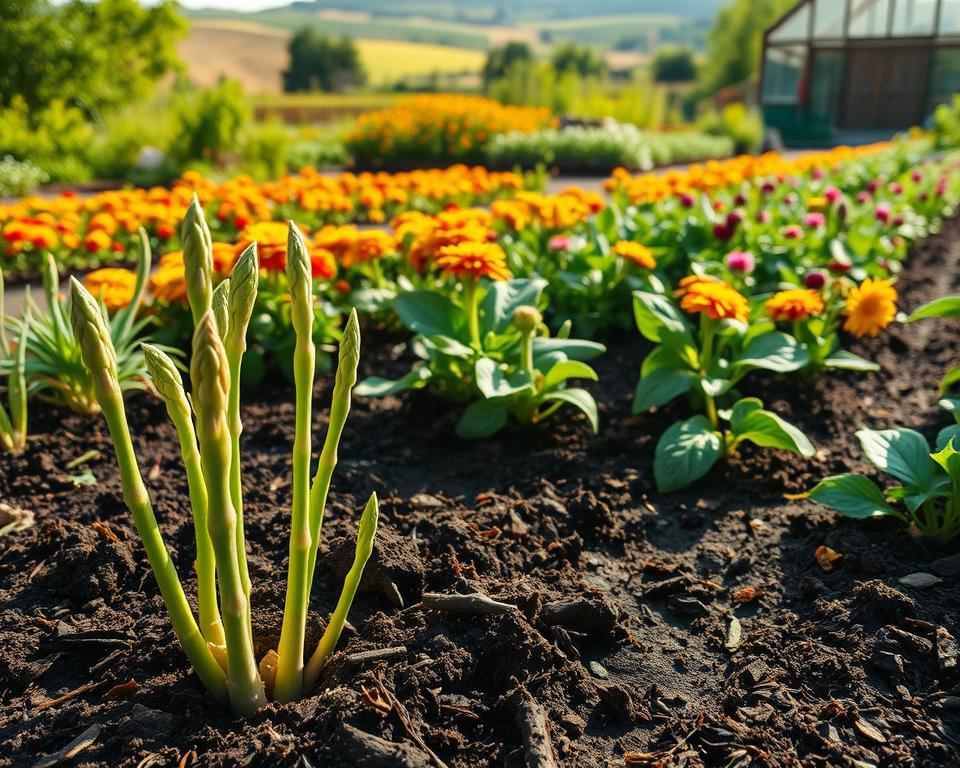
Perennial food plants are a cornerstone of permaculture gardening due to their sustainability and low maintenance. In the UK climate, plants like apple trees, rhubarb, and Jerusalem artichokes are excellent choices. These plants are not only hardy but also provide a reliable source of food year after year.
Incorporating Nitrogen-Fixing Species
Nitrogen-fixing plants are vital for maintaining soil fertility. Plants like clover and beans convert atmospheric nitrogen into a form that can be used by other plants, reducing the need for synthetic fertilizers. Incorporating these species into your garden can significantly enhance its productivity.
Including Medicinal and Beneficial Plants
In addition to food plants, incorporating medicinal and beneficial plants can enhance the overall health of your garden. Plants like calendula and chamomile have medicinal properties and can also attract beneficial insects.
Native Plants for Wildlife Support
Using native plants is crucial for supporting local wildlife. Plants such as wild roses and foxgloves provide food and habitat for various species. They are also adapted to the local climate and soil conditions, making them easier to maintain.
Creating Habitats for British Pollinators
Creating habitats for pollinators is essential for the health of your garden. Planting a variety of native flowers that bloom at different times can provide a constant source of food for pollinators. Consider creating a pollinator-friendly area with plants like lavender and sunflowers.
| Plant Type | Example Plants | Benefits |
|---|---|---|
| Perennial Food Plants | Apple trees, Rhubarb, Jerusalem artichokes | Food source, Low maintenance |
| Nitrogen-Fixing Plants | Clover, Beans | Soil fertility, Reduced need for fertilizers |
| Native Plants for Pollinators | Wild roses, Foxgloves | Support local wildlife, Easy maintenance |
Companion Planting and Polycultures
By adopting companion planting and polycultures, you can create a more resilient and diverse garden ecosystem. This approach involves strategically planting different species together to enhance growth, reduce pests and diseases, and increase biodiversity.
Creating Beneficial Plant Communities
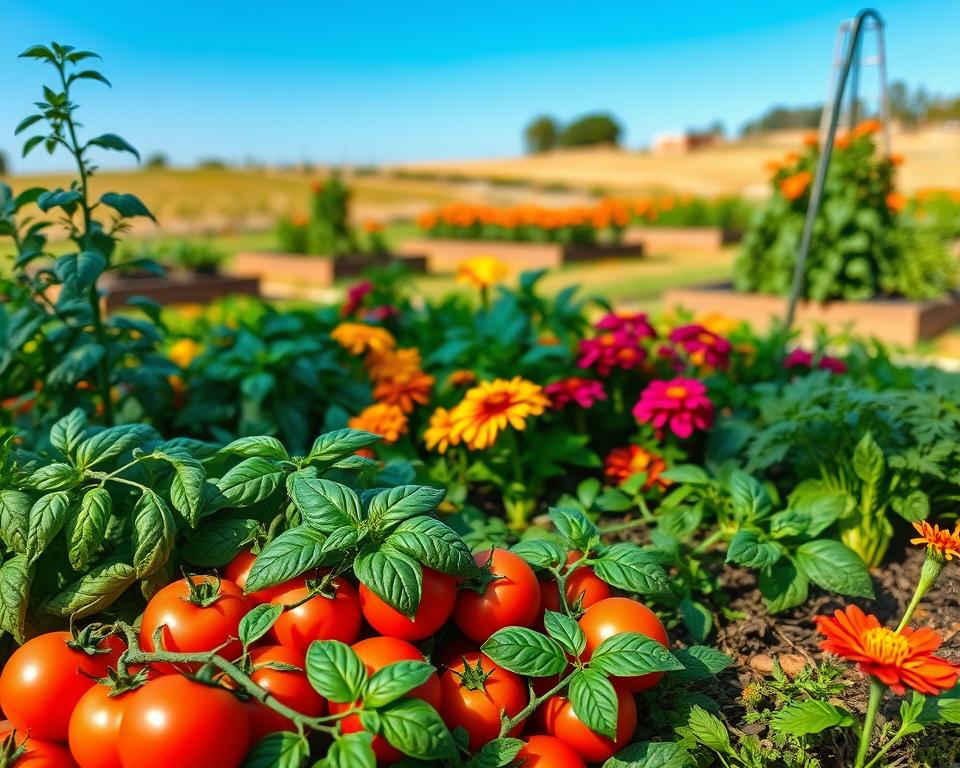
Beneficial plant communities are formed by grouping plants that support each other’s growth. For example, planting marigolds with tomatoes can deter nematodes, while basil repels aphids and improves the flavor of nearby vegetables.
- Marigolds repel nematodes and attract beneficial insects.
- Basil improves tomato flavor and repels pests.
- Comfrey acts as a fertilizer plant, adding nutrients to the soil.
Guild Planting for Mutual Support
Guild planting involves creating a community of plants that work together, much like a guild in a social structure. The “Three Sisters” method is a well-known example, where maize, beans, and squash are planted together.
The Three Sisters and UK Alternatives
The Three Sisters method originated among Native American communities, where corn (maize) provides structural support for beans, and squash shades out weeds. For UK gardens, alternatives include:
- Planting sweetcorn with runner beans and courgettes.
- Combining sunflowers with climbing beans and low-growing squash.
Avoiding Harmful Plant Combinations
Some plants, when grown together, can have negative effects. For instance, members of the Brassica family can inhibit the growth of certain plants. Understanding these interactions is crucial for a harmonious garden.
- Fennel inhibits the growth of many plants, including beans and kales.
- Members of the Brassica family can be detrimental to some plants.
Polycultures for Pest Management
Polycultures can significantly reduce pest problems by creating a diverse ecosystem that is less conducive to pest outbreaks. By mixing a variety of plants, you can attract beneficial insects and improve soil health.
For example, planting a mix of flowers that attract pollinators and beneficial insects can help control aphid populations naturally.
Integrating Animals into Your Permaculture System
Animals are a crucial component of a thriving permaculture garden, contributing to a diverse and resilient ecosystem. By thoughtfully integrating animals into your design, you can enhance the overall health and productivity of your garden.
The Role of Chickens and Ducks
Chickens and ducks are valuable additions to a permaculture system, providing benefits such as pest control, fertilizer production, and food. Chickens are particularly effective at controlling insect populations, while ducks can help manage slugs and snails.
- Chickens: Provide eggs, meat, and fertilizer; help with pest control.
- Ducks: Control slugs and snails; contribute to fertilizer production.
UK Regulations for Keeping Poultry
When keeping chickens or ducks in the UK, it’s essential to be aware of the regulations governing poultry keeping. This includes registering your flock with the Animal and Plant Health Agency (APHA) and adhering to biosecurity measures to prevent disease spread.
Beneficial Insects and Pollinators
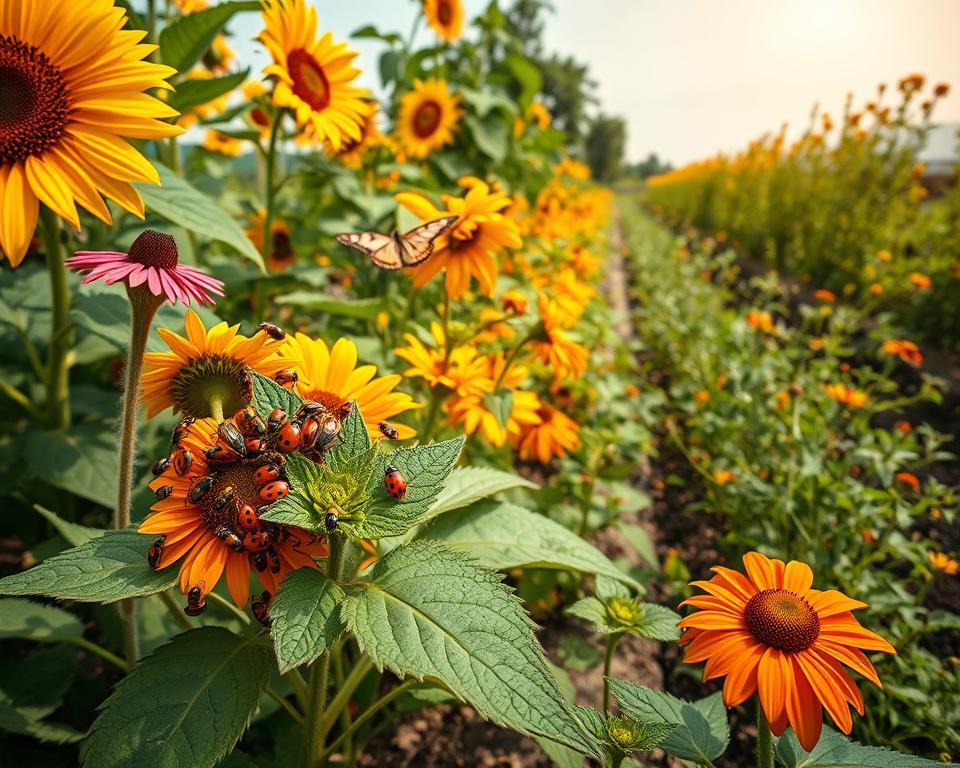
Incorporating beneficial insects and pollinators into your permaculture garden is vital for its success. Bees, butterflies, and other pollinators are attracted to a diverse range of flowers, while beneficial insects like ladybugs and lacewings help control pests.
Worm Farming for Soil Health
Worm farming, or vermicomposting, is a highly effective method for improving soil health. Worms break down organic matter into a nutrient-rich compost that enhances soil fertility and structure.
- Benefits of worm farming: Improved soil fertility, reduced waste, and increased biodiversity.
- Tips for starting a worm farm: Use a suitable container, maintain appropriate moisture levels, and monitor temperature.
Wildlife-Friendly Permaculture Practices
Creating a wildlife-friendly permaculture garden involves designing habitats that support local biodiversity. This can include planting native species, providing water sources, and creating sheltered areas for wildlife.
Key strategies for wildlife-friendly permaculture:
- Plant native species to support local ecosystems.
- Provide water sources, such as ponds or birdbaths.
- Create sheltered areas using native vegetation or artificial structures.
Maintaining Your Permaculture Garden Through the Seasons
To keep your permaculture garden healthy, it’s essential to understand the tasks required for each season. Effective seasonal maintenance ensures that your garden continues to thrive throughout the year.
Spring Tasks and Opportunities
Spring is a time of renewal in your permaculture garden. As the soil becomes workable, start by clearing away debris that has accumulated over winter. It’s also an ideal time to divide and replant perennials, and to begin preparing new beds for planting.
- Prune fruit trees and bushes
- Start seedlings indoors or in a greenhouse
- Apply mulch to retain moisture and suppress weeds
Summer Management and Harvesting
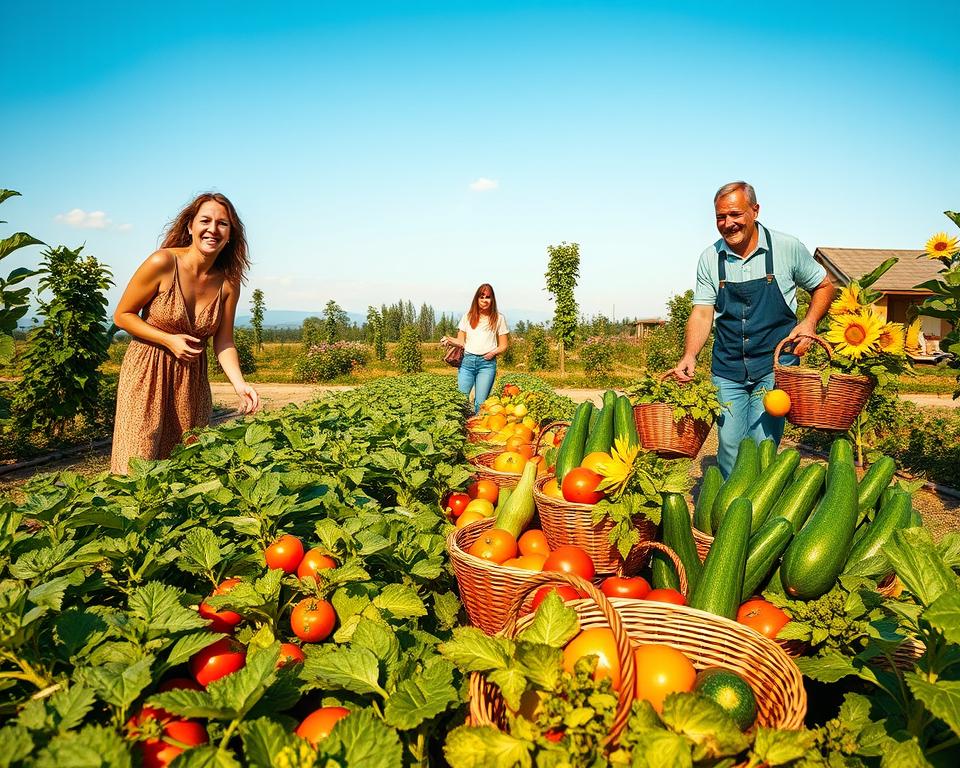
Summer is the peak growing season, and your garden will require regular maintenance to ensure a bountiful harvest. Focus on summer harvesting by regularly picking fruits and vegetables to encourage continued production.
- Keep pathways clear of weeds
- Monitor for pests and diseases
- Maintain soil moisture through efficient irrigation
Autumn Preparations and Seed Saving
As summer fades into autumn, it’s time to prepare your garden for the coming winter. This includes autumn preparations such as clearing spent crops and adding organic matter to the soil.
- Save seeds from your favourite plants
- Plant cover crops to protect and enrich the soil
- Begin planning for next year’s garden
Winter Projects and Planning
Winter is a quieter time in the garden, but there’s still work to be done. Focus on winter planning by reviewing the past year’s successes and challenges, and making plans for improvements.
Extending the Growing Season in the UK Climate
In the UK, the growing season can be extended by using protective measures such as cold frames or polytunnels. These allow you to grow crops year-round, even in the colder months.
- Use cold frames to protect tender plants
- Install a polytunnel for extended growing
- Plan for succession planting to ensure continuous harvests
Troubleshooting Common Permaculture Challenges
As you embark on your permaculture journey, you may encounter various challenges that require effective troubleshooting. Permaculture gardening is a holistic approach that aims to create a sustainable and regenerative environment, but like any gardening method, it’s not immune to issues.
Managing Pests Naturally
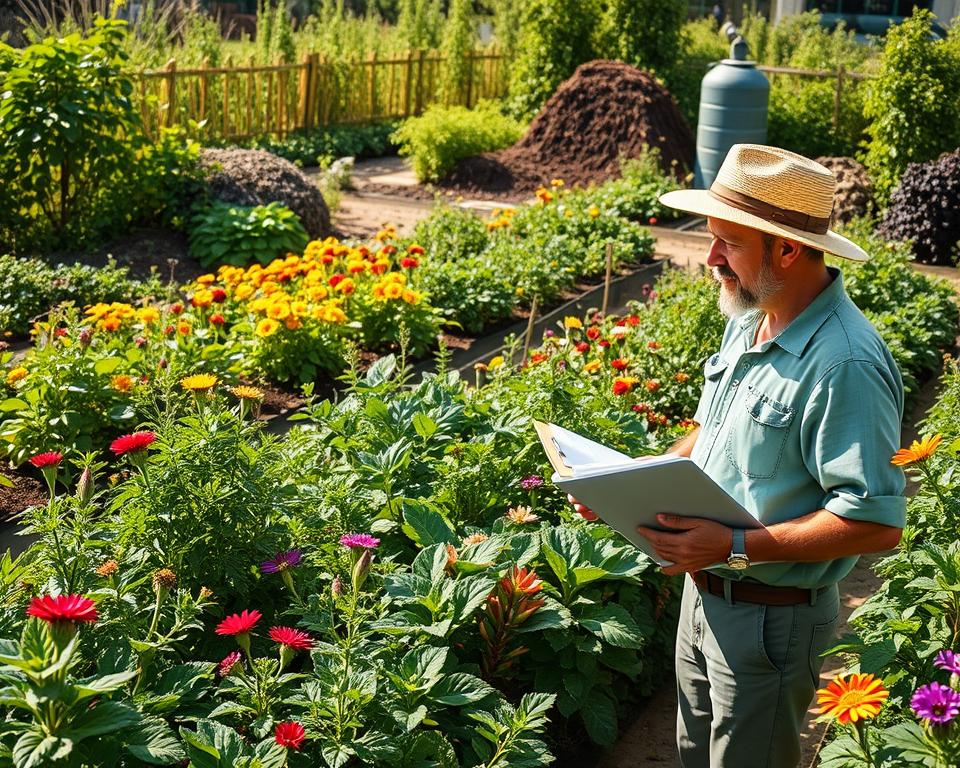
One of the common challenges in permaculture gardening is managing pests without resorting to chemical pesticides. Effective pest management is crucial for maintaining the health of your garden.
Dealing with Common UK Garden Pests
The UK climate supports a variety of pests that can harm your permaculture garden. Some common pests include slugs, snails, aphids, and caterpillars. To manage these pests, you can use natural methods such as introducing beneficial insects, using physical barriers, and applying organic deterrents.
Addressing Soil Fertility Issues
Soil fertility is the backbone of a productive permaculture garden. Issues with soil fertility can arise from poor soil structure, lack of nutrients, or improper pH levels. To address these issues, you can implement techniques such as no-dig gardening, composting, and using green manures.
Adapting to Climate Extremes
The UK is known for its variable climate, which can sometimes lead to climate extremes such as droughts or heavy rainfall. To adapt to these extremes, you can implement strategies like rainwater harvesting, mulching, and creating swales to manage water effectively.
Balancing Time and Maintenance Requirements
A common challenge for many permaculture gardeners is finding the right maintenance balance. While permaculture aims to create a self-sustaining ecosystem, some maintenance is still necessary. To balance your time and maintenance requirements, prioritize tasks, and focus on creating a diverse and resilient garden ecosystem.
By addressing these common challenges, you can ensure that your permaculture garden remains healthy, productive, and sustainable over time.
Advanced Permaculture Techniques for Experienced Gardeners
As you progress in your permaculture journey, you’ll be ready to explore more sophisticated techniques. These advanced methods can help you create a more diverse, resilient, and productive garden ecosystem.
Food Forest Development
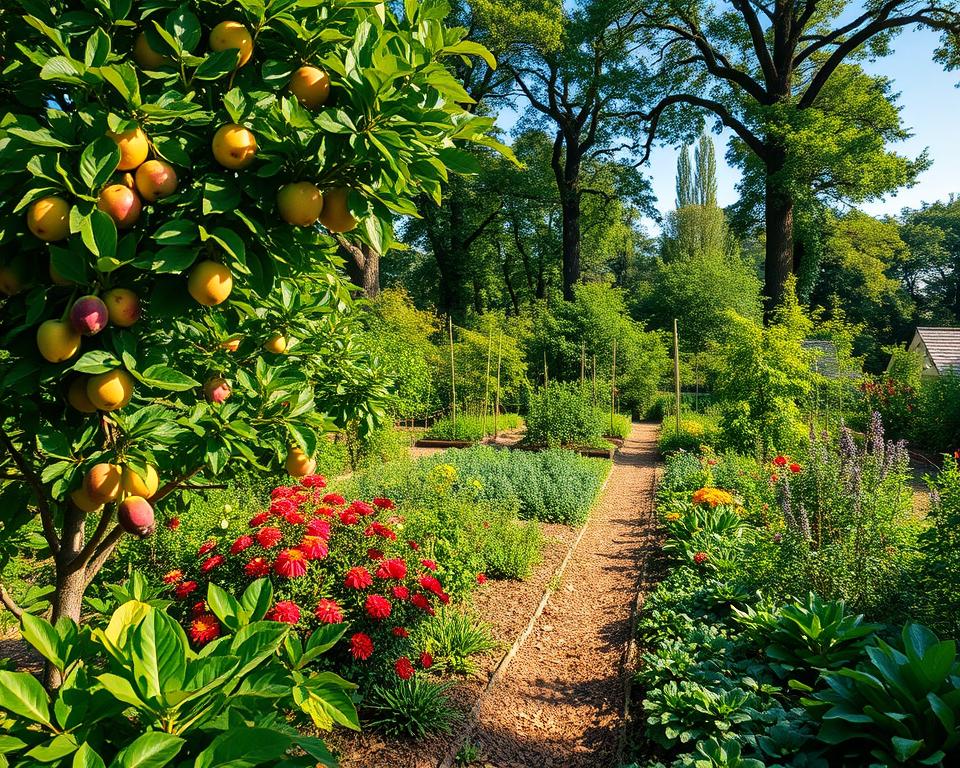
Developing a food forest is a key advanced permaculture technique. It involves designing a multi-layered ecosystem that mimics natural forests but focuses on edible plants. This approach can significantly increase biodiversity and reduce maintenance needs.
Temperate Food Forest Models for the UK
In the UK, temperate food forest models can include a mix of fruit trees, nut trees, berry bushes, and perennial vegetables. For example, you can plant apple trees as the canopy layer, with hazelnuts and currants as the understory, and comfrey and rhubarb as the herb layer.
Implementing Aquaculture Systems
Aquaculture involves raising aquatic organisms like fish, crayfish, and plants in a controlled environment. Integrating aquaculture into your permaculture system can provide a diverse source of food and help with water management.
- Fish ponds can be designed to harvest rainwater and reduce runoff.
- Aquatic plants like watercress can be grown in ponds for additional produce.
Energy-Efficient Greenhouse Design
Greenhouses are valuable for extending the growing season, but they can be energy-intensive. Energy-efficient greenhouse design focuses on maximizing natural light and heat while minimizing energy loss.
- Use double glazing or insulation to reduce heat loss.
- Incorporate thermal mass to absorb and release heat.
Community Permaculture Initiatives in Britain
Community permaculture initiatives involve working with others to create shared permaculture projects. These can range from community gardens to educational workshops.
Examples include community-supported agriculture (CSA) programs and local permaculture groups that share knowledge and resources.
Conclusion: Embracing the Permaculture Journey
As you conclude this guide, you’re poised to start your permaculture journey, transforming your garden into a thriving ecosystem that embodies sustainable living. By applying the principles outlined, you’ll not only enhance biodiversity but also contribute to a healthier environment.
The UK permaculture community is a valuable resource for further learning and support. Engaging with local groups and online forums can provide inspiration, practical advice, and a sense of camaraderie as you navigate the challenges and rewards of permaculture gardening.
Your permaculture journey is a path of continuous learning and adaptation. As you progress, you’ll discover new techniques, refine your practices, and enjoy the many benefits of a sustainable, self-sufficient garden. Embrace this journey, and you’ll be contributing to a more resilient and environmentally conscious community.
FAQ
What is permaculture, and how can it benefit my garden in the UK?
Permaculture is a sustainable gardening practice that aims to create a thriving ecosystem by mimicking nature. It can benefit your garden in the UK by improving soil health, conserving water, and increasing biodiversity.
How do I start creating a permaculture garden?
To start creating a permaculture garden, begin by observing your site over four seasons, assessing your soil type and quality, and setting clear goals for your project. You can then design your garden layout, incorporating elements like companion planting and polycultures.
What are the core principles of permaculture?
The core principles of permaculture are Earth Care, People Care, and Fair Share. These principles guide the design and management of your garden, ensuring that it is sustainable, equitable, and beneficial for both you and the environment.
How can I manage pests naturally in my permaculture garden?
You can manage pests naturally in your permaculture garden by using techniques like companion planting, polycultures, and encouraging beneficial insects. For example, planting marigolds with tomatoes can help deter nematodes.
What are some suitable plants for a UK permaculture garden?
Some suitable plants for a UK permaculture garden include perennial food plants like fruit trees and berries, nitrogen-fixing species like clover, and native plants like wildflowers that support local wildlife and pollinators.
How can I harvest rainwater effectively in my permaculture garden?
You can harvest rainwater effectively in your permaculture garden by installing a rainwater harvesting system, creating swales and rain gardens, and using efficient irrigation methods. Be sure to check UK regulations regarding water collection.
Can I integrate animals into my permaculture system?
Yes, you can integrate animals into your permaculture system. Chickens and ducks can provide benefits like pest control and fertilizer, while beneficial insects and worm farming can improve soil health.
How do I maintain my permaculture garden throughout the seasons?
To maintain your permaculture garden throughout the seasons, perform tasks like spring pruning, summer harvesting, autumn preparations, and winter planning. You can also extend the growing season in the UK climate by using techniques like cold frames and greenhouses.
What are some advanced permaculture techniques I can try?
Some advanced permaculture techniques you can try include developing a food forest, implementing aquaculture systems, designing energy-efficient greenhouses, and participating in community permaculture initiatives.
How can I troubleshoot common permaculture challenges?
To troubleshoot common permaculture challenges, identify the issue, and then use techniques like natural pest control, soil fertility management, and climate adaptation to address it. You can also seek advice from the UK permaculture community.

