
Garden Bed Edging Using Natural Stone, Wood, and Plants
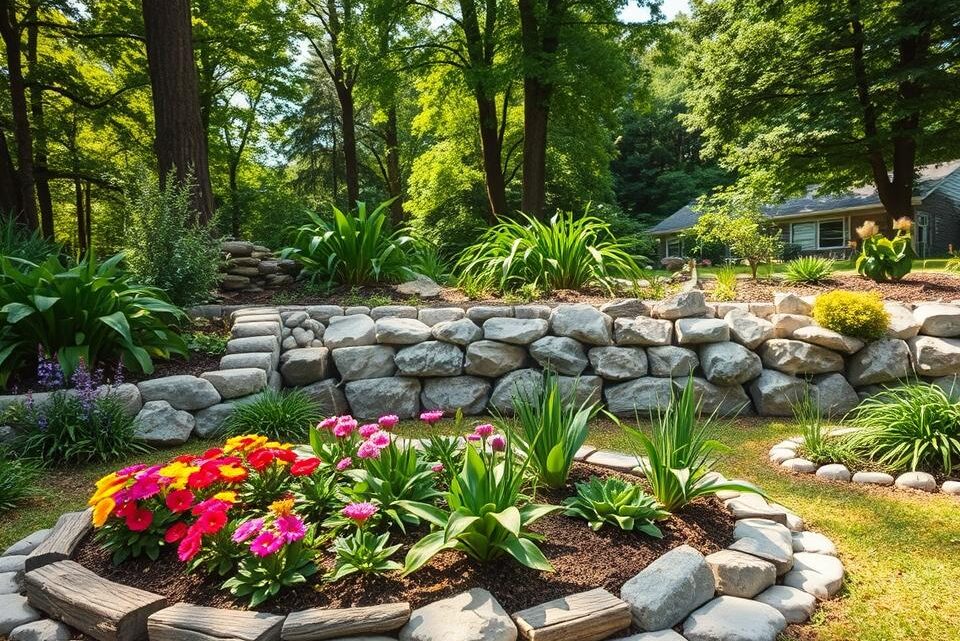
Creating stunning garden bed edging transforms your outdoor space from ordinary to extraordinary. Natural garden boundaries offer an elegant solution for defining landscape areas while providing practical benefits. Whether you’re a seasoned gardener or a landscape design enthusiast, understanding different landscape edging materials can elevate your garden’s aesthetic and functional appeal.
Garden bed edging serves multiple purposes beyond simple decoration. It prevents grass from spreading into planting zones, helps retain soil moisture, and creates clear visual boundaries within your garden design. Each material—stone, wood, and plants—brings unique characteristics that can complement your specific garden style and environmental conditions.
Selecting the right garden bed edging requires careful consideration of your garden’s specific requirements. Factors such as soil type, climate, maintenance preferences, and overall design aesthetic will influence your choice of natural garden boundaries.
Inhaltsverzeichnis
Key Takeaways
- Natural edging materials provide both aesthetic and functional garden benefits
- Different materials suit varied landscape design preferences
- Proper garden bed edging prevents soil erosion and grass invasion
- Landscape edging materials can enhance garden structure and visual appeal
- Sustainable solutions offer long-term garden management strategies
Why Garden Bed Edging Transforms Your Outdoor Space
Garden bed edging is a powerful design technique that can completely revolutionise your outdoor space. By implementing strategic garden border ideas, you can create visually stunning and functional landscapes that elevate your garden design in the UK.
Effective decorative garden borders serve multiple purposes beyond simple aesthetics. They provide critical functional benefits that enhance your entire garden ecosystem:
- Clear demarcation between different garden zones
- Prevention of grass invasion into flower beds
- Simplified maintenance and lawn care
- Improved soil retention and water management
Your garden borders act as structural elements that define and frame your plantings. They create clean, professional lines that transform ordinary gardens into extraordinary landscapes. By carefully selecting materials and designs, you can achieve a cohesive look that complements your home’s architectural style.
| Edging Material | Visual Impact | Functional Benefit |
|---|---|---|
| Natural Stone | Elegant, Timeless | Excellent Soil Containment |
| Wooden Borders | Warm, Rustic | Easy Installation |
| Living Plant Edges | Dynamic, Evolving | Low Maintenance |
Professional garden design in the UK recognises that quality edging is more than a decorative element—it’s an investment in your property’s landscape. By implementing thoughtful garden border ideas, you create spaces that are both beautiful and functional, reflecting your personal style while solving practical gardening challenges.
Understanding the Benefits of Natural Materials for Garden Borders
Selecting the right garden edging can transform your outdoor space while supporting environmental sustainability. Natural materials offer a unique approach to organic garden edging that goes beyond mere aesthetic appeal.
Garden design enthusiasts are increasingly turning to sustainable garden edging solutions that blend functionality with ecological responsibility. These materials provide an intelligent way to define garden spaces while minimising environmental impact.
Environmental Advantages of Organic Edging Solutions
Natural stone garden edging stands out as an environmentally friendly choice for landscaping. The benefits include:
- Minimal carbon footprint during production
- No chemical leaching into garden soil
- Support for local ecosystem biodiversity
- Natural decomposition or recyclability

Cost-Effectiveness and Longevity Considerations
While initial investments might seem higher, natural materials prove economical in the long term. Consider this comparative analysis:
| Material | Initial Cost | Estimated Lifespan |
|---|---|---|
| Natural Stone | £25-£50/linear metre | 50-100 years |
| Wooden Edging | £10-£30/linear metre | 10-25 years |
| Plastic Edging | £5-£15/linear metre | 5-10 years |
Aesthetic Appeal and Design Flexibility
Natural materials offer unparalleled design versatility. Stone can be arranged in intricate patterns, wood can be cut to precise specifications, and plant-based borders provide dynamic, evolving landscapes that change with the seasons.
By choosing organic garden edging, you create a harmonious connection between your garden’s structure and its living elements, ensuring a timeless and sustainable outdoor environment.
Natural Stone Edging: Durability Meets Timeless Beauty

Stone edging represents the pinnacle of garden border design, offering unmatched durability and aesthetic appeal for your outdoor spaces. Natural stone garden edging provides a robust solution that transforms ordinary garden boundaries into extraordinary landscape features.
When considering stone edging installation, you’ll discover several compelling advantages:
- Exceptional longevity lasting generations
- Resistance to harsh British weather conditions
- Minimal maintenance requirements
- Versatile design options
Different stone types for edging bring unique characteristics to your garden. Limestone offers a soft, elegant appearance, while granite provides robust, angular definition. The weight of natural stone ensures stable borders that resist movement and maintain crisp garden lines.
Professional stone edging installation requires careful preparation. You’ll need to create a stable foundation, ensuring proper drainage and preventing settling. Select stones that complement your garden’s existing style – whether you’re aiming for a formal geometric design or a rustic, naturalistic approach.
Natural stone edging isn’t just a border; it’s a timeless landscape investment that grows more beautiful with age.
Your garden’s aesthetic and structural integrity will benefit significantly from thoughtfully chosen and professionally installed stone borders, making them an ideal choice for discerning gardeners seeking both functionality and beauty.
Selecting the Right Stone Types for Your Garden Borders
Choosing the perfect landscape edging materials can transform your garden’s aesthetic and functionality. Decorative garden borders require careful consideration of stone types that complement your outdoor space and meet specific design requirements.
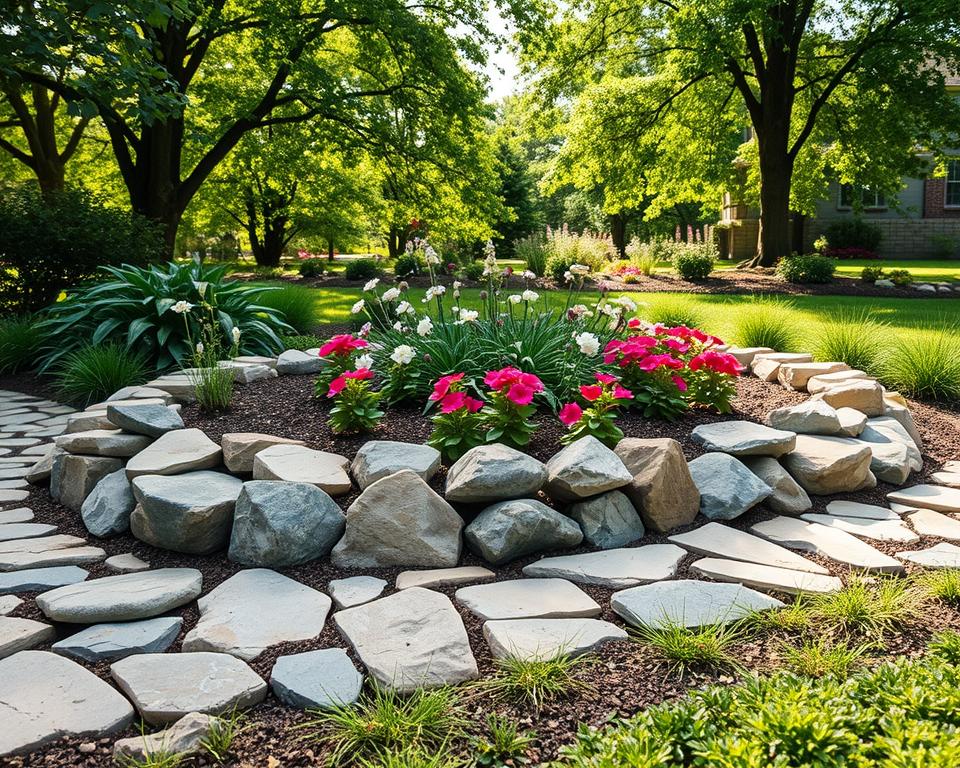
Your edging material comparison should focus on several key stone varieties that offer unique characteristics and visual appeal. Each stone type brings distinct qualities to your garden design.
Limestone and Sandstone: Natural Sedimentary Options
Limestone provides an elegant solution for garden borders with its soft, workable nature. These stones offer:
- Attractive grey and cream colour variations
- Excellent compatibility with alkaline soils
- Relatively easy cutting and shaping
Sandstone presents warmer tones of buff, red, and brown, creating a rustic charm in cottage-style gardens. Be mindful of its porosity and potential weathering in exposed locations.
Granite and Slate: Durable Igneous Alternatives
For landscape edging materials that demand exceptional durability, granite and slate stand out. Granite offers:
- Longest-lasting edging option
- Minimal maintenance requirements
- Colour range from grey to pink to black
Slate provides a distinctive layered appearance, perfect for creating vertical accents in your garden design. Though more expensive, these stones guarantee long-term performance.
River Rocks and Cobblestones: Informal Border Solutions
Create soft, natural transitions with river rocks and cobblestones. These rounded stones are ideal for:
- Curved garden border designs
- Excellent drainage properties
- Naturalistic landscape styling
Consider sourcing locally quarried stones to reduce environmental impact and support regional suppliers while achieving your perfect garden border.
Wood Edging Solutions: Warmth and Versatility in Garden Design

Wooden garden borders offer a natural and inviting approach to defining your garden spaces. Timber garden edging provides gardeners with an incredibly versatile solution that brings warmth and character to outdoor landscapes. Unlike rigid stone alternatives, wood allows for creative and flexible design possibilities that can transform your garden’s aesthetic.
When selecting wooden garden borders, consider these key attributes:
- Exceptional adaptability to various garden styles
- Natural insulation for plant root systems
- Easy installation for DIY enthusiasts
- Cost-effective landscaping option
Wood preservation garden techniques are crucial for ensuring the longevity of your timber garden edging. Treated softwoods can resist moisture and prevent rapid decomposition, extending the life of your garden borders significantly.
“Timber edging transforms garden spaces with its organic charm and practical functionality” – Garden Design Quarterly
Different wooden border styles suit various garden designs:
- Rustic log roll edges
- Sleek rectangular plank borders
- Curved willow hurdle edging
- Reclaimed railway sleeper borders
Your choice of wooden garden borders depends on your specific landscape requirements, aesthetic preferences, and maintenance capabilities. With proper selection and care, timber garden edging can provide years of beautiful, functional garden definition.
Choosing Suitable Timber for Long-Lasting Garden Edges
Selecting the right timber for your garden edging is crucial for creating sustainable garden edging that withstands the test of time. Your choice of wood can dramatically impact both the aesthetics and longevity of your outdoor space.

Timber garden edging offers a natural and versatile solution for defining garden borders. Understanding the different wood options will help you make an informed decision that balances durability, cost, and environmental considerations.
Softwood versus Hardwood Choices
When exploring timber garden edging, you’ll encounter two primary options:
- Softwoods (like pine):
- More affordable
- Requires chemical treatment
- Typically lasts 15-20 years
- Hardwoods (such as oak):
- Natural rot resistance
- Higher initial cost
- Can last 25-40 years
Sustainable Wood Alternatives
For those seeking organic garden edging, consider these eco-friendly options:
- Reclaimed railway sleepers
- Salvaged scaffold boards
- Coppiced hazel or willow
- Bamboo edging
Pro tip: Always ensure reclaimed timber is free from harmful chemicals and treated to current safety standards, especially near vegetable gardens.
Your timber selection should consider local climate, soil conditions, and your garden’s specific aesthetic requirements. By carefully choosing your materials, you’ll create beautiful, long-lasting garden edges that complement your outdoor space.
Garden Bed Edging Using Natural Stone, Wood, and Plants
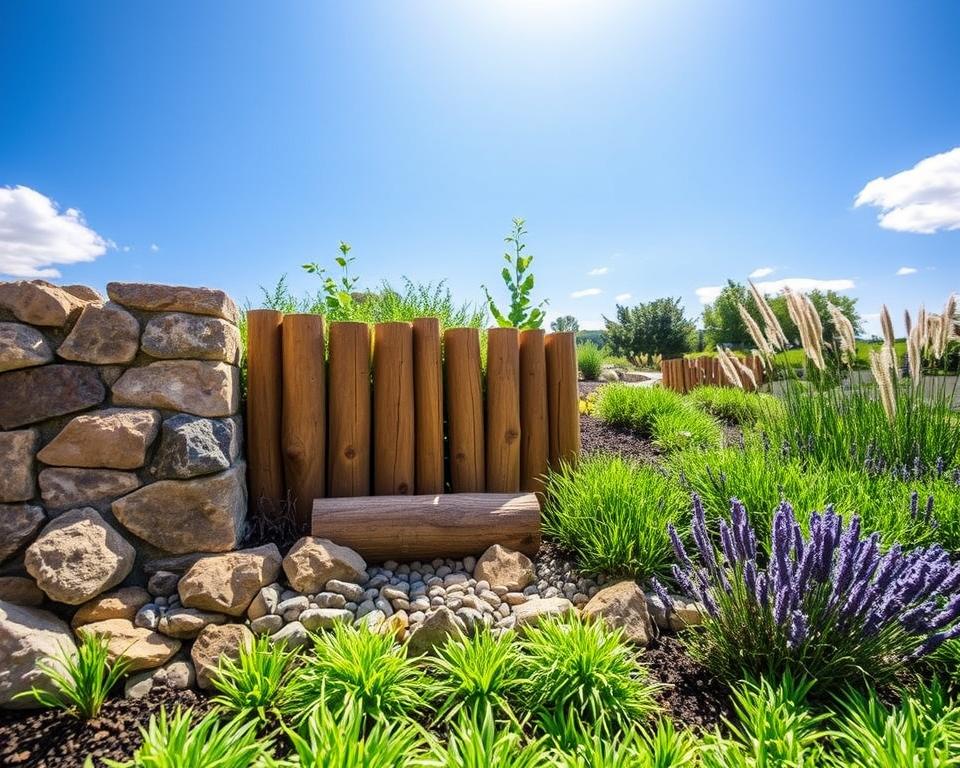
Selecting the right garden bed edging can transform your outdoor space, balancing aesthetics and functionality. Each material brings unique characteristics to your landscape design, offering distinct advantages for garden border ideas.
Your garden bed edging material choice impacts both visual appeal and practical performance. Let’s explore the key considerations for natural materials:
- Stone edging provides permanent structure and elegance
- Wooden borders offer warmth and versatility
- Plant-based edges create dynamic, evolving boundaries
Stone edging material comparison reveals remarkable durability. Granite and limestone create crisp, defined borders that withstand decades of British weather. The initial investment might be higher, but the long-term benefits are substantial.
Wooden garden borders present a more budget-friendly option. Treated hardwoods like oak offer excellent resistance to decay, making them ideal for creating rustic, natural-looking edges that blend seamlessly with your garden’s aesthetic.
Living plant borders introduce an organic, ever-changing dimension to your landscape. Ornamental grasses and low-growing perennials can define garden boundaries while providing habitat for beneficial insects.
| Material | Cost | Maintenance | Longevity |
|---|---|---|---|
| Stone | High | Low | Decades |
| Wood | Medium | Medium | 10-20 years |
| Plants | Low | High | Ongoing |
Professional gardeners often recommend combining these materials for a truly distinctive garden design. Your unique landscape can benefit from strategic material selection that reflects both practical needs and personal style.
Living Plant Borders: Creating Dynamic and Evolving Edges
Transforming your garden with living plant borders offers a vibrant alternative to traditional hardscape edging. Plant-based edging breathes life into garden designs, creating soft, dynamic boundaries that change with the seasons and mature over time.

When designing garden border plants, you’ll want to select species that remain compact and provide visual interest throughout the year. The key is choosing perennial border plants that naturally maintain crisp edges without constant maintenance.
Low-Growing Perennials for Defined Boundaries
Select low-growing perennials that create stunning living plant borders with minimal effort. Some exceptional choices include:
- Nepeta (catmint) with lavender-blue flowers
- Hardy geranium varieties forming neat mounds
- Alchemilla mollis with lime-green foliage
- Heuchera cultivars offering colourful leaf variations
Ornamental Grasses and Groundcover Plants
For a contemporary approach to garden border plants, consider ornamental grasses and groundcover options that provide texture and movement:
| Plant Type | Characteristics | Best Growing Conditions |
|---|---|---|
| Festuca glauca | Compact blue fescue | Full sun, well-drained soil |
| Carex varieties | Grass-like texture | Partial shade to sun |
| Thymus (thyme) | Aromatic groundcover | Sunny, dry locations |
Pro tip: Prepare your soil carefully and space plants appropriately to prevent overcrowding and manage plant vigour effectively.
Installation Techniques and Practical Considerations
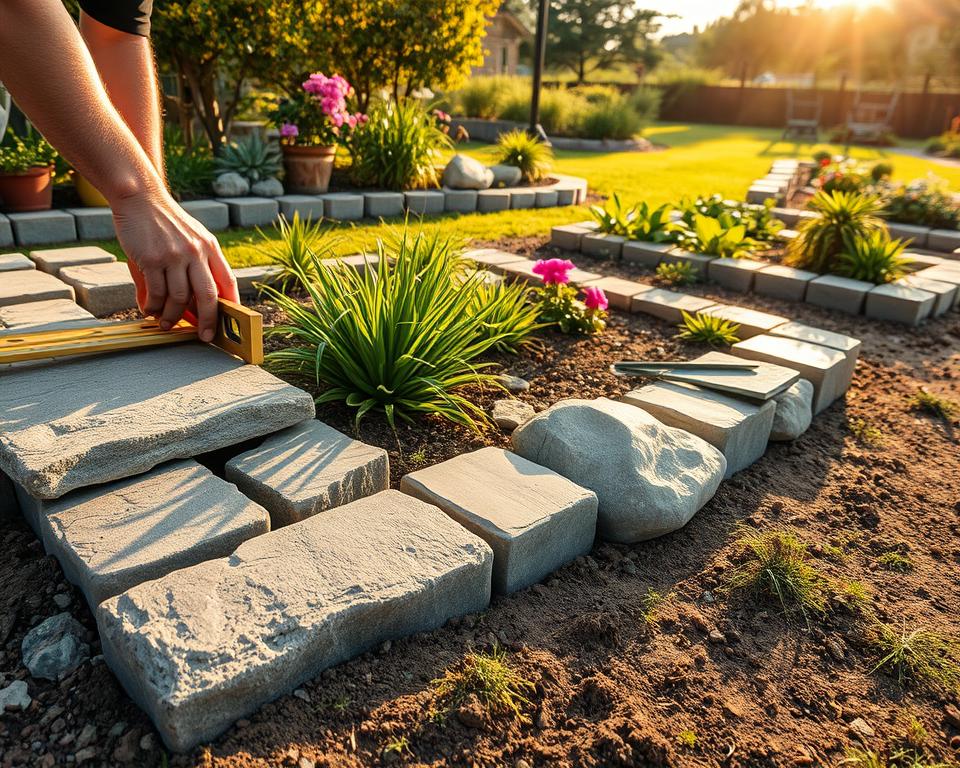
Successful stone edging installation requires careful planning and precision. When preparing for your landscape edging materials project, start by marking out clear border lines using string and garden pegs. A garden hose can help you create smooth, elegant curves for your garden borders.
Your stone edging installation process involves several critical steps:
- Create a stable base using compacted hardcore or sand
- Set stones with approximately one-third visible above soil level
- Ensure a slight backward lean for enhanced stability
- Fill gaps with smaller stones or specialist mortar
For garden edge installation, different materials demand unique approaches. Wood edging requires specific techniques such as securing planks with wooden stakes and treating cut ends with preservative to prevent decay.
| Edging Material | Key Installation Considerations | Recommended Tools |
|---|---|---|
| Natural Stone | Compacted base, slight backward angle | Hammer, spirit level, trowel |
| Wooden Borders | Preservative treatment, secure stakes | Saw, drill, wood preservative |
| Plant Borders | Soil preparation, staggered planting | Spade, gardening gloves, mulch |
While DIY landscape edging materials installation is achievable, complex projects might benefit from professional expertise. Consider your skill level and project complexity before commencing work.
Professional tip: Proper preparation is key to creating stunning, long-lasting garden borders.
Maintenance Requirements for Different Edging Materials
Maintaining your garden boundaries requires a strategic approach tailored to specific materials. Successful garden edging maintenance depends on understanding the unique needs of stone, wood, and plant-based borders.

Each garden border material demands a different level of care. Your natural garden boundaries will thrive with consistent, thoughtful attention to their specific preservation requirements.
Preserving Stone Edges Through the Seasons
Stone edging offers remarkable durability with minimal upkeep. Key maintenance strategies include:
- Annual inspection for stone movement
- Checking for frost-related displacement
- Removing excessive moss using soft brushes
- Ensuring proper drainage around stone borders
Protecting Wooden Borders from Weathering
Wood preservation in garden settings requires proactive care. Your wood preservation garden strategy should focus on:
- Inspecting timber annually for rot signs
- Applying protective wood treatments
- Preventing direct soil contact
- Ensuring adequate drainage
Managing Plant-Based Edging Growth
Living plant borders demand the most intensive maintenance. Successful management involves:
- Regular trimming schedules
- Periodic plant division
- Appropriate fertilisation
- Controlling plant spread through root barriers
Selecting your garden edging material should ultimately depend on the time you can dedicate to maintenance. Each option offers unique aesthetic and practical benefits when properly cared for.
Conclusion
Selecting the perfect garden bed edging for your UK garden involves careful consideration of multiple factors. Your natural garden boundaries should reflect both aesthetic preferences and practical requirements. Stone, wood, and plant-based options each offer unique advantages that can transform your outdoor space.
Garden design UK trends demonstrate that versatility is key. You might choose limestone for a formal front garden, wooden sleepers for a rustic vegetable patch, or lavender borders for a softly defined herb garden. The right garden bed edging solution balances visual appeal with functional performance, creating boundaries that enhance your landscape’s overall character.
Your ultimate choice depends on personal style, maintenance capacity, and specific garden conditions. Professional landscapers recommend considering your garden’s microclimate, soil type, and long-term vision when selecting edging materials. Natural materials provide sustainable options that integrate seamlessly with your existing landscape while supporting local ecosystems.
Investing time in selecting and installing quality garden bed edging will reward you with beautiful, structured outdoor spaces that evolve beautifully through changing seasons. Whether you prioritise durability, aesthetic charm, or ecological sensitivity, natural garden boundaries offer exceptional solutions for UK gardens of all sizes and styles.
FAQ
What are the most suitable natural materials for garden bed edging?
The most suitable natural materials for garden bed edging include stone, wood, and living plants. Each material offers unique benefits: stone provides durability and permanent structure, wood offers versatility and warmth, and plant-based edging creates dynamic, evolving borders with seasonal interest.
How long do natural stone garden edges typically last?
Natural stone garden edges can last indefinitely, often spanning generations when properly installed. Materials like granite and slate are particularly long-lasting, with minimal maintenance required. Some stone borders in historic British gardens have remained intact for hundreds of years.
What maintenance do wooden garden edges require?
Wooden garden edges require periodic inspection and treatment. Depending on the timber type, you’ll need to:
– Check annually for signs of rot
– Apply wood preservative every 2-3 years
– Replace individual sections as needed
– Ensure proper drainage to prevent moisture damage
Can I mix different edging materials in my garden?
Absolutely! Many successful UK gardens combine multiple edging materials strategically. For example, you might use stone for formal front garden areas, wood for vegetable garden borders, and living plants for naturalistic transitions between garden zones.
What are the best low-growing plants for garden edging?
Excellent low-growing plants for garden edging in the UK include:
– Nepeta (catmint)
– Hardy geraniums – Alchemilla mollis (lady’s mantle)
– Heuchera cultivars
– Blue fescue ornamental grass
– Thymus (thyme)
How do I prevent wood edging from rotting quickly?
To prevent wood edging from rotting:
– Use naturally rot-resistant timber like oak or sweet chestnut
– Apply modern preservatives that are environmentally safe
– Ensure proper drainage around the edges
– Avoid direct soil contact where possible
– Inspect and treat annually
What considerations should I make when choosing garden bed edging?
When choosing garden bed edging, consider:
– Garden style and aesthetic preferences
– Maintenance requirements – Initial and long-term costs – Local climate conditions – Soil type and drainage
– Personal time availability for garden maintenance
Are plant-based garden edges high maintenance?
Plant-based garden edges require more maintenance compared to stone or wood. You’ll need to:
– Trim regularly to maintain crisp edges
– Feed and water plants
– Divide perennials periodically
– Replace plants that become woody or sparse
– Manage growth and spread
What are the environmental benefits of natural garden edging?
Natural garden edging offers significant environmental benefits:
– Biodegradable materials
– Support local ecosystems – Provide habitats for beneficial insects – Reduce chemical use compared to synthetic options
– Improve soil health as materials decompose
– Minimal carbon footprint
How do I install stone garden edging?
To install stone garden edging:
– Mark out border lines using string and pegs
– Prepare a stable base with compacted hardcore or sand
– Set stones with top third visible
– Ensure a slight backward lean for stability – Backfill carefully to prevent movement
– Fill gaps with smaller stones or mortar if desired

