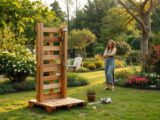
Vertical Garden: Transform Your Space with Privacy

Are you looking to enhance the privacy of your outdoor space? A vertical garden can be a beautiful and effective solution. By incorporating a lush, green privacy screen into your garden design, you can create a secluded oasis in your own backyard.
Not only do vertical gardens provide outdoor privacy, but they also add aesthetic value to your property. With a little creativity, you can turn your outdoor space into a tranquil retreat.
Inhaltsverzeichnis
Key Takeaways
- Enhance your outdoor space with a vertical garden for improved privacy.
- Create a secluded oasis with a lush, green privacy screen.
- Add aesthetic value to your property with a unique garden design.
- Transform your outdoor space into a tranquil retreat.
- Improve outdoor privacy with a beautifully designed vertical garden.
The Rising Popularity of Vertical Gardens for Privacy
As urbanisation increases, the demand for effective privacy solutions like vertical gardens has risen. You can now create a secluded oasis in your outdoor space with a vertical garden, enjoying both privacy and aesthetic appeal.
What Makes Vertical Gardens Effective Privacy Screens
Vertical gardens are highly effective as privacy screens due to their dense foliage and ability to be tailored to specific heights and widths. They can be designed to block unwanted views, creating a more secluded and intimate space. The use of climbing plants or green walls allows you to maximise space while enhancing privacy.
Benefits Beyond Privacy
Vertical gardens offer numerous benefits beyond just privacy. They contribute to a healthier environment and improve mental wellbeing. Let’s explore these advantages in more detail.
Environmental Advantages
Vertical gardens have several environmental benefits, including:
- Improving air quality by absorbing pollutants
- Reducing urban heat island effects
- Providing habitats for wildlife
Mental Wellbeing Benefits
In addition to environmental benefits, vertical gardens also have a positive impact on mental wellbeing. Being surrounded by greenery can reduce stress levels and improve mood. You can create a calming atmosphere that promotes relaxation and serenity.
Understanding Vertical Garden Privacy Screens
The concept of using vertical gardens as privacy screens is gaining traction in the UK, driven by their aesthetic and functional benefits. As urban spaces become more densely populated, the need for effective privacy solutions has never been more pressing. Vertical garden privacy screens offer a unique blend of natural beauty and seclusion, making them an attractive option for homeowners and businesses alike.

Different Types of Vertical Garden Systems
When it comes to vertical garden privacy screens, there are several systems to choose from, each with its unique characteristics and advantages. Understanding these options is crucial for selecting the most suitable system for your needs.
Living Walls
Living walls, also known as green walls, are a popular choice for creating a lush, verdant privacy screen. They involve integrating plants directly into a structural framework, often with an irrigation system. Living walls can be highly effective but may require more maintenance.
Modular Panel Systems
Modular panel systems offer a flexible and scalable solution for vertical gardening. These systems consist of pre-planted panels that can be easily installed and rearranged as needed. They are ideal for those looking for a low-maintenance option.
Pocket Planters
Pocket planters are another innovative solution, involving fabric or plastic pockets that are attached to a wall or freestanding structure. They are versatile, easy to install, and can be used with a variety of plants.
Comparing Options for UK Climate
The UK’s temperate maritime climate presents specific challenges for vertical garden privacy screens, including variable weather conditions and seasonal changes. When selecting a system, it’s essential to consider weather-resistant considerations and seasonal adaptability.
Weather-Resistant Considerations
A robust vertical garden system must be able to withstand the UK’s unpredictable weather, including heavy rainfall, strong winds, and occasional frost. Materials and plant choices should be selected with durability in mind.
Seasonal Adaptability
To maintain an effective privacy screen throughout the year, the chosen plants should be able to thrive across different seasons. Evergreen plants are often preferred for their year-round foliage, but incorporating plants with seasonal interest can add visual appeal.
By understanding the different types of vertical garden systems and their suitability for the UK climate, you can make an informed decision when creating your privacy screen. Whether you opt for a living wall, modular panel system, or pocket planters, the key to success lies in choosing weather-resistant materials and plants that offer seasonal adaptability.
Planning Your Vertical Garden Privacy Screen
Planning your vertical garden privacy screen begins with understanding your privacy needs. A well-planned vertical garden not only enhances the aesthetic appeal of your outdoor space but also provides a natural barrier against unwanted views.
Assessing Your Space and Privacy Needs
To effectively plan your vertical garden, start by assessing the area you wish to privatise. Consider the size of the space, the level of privacy required, and any existing features that could impact your garden’s design. Think about the purpose of your vertical garden: is it to block a neighbour’s view, reduce noise, or simply beautify your garden?
Determining Sunlight and Wind Exposure
Understanding the sunlight and wind conditions in your garden is crucial for selecting the right plants and designing a thriving vertical garden. Assess how much sunlight your garden receives daily and the direction of prevailing winds.
UK-Specific Light Conditions
In the UK, sunlight can be limited, especially during winter months. Choose plants that can tolerate low light conditions if your garden doesn’t receive direct sunlight for most of the day. Consider using supplemental lighting if necessary.
Wind Protection Strategies
Strong winds can damage your vertical garden. Implement wind protection strategies such as using windbreaks or selecting plants that are more resilient to wind.
Setting a Realistic Budget
Before proceeding, establish a realistic budget for your project. Consider the costs of the structure, plants, irrigation system, and any additional features like lighting. Setting a budget will help you make decisions throughout the planning process.

Selecting the Right Structure for Your Vertical Garden
When designing a vertical garden, the structure you choose is crucial for both aesthetics and functionality. The right structure not only supports the plants but also enhances the overall garden design, ensuring that your vertical garden thrives and meets your privacy needs.
Freestanding Structures
Freestanding structures are ideal for creating a vertical garden in the middle of a room or in a large outdoor space. They offer flexibility and can be used to create a focal point in your garden. Key benefits include:
- Flexibility in placement
- Aesthetic appeal as a standalone feature
- Ability to be moved or reconfigured as needed

Wall-Mounted Systems
Wall-mounted systems are perfect for smaller spaces or for utilizing a blank wall. They are particularly effective for creating a privacy screen against neighboring buildings or busy streets. Considerations include:
- The weight-bearing capacity of the wall
- The type of mounting hardware required
- The overall visual impact on the wall and surrounding area
Trellis and Support Options
Trellis and support options provide additional flexibility for your vertical garden, allowing you to train plants to grow in specific patterns or directions. Different types include:
Traditional Wooden Trellises
Wooden trellises offer a natural, rustic look that can complement traditional garden designs. They can be stained or painted to match existing decor.
Metal Support Systems
Metal support systems are durable and can be made from recycled materials. They provide a modern, sleek appearance that suits contemporary garden designs.
Tensioned Cable Solutions
Tensioned cable solutions are ideal for creating a minimalist look. They allow plants to grow freely while maintaining a clean, uncluttered appearance.
By considering these options, you can select the perfect structure for your vertical garden, ensuring it is both functional and visually appealing.
Essential Tools and Materials for Your Project
Before you begin building your vertical garden, it’s essential to gather the necessary tools and materials. A well-prepared toolkit and the right materials will make the process smoother and more efficient.
Basic Tools Checklist
To start your project, you’ll need some basic tools. These include:
- A drill and bits for making holes for screws and irrigation pipes
- A level to ensure your structure is perfectly vertical
- A measuring tape for accurate measurements
- Gardening gloves to protect your hands while working
- Wire cutters for trimming wire and other materials
Having these tools on hand will help you complete your project efficiently.
Materials Shopping Guide for UK Gardeners
When it comes to materials, UK gardeners have several options. You’ll need:
- A sturdy frame or structure to support your vertical garden
- Growing medium, such as soil or a soilless mix
- Irrigation components, including pipes and emitters
- Plants suitable for vertical gardens and your local climate
Recommended UK Suppliers
Some recommended suppliers in the UK include:
- Dobbies Garden World
- Thompson & Morgan
- Amazon UK
Seasonal Availability Considerations
When shopping for materials, consider the time of year. Some plants and materials may be more readily available during certain seasons. For example, spring is an ideal time to plant many species.

Choosing the Perfect Plants for a Vertical Garden as a Privacy Screen
When creating a vertical garden to serve as a privacy screen, the choice of plants is crucial. The right plants can not only block unwanted views but also enhance the aesthetic appeal of your outdoor space. In the UK climate, you have a wide range of options to choose from, depending on your desired level of privacy, maintenance requirements, and personal preferences.

Evergreen Options for Year-Round Privacy
For a privacy screen that remains effective throughout the year, evergreen plants are an excellent choice. They retain their foliage year-round, ensuring consistent coverage.
Ivy Varieties for UK Gardens
Ivy is a popular choice for vertical gardens due to its hardiness and ability to thrive in various conditions. English Ivy and Hedera helix are particularly well-suited for UK gardens, offering dense foliage that can effectively block views.
Coniferous Climbers
Coniferous climbers like Taxus baccata (Yew) provide excellent year-round coverage and can be trained to grow up trellises or other supports. They are also low-maintenance and can tolerate a range of soil conditions.
Flowering Plants for Seasonal Interest
If you’re looking to add some colour and vibrancy to your vertical garden, flowering plants are a great option. They can provide seasonal interest and attract pollinators to your garden.
Spring and Summer Bloomers
Plants like Clematis and Roses are perfect for adding spring and summer colour to your vertical garden. They come in a variety of colours and can be trained to climb up supports.
Autumn Colour Options
For autumn interest, consider plants like Vitis vinifera (Ornamental Grapevine), which offers beautiful foliage colour changes during the autumn months.
Edible Options for Productive Privacy
If you want your vertical garden to be both functional and private, consider incorporating edible plants. They can provide a bounty of fresh produce while maintaining your privacy.
Herbs That Thrive Vertically
Herbs like Basil and Mint are well-suited for vertical gardens and can be used in a variety of culinary dishes.
Fruit-Bearing Climbers
Fruit-bearing climbers such as Actinidia (Kiwi) can provide both privacy and a delicious harvest. They require a sturdy support system but can be very rewarding.
By choosing the right combination of plants, you can create a vertical garden that not only serves as an effective privacy screen but also enhances the beauty and productivity of your outdoor space.
Step-by-Step Installation Guide
To transform your outdoor area into a verdant oasis, follow this step-by-step guide to installing a vertical garden. This comprehensive guide will walk you through the essential steps to create a stunning privacy screen.
Preparing Your Site
Before you begin the installation, it’s crucial to prepare your site. Start by clearing the area of any debris and obstructions. Ensure the ground is level and firm. If you’re installing against a wall, check for any damage or damp issues that could affect your vertical garden. Proper site preparation is key to a successful installation.
Installing the Support Structure
The support structure is the backbone of your vertical garden. You have two primary options: wall-mounted systems and freestanding structures.
Wall Preparation and Mounting
For a wall-mounted system, begin by marking the wall with the positions of the brackets. Use a level to ensure they’re perfectly aligned. Drill into the marked spots and insert wall plugs before screwing in the brackets. Make sure they’re securely fastened to support the weight of your garden.
Freestanding Structure Installation
If you’ve chosen a freestanding structure, assemble the frame according to the manufacturer’s instructions. Ensure it’s stable and level before proceeding. A sturdy base is vital for the longevity of your vertical garden.

Setting Up the Irrigation System
An efficient irrigation system is critical for the health of your vertical garden. You can choose between manual watering or an automated system. For larger gardens, consider a drip irrigation system to conserve water and reduce maintenance. Ensure your system is designed to reach all areas of your garden.
Planting Techniques for Vertical Gardens
The final step is planting your chosen species. Handle the plants gently to avoid damaging their roots.
Root Establishment Methods
Use a well-draining potting mix to help establish a strong root system. Plant them at the same depth as they were in their pots and water thoroughly.
Plant Spacing Guidelines
Space your plants according to their mature size to prevent overcrowding. This will ensure good air circulation and promote healthy growth. Proper spacing is crucial for the overall health and appearance of your vertical garden.
Creating a Watering and Irrigation System
Establishing an effective watering and irrigation system is crucial for the health and longevity of your vertical garden. A well-planned system ensures that your plants receive the right amount of water, reducing waste and optimizing growth.
Manual Watering Methods
Manual watering gives you control over the amount of water each plant receives. It’s particularly useful for smaller vertical gardens or for plants with specific watering needs. You can use a watering can or a hose with a spray nozzle to deliver water directly to the roots of the plants. However, manual watering can be time-consuming and may not be practical for larger installations.
Automated Irrigation Options
Automated irrigation systems offer a convenient and efficient way to water your vertical garden. They can be programmed to water your plants at specific times, ensuring consistency and reducing the risk of over or under watering.
Drip Irrigation Systems
Drip irrigation delivers water directly to the base of the plants, minimizing evaporation and runoff. This method is highly efficient and can be tailored to the specific needs of your plants.
Smart Controllers for UK Weather
Smart irrigation controllers can adjust watering schedules based on weather forecasts and soil moisture levels. For the UK climate, these controllers can be particularly useful, as they can adapt to the often unpredictable weather conditions, ensuring your vertical garden receives the right amount of water.

Water Conservation Techniques
Conserving water is essential for sustainable gardening. There are several techniques you can employ to reduce water usage in your vertical garden.
Rainwater Harvesting
Collecting rainwater is a great way to reduce your water bill and provide your plants with a natural source of water. You can install rainwater tanks to collect and store rainwater for later use.
Greywater Recycling Options
Greywater recycling involves reusing water from sinks, showers, and washing machines for irrigation. This can significantly reduce the amount of fresh water needed for your vertical garden. However, it’s essential to ensure that the greywater is treated and safe for use on plants.
By implementing an effective watering and irrigation system, you can enjoy a lush, thriving vertical garden while minimizing water waste.
Soil and Nutrition Requirements
To keep your vertical garden flourishing, it’s essential to grasp the fundamentals of soil and nutrition. A thriving vertical garden starts with a well-balanced growing medium and a thoughtful fertilising schedule.
Selecting the Right Growing Medium
Choosing the appropriate growing medium is vital for the health of your vertical garden. The growing medium should retain moisture but also drain excess water to prevent root rot.
Lightweight Soil Mixes
Lightweight soil mixes are ideal for vertical gardens as they reduce the overall weight of the structure. These mixes often contain ingredients like peat moss, perlite, or vermiculite, which improve drainage and aeration.
Sustainable Options
Sustainable options, such as using recycled materials or organic compost, can enhance the eco-friendliness of your vertical garden. Consider using a mix that incorporates these elements to reduce your environmental footprint.

Fertilising Schedule for Vertical Gardens
A well-planned fertilising schedule is crucial for maintaining the health and vigour of your vertical garden. The type and frequency of fertilisation depend on the plants you are growing and the growing conditions.
Organic Fertiliser Options
Organic fertilisers, such as compost tea or fish emulsion, provide a natural source of nutrients for your plants. They release nutrients slowly, promoting healthy growth without the risk of over-fertilisation.
Slow-Release Solutions
Slow-release fertilisers are another effective option, as they provide a steady supply of nutrients over an extended period. This can be particularly beneficial for vertical gardens, where frequent watering can leach out nutrients quickly.
As gardening expert,
“The right soil and fertiliser can make all the difference in the health and productivity of your vertical garden.”
By selecting the right growing medium and fertilising schedule, you can ensure your vertical garden remains healthy and vibrant throughout the year.
Seasonal Maintenance Guide for UK Climate
To keep your vertical garden thriving, it’s essential to understand the seasonal maintenance requirements in the UK climate. A well-planned maintenance schedule will ensure your garden remains healthy and continues to provide effective privacy screening throughout the year.
Spring and Summer Care
During spring and summer, your vertical garden will require more frequent maintenance to keep up with the growing season.
Pruning and Training
Regular pruning is crucial to maintain the shape and promote healthy growth of your plants. Training your plants to grow in the desired direction will also help in maximizing the privacy screen effect.
Pest Management
Keep an eye out for pests such as aphids, whiteflies, and spider mites. Using organic pest control methods whenever possible will help minimize harm to beneficial insects.
Autumn Preparations
As autumn approaches, it’s time to prepare your vertical garden for the colder months.
Cutting Back and Cleaning
Cut back any dead or dying plants to prevent disease from spreading. Cleaning the garden structure and removing any debris will also help in maintaining its integrity.
Winter Protection Strategies
Protecting your vertical garden from harsh winter conditions is vital to its survival.
Frost Protection Methods
Using frost blankets or bringing plants under cover during extreme cold snaps can help protect them from damage.
Reducing Wind Damage
Securing your vertical garden structure to withstand strong winds will prevent damage to both the garden and the surrounding area.
| Season | Maintenance Tasks |
|---|---|
| Spring/Summer | Pruning, Training, Pest Management |
| Autumn | Cutting Back, Cleaning |
| Winter | Frost Protection, Reducing Wind Damage |

Troubleshooting Common Vertical Garden Problems
Common issues can arise with vertical gardens, but knowing how to identify and fix them is key to maintaining your garden’s health. Whether you’re dealing with plant health issues, structural concerns, or irrigation failures, this section will guide you through troubleshooting common problems.
Plant Health Issues
Plant health is crucial to the success of your vertical garden. Issues such as diseases and pests can significantly impact your garden’s overall health.
Identifying Common Diseases
Fungal infections and bacterial diseases are common in vertical gardens. Look out for signs such as discoloration, wilting, or unusual growth patterns.
Natural Treatment Options
Using organic fungicides and adjusting your watering schedule can help mitigate disease. Ensure good air circulation around your plants to prevent fungal infections.
Structural Concerns
The structure of your vertical garden is vital to its longevity and stability.
Weight Distribution Problems
Ensure that the weight of your garden is evenly distributed across the structure to prevent it from becoming unbalanced.
Weathering and Deterioration
Regularly inspect your garden’s structure for signs of weathering or deterioration, and address these issues promptly to prevent further damage.
Irrigation Failures
A well-functioning irrigation system is critical to the health of your vertical garden.
Blockage Prevention
Regularly check your irrigation system for blockages and clean or replace components as necessary.
Winter System Protection
Before winter, drain your irrigation system and insulate exposed pipes to protect them from freezing temperatures.

Enhancing Your Vertical Garden with Lighting and Decorative Elements
Enhancing your vertical garden with the right lighting and decor can transform your outdoor space. A well-designed vertical garden is not just about the plants; it’s also about creating an inviting atmosphere.
Solar and Low-Voltage Lighting Options
When it comes to lighting your vertical garden, solar and low-voltage options are both energy-efficient and safe. These lighting solutions can highlight your plants’ best features without causing harm.
Highlighting Plants After Dark
Using low-voltage lights, you can create a beautiful ambiance in the evening, making your garden a focal point even after dark.
Energy-Efficient Solutions
Solar-powered lights are an excellent choice for vertical gardens, as they harness renewable energy and reduce your carbon footprint.
Decorative Touches for Visual Interest
Beyond lighting, decorative elements can add significant visual interest to your vertical garden. Consider incorporating garden art or seasonal decorations to keep your garden looking fresh.
Incorporating Garden Art
Garden art can include sculptures, mosaics, or other creative pieces that reflect your personal style. These elements can add a unique touch to your vertical garden.
Seasonal Decorative Changes
Updating your decorations seasonally can keep your vertical garden looking dynamic. For example, you can add festive lights during winter or colourful ornaments in spring.

Cost-Saving Tips and Budget-Friendly Alternatives
Creating a vertical garden doesn’t have to break the bank; there are numerous cost-saving strategies you can employ. By adopting a few simple techniques, you can enjoy the benefits of a lush, private green space without overspending.

DIY Solutions for Tight Budgets
For those on a tight budget, DIY solutions can be a game-changer. Consider repurposing old containers or materials you already have at home.
Repurposed Container Ideas
- Old plastic bottles can be transformed into planters.
- Wooden crates can serve as unique planters or support structures.
Low-Cost Support Structures
- Use reclaimed wood or bamboo for a rustic, eco-friendly trellis.
- Metal grids or wire mesh can provide a modern, cost-effective support system.
Upcycling and Repurposing Ideas
Upcycling and repurposing are not only budget-friendly but also environmentally conscious ways to create your vertical garden.
Pallet Garden Projects
- Pallets can be disassembled and used to create planters or trellises.
- They can also be left intact and used as a ready-made vertical garden structure.
Household Item Transformations
- Old ladders can be repurposed as tiered plant stands.
- Unused furniture can be transformed into unique garden features.
By embracing these cost-saving tips and budget-friendly alternatives, you can create a beautiful and private vertical garden that fits your budget.
Inspiring UK Vertical Garden Privacy Screen Examples
In the UK, vertical garden privacy screens are gaining popularity among homeowners and businesses alike. These innovative solutions not only enhance privacy but also add aesthetic value to outdoor spaces.

Urban Balcony Transformations
Urban balconies can greatly benefit from vertical gardens, providing a secluded retreat amidst the bustling city. Small space solutions are particularly effective here.
Small Space Solutions
For compact balconies, using wall-mounted planters or trellises can maximize space while creating a lush, private area.
Rental-Friendly Options
For renters, removable and reusable vertical garden systems are ideal, allowing for easy installation and removal without damaging the property.
Suburban Garden Privacy Solutions
In suburban gardens, vertical gardens can be used to enhance privacy along boundary lines or around patios.
Boundary Line Installations
Installing a vertical garden along the boundary line can effectively block the view from neighboring properties.
Patio Privacy Screens
Creating a vertical garden around your patio can make it a secluded haven, perfect for relaxation or entertainment.
Commercial Installation Inspiration
Vertical gardens are not just for residential use; they’re also making a significant impact in commercial settings.
Restaurant and Café Examples
Many restaurants and cafes in the UK are incorporating vertical gardens to create inviting outdoor dining areas.
Office Building Green Walls
Office buildings are adopting green walls to improve the work environment, enhancing both aesthetics and air quality.
Conclusion: Enjoying Your New Private Green Space
Creating a vertical garden privacy screen is a rewarding project that transforms your outdoor space into a secluded oasis. By following the steps outlined in this article, you can enjoy the numerous vertical garden benefits, including enhanced privacy and a unique garden design.
Your new private green space is not just a functional solution; it’s also an opportunity to connect with nature and relax in a serene environment. As you tend to your vertical garden, you’ll appreciate the beauty and tranquility it brings to your home.
A well-designed vertical garden can become a stunning feature of your garden, providing a sense of seclusion and calm. By incorporating the right plants, structure, and maintenance routine, you can enjoy your private green space for years to come.
FAQ
What is a vertical garden?
A vertical garden is a type of garden that is grown upwards using a support system, often against a wall or on a trellis, maximising space while providing aesthetic and environmental benefits.
How do I choose the right plants for my vertical garden privacy screen?
To choose the right plants, consider factors such as sunlight exposure, wind direction, and desired level of privacy. Evergreen plants like ivy or coniferous climbers are popular for year-round privacy, while flowering plants can add seasonal interest.
What are the benefits of using a vertical garden as a privacy screen?
Vertical gardens can provide effective privacy screening, reduce noise pollution, and improve air quality. They also add aesthetic value to your outdoor space and can be tailored to suit your specific needs and climate.
How do I maintain my vertical garden in the UK climate?
To maintain your vertical garden, ensure regular watering, fertilising, and pruning. In the UK climate, be prepared to protect your plants from frost and strong winds during the winter months.
Can I use a vertical garden in a shaded area?
Yes, you can create a vertical garden in a shaded area. Choose shade-tolerant plants like ferns or flowering plants that thrive in low-light conditions, and adjust your irrigation system accordingly.
How do I irrigate my vertical garden?
You can irrigate your vertical garden using manual watering methods or automated irrigation systems like drip irrigation. Consider installing a smart controller to optimise water usage based on UK weather conditions.
What are the most common problems with vertical gardens, and how can I troubleshoot them?
Common issues include plant health problems, structural concerns, and irrigation failures. Regularly inspect your vertical garden, and address any issues promptly by adjusting your maintenance routine or seeking professional advice.
Can I create a vertical garden on a budget?
Yes, you can create a vertical garden on a budget by repurposing materials, using DIY solutions, and selecting affordable plants. Consider upcycling old pallets or using low-cost support structures to save money.
How do I ensure my vertical garden is secure and stable?
To ensure your vertical garden is secure and stable, choose a sturdy support structure, and anchor it firmly to the wall or ground. Regularly inspect the structure for signs of wear or damage.
Can I use edible plants in my vertical garden privacy screen?
Yes, you can incorporate edible plants like herbs or fruit-bearing climbers into your vertical garden. This can add a functional element to your privacy screen while providing a bountiful harvest.