Garden Room Planning Permission Guide UK
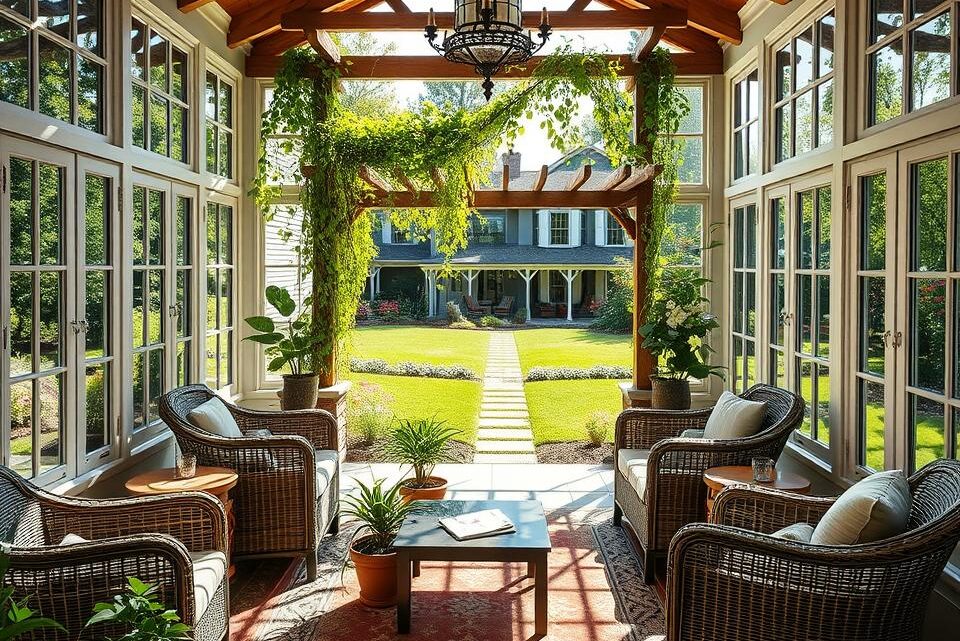
A separate building at the end of your garden can become a bright retreat for home offices, art studios, or personal gyms. Rules in the UK often require a formal approach, so many homeowners seek clarity on garden room planning.
Permission garden room guidelines depend on local councils. Each authority checks size, design, and placement. This handbook presents steps to navigate these procedures, gather vital documents, and comply with British regulations.
Inhaltsverzeichnis
Key Takeaways
- Local regulations differ across the UK
- Proper paperwork caps delays
- Choice of size and design affects approval
- Clear planning lays out a smoother build
- Understanding council rules saves extra work
Understanding the Basics of Planning Consent
Starting any construction at home can raise questions about local guidelines. Getting familiar with planning consent streamlines decision-making under UK planning laws. It helps you clarify what projects demand approval and which aspects remain flexible.
https://www.youtube.com/watch?v=YHsrjzV3L4s
Key Terms Explained
Planning permission is the official nod from a council, giving you the right to build or alter property. Development control refers to the process councils use to assess if a scheme aligns with rules. A lawful development certificate confirms a project’s legal status, shielding you from uncertainty.
| Term | Definition |
|---|---|
| Planning Permission | Formal consent for construction or alteration |
| Development Control | Local council oversight of building proposals |
| Lawful Development Certificate | Evidence that a project requires no further approval |
Common Misconceptions
Some believe small outbuildings never need consent. Others assume any new structure is permitted by default. These notions overlook rule variations tied to boundaries, design, and project scale. Awareness removes guesswork and saves you from potential conflicts down the line.
Identifying Garden Room Criteria

These structures often include insulation, proper roofing, and secure entry points. They serve as handy escapes for work or relaxation, yet differ from a basic shed. Planners consider purpose, materials, and how the new addition harmonises with existing surroundings.
Extra living space remains popular for families seeking tranquil corners at home. Storing garden tools or setting up a cosy hobby area can define the type of building you have. Meeting outbuilding regulations starts with ensuring that dimensions fit official guidelines and that any chosen innovations stay compliant.
Investing in windows and sturdy walls makes these rooms multi-functional. This approach keeps your project aligned with local policies while offering comfort and privacy.
| Garden Room Aspect | Consideration |
|---|---|
| Size and Layout | Must support intended use without breaching limits |
| Construction Materials | Impacts durability, style, and maintenance |
| Location Within Property | Potential effect on neighbours and surroundings |
Crucial Steps for permission garden room Approval
Securing permission garden room status can involve patience and focus. Strong groundwork supports a smooth route through official channels, reducing stress and saving resources. Intentional planning and clear objectives inspire confidence in your application.
Initial Research
Searching local guidelines is a vital start. Government portals often outline rules on height, size, and materials for additions to your property. Reading each document helps you gather facts that shape your blueprint. There is benefit in preparing sketches or draft plans early, making it easier to adjust design features as needed.
Consulting Professionals
Architects, contractors, or planners provide valuable insights on structural choices. Their input confirms core details are compliant and safe. Local specialists know what councils expect, which supports efficient review of your forms. Each small detail, such as roof design or environmental impact, can streamline the path to acceptance. With these planning permission tips, homeowners stand a better chance of a timely decision.
Permitted Development Rights Demystified
Garden rooms often gain rapid acceptance when they meet permitted development rules. Builders and homeowners benefit from reduced planning delays and fewer administrative costs. Key conditions revolve around maximum potential height and proximity to property boundaries. A basic check of these criteria can save time and stress.

It may help to review essential points before starting construction. Timely preparation can simplify compliance and avoid unexpected fees. Some projects remain exempt, yet others may require a full application. A clear roadmap prevents confusion.
- Confirm overall roof height and eaves measurements
- Check boundary offsets to maintain the right distance
- Seek guidance if the site sits in a special regulated zone
Navigating Height and Size Restrictions
Planning a garden building involves checking height limits and overall size. Many local authorities focus on the effect your structure may have on neighbours. Well-placed designs protect privacy and fit in with existing surroundings.
Single-Storey Guidelines
For single-storey layouts, eaves height often comes under strict rules. It is essential to keep a safe distance from boundary lines, preventing any risk of overshadowing. Involving experts in the early stages can streamline approvals.
Multi-Use Spaces
Some homeowners add loft areas or more elaborate layouts. Awareness of expansion guidelines aids in preserving sightlines and neighbourly goodwill. Careful planning lets you maximise storage or workspace without exceeding limits.

| Height Factor | Key Consideration |
|---|---|
| Eaves Limit | Often around 2.5 metres |
| Overall Roof Peak | May extend up to 4 metres (for certain pitched styles) |
Positioning Your Garden Room for Success
Finding the perfect spot can protect privacy and keep everyday living peaceful. Many opt to place garden rooms near shared fences, though it’s wise to leave enough space for repairs and fresh air. Evaluating natural lighting can ensure a bright interior, and landscaping solutions often help with sloped or irregular plots.
Drainage and power connections deserve attention before any groundwork begins. Neighbour consent sometimes plays a key role, especially if you’re placing a structure close to another property. An open chat can resolve worries about overshadowing and preserve harmony on your street.
Some prefer adding subtle landscaping features to blend the new build with existing greenery. This approach maintains the rustic charm of traditional gardens while easing height restrictions and preventing water runoff problems. Neighbour consent helps maintain goodwill and averts any potential disputes over shared boundaries.

Addressing Conservation and Listed Buildings
Preserving character features often demands extra care when planning a garden room near a historic place. Local councils may request thorough documentation to confirm that building compliance meets regulations in protected surroundings.
Location and style matter in these sites. Owners who respect the original architecture give new structures a chance to blend well with older designs. This approach keeps heritage intact for future generations.
Key Conservation Principles
Materials must complement the setting without clashing with existing designs. Planners usually check if heritage elements stay visible and remain unharmed. Traditional brickwork or natural timber can reinforce authenticity while protecting the environment.
Applying for Consent
Conservation officers may look for heritage impact statements before approving changes. This process clarifies how the new addition respects the site’s background. Submitting complete forms and consulting experts might speed up the timeline. Failure to follow guidance could lead to delays, which is why clarity in each document is vital.
Dealing with Neighbour Consent
Open dialogue often fosters harmony when planning a garden room. Neighbours appreciate consistent communication that clarifies potential changes. Some homeowners in conservation areas invite those next door to preview layout ideas and ease possible concerns. Short gatherings spur constructive feedback and build trust.
Offering a visual outline can dispel doubts about property lines and shading. Courteous updates on possible noise or traffic changes help everyone stay informed. Better rapport reduces conflicts, which is especially vital for projects in conservation areas. Balancing individual goals with community comfort keeps the application process peaceful.
- Share project sketches early
- Encourage open-ended discussions
- Address boundary and noise questions
| Communication Method | Advantage |
|---|---|
| Face-to-face conversation | Builds immediate trust |
| Group meeting | Encourages shared insights |
| Visual presentations | Clarifies design aspects |
Tips to Streamline the Application Process
Securing permits may demand patience, though a proactive approach can reduce stress. Strong planning is often the key, minimising last-minute obstacles. Local authorities appreciate well-organised applications and clarity around factors like listed buildings approval. Keep each document labelled, from structural diagrams to site maps.
Staying Organised with Paperwork
Gather approvals, architectural sketches, and any environmental reports in a neatly arranged folder. Use digital tools to track submission dates and responses. Double-check forms to ensure accuracy. Items related to listed buildings approval may be filed separately to meet heritage requirements.
Managing Timelines
A structured timeline minimises confusion. Spread out tasks across weeks or months with planned buffer slots. This approach helps accommodate building inspections, local reviews, or contractor consultations. Timely communication with suppliers ensures everyone remains on track.
Clear coordination of each step keeps progress smooth and sidesteps setbacks. A calm schedule fosters confidence, letting you and your team focus on quality results.
Conclusion
Every homeowner has distinct goals when transforming unused space into a peaceful garden retreat. Thoughtful design choices, awareness of planning guidelines, and clear communication with local authorities help usher each idea from concept to reality.
The application process may involve careful checks on height limits and layout, especially for properties near conservation areas. Staying mindful of the application process means following specific steps and gathering the right documents. Seeking advice from professionals, such as architects or the Planning Portal, reduces confusion and keeps your plans on track.
Securing the necessary permissions adds lasting value to any home. A well-laid plan ensures personal comfort and boosts buyer appeal. With good preparation, each step can pass smoothly, leading to a garden room that truly enhances your living space.
FAQ
Do I always need planning permission for a garden room in the UK?
According to GOV.UK guidelines, many outbuildings fall under permitted development rights if they meet specific conditions, such as remaining below the maximum height requirements and respecting boundary rules. However, if your scheme is larger or in a protected area, you may need formal planning consent from your local council.
What is the difference between planning permission and a lawful development certificate?
Planning permission is formal consent given by your local authority for a new development. A lawful development certificate, however, confirms that an existing or proposed building project is lawful under current regulations. This certificate can provide extra reassurance if you decide to sell your property or wish to prove that your garden room meets development control guidelines.
How do I handle boundary concerns with neighbours?
Maintaining positive relationships with neighbours is key. Position your garden room thoughtfully to minimise overshadowing or blocking a neighbouring view. Clear communication—perhaps sharing architectural drawings or inviting them to see your plans—often eases worries about building compliance, distance from fences, and other planning permission requirements.
Are there specific height limits under permitted development rules?
Typically, the eaves height of your garden room should not exceed 2.5 metres if the structure is within two metres of a boundary. If it’s positioned further away, higher limits may apply. Always check official references like the Planning Portal or consult a professional for up-to-date height guidelines that ensure approval for your permission garden room.
When should I consult professionals like architects or planning consultants?
Consulting specialists early can streamline the process. Architects, contractors, or planning consultants can help produce the precise drawings required by local authorities, advise on structural elements, and guide you through environment or conservation considerations. Their expertise can prevent delays and help secure swift approval.
What if my property is in a conservation area or has a listed building?
In conservation zones, you’ll need to follow tighter rules set by conservation officers. Projects near listed buildings must respect heritage statements and key conservation principles. This often involves using suitable materials and demonstrating that the new development won’t harm the site’s historical or architectural value.
How can I stay organised when applying for planning consent?
Keep a dedicated folder—physical or digital—containing all documents, including architectural plans, heritage statements (if needed), and any correspondence with the local authority. Tracking your timeline carefully helps you meet submission deadlines and prepare for potential site inspections.
What steps can help with smooth project approval?
Research your local council’s rules, consult GOV.UK planning guidance, and pay close attention to permitted development criteria. Sharing plans with neighbours, considering environmental impacts, and following maximum height and boundary guidelines will all help you navigate development control more efficiently. This proactive approach can significantly reduce the risk of unexpected setbacks.