Gardenroom thicknesses compared
Selecting the right wall thickness for your garden room is a critical decision that impacts everything from insulation performance to long-term usability. Garden room wall thicknesses can significantly influence your space’s comfort, energy efficiency, and overall functionality.
When exploring gardenroom wall thicknesses compared, you’ll encounter several standard options that cater to different needs and budgets. Understanding these variations helps you make an informed investment that meets your specific requirements for garden room insulation and structural integrity.
Each wall thickness presents unique advantages, whether you’re planning a seasonal retreat, home office, or year-round living space. Your choice will directly affect thermal performance, durability, and the overall value of your garden room.
Inhaltsverzeichnis
Key Takeaways
- Wall thickness directly impacts thermal efficiency
- Different thicknesses suit various usage requirements
- Insulation performance varies with wall construction
- Cost and durability are closely linked to thickness
- Climate considerations play a crucial role in selection
- Professional consultation can help optimize your choice
Understanding the Importance of Wall Thickness in Your Garden Room
When considering a garden office, wall thickness plays a critical role in determining your space’s overall performance and comfort. The right wall thickness directly impacts thermal performance, ensuring your garden room remains a functional and efficient workspace throughout the year.
Garden office insulation is not just about keeping warm. Thick walls provide multiple benefits that extend beyond simple temperature control:
- Enhanced energy efficiency
- Superior sound insulation
- Reduced heat loss during winter
- Better temperature regulation
Thinner walls might seem cost-effective initially, but they often lead to significant long-term expenses. Inadequate wall thickness can create uncomfortable temperature fluctuations, making your garden room less usable during extreme weather conditions.
Investing in proper wall thickness is investing in your comfort and productivity.
The key considerations for wall thickness include maintaining stable internal temperatures, minimising condensation risks, and creating a robust structure that withstands various environmental challenges. Your garden room’s wall thickness determines its year-round functionality.
By understanding these crucial factors, you’ll be better equipped to select a garden room that provides optimal thermal performance and energy efficiency for your specific needs.
Standard Wall Thickness Options for Garden Rooms
When selecting a garden room, understanding wall thickness options becomes crucial for determining its seasonal use and overall performance. Different wall panel specifications impact your garden room’s functionality, durability, and comfort level.
Garden room manufacturers typically offer three primary wall thickness options to suit various needs and budgets. Each thickness provides unique benefits and limitations for your outdoor space.
28mm Wall Thickness Specifications
The 28mm garden room represents the most economical wall thickness option. Ideal for seasonal use during spring and summer, this thickness works best for:
- Summer storage spaces
- Occasional leisure areas
- Hobby workshops
Constructed from Nordic spruce or pine timber panels, 28mm walls feature interlocking tongue-and-groove designs. They provide basic protection but offer minimal insulation for year-round use.
44mm Wall Thickness Specifications
A mid-range option, 44mm wall panels offer improved thermal performance compared to thinner alternatives. This thickness suits:
- Home offices
- Art studios
- Transition season spaces
70mm Wall Thickness Specifications
The most robust wall panel specification, 70mm thickness delivers exceptional insulation and structural integrity. Perfect for:
- Year-round living spaces
- Professional workshops
- High-performance garden rooms
Select your garden room’s wall thickness based on intended use, budget, and desired seasonal functionality.
How Insulation Performance Varies with Wall Thickness
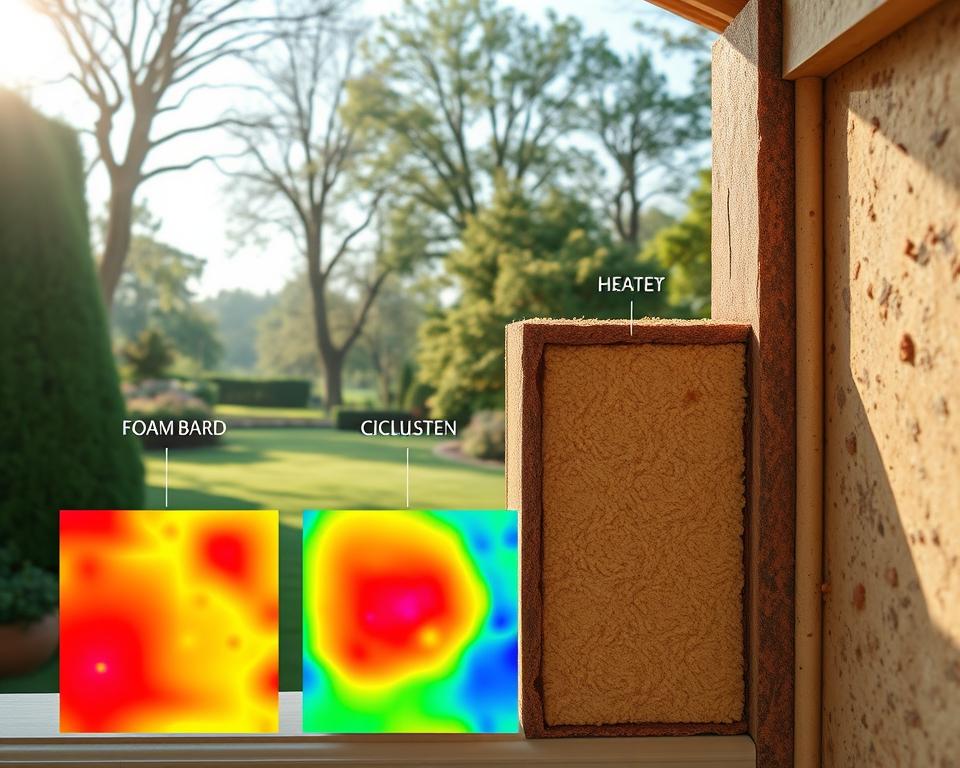
Understanding the relationship between wall thickness and thermal performance is crucial when selecting a garden room. Your garden room’s insulation directly impacts its energy efficiency and comfort levels throughout the year.
U-value ratings play a critical role in measuring thermal transmittance. Thicker walls typically provide superior U-value ratings, which means less heat escapes from your garden room. Let’s explore how different wall thicknesses influence thermal performance:
- 28mm walls: Offer basic thermal protection with U-value ratings around 1.5-2.0 W/m²K
- 44mm walls: Provide improved insulation with U-value ratings between 1.0-1.5 W/m²K
- 70mm walls: Deliver exceptional thermal performance with U-value ratings of 0.5-1.0 W/m²K
Thicker walls reduce thermal bridging, minimising condensation risks and creating a more stable internal environment. By selecting appropriate wall thickness, you can significantly reduce heating costs and maintain comfortable temperatures year-round.
“Investing in proper wall insulation is like wrapping your garden room in a thermal blanket” – Garden Room Design Expert
Additional insulation materials can further enhance your garden room’s energy efficiency, making it a versatile space regardless of external temperatures.
Gardenroom Wall Thicknesses Compared
Navigating the world of garden room wall thicknesses can be challenging. When comparing garden room options, understanding the nuanced differences between wall thickness options becomes crucial for making an informed decision.
Your garden room’s thermal performance directly correlates with its wall thickness. Different wall thicknesses offer unique advantages for various usage scenarios.
Comprehensive Thickness Analysis
Let’s explore the key characteristics of different wall thickness options:
- 28mm Walls: Budget-friendly, suitable for seasonal use
- 44mm Walls: Balanced performance, versatile application
- 70mm Walls: Premium insulation, year-round functionality
Performance Metrics Breakdown
| Wall Thickness | Thermal Efficiency | Cost Range | Recommended Use |
|---|---|---|---|
| 28mm | Low | £ | Summer/occasional use |
| 44mm | Medium | ££ | Extended seasonal use |
| 70mm | High | £££ | Year-round professional space |
When gardenroom wall thicknesses are compared, your specific requirements will determine the most appropriate option. Consider your budget, intended use, and climate conditions to select the optimal wall thickness for your garden room.
Cost Implications of Different Wall Thicknesses

When considering a garden room, understanding the financial implications of wall thickness is crucial. Your garden room cost directly relates to the wall thickness options you choose. Thinner walls might seem more budget-friendly initially, but they can lead to higher long-term expenses.
Let’s break down the financial considerations:
- 28mm walls typically represent the most economical upfront investment
- 44mm walls offer a balanced approach between cost and performance
- 70mm walls provide maximum insulation but require a higher initial outlay
Budget-conscious homeowners should consider the total cost of ownership, not just the purchase price. Thinner walls can result in:
- Increased heating costs
- Potential need for additional heating systems
- Shorter lifespan requiring earlier replacement
“Investing in quality wall thickness is investing in your property’s long-term value” – Garden Room Design Experts
Your wall thickness options impact installation labour, material expenses, and foundation requirements. A 70mm wall might cost 30-40% more upfront but could save significant money on energy bills over time.
Carefully evaluate your specific needs, climate, and intended use to make the most financially sound decision for your garden room investment.
Structural Integrity and Durability Considerations
When selecting a garden room, understanding structural durability becomes crucial for long-term performance and reliability. Wall panel specifications play a significant role in determining how your garden room will withstand various environmental challenges.
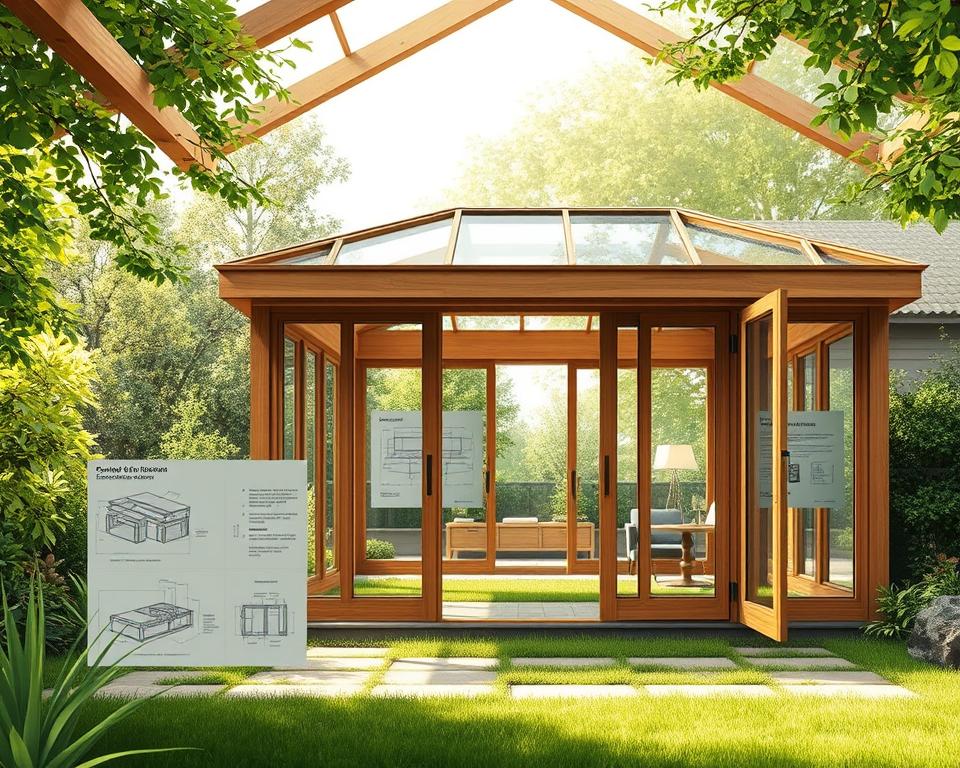
Garden rooms experience multiple stress factors throughout their lifecycle. The structural integrity of your building depends heavily on wall thickness and construction quality. Different wall thicknesses offer varying levels of resilience and load-bearing capacity.
Load-Bearing Capacity by Thickness
Wall thickness directly impacts a garden room’s ability to support additional weight and resist external pressures. Here’s a breakdown of load-bearing characteristics:
- 28mm walls: Limited load-bearing capacity
- 44mm walls: Moderate structural support
- 70mm wall construction: Maximum load-bearing potential
| Wall Thickness | Load Capacity | Recommended Use |
|---|---|---|
| 28mm | Low | Light storage, basic garden room |
| 44mm | Medium | Home office, hobby room |
| 70mm | High | Workshop, heavy equipment storage |
Weather Resistance and Longevity
Thicker walls provide superior weather resistance. 70mm wall construction offers exceptional protection against temperature fluctuations, moisture, and external environmental stresses. This enhanced structural durability ensures your garden room remains stable and functional for many years.
Investing in robust wall specifications means better long-term performance, reduced maintenance costs, and increased resilience against potential structural challenges.
Climate Suitability for Various Wall Thicknesses
Selecting the right wall thickness for your year-round garden room depends critically on the UK’s diverse climate zones. Your garden office insulation needs vary dramatically across different regional microclimates, from sheltered southern coastlines to exposed northern landscapes.
Climate considerations for garden room wall thickness include:
- Wind exposure levels
- Local temperature ranges
- Seasonal precipitation patterns
- Geographical orientation
In regions with harsh winters, such as Scotland or the Pennines, thermal performance becomes paramount. A 70mm wall thickness offers superior insulation, ensuring your garden office remains comfortable during prolonged cold periods. Conversely, milder southern areas might find 44mm walls adequate for year-round usage.
Your specific location’s microclimate plays a crucial role in determining optimal wall thickness. Factors like surrounding vegetation, building proximity, and ground elevation can significantly impact temperature regulation and overall garden room comfort.
Key recommendations for climate-appropriate garden room selection:
- Assess your local weather patterns
- Consider intended usage frequency
- Evaluate potential heat loss areas
- Consult local garden room specialists
Investing in appropriate wall thickness prevents common issues like condensation, temperature fluctuations, and excessive heating costs. Your garden room should adapt seamlessly to the UK’s challenging and variable climate conditions.
Planning Permission and Building Regulations for Wall Thickness
Navigating the complexities of UK building regulations for garden rooms can be challenging. Understanding the legal requirements ensures your garden room project complies with local standards and avoids potential costly modifications.
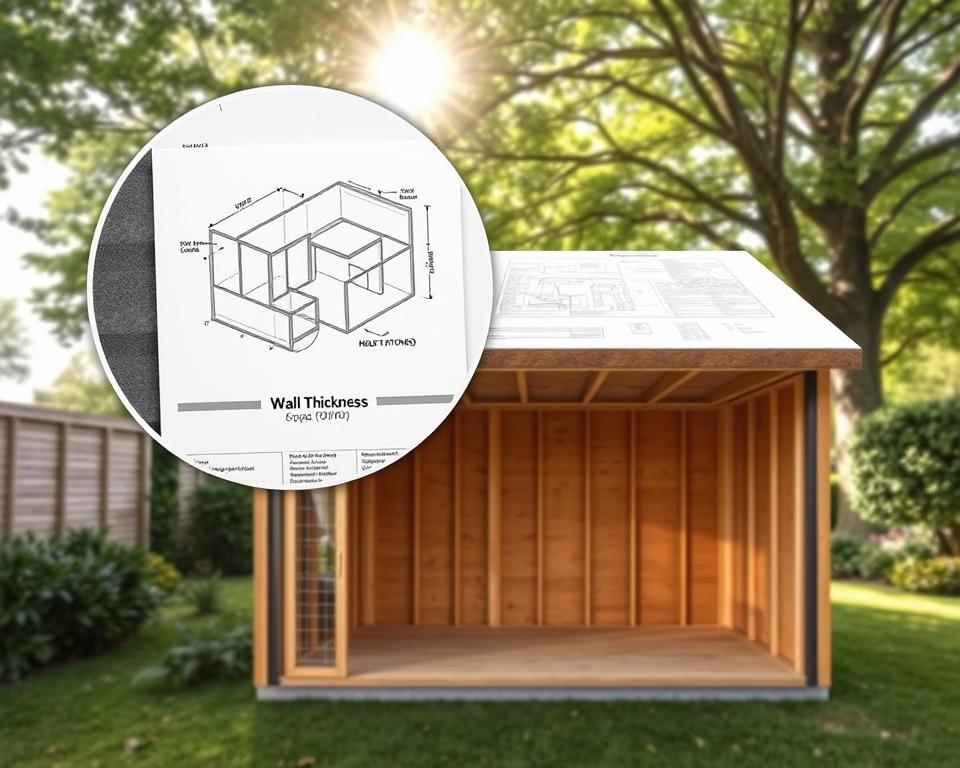
Garden room construction involves several crucial regulatory considerations. The UK building regulations dictate specific requirements depending on your garden room’s intended use and characteristics.
UK Building Standards Requirements
When planning your garden room, you’ll need to consider several key regulatory aspects:
- Structures under 15 square metres typically exempt from full building regulations
- U-value ratings must meet thermal performance standards
- Wall thickness impacts overall structural compliance
“Proper understanding of planning permission can save you significant time and expense in your garden room project.”
When You Need Planning Approval
Planning permission for garden rooms depends on several critical factors:
- Distance from property boundaries
- Intended use of the garden room
- Total floor area and height
- Proximity to existing structures
Garden rooms used as habitable spaces require more stringent compliance with UK building regulations. Specifically, walls must meet minimum U-value ratings of 0.3 W/m²K, typically achieved with 70mm construction or enhanced 44mm insulation systems.
Consulting local planning authorities will provide definitive guidance for your specific garden room project, ensuring you meet all necessary UK building regulations and planning permission requirements.
Choosing the Right Thickness for Your Intended Use
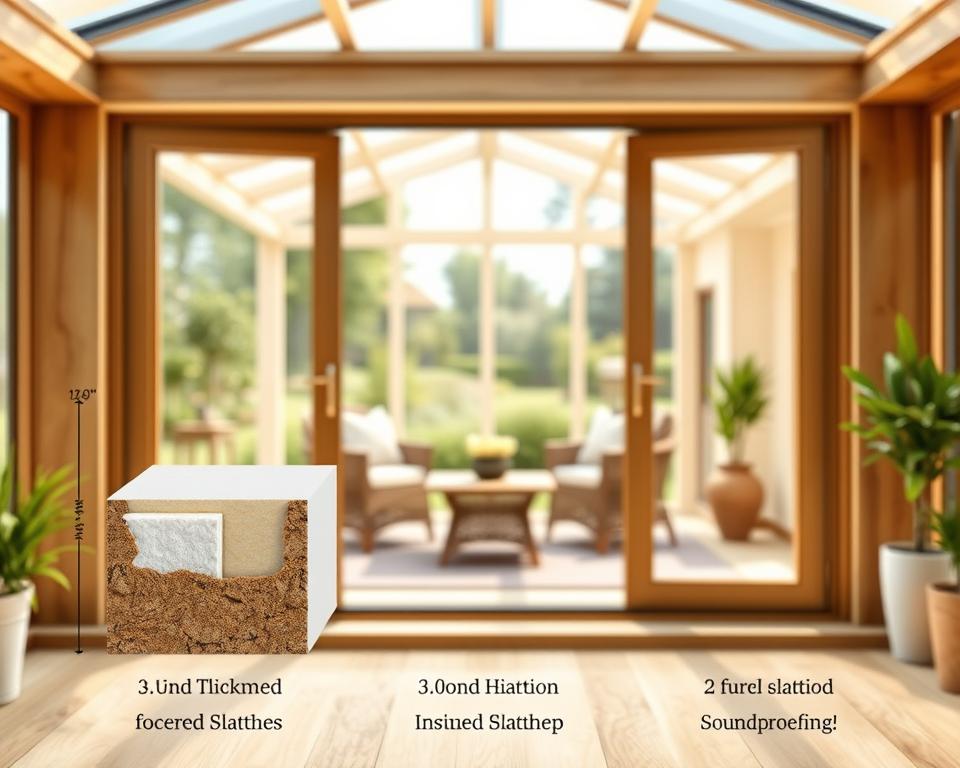
Selecting the ideal wall thickness for your garden room depends critically on your specific usage requirements. Your garden office insulation needs will vary dramatically based on how you plan to use the space throughout the year.
Consider these key factors when determining wall thickness:
- Seasonal usage patterns
- Frequency of occupancy
- Primary functional purpose
- Climate considerations
A year-round garden room demands more robust wall construction. For occasional seasonal use, thinner walls might suffice, but professional spaces require substantial insulation. 70mm walls provide exceptional thermal performance for spaces used consistently during colder months.
Matching wall thickness to your specific needs ensures optimal comfort and energy efficiency:
- 28mm walls: Ideal for summer storage or occasional relaxation spaces
- 44mm walls: Suitable for spring/autumn hobby rooms with supplementary heating
- 70mm walls: Essential for professional garden offices requiring year-round comfort
Your investment should align with long-term usage expectations. Future-proofing your garden room by selecting appropriate wall thickness can save significant costs and prevent potential retrofitting expenses.
Installation Complexity and Timeframes
Selecting the right garden room involves understanding the installation requirements and wall panel specifications. The complexity of your project directly relates to the wall thickness you choose, impacting both time and professional expertise needed.
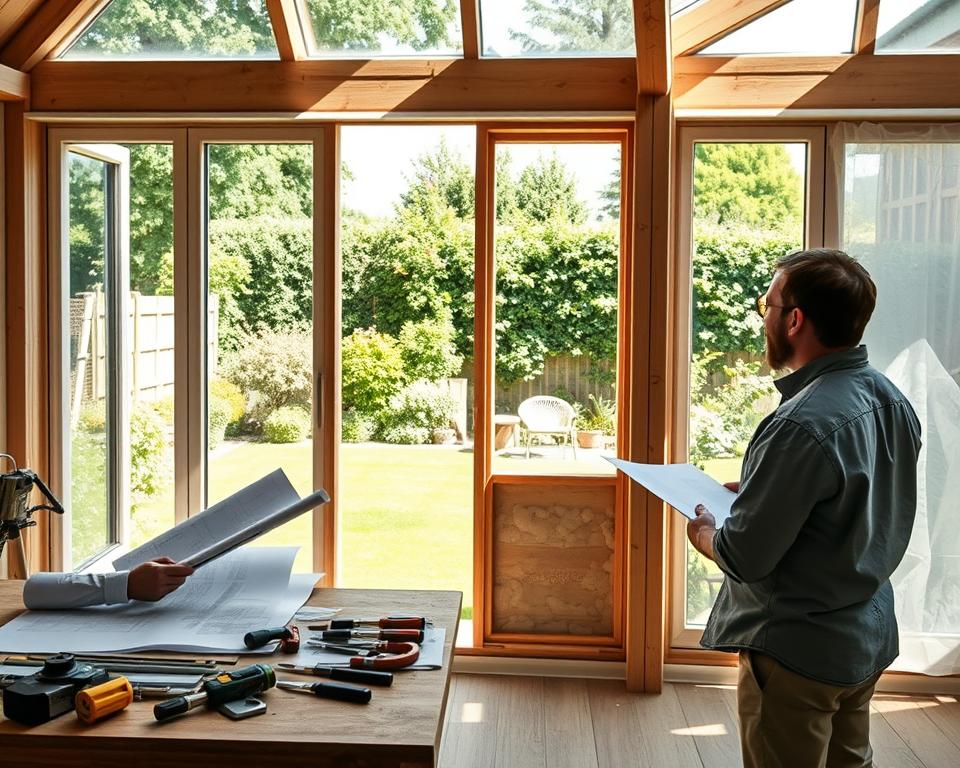
- 28mm Wall Panels: Typically most suitable for DIY enthusiasts
- 44mm Wall Construction: Requires more specialised handling
- 70mm Wall Construction: Demands professional installation expertise
Professional Installation Considerations
Your garden room’s wall thickness determines the installation approach. Thinner 28mm panels can often be managed by two people, with assembly taking approximately 2-3 days. Conversely, 70mm wall construction necessitates professional intervention due to increased panel weight and precision requirements.
“The right installation approach ensures your garden room performs optimally for years to come.”
Key installation factors include:
- Panel weight and manoeuvrability
- Foundation preparation
- Site access limitations
- Vapour barrier integration
Professional installers understand the nuanced wall panel specifications, ensuring your garden room meets structural integrity and performance standards. Budget for labour costs and extended timeframes when selecting thicker wall constructions.
Long-Term Maintenance Requirements by Wall Thickness
Understanding the maintenance considerations for your garden room is crucial to preserving its structural durability and weather resistance. Different wall thicknesses directly impact the long-term care and preservation of your outdoor space.
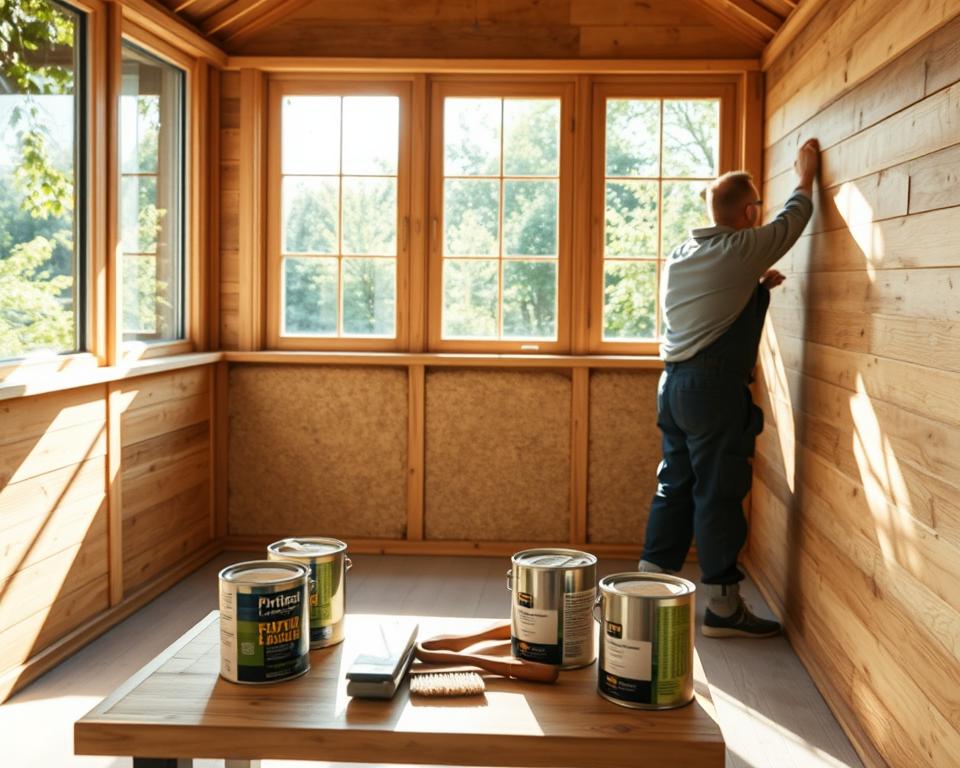
Wall thickness plays a significant role in determining maintenance frequency and intensity. The thickness of your garden room walls influences several key maintenance aspects:
- Protection against environmental factors
- Frequency of treatment applications
- Structural integrity preservation
Thinner walls (28mm) typically require more frequent maintenance. You’ll need to plan for:
- Annual protective treatment
- More rigorous inspection routines
- Potential earlier interventions for weather damage
Thicker walls (44mm and 70mm) offer enhanced weather resistance and reduced maintenance demands. These options provide:
- Extended treatment intervals
- Better protection against moisture
- Improved structural durability
Your maintenance strategy should consider the specific characteristics of your chosen wall thickness. Factors like local climate, exposure to sunlight, and surrounding vegetation will impact the care requirements of your garden room.
Pro tip: Regular inspections and timely treatments can significantly extend the lifespan of your garden room, regardless of wall thickness.
Investing time in proper maintenance ensures your garden room remains a beautiful and functional space for years to come.
Conclusion
When comparing gardenroom wall thicknesses, your decision ultimately hinges on balancing practical requirements with long-term investment. Each wall thickness option presents unique advantages that directly impact your garden room’s performance, comfort, and durability.
The garden room comparison reveals critical insights into wall thickness selection. A 28mm wall suits budget-conscious users seeking seasonal utility, while 44mm provides versatile performance for extended use. For those demanding year-round functionality, 70mm walls offer superior thermal protection and structural integrity.
Your choice should reflect precise usage intentions, local climate conditions, and financial considerations. Thicker walls represent a higher initial investment but deliver significant benefits: enhanced insulation, reduced energy costs, and extended structural lifespan. Careful evaluation of your specific needs will prevent unnecessary expenditure or future performance disappointments.
Professional advice remains crucial. Request detailed specifications from reputable suppliers, verify construction methods, and consider total ownership costs beyond initial purchase price. By understanding the nuanced differences in gardenroom wall thicknesses, you’ll create a space that meets your expectations and provides lasting value.
FAQ
What is the most important factor when choosing garden room wall thickness?
The most crucial factor is your intended usage and climate conditions. Wall thickness directly impacts insulation performance, structural integrity, and year-round usability. Consider whether you need a seasonal space or a year-round working environment when selecting between 28mm, 44mm, and 70mm wall specifications.
How does wall thickness affect energy efficiency?
Wall thickness significantly influences thermal performance through U-values. Thicker walls provide better insulation, with 28mm walls typically having U-values of 1.5-2.0 W/m²K, 44mm walls at 1.0-1.5 W/m²K, and 70mm walls at 0.5-1.0 W/m²K. This directly translates to lower heating costs and improved comfort during colder months.
Do I need planning permission for my garden room?
Planning permission depends on several factors, including size, location, and intended use. Generally, garden rooms under 15 square metres, positioned over one metre from boundaries, and used for incidental purposes typically do not require formal approval. However, rooms used as habitable spaces or connected to main dwelling services may need to comply with Building Regulations.
What wall thickness is best for a home office?
For a year-round home office, we recommend 70mm wall thickness. This specification provides optimal insulation, structural integrity, and comfort for daily professional use. It ensures consistent temperature control, reduces heating costs, and supports wall-mounted equipment and fixtures more effectively than thinner options.
How often do I need to maintain my garden room?
Maintenance frequency varies with wall thickness. 28mm walls typically require treatment every 1-2 years, 44mm walls every 2-3 years, and 70mm walls can extend to 3-5 years between treatments. Thicker walls offer greater resilience against weather damage and require less frequent maintenance.
Can I install a garden room myself?
Installation complexity varies by wall thickness. 28mm garden rooms are often suitable for DIY installation and take 2-3 days. 44mm structures typically require professional assistance, taking 3-5 days, while 70mm rooms almost always need professional installation due to panel weight and complexity, usually taking 5-7 days.
How do I choose the right wall thickness for my budget?
Consider total cost of ownership, not just initial purchase price. 28mm walls are 30-40% cheaper upfront but result in higher long-term heating costs. 44mm offers a balance between initial investment and performance, while 70mm provides the best long-term value for year-round use despite higher initial expenses.
What’s the difference between 28mm, 44mm, and 70mm wall thicknesses?
The key differences are in insulation performance, structural integrity, and seasonal usability:
– 28mm: Suitable for seasonal storage, minimal insulation
– 44mm: Good for extended seasonal use, moderate insulation
– 70mm: Ideal for year-round professional spaces, superior insulation and structural strength
How does wall thickness impact climate suitability?
Wall thickness is crucial in different UK climate zones. Southern coastal areas might manage with 44mm walls, while exposed northern or highland locations require 70mm walls for adequate insulation and comfort. Your specific garden’s microclimate, including wind exposure and orientation, should guide your thickness selection.
What materials are typically used in garden room wall construction?
Most garden rooms use Nordic spruce or pine timber for wall construction. The quality and thickness of these timber panels determine the overall performance. Thicker walls (70mm) typically use higher-grade timber with enhanced factory treatments, providing better durability and weather resistance.