is a potting shed warmer than a greenhouse?
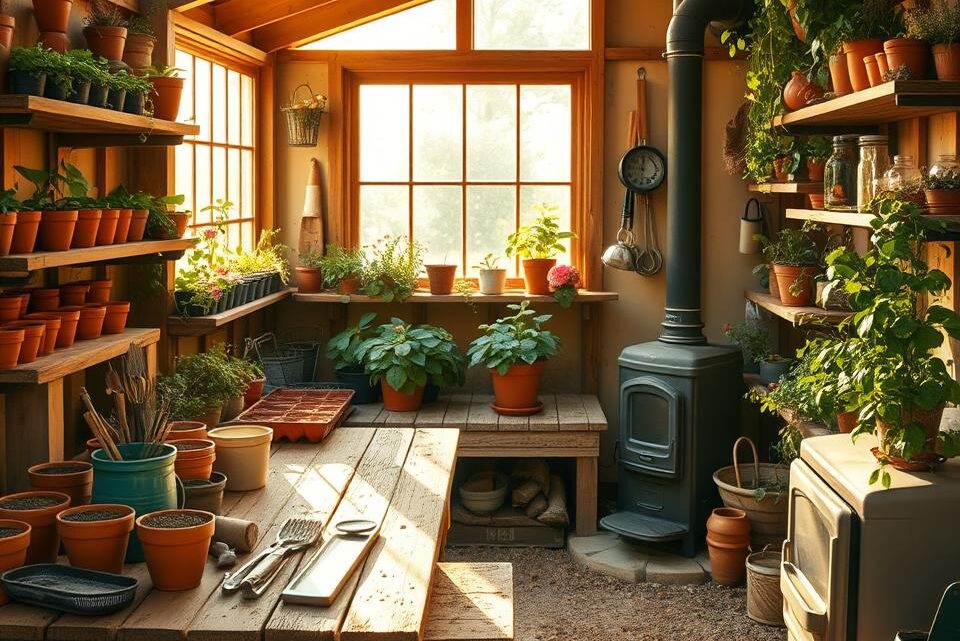
Many British gardeners ask if a potting shed offers better insulation than traditional glass structures. The question of potting shed warmth arises when choosing the best garden structures for year-round growth. Some find these wooden shelters more comfortable, especially in mild climates.
The Royal Horticultural Society suggests that a well-sealed potting shed can be a practical greenhouse alternative. It often retains heat while providing extra workspace for potting and storage. In the end, proper upkeep and insulation determine how cosy a potting shed can be.
Inhaltsverzeichnis
Key Takeaways
- A potting shed can hold heat better than bare glass
- Insulation is crucial for a comfortable indoor climate
- Frequent checks reduce unwanted draughts and moisture
- Simple modifications boost potting shed warmth
- Personal preference decides which setup suits you best
Understanding Temperature Control in Garden Structures
Garden structures rely on a careful balance between warmth and airflow. This balance influences growth, comfort, and overall health of plants. Mastering temperature regulation helps create a stable environment.
The Role of Insulation
Good insulation reduces heat loss and keeps conditions steady. Materials like fibreglass and polystyrene shield your shed from cold drafts, providing garden insulation that benefits seedlings and seasoned gardeners. Retaining warmth can be crucial, particularly in colder months.
Ventilation and Fresh Air Supply
Allowing fresh air to circulate prevents stuffiness and safeguards against mould. Controllable vents or louvre windows maintain airflow while still preserving warmth. This approach supports plant growth and ensures you are maintaining a cosy workspace throughout the year.
is a potting shed warmer than a greenhouse?
Many British gardeners wonder if the potting shed vs greenhouse debate has a clear winner for keeping plants snug. Certain sheds offer strong insulation, reducing draughts that creep through thin glass walls. In cooler months, this design can help retain warmth, which supports healthier conditions for seeds and seedlings.
Some enthusiasts rely on seasonal plant care to time their sowing and potting activities, confident that insulated walls hold vital heat in the depths of winter. Comfort plays a role, too, since a cosy workspace encourages hobbyists to spend more time on tasks like pruning and planning, following reliable British gardeners’ tips to ensure each bloom thrives.
Common Misconceptions
One mistaken belief is that all greenhouses automatically stay warmer. Glazed panels may trap sunlight, yet any gaps allow cold air to seep in. A potting shed built with stout materials can surpass a greenhouse for heat retention, proving that myths do not always match reality.
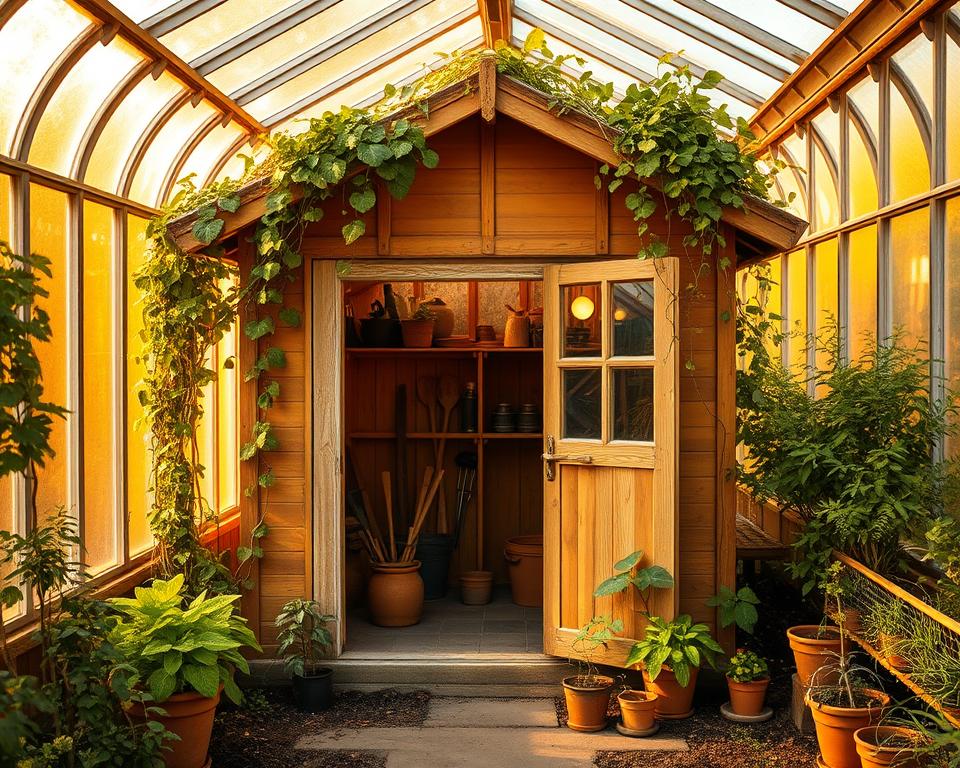
| Feature | Potting Shed | Greenhouse |
|---|---|---|
| Insulation | Stronger timber walls | Mostly thin glazing |
| Heat Retention | Less heat escaping through gaps | Potential draughts in harsh weather |
| Ventilation | Controlled airflow via windows | Greater reliance on vent panels |
Choosing the Right Spot for Your Potting Shed
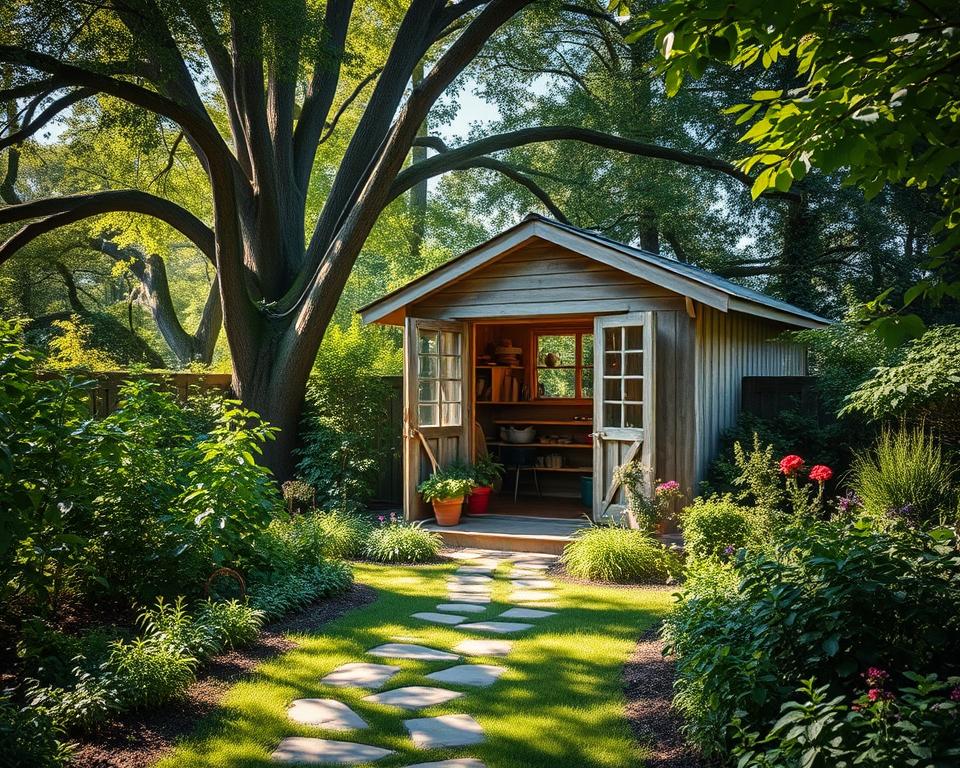
Positioning your potting shed location near a reliable sunlit area keeps its interior warm. A spot that prizes optimal sunlight exposure can reduce heating costs and support healthy plant growth. Placing fences or hedges around the site can cut down on chilly gusts, while proximity to the house might offer extra shelter. This thoughtful setup helps create a stable environment where you can enjoy potting tasks in comfort.
Selecting the best garden spot requires a mindful look at terrain and common weather patterns. A flat surface could simplify construction and lessen the chance of water pooling around the base. Consider a middle ground in your garden, away from tall walls that may cast shadows. This balanced approach leads to improved temperature consistency inside the shed, giving you the ideal space for gardening projects all year round.
Draft-Proofing and Insulation Tips
Small cracks and gaps can turn a once-cosy workspace into a chilly spot. A few clever changes will keep your shed warm and snug.
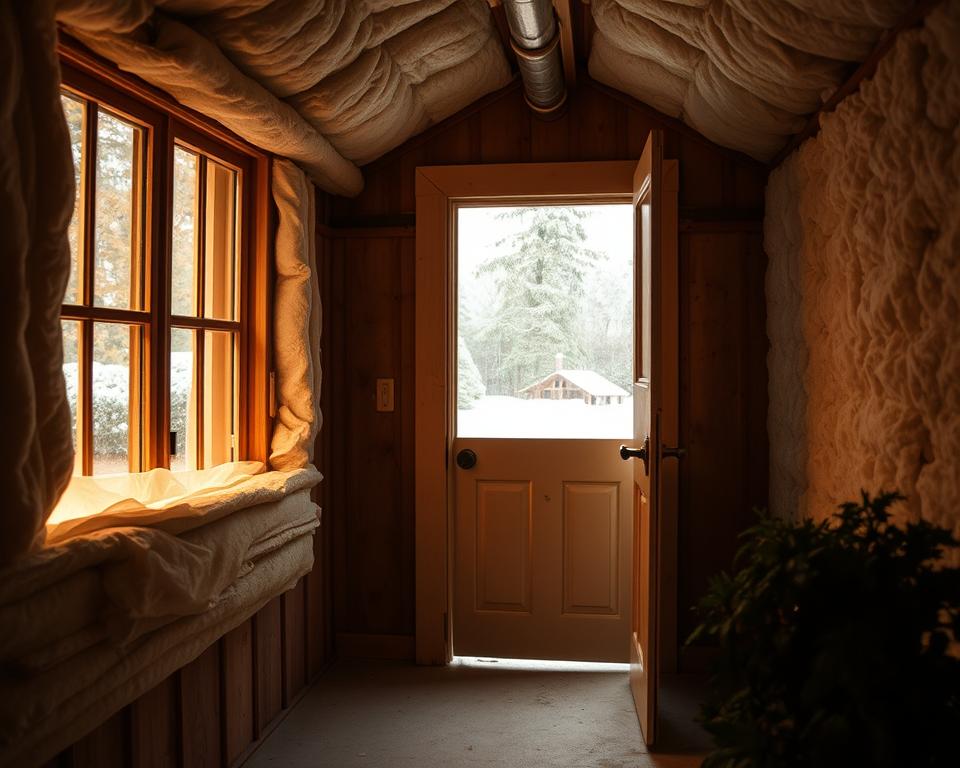
Foam sealant and weatherstrips create an effective barrier. This simple form of draft-proofing blocks out damp air while strengthening shed weatherproofing.
Insulating Windows and Doors
Modern options include self-adhesive tapes that cling firmly to frames. Wooden doors benefit from compression seals and under-door draught excluders designed to fit standard sizes. A few minutes spent sealing edges can guard against frigid gusts that compromise warmth.
Using Bubble Wrap for Extra Warmth
Clear bubble wrap insulation attached to window panes helps trap heat. This budget-friendly approach prevents frost accumulation and preserves comfortable conditions for potting tasks. Secure the wrap with staples or clips, creating a flexible shield for changing temperatures.
Heating Solutions for a Cosy Garden Workspace
Creating a snug environment in your shed is possible with thoughtful heating methods. Warm surroundings keep plants healthy and ensure you stay comfortable while potting. Positioning the right source can lead to minimal heating costs without sacrificing safety.
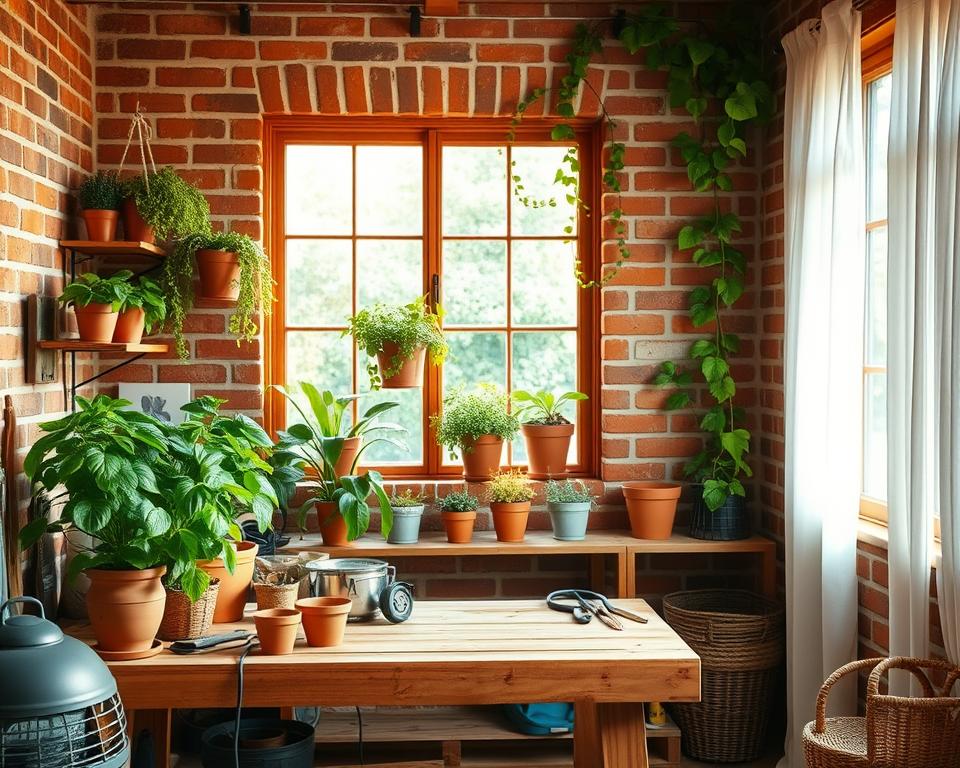
Many UK gardeners rely on potting shed heaters for year-round use. Some models embrace eco-friendly gardening principles, offering lower emissions and reduced running expenses. Finding the right balance of heat and ventilation can help maintain a stable climate for delicate seedlings.
Electric versus Paraffin Heaters
Electric models, such as those from Dimplex, are often praised for steady warmth and simple installation. They operate quietly and deliver quick results. Paraffin heaters provide strong heat output as well, yet they may require regular refills and careful storage.
Tips for Using Solar Power
Solar panels are an appealing choice for those seeking cleaner energy. They harness the sun’s rays to generate warmth, cutting back on emissions. This option can scale with your budget, making it easier to transition to green practices over time.
Maximising Natural Light
Bright, sunlit conditions bring many greenhouse advantages to potting sheds. Large windows and clear roofs can transform dull corners into vibrant plant havens. Positioning your space to capture daylight at peak hours makes a huge difference in seedling health and personal comfort.
Creating an open layout prevents shadows that stunt growth. Reflective surfaces or pale walls amplify every ray, helping you enjoy efficient daylight even on cloudy days. Simple tactics like keeping windows lint-free and removing excess clutter can work wonders. seedlings thrive in balanced warmth and light, so every action shapes their future growth.
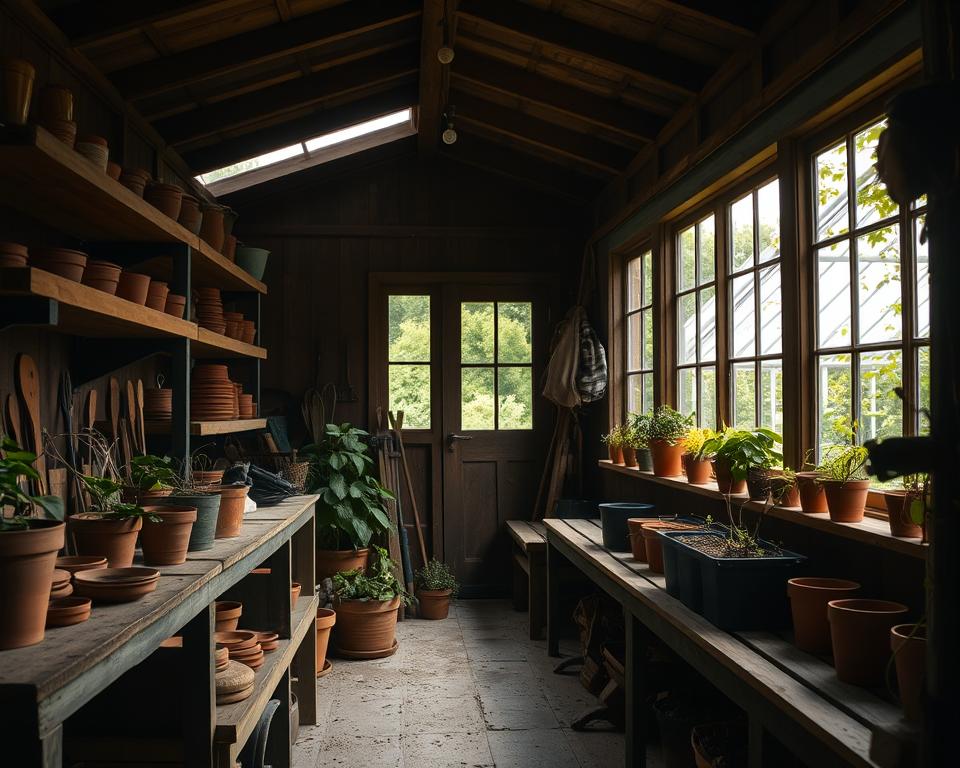
Effective ventilation supports robust greenery, though sunlight is the real star. By harnessing natural lighting solutions, you reduce reliance on power-based systems and nurture healthier plants. These steps encourage a tranquil, inviting environment where you can sow and pot with ease in every season.
Managing Humidity and Airflow
Maintaining the right balance of warmth and moisture leads to healthier plants. Too much moisture can invite mould, so controlling humidity should be a top priority. Fresh airflow supports tidy and welcoming conditions for both gardeners and greenery.
Preventing Damp in Small Spaces
Open vents or small windows let built-up moisture escape. Damp prevention includes regular checks around corners and floors where condensation can settle. Simple tricks, like spacing pots apart and wiping surfaces, keep your area tidy and reduce excess water.
Creating a Healthy Environment for Plants
Circulating air helps you avoid stagnant pockets of heat. Install a gentle fan to move air inside, or select adjustable louvres for better cross-ventilation. Swift changes in temperature are less likely when you track each pocket of warmth and keep an eye on plant needs.
| Tip | Benefit | Frequency |
|---|---|---|
| Use a Hygrometer | Gives clues on humidity levels | Weekly |
| Check Seals | Stops leaks that raise indoor moisture | Monthly |
| Introduce Vents | Ensures fresh airflow | Permanent Setup |
Getting the Most Out of Your Potting Shed All Year Round
Many gardeners treat this space as a place to store tools. It can offer so much more. A well-maintained structure helps with year-round gardening, keeping seeds protected and plants thriving. Insulation and a small heater turn it into a snug retreat where seedlings flourish even when frost sets in.
Some enjoy using it as a multi-purpose shed that supports creative projects or serves as a cosy spot to read. It also works as a four-season greenhouse alternative for cultivating herbs and overwintering delicate plants. Organising your shed with racks and containers makes every job simpler, from repotting blooms to keeping the floor clear of clutter.
- Start seeds earlier to gain a head start.
- Extend harvest times by controlling temperature.
- Protect equipment from damp conditions.
| Season | Key Activities | Handy Tools |
|---|---|---|
| Spring | Seedling Care | Seed Trays, Labels |
| Summer | Pest Monitoring | Netting, Sprays |
| Autumn | Harvest Storage | Containers, Shelving |
| Winter | Overwintering | Bubble Wrap, Heater |
Conclusion
In many cases, a potting shed can be more of a calm oasis than a greenhouse. It all starts with garden structure tips that keep heat locked in. Double-glazed windows and draft-proofing maintain steady temperatures. Wholesome insulation supports a warm potting shed, even when nights turn chilly.
Extra care with ventilation prevents damp or mould, ensuring better air quality for delicate blooms. A small heater or solar-powered fan can help adjust temperatures in line with British climate gardening. This approach keeps your workspace cosy and encourages healthy growth throughout changing seasons.
These strategies transform your shed into a year-round retreat for planting, potting, or staying close to nature. Warm potting shed ideas work best when paired with simple tweaks, like bubble wrap insulation and proper sealing. A few thoughtful steps bring the best of every season, right to your doorstep.
FAQ
Is a potting shed truly warmer than a greenhouse in winter?
In many cases, yes! With proper insulation (such as foam sealant or weatherstrips) and draught-proofing, a potting shed can often retain heat more effectively than a greenhouse, especially in the British climate. This is because it typically has fewer gaps and offers better protection against chilly winds.
How can I insulate my potting shed to keep it cosy?
Focus on sealing windows, doors, and any small gaps. Many British gardeners use weatherstrips and foam sealant from retailers like B&Q or Homebase to block draughts. You can also line interiors with DIY insulation boards to help maintain a comfortable temperature.
Does bubble wrap really help reduce condensation?
Absolutely! Bubble wrap is a budget-friendly way to insulate windows and prevent excess condensation. Cover your shed’s windows during the colder months, and remember to open vents or windows periodically for fresh air, especially if you have seedlings that need good ventilation.
Which heater is better for my shed: electric or paraffin?
Electric heaters are generally cleaner and simpler to run, but you’ll need access to electricity. Paraffin heaters offer portability and can be cost-effective for short-term use. Always follow safety guidelines and consider a model that’s small enough for your shed’s size, yet powerful enough to maintain a comfortable temperature.
Can I use solar power to heat my potting shed?
Solar power can work well in certain setups, especially for running small fans or lights in your shed. However, fully heating a potting shed via solar alone can be challenging during winter when sunlight is limited. Consider combining solar solutions with insulation measures for a more efficient approach.
How do I prevent damp and mildew in a small garden shed?
Proper airflow is essential. Add vents or small windows that you can open regularly to release excess moisture. If you spot any mould, clean it promptly with a mildew cleaner. Regularly checking for leaks or standing water also helps maintain a healthy environment for both you and your plants.
Will enhancing natural light inside my shed affect temperature control?
It can, in a positive way! Keeping your shed bright with transparent panelling or large windows will encourage healthy plant growth. Just make sure you balance warmth with ventilation—too much sunlight without airflow can cause overheating or condensation, even in cooler British weather.
What are some cost-effective supplies for shed insulation?
Many home-improvement stores, such as Screwfix or Wickes, offer affordable materials like bubble wrap, roofing felt, and foam boards. Keep an eye out for sales or discount sections when starting a DIY insulation project. You’ll be able to transform your potting shed into a snug workspace without breaking the bank.