Optimise Garden Rooms: Best Flooring & Storage Options
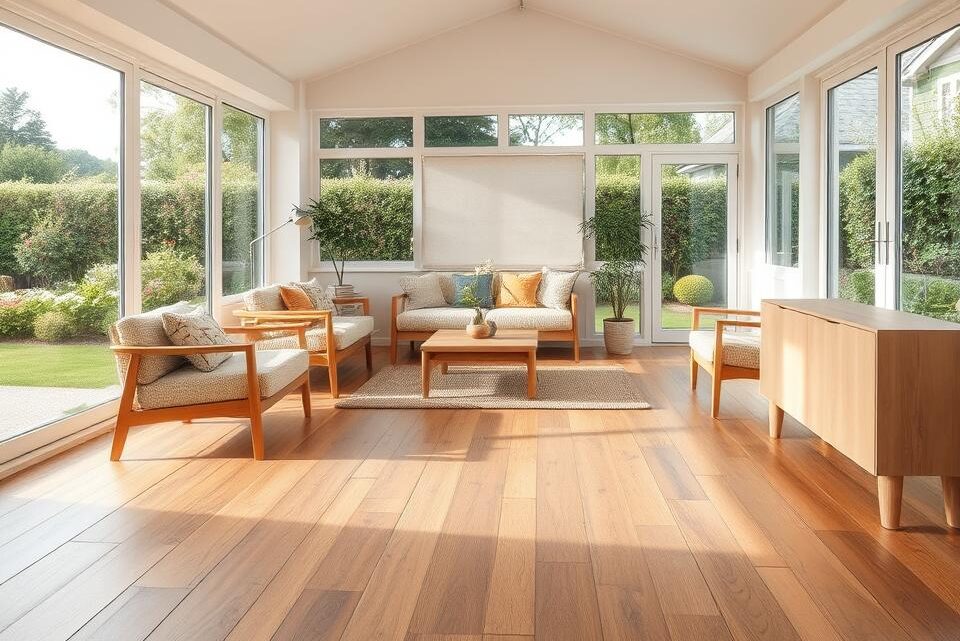
This short introduction sets the scope for homeowners and tradespeople seeking the best flooring and storage options for your garden room. It focuses on practical guidance to maximise comfort, durability and resale value for garden office floors, studios, gyms or relaxation spaces.
The guide covers garden room flooring UK choices and garden room storage ideas that work in British conditions. We compare resilient, moisture-resistant and insulated materials from suppliers such as Quick-Step, Amtico, Karndean and Tarkett, and reference British Standards like BS 8203 for compliant installations.
Readers will gain a clear brief to hand to contractors: a realistic budget for outdoor room refurbishment, recommended material specifications, and storage strategies from built-in cabinetry to modular units. The aim is to extend the usable season of the garden room while protecting finishes and boosting property appeal.
Inhaltsverzeichnis
Key Takeaways
- Understand the main factors—moisture, insulation and wear—when choosing garden office floors.
- Match garden room flooring UK options to intended use: office, gym or studio.
- Consider built-in and modular garden room storage ideas for flexibility and neatness.
- Reference trusted brands (Quick-Step, Amtico, Karndean, Tarkett) and BS 8203 for standards.
- Plan budget and installation method early to avoid costly changes during outdoor room refurbishment.
Why Flooring and Storage Matter in Garden Rooms
Flooring and storage shape how a garden room feels and functions. Thoughtful choices affect thermal comfort, noise control and day-to-day usability. A room that feels warm underfoot and stores items neatly boosts garden room comfort for work, hobbies or relaxation.
Impact on comfort and usability
Underfoot feel matters. Soft surfaces and insulating underlays improve warmth and reduce echoes in a home office or studio. Hard floors clean more easily after craft projects or gym sessions.
Storage design alters flow. Well-placed cabinets and under-seat compartments limit clutter and raise usability. Poor storage choices lead to blocked walkways and less usable floor area, reducing storage impact on usability.
How materials affect longevity in UK climates
The UK’s variable weather stresses materials through humidity, rain and freeze–thaw cycles. Choosing moisture-resistant flooring UK options such as exterior-grade vinyl, porcelain tile or composite decking helps prevent warping and delamination.
Poorly specified wood may cup or warp; low-grade laminates can delaminate; inadequate ventilation invites mould inside cupboards. Specifying the right materials extends garden room longevity and lowers repair costs.
Influence on property value and multi-purpose use
A garden room fitted with durable floors and integrated storage looks finished and flexible. Buyers see a space ready for use as a home office, guest room or studio. That perception can influence property value when marketing a home.
Durable finishes, practical heating and clever storage increase potential uses. Later sections will match floor choices with storage strategies and cover planning implications for conversions to living space.
| Challenge | Common Failure Mode | Practical Fix |
|---|---|---|
| High humidity and condensation | Warping or cupping of untreated timber | Use exterior-grade materials and ventilated subfloor |
| Frequent wet footwear | Staining and surface wear on porous floors | Install moisture-resistant flooring UK and entry mats |
| Poorly fitted laminates | Delamination and swelling at joins | Choose reputable brands and professional installation |
| Inadequate storage ventilation | Mould growth and odours inside units | Design ventilated cabinetry and use moisture-control liners |
| Cluttered layout | Restricted movement and reduced usability | Plan integrated storage to enhance storage impact on usability |
best flooring and storage options for your garden room
Choosing the right floor and storage shapes how a garden room performs day to day. Match materials to use, moisture levels and budget. This section outlines practical pairings, price bands and real UK project snapshots to help you decide.
Matching flooring types with storage solutions
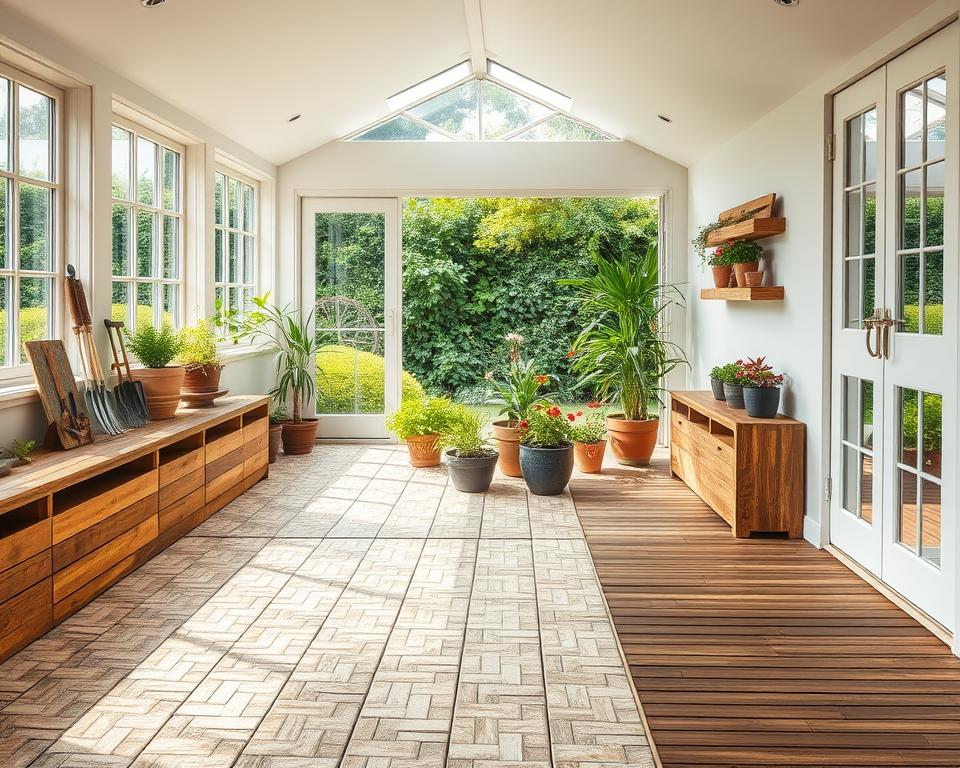
Vinyl plank and tile work well where damp is a risk. Pair luxury vinyl tile (LVT) with built-in timber cabinetry raised on plinths to avoid contact with the floor. Engineered oak fits insulated subfloors best and should combine with closed, moisture-resistant cupboards.
Composite decking inside a glazed threshold gives a seamless look to transitional spaces. Use weatherproof chests and stainless-steel fixings for outdoor-adjacent storage. Rubber or gym-style flooring pairs with wall-mounted racking for heavy-use fitness areas.
- Moisture-prone rooms: waterproof floor + elevated cabinetry.
- Office or studio: LVT or engineered wood + integrated shelving and cable management.
- Hobby or wet zones: porcelain or vinyl + mobile storage trolleys.
Cost versus performance: finding the right balance
Typical price bands help set expectations for garden room cost performance. Low-cost choices include vinyl plank flooring and ready-made modular storage. These work well for short to medium lifecycles.
Mid-range options are engineered wood or luxury vinyl tile combined with bespoke built-ins. They demand higher upfront spend but deliver improved longevity and finish.
High-end solutions use porcelain tile with underfloor heating and custom joinery. These offer top durability and comfort yet need skilled installation and higher budget allocation.
| Band | Typical flooring | Storage solution | Expected lifespan | Installation notes |
|---|---|---|---|---|
| Low-cost | Vinyl plank, basic LVT | Ready-made modular units, plastic chests | 5–15 years | Simple DIY fit, minimal subfloor work |
| Mid-range | Engineered wood, luxury vinyl tile | Bespoke built-ins, wall cabinets | 15–25 years | Professional fitting advised, insulated subfloor |
| High-end | Porcelain tile, stone-look tile with UFH | Custom joinery, solid timber wardrobes | 25+ years | Specialist trades required, moisture control critical |
Case studies of successful garden room layouts
Example 1: A Thames-side garden office used LVT with integrated shelving and under-desk cable trays. The problem was damp and clutter. Chosen materials offered quick install and easy cleaning. Outcome: tidy workspace, good durability and strong garden room cost performance.
Example 2: A hobby studio in Manchester installed porcelain tile and mobile storage trolleys. The problem was heavy tools and spill risk. Porcelain gave moisture resistance while trolleys added flexibility. Outcome: robust surface, high storage capacity and low maintenance.
Example 3: A garden gym in Bristol fitted rubber flooring and wall-mounted racking. The initial issue was impact and equipment storage. Rubber reduced noise and wear; racking freed floor space. Outcome: comfortable training area with durable storage that suited heavy use.
Practical checklist for choosing a combination:
- Define intended use and foot traffic.
- Assess moisture exposure and drainage.
- Decide on heating plan, including underfloor heating needs.
- Set a realistic budget and lifespan target.
- List storage types: built-in, mobile, wall or under-seat.
Durable Flooring Choices for UK Garden Rooms
Choosing durable garden room flooring hinges on use, exposure and substrate. This section outlines resilient options that suit British weather and multi‑purpose spaces. Readable guidance helps you pick materials that last and perform where moisture, traffic and comfort matter.
Composite decking and outdoor-rated laminate
Wood‑plastic composite (WPC) decking from brands such as Trex offers rot resistance, low maintenance and improved slip resistance. That makes it a strong candidate for covered verandas and transitional garden rooms where you want an outdoor aesthetic with indoor durability.
Outdoor-rated laminate exists with enhanced moisture resistance; look for V4 edge ratings from major UK suppliers. These products demand a well‑ventilated subfloor and a damp‑proof membrane to perform. If you plan composite decking indoor use, install over a stable, ventilated platform and ensure expansion gaps are sealed correctly.
Ceramic and porcelain tiles for moisture resistance
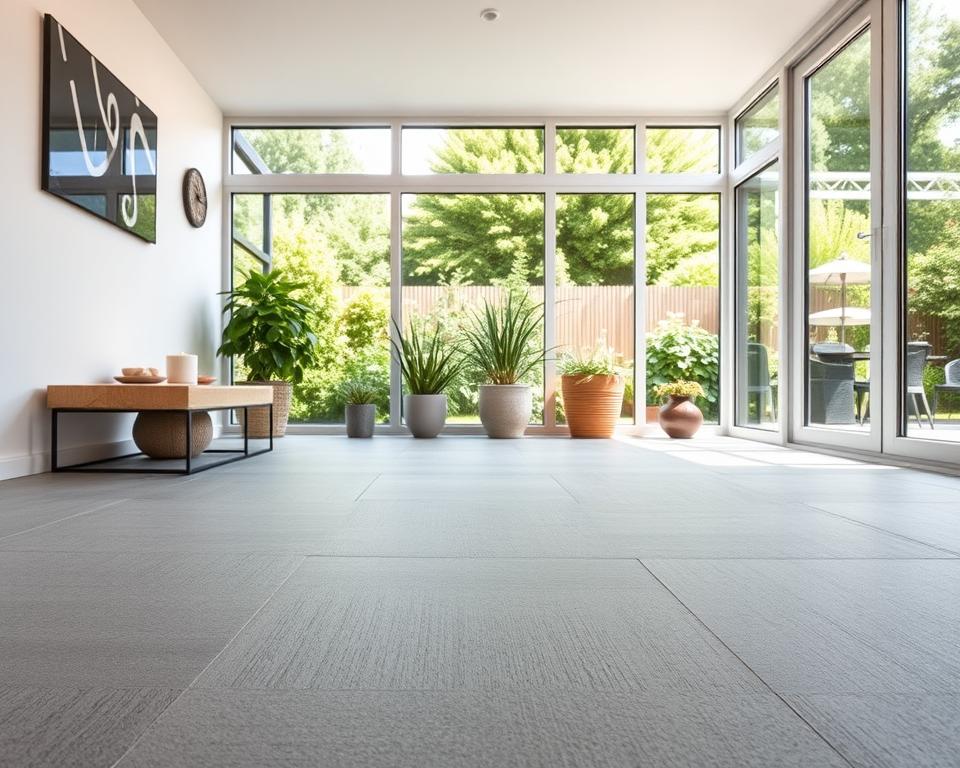
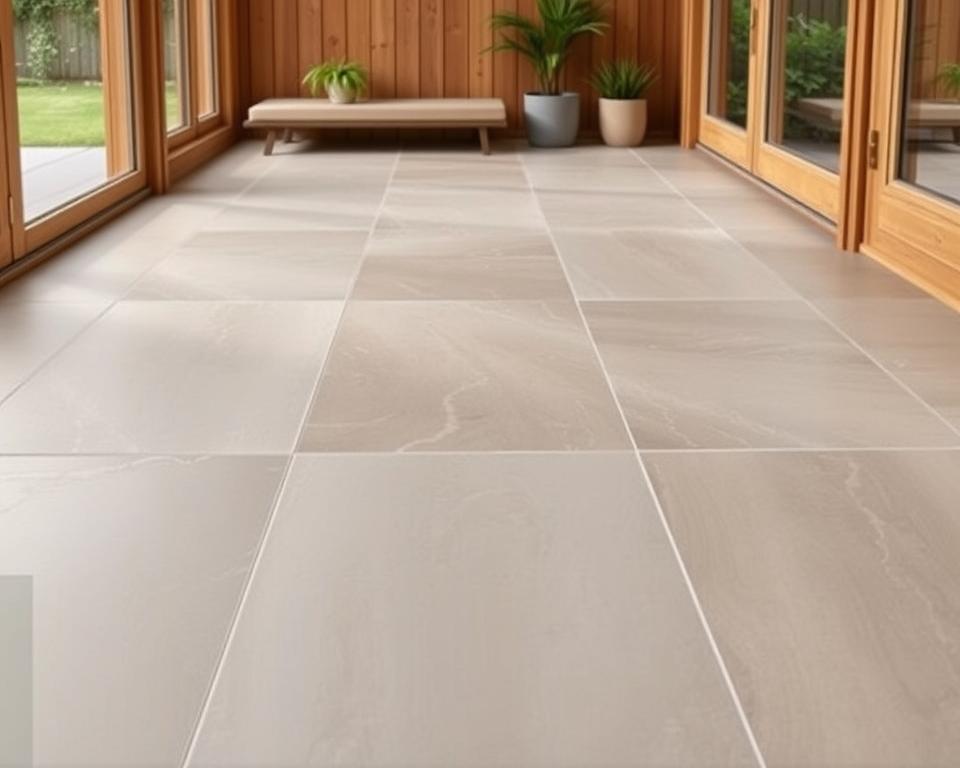
Porcelain tile garden room installations deliver low water absorption and dimensional stability. Porcelanosa and Topps Tiles stock ranges suited to studios, gyms and kitchens where hygiene and spill resistance are priorities.
Check slip ratings (R9–R12) for safety, especially in workout areas. Porcelain pairs well with underfloor heating when laid with flexible adhesives and grout that tolerate temperature shifts. Use cementitious backer boards on timber joists or suitable primers on concrete slabs before tiling.
Engineered wood and moisture mitigation strategies
Engineered wood uses a plywood or HDF core for better dimensional stability than solid planks. Install over a raised, ventilated subfloor or on a damp‑proof membrane when laying on concrete. Quick‑Step and Kahrs provide finishes that resist wear and moisture.
Adopt simple mitigation steps: acclimatise planks before fitting, leave sealed expansion gaps and apply water‑resistant surface treatments. These actions support engineered wood moisture control and extend service life in variable UK conditions.
| Use-case | Best choice | Pros | Cons |
|---|---|---|---|
| Home office | Engineered wood | Warm feel, stable, refinishing options | Needs DPM or raised floor for moisture control |
| Art or pottery studio | Porcelain tile garden room | Hygienic, easy to clean, heat‑stable | Hard surface may need anti‑fatigue mats |
| Gym or yoga room | Porcelain or high‑grade composite | Slip ratings, durable underfoot, easy to maintain | Tiles require correct adhesive; composites need subfloor prep |
| Guest suite or living space | Engineered wood or outdoor‑rated laminate | Comfort, thermal performance, attractive finish | Laminate needs ventilation; engineered wood needs moisture control |
Substrate preparation is critical. For concrete slabs, check flatness and apply a DPM where required. For timber joists, ensure joists are sound, ventilated and level. Follow BS EN standards for adhesives and floor coverings to meet British performance expectations.
Comfort and Insulation: Flooring for All-Season Use
Creating a garden room that works all year depends on smart choices for heating, underlay and surface finishes. Start by matching the intended use with a realistic thermal comfort target: 16–18°C for occasional leisure, higher for an office or guest room. That target guides whether you need an efficient heating system, extra insulation or a mix of soft and hard surfaces to retain warmth.
Underfloor heating options
Underfloor heating systems suit many garden room floors, but performance depends on finish and construction. Porcelain tile and natural stone transmit heat quickly and work best with wet or electric systems. Luxury vinyl tile (LVT) often performs well if the manufacturer confirms compatibility. Engineered wood can be compatible, provided you follow the maker’s maximum surface temperature and installation guidance.
Choosing electric or wet systems
Electric mats are easy to retrofit beneath tiles and some vinyl. Wet systems under a screed give steady, efficient warmth in new builds or major refurbishments. In both cases, thermal conductivity of the floor finish affects how fast the room reaches the setpoint and how evenly heat spreads.
Insulating underlays and thermal performance
Good insulation limits heat loss into the subfloor and improves energy use. For timber floors, select closed-cell insulating underlay to prevent moisture uptake and keep acoustic performance high. For concrete bases, fit rigid insulation boards beneath the screed or within a floating floor build to improve U-values and meet building regulation expectations when turning a garden room into a habitable space.
In the UK, an insulating underlay UK solution may be necessary when upgrading a garden room. Choose products with clear lambda values and confirm compatibility with any underfloor heating garden room system you plan to use.
Soft surfaces: carpets and rugs
Soft floors add comfort and help retain heat. Opt for hard-wearing, stain-resistant options such as polypropylene rugs or wool-blend carpets in areas away from high moisture. Use non-slip underlay beneath garden room rugs to stop movement and protect the flooring below.
Place washable doormats at entrances to reduce dirt and moisture ingress. Use rugs as zoning tools over thermal performance flooring; a rug will warm feet quickly without affecting the overall heating strategy.
Practical targets and cost-effective steps
To meet comfort targets economically, combine a well-insulated subfloor, suitable insulating underlay UK products and a compatible underfloor heating garden room system. Where budgets are tighter, focus on improving insulation under the floor and adding garden room rugs for immediate tactile warmth.
Space-Saving Storage Solutions
Creating tidy, practical storage in a garden room starts with a clear plan. Think about daily use, seasonal items and equipment that needs secure, dry housing. Smart choices will protect possessions and keep the space flexible for work, leisure or guests.
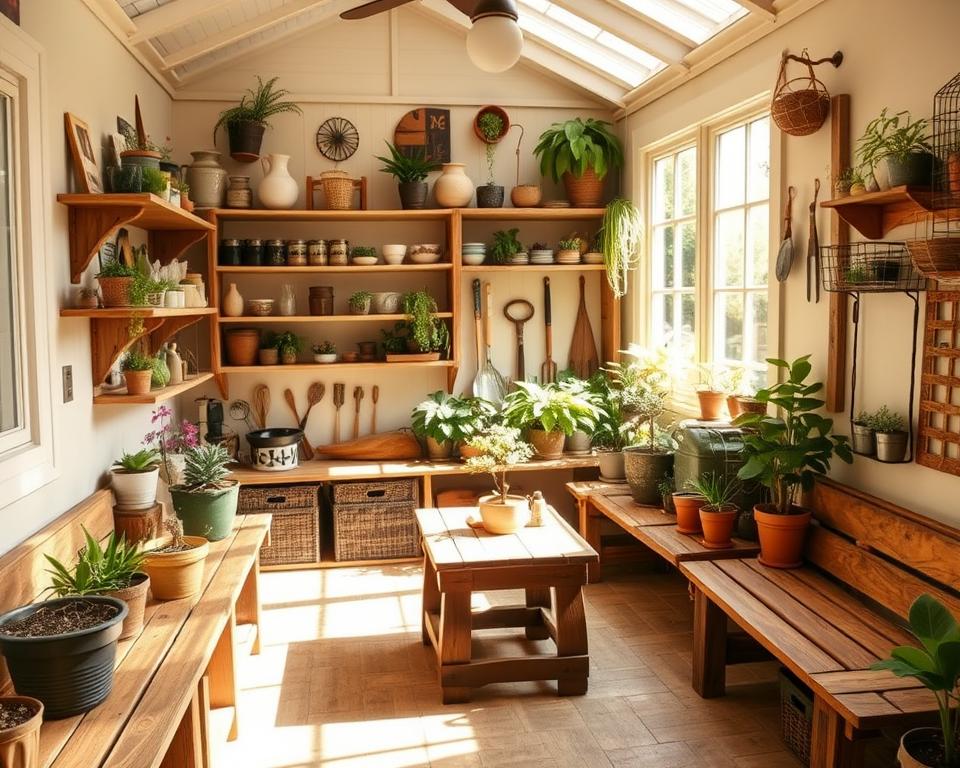
Built-in furniture makes the best use of floor area. A bespoke built-in cabinetry garden room approach hides services, conceals wiring and can match wall finishes for a seamless look.
Use moisture-resistant MDF where humidity is moderate. If condensation is likely, opt for marine-grade plywood with a painted hardwood or laminate finish. Local carpenters and suppliers such as Howdens or adapted IKEA SEKTION runs offer reliable fit and consistent finish.
Bespoke built-in cabinetry and wall storage
Custom units free up circulation and allow deeper storage behind panels. Fit shelving with 300–400mm depths for archives and boxes. Include lockable doors or internal anchors for items stored near external access points.
Concealed cable channels and recessed sockets keep tech tidy. Install adjustable shelving to adapt to changing needs. For humid corners, line the back of cabinets with a vapour barrier to limit moisture transfer.
Under-seat and raised-floor storage ideas
Benches with lift-up lids are simple and effective under-seat storage solutions. Aim for bench heights of 450–500mm for comfortable seating while providing roomy coffers underneath.
Raised-floor systems create cavities ideal for cables, AV kit and archive boxes. Design compartments with ventilation slots or breathable membranes and a moisture barrier at the base to prevent mould. Specify floor loadings if heavy equipment will sit above storage voids.
Use floor-based units rated for at least 150kg per shelf when storing tools or heavy boxes. Add discreet anchor points for security where items face external doors.
Portable and modular storage for flexibility
Modular storage solutions suit changing uses and easy reconfiguration. Mobile shelving, stackable Really Useful Boxes and metal racks from Screwfix or Wickes adapt quickly as needs change.
Pegboards and slatted-wall fittings make tools and craft supplies accessible. For garden tools and outdoor goods, choose weatherproof chests such as those from Keter for reliable protection.
| Solution | Typical Dimensions | Best Use | Security & Moisture Notes |
|---|---|---|---|
| Bespoke wall cabinetry | Depth 300–400mm; height to ceiling | Books, boxes, concealed wiring | Use marine-grade plywood where damp; add locks for valuables |
| Under-seat benches | Height 450–500mm; depth 400–500mm | Seasonal gear, cushions, workout kit | Include vents and a moisture barrier; use robust hinges |
| Raised-floor cavities | Cavity depth 150–300mm | Cables, AV equipment, archive boxes | Install breathable membranes and access hatches |
| Modular shelving & crates | Variable; shelves 300–400mm deep | Flexible storage, frequently changed inventory | Choose lockable units for external access; use plastic for damp areas |
| Weatherproof chests | Typical 600–1200mm wide | Tools, outdoor cushions, chemical storage | Select UV-stable, lockable models such as Keter |
Moisture, Maintenance and Longevity
Maintaining a garden room starts with smart moisture control and a clear upkeep plan. A waterproof garden room floor and moisture-resistant storage make the space usable year-round. Small, regular checks keep small issues from becoming expensive repairs.
Waterproofing floors and storage units
Install a damp-proof membrane (DPM) beneath screeds for ground-bearing floors. Use reputable membrane systems such as Sika or Ardex in wet zones to form continuous barriers. Seal joints with polyurethane or silicone sealants to prevent capillary movement.
For storage, place units on elevated plinths or treated timber bases to avoid direct contact with damp floors. Apply moisture-resistant coatings from Resene or Zinsser to cabinet exteriors and interiors where exposure is likely. Fit door flashing and robust thresholds to reduce water ingress at openings.
Cleaning regimes for different materials
Porcelain tiles respond well to neutral pH cleaners. Reseal grout periodically to keep joints waterproof. Luxury vinyl tile (LVT) and vinyl perform best with manufacturer-recommended solutions; avoid abrasive pads that damage wear layers.
Engineered wood benefits from microfibre mops and wood-specific cleaners approved by brands such as Junckers or Kahrs. Do not saturate wood floors with water; wipe spills promptly. For soft furnishings, use removable, washable covers and vacuum regularly to prevent dust build-up.
Seasonal maintenance to prevent damage
Carry out annual checks of seals around doors and windows and reapply floor finishes where wear is apparent. Inspect storage ventilation to ensure airflow and reduce condensation. Clear gutters and verify external drainage directs water away from the building footprint.
Allow new flooring and furniture to acclimatise after shifts in humidity to reduce warping. Monitor for early signs of mould or rot and treat affected areas promptly with appropriate fungicidal products.
Wear-and-tear mitigation and simple schedule
Use entrance mats to trap grit, felt pads under furniture legs and protective runners in high-traffic zones. These measures reduce scratches and prolong finishes.
| Frequency | Task | Notes |
|---|---|---|
| Weekly | Light sweep and wipe of floors, vacuum soft furnishings | Use microfibre for wood and neutral pH cleaners for tiles |
| Monthly | Inspect seals, check storage ventilation, clean thresholds | Address minor gaps with sealant and remove debris from drainage |
| Annually | Reseal grout or floor finishes, review membrane condition | Recoat cabinetry if coatings show wear; clear gutters and downpipes |
Follow manufacturer care guides and adapt the schedule to your material choices. Regular attention to cleaning garden room flooring and planned seasonal maintenance garden room tasks keeps performance high and extends service life.
Styling Tips to Integrate Flooring and Storage
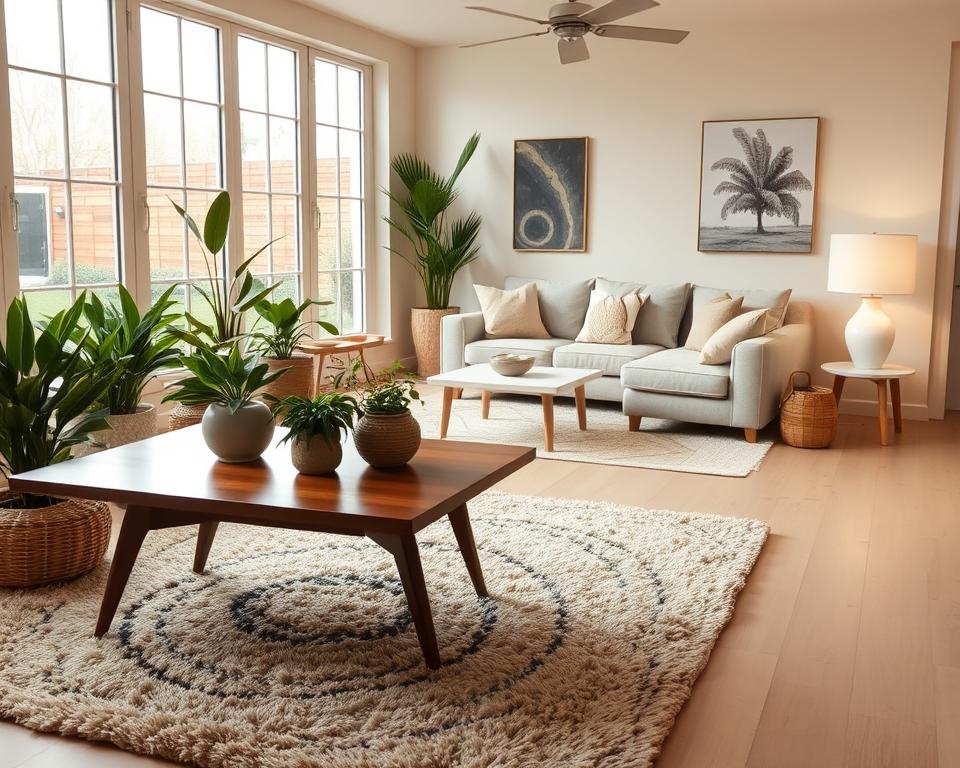
Good garden room styling ties floors and storage into a single, functional look. Start by choosing a tonal palette that links warm wood floors with muted painted cabinets or go for contrast with dark flooring and pale joinery. Small changes in texture, such as matte LVT against soft textiles, keep the scheme balanced and tactile.
Colour and texture coordination
Use flooring patterns to shape how the room feels. Horizontal planks widen a space. Herringbone guides the eye and adds movement. Match cabinet finishes to the floor tone for cohesion, or select a contrasting cabinet colour to act as a focal point.
Introduce soft furnishings to soften hard surfaces. A rug with a subtle weave will sit well on engineered wood or LVT. That mix of soft and hard helps with flooring and storage coordination and keeps the room inviting.
Creating multi-functional zones
Define areas with rugs, low storage runs and varied floor finishes. Place hardwearing tile at the entrance and a warmer LVT in the workspace to delineate function. Use low shelving to separate seating from a desk without blocking sightlines.
For ergonomic comfort, set desks at 720–750mm height and allow 600–800mm circulation routes. Keep frequently used items at arm level and add cable management under desks to keep work zones tidy and efficient.
Lighting and hardware choices to enhance storage usability
Good garden room lighting makes storage usable day and night. Fit LED strips inside shelving and adjustable wall lights over worktops. Position lights to avoid glare on reflective floors and to boost visibility in deeper cupboards.
Choose robust storage hardware to match daily use. Soft-close hinges and Blum or Hettich drawer runners improve longevity and feel. Recessed pulls suit sliding doors, while integrated cabinet lighting raises practical value. These storage hardware tips ensure usability blends with style.
| Design Element | Practical Benefit | Suggested Materials/Brands |
|---|---|---|
| Floor pattern | Alters perceived width or flow | Herringbone oak, horizontal LVT planks |
| Storage finish | Creates cohesion or contrast | Painted MDF in Farrow & Ball tones, veneered oak |
| Zoning method | Defines multi-function areas | Area rugs, low shelving, mixed flooring finishes |
| Lighting | Improves visibility and ambience | LED strips, adjustable wall lights, cabinet LEDs |
| Hardware | Enhances longevity and user experience | Blum soft-close hinges, Hettich runners, recessed pulls |
| Circulation | Maintains access and natural light | 600–800mm clear routes, reflective floor finishes |
Budgeting and Installation Considerations
Getting costs right early makes a project smoother. Use clear figures for materials, labour and likely surprises. Factor in time for subfloor work, damp-proofing and any electrical or plumbing upgrades.
Cost bands (indicative, installed)
| Quality band | Typical package | Indicative cost (per m², installed) |
|---|---|---|
| Budget | Click-fit LVT, modular storage, basic underlay | £50–£100/m² |
| Mid-range | Engineered wood, bespoke joinery, improved subfloor prep | £100–£200/m² |
| High-end | Porcelain tiles, underfloor heating, custom cabinetry | £200+/m² |
Labour rates vary across the UK. Allow separate sums for subfloor preparation, damp-proof membranes, electrical work to Part P and final decoration. Set a contingency of 10–20% for hidden costs.
Cost breakdown: materials, labour and unexpected expenses
List materials in your brief and ask suppliers for itemised quotes. Compare flooring installation costs UK across providers and check what each quote includes. Request breakdowns for substrate repair, sealants and trims.
Make allowances for delivery, skips and disposal. Hidden expenses often arise from rot, uneven bases or existing damp. Keep a contingency fund and update budgets as surveys reveal issues.
DIY versus professional installation
Some tasks suit DIYers. Laying click-fit LVT on a flat, dry subfloor and assembling modular storage are achievable with common tools. Follow manufacturer instructions to protect warranties.
Leave complex work to professionals. Underfloor heating, extensive tiling and structural joinery need qualified installers. Manufacturer guarantees can require accredited fitters. Poor substrate preparation can void warranties and lead to costly repairs.
When considering DIY garden room installation, be honest about skills and time. If you lack experience in electrics or damp remediation, hire a competent tradesperson and get receipts for warranties.
Planning permissions and building regulations in the UK
Many garden rooms are permitted development if they meet size and siting limits and are not used as separate dwellings. Converting a unit into a sleeping area or annexe may trigger building control.
Building regulations cover thermal performance, structural safety, drainage and electrics (Part P). For new heating, drainage or major structural changes seek approval. Contact your local planning authority for clarifications.
Authoritative guidance is available from Citizens Advice and the Planning Portal. Keep records of any approvals and certificates for future sale or insurance purposes.
Checklist for obtaining quotes
- Scope of work with precise measurements
- Materials specification and brands
- Labour breakdown and estimated hours
- Timeline with start and completion dates
- Payment schedule and deposit terms
- References, proof of insurance and relevant certifications
Conclusion
Choosing the best flooring and storage options for your garden room starts with a clear brief: consider intended use, expected moisture exposure and whether you will add underfloor heating. Durable choices such as engineered wood with moisture barriers, Karndean or Quick-Step vinyl-style products, and porcelain tiles from Topps Tiles each suit different needs. Pair these with storage solutions that match function — built-in cabinets and wall storage for permanent studios, or modular and under-seat options for flexible living space. This approach improves garden room optimisation and extends usable seasons.
Prioritise moisture control and insulation early to protect finishes and reduce long‑term costs. Select insulating underlays, sealed thresholds and water-resistant fixings, and choose storage materials that resist damp. Follow a simple specification: state the room’s use, preferred floor types, storage capacity and budget. Then seek two or three quotes from reputable UK suppliers and fitters, such as Wickes for materials or specialist installers for bespoke joinery and underfloor heating, to compare quality and warranties.
Plan maintenance and budget realistically. Regular cleaning regimes and seasonal checks will preserve surfaces and fittings, while professional installation often avoids costly mistakes. For further guidance consult Planning Portal and Building Regulations for compliance, and draw on UK garden room advice and manufacturer guidance from Blum for hardware or Quick-Step and Karndean for flooring. These steps will help deliver the best flooring and storage options for your garden room and ensure a practical, long‑lasting result.
FAQ
What flooring types are best for a garden room in the UK?
The best choices balance moisture resistance, thermal performance and intended use. Porcelain or ceramic tiles and luxury vinyl tile (LVT) perform well where moisture and cleaning are priorities. Engineered wood suits office or guest uses when installed over a ventilated, insulated subfloor with a damp-proof layer. For transitional areas or covered verandas, composite decking (WPC) is durable. Match the finish to the use: rubber or specialist gym tiles for exercise rooms, hard-wearing LVT for craft spaces, and carpet or rugs for warmth in occasional-use guest rooms.
How do I pair flooring with storage solutions?
Pair moisture-resistant floors with raised or sealed storage. For vinyl or tile, specify built-in timber cabinets on raised plinths or metal shelving to avoid contact with damp. With engineered wood, use closed cabinetry with sealed internal linings and allow expansion gaps. For mobile or modular storage, choose wheeled units or stackable crates that suit the floor load rating and protect finishes with felt pads or runners.
Can I install underfloor heating (UFH) with engineered wood or LVT?
Yes—many LVT products and porcelain tiles work well with UFH. Engineered wood can be compatible but must be approved by the manufacturer and limited to recommended surface temperatures. Use systems designed for lightweight constructions (electric mat systems or low-profile wet circuits) and verify thermal conductivity to preserve efficiency and warranty.
What moisture-control measures are essential before installing flooring?
Assess the substrate and install appropriate damp-proofing: DPM beneath screeds for concrete slabs, vapour barriers for timber joists and ventilation for raised floors. Use flexible adhesives and grout for tiles, sealed expansion gaps around perimeters, and acclimatise engineered wood before fitting. Ensure thresholds and door flashings prevent water ingress.
Which brands and standards should I consult for materials and installation guidance?
Refer to reputable UK suppliers such as Quick‑Step and Amtico for resilient floors, Karndean for vinyl, Tarkett and Kahrs for engineered wood, and Topps Tiles or Porcelanosa for porcelain. Check British Standards like BS 8203 for floor installations and manufacturer technical data sheets for compatibility with UFH and approved adhesives.
How much should I budget per square metre for flooring and storage?
Indicative installed cost bands: budget LVT and modular storage £50–£100/m²; mid‑range engineered wood with bespoke joinery £100–£200/m²; high‑end porcelain tile with UFH and custom cabinetry £200+/m². Include allowances for subfloor work, DPMs, electrical, decoration and a 10–20% contingency for hidden issues.
What storage formats work best in small garden rooms?
Bespoke built‑in cabinetry and wall storage maximise floor area and hide services. Under‑seat and raised‑floor storage provide large concealed volumes for seasonal items. Portable and modular options (metal shelving, Keter chests, stackable crates) give flexibility for reconfiguration. Aim for shelf depths of 300–400mm and bench heights of 450–500mm for ergonomics.
Which flooring options are easiest to maintain?
Porcelain tiles are low‑maintenance and resist staining, requiring neutral cleaners and occasional grout care. LVT and vinyl need manufacturer‑approved cleaners and gentle mopping. Engineered wood requires microfibre cleaning and limited moisture exposure. Use entrance mats, protective felt pads and runners in high-traffic zones to reduce wear.
Are there specific cleaning regimes for preventing mould in storage units?
Yes. Keep storage ventilated and avoid sealing moist items inside. Use elevated plinths and moisture‑resistant linings for cabinets. Weekly ventilation checks, monthly airing of storage voids and annual inspection of seals and ventilation help prevent condensation. Treat any early mould with suitable fungicidal cleaners and address the root moisture source.
Can I fit some of the work as a DIY project?
Many tasks are suitable for competent DIYers—laying click‑fit LVT on a sound subfloor, assembling modular storage, and fitting skirting. Leave complex work to professionals: UFH installations, large tiling areas, structural joinery and major DPM or screed works. Manufacturer warranties may require certified installers for certain products.
Will converting a garden room to a habitable space affect planning or Building Regulations?
Possibly. Small garden rooms often fall under permitted development, but regular habitation, bedsits or annexes can trigger Building Regulations for thermal performance, electrics (Part P), ventilation and structural safety. Check the Planning Portal and consult the local planning authority. Building Regulations approval is required for fixed heating, drainage or significant structural changes.
How do I make a garden room usable most of the year?
Prioritise insulation, airtightness and a suitable heating strategy. Install insulated subfloors or insulation boards under screed, choose floor finishes compatible with UFH or add rugs for thermal comfort, and ensure windows and doors have good seals. Aim for internal targets of 16–18°C for occasional use and higher for regular office or guest use, and implement moisture control early in the build.
What are common flooring failure modes in garden rooms and how can I avoid them?
Common failures include cupping and warping of solid timber due to moisture, delamination of low-grade laminates, grout cracking from poor movement joints, and mould in concealed storage. Avoid these by specifying engineered or exterior‑rated materials, installing DPMs and expansion gaps, using flexible adhesives and ensuring ventilation in storage cavities.
What practical styling tips help integrate flooring with storage?
Use tonal or contrasting palettes to create cohesion. Define zones with rugs or changes in floor finish—tiles at the entrance, LVT or engineered wood in work areas. Choose low storage to preserve sightlines, add integrated lighting in cupboards for usability, and maintain circulation widths of 600–800mm for comfortable movement.
Where can I buy reliable storage hardware and fittings in the UK?
Reputable sources include Howdens and IKEA for cabinetry systems, Blum and Hettich for hinges and runners, Screwfix and Wickes for practical shelving and fastenings, and trade suppliers for moisture‑resistant MDF or marine plywood. For outdoor storage chests, Keter and Really Useful Products provide weatherproof options.