Expert Tips for Designing a low-maintenance large garden
Many homeowners dream of a beautiful, expansive outdoor area. Yet, the thought of the upkeep can feel overwhelming. The good news is that a stunning landscape does not have to mean endless weekends of labour.
According to the Royal Horticultural Society, a great-looking outdoor space does not have to be hard work. Simple, clever guidelines can create a no-fuss environment that you can truly enjoy. This involves rethinking basic tasks and making smart choices from the start.
This guide explores professional strategies for creating a manageable and beautiful plot. We will show you how to transform your grounds into a practical haven. The focus is on reducing the time and effort required for long-term enjoyment.
You will discover how to utilise the unique opportunities a bigger area presents. Learn about establishing distinct zones, selecting the right materials, and choosing plants that thrive with minimal intervention. These approaches ensure visual appeal throughout the seasons without constant work.
Inhaltsverzeichnis
Key Takeaways
- A beautiful, expansive outdoor space can be designed for ease of care.
- Smart strategies can significantly reduce the time and effort needed for upkeep.
- Clever plant selection and practical design choices are fundamental to success.
- Creating distinct zones helps in managing a larger plot efficiently.
- The right techniques mean the size of your garden does not dictate the amount of work.
- This guide offers actionable ideas suitable for various skill levels and styles.
Understanding the Fundamentals of Designing a Low-Maintenance Large Garden
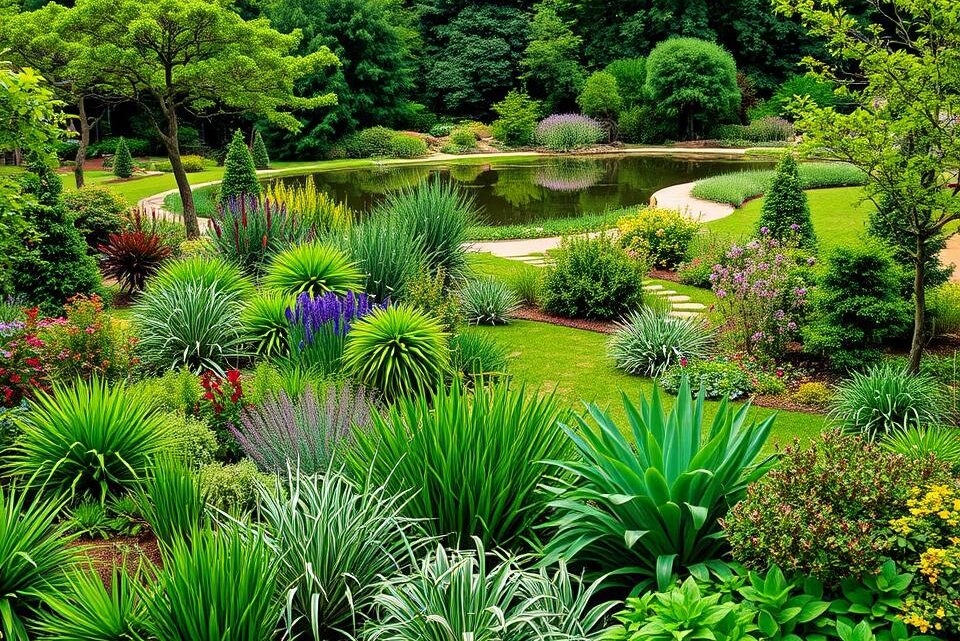
A truly manageable outdoor space begins with a fundamental principle: matching your plant choices to the local environment. Selecting species that naturally thrive in your specific soil type and light conditions is the single most effective way to reduce maintenance. These plants will require far less watering, feeding, and general care.
Choosing the Right Plants for Your Soil and Conditions
Tools like the RHS Plant Selector are invaluable for this process. By inputting details about your site, you can find plants perfectly suited to your gardening situation. Look for the Award of Garden Merit (AGM) label, a mark of reliable performance.
Hardy shrubs and perennials form the backbone of a easy-care scheme. They provide lasting structure and return year after year. Evergreen varieties offer visual interest across all twelve months while minimising leaf drop.
Benefits of a Low-Maintenance Design Approach
This thoughtful planting strategy saves significant time and effort. Groundcover plants suppress weeds, and combining textures creates year-round appeal. The result is a beautiful space that you can enjoy, rather than constantly work on.
Planning Your Space with Hard and Soft Landscaping
The layout of your grounds is a critical step in achieving a truly manageable outdoor environment. Thoughtful planning balances aesthetic appeal with practical upkeep. Integrating both hard and soft elements creates a structured yet natural feel.

Hard landscaping provides permanent structure and defines different zones. It forms the foundation for a coherent design that requires minimal intervention over time.
Alternatives to Traditional Lawns
Conventional grass can demand significant effort. Exploring other surfaces is a smart move for reducing weekly chores.
The RHS suggests that eliminating lawns in favour of paved or gravelled areas with generous borders can actually reduce overall maintenance.
Gravel is an excellent choice. It suppresses weeds and suits drought-tolerant plants beautifully. Once established, this combination needs very little care.
For those who keep a lawn, permanent edging saves time. Use bricks or stones to create a clean border. This eliminates tedious grass trimming after mowing.
Mixing Paving, Gravel and Raised Beds
Combining materials creates visual interest and functional zones. A patio near the house for dining can lead to a grassy area beyond.
Matching the colours of your paving with a garden path creates a unified look. This makes the whole space feel intentionally designed.
Raised beds offer superb practical advantages. They elevate the soil, making planting and weeding far easier. This is especially helpful for those with mobility considerations.
| Material | Maintenance Level | Key Benefit | Best Use |
|---|---|---|---|
| Paving Stones | Very Low | Creates durable patio areas | Dining and seating zones |
| Gravel | Low | Natural weed suppression | Paths and planting areas |
| Lawn | High | Soft surface for recreation | Open play areas |
A balanced approach often works best. Splitting your plot between hard surfaces and planting beds distributes maintenance tasks. This strategy ensures your grounds remain beautiful without becoming a burden.
Creating Distinct Outdoor Zones and Enhanced Living Areas
Strategic division of your landscape into functional sections maximises usability throughout the seasons. This approach transforms an expansive plot into a multi-purpose environment that serves different activities and moods.
Defining Functional Areas for Dining and Relaxation
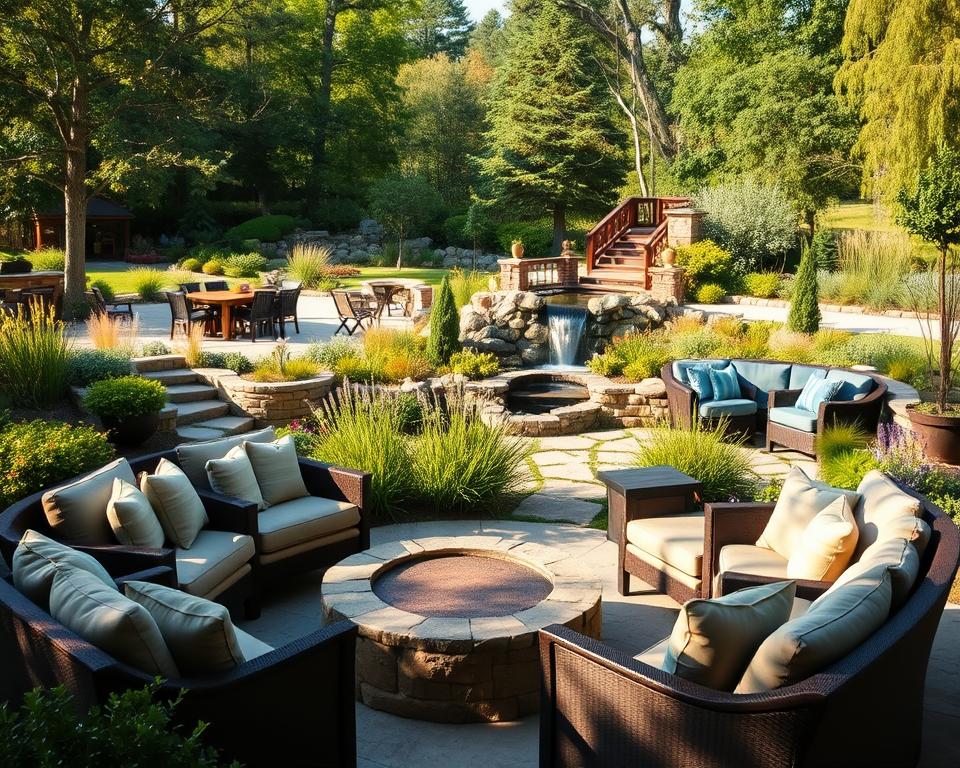
Establish clear boundaries between activity spaces. A dedicated dining area near the house provides convenience for entertaining. Position comfortable seating in quieter spots for relaxation.
Weather-resistant furniture made from hardwood or recycled plastic ensures year-round enjoyment. Protective covers extend the lifespan of your outdoor investments during wetter months.
Incorporating Outdoor Furniture and Lighting
Thoughtful lighting design extends your garden‘s usability into the evening. Solar-powered options offer eco-friendly illumination for paths and features.
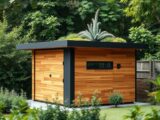
Introduce colour through cushions and flowering plants against neutral paving. A shed can become additional living space for hobbies or quiet retreats.
These ideas create an outdoor space that feels cohesive and inviting. Each zone serves a purpose while contributing to the overall design.
Minimising Maintenance with Smart Garden Practices
Smart gardening practices offer powerful solutions for minimising ongoing care requirements. These techniques focus on reducing the time and effort needed to keep your outdoor space looking its best.
Effective Mulching and Weeding Techniques
Mulching represents one of the most effective ways to reduce garden maintenance. Applying a layer of bark chippings or gravel suppresses weed growth and retains soil moisture.
This approach significantly cuts down on watering and weeding requirements. Organic mulches like homemade compost also improve soil structure over time.
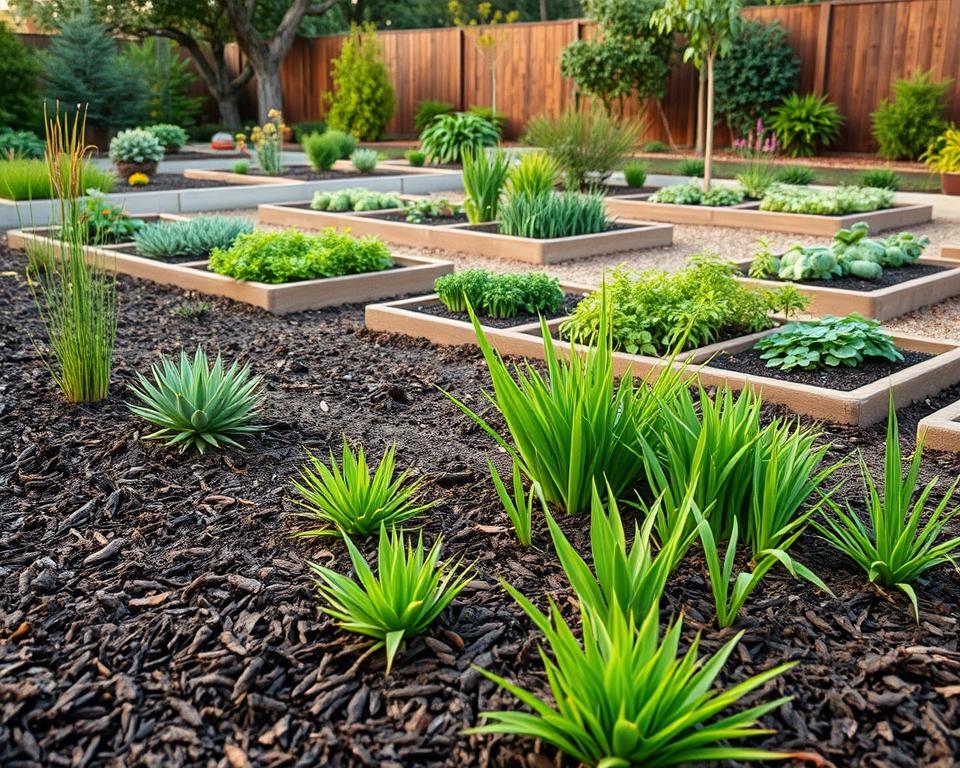
Ground cover plants create living mulch that naturally prevents weeds. They eliminate bare patches in borders where unwanted plants typically establish.
Utilising Award-winning, Hardy Plants Year-round
Selecting hardy perennials and shrubs ensures your space remains attractive throughout the year. These varieties offer months of visual interest with minimal intervention.
Large containers require less frequent watering than smaller pots. Grouping plants in substantial containers creates permanent focal points.
| Strategy | Maintenance Reduction | Key Benefit |
|---|---|---|
| Organic Mulching | High | Suppresses weeds and feeds soil |
| Ground Cover Plants | Medium | Natural weed prevention |
| Large Containers | Medium | Reduces watering frequency |
| Hardy Perennials | High | Year-round interest |
Automatic irrigation systems save time on watering, especially during summer. These smart solutions make garden care more manageable.
Conclusion
Mastering your outdoor area is about working smarter, not harder. The strategies explored here prove that a beautiful, expansive plot need not be a burden. Success hinges on intelligent planning and the right choices from the outset.
By matching plants to your local conditions and using hard landscaping wisely, you build a resilient foundation. Creating distinct zones and adopting smart practices like mulching further reduces upkeep. These professional ideas work together to minimise routine maintenance.
The result is a personal haven that offers year-round pleasure with significantly less work. You can spend your time enjoying the space, not just maintaining it. This approach truly helps you make your garden a source of relaxation, not labour.
FAQ
What are the best plants for a low-maintenance garden?
The best plants are those that thrive in your specific soil and conditions with minimal effort. Opt for hardy shrubs, ornamental grasses, and reliable perennials. Varieties like lavender, Heuchera, and many award-winning plants from brands like RHS provide colour and interest for months with little watering or work.
How can I reduce lawn maintenance in a large space?
Consider replacing some or all of the grass with alternatives. Gravel, paving, or bark chippings create attractive, easy-care surfaces. You could also install artificial turf for a year-round green look without mowing. Mixing these materials with planting beds is a popular way to cut down on upkeep.
What is the key to creating distinct zones in a garden?
The key is to use landscaping to define different functional areas. A patio for dining, a gravel area for relaxation, and raised beds for planting can all be separated using paths, different levels, or strategic planting. This approach organises the outdoor space and makes it more usable.
How does mulching help with garden maintenance?
Mulching is a highly effective technique for suppressing weeds and retaining soil moisture. Applying a thick layer of organic mulch, such as bark, around plants significantly reduces the time spent on weeding and watering. It also improves the soil quality as it breaks down over time.
Can a low-maintenance garden still have lots of colour?
Absolutely. By choosing a variety of plants that flower at different times, you can ensure colour from spring through to autumn. Incorporate evergreen shrubs for structure in the winter months. Plants like Sedum and Nepeta offer long-lasting interest with very little input required.