How to Design a Zen Garden
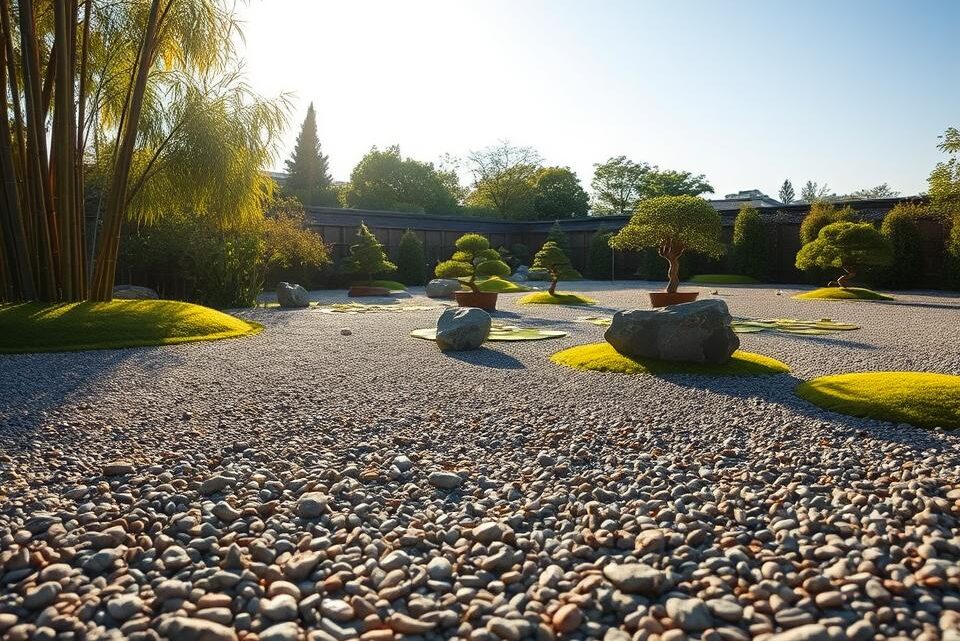
Creating a serene oasis in your outdoor space can be a truly rewarding experience. A peaceful garden is not just a visual delight, but also a haven for relaxation and contemplation.
You can achieve this tranquillity by incorporating elements of Zen garden design. By carefully selecting and placing natural elements, you can create a harmonious balance that promotes calmness and serenity.
As you embark on creating a Zen garden, you will discover the importance of simplicity and mindfulness. This comprehensive guide will walk you through the process, providing you with the knowledge and inspiration needed to create your own serene retreat.
Inhaltsverzeichnis
Key Takeaways
- Understand the principles of Zen garden design
- Learn how to create a peaceful atmosphere
- Discover the importance of natural elements
- Find inspiration for your own Zen garden
- Create a serene oasis in your outdoor space
The Philosophy and History of Zen Gardens
Zen gardens have a rich history that spans centuries, originating in Japanese Buddhist monasteries. These serene spaces were designed to facilitate meditation and contemplation, embodying the principles of Zen Buddhism.
Origins in Japanese Buddhist Monasteries
The history of Zen gardens is deeply rooted in Japanese Buddhist monasteries, where monks would create serene environments for meditation. These early gardens were influenced by Chinese garden designs but evolved to incorporate unique Zen principles.
Symbolism and Meaning in Zen Garden Design
Every element in a Zen garden holds symbolic meaning. Rocks and stones represent mountains, while sand and gravel symbolize the sea. The careful placement of these elements encourages contemplation and mindfulness.
“A Zen garden is not just a beautiful landscape; it’s a bridge between the physical and spiritual worlds.”
The Purpose of Contemplation and Meditation
The primary purpose of a Zen garden is to create a space conducive to contemplation and meditation. By carefully designing the layout and elements, you can foster a sense of calm and inner peace.
As you design your Zen garden, understanding its historical and philosophical underpinnings can enhance your experience. By embracing the symbolism and purpose behind these serene spaces, you can create a truly meaningful environment.
Understanding the Core Elements of a Zen Garden
To design a Zen garden, you must first understand the fundamental components that make it unique. A Zen garden is not just a collection of plants and stones; it’s a carefully crafted space designed to promote contemplation and peace.
Rocks and Stones: The Backbone of Your Design
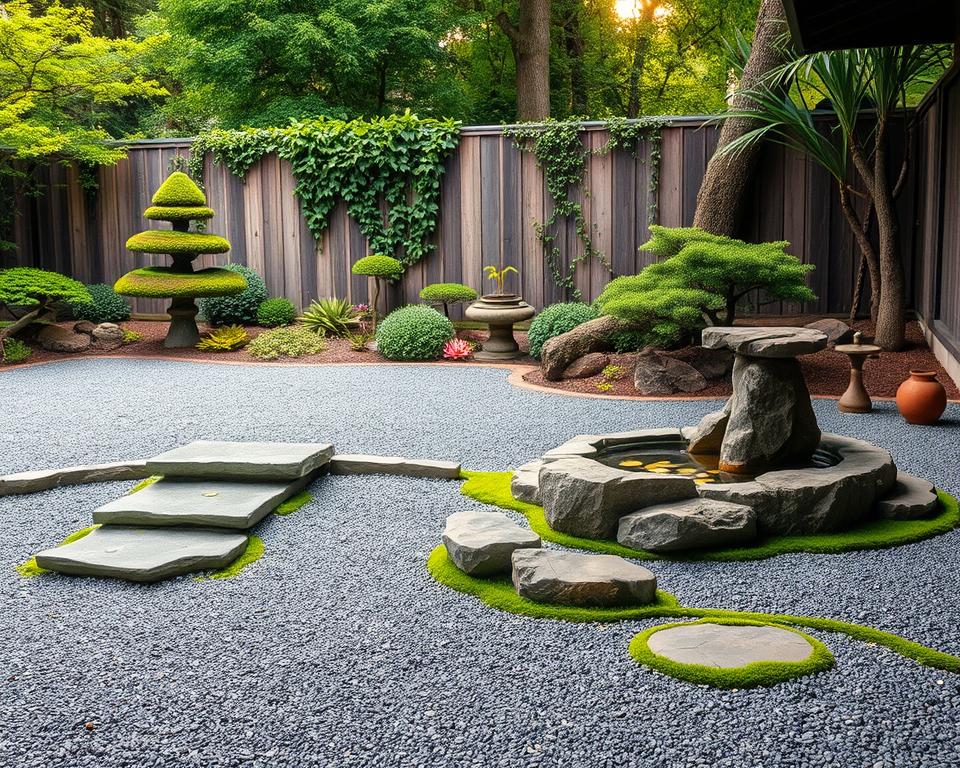
Rocks and stones are the foundation of a Zen garden, providing structure and visual interest. They are often used to represent mountains or islands and are placed carefully to create a sense of balance. When selecting rocks, consider their texture, size, and colour to ensure they complement the overall design.
Sand and Gravel: Creating Movement and Flow
Sand and gravel are used to create a sense of movement and flow in a Zen garden. They can be raked into intricate patterns, symbolizing the sea or rivers. The type of sand or gravel used can significantly impact the garden’s appearance, with different textures and colours offering various aesthetic effects.
Plants and Moss: Living Elements
Plants and moss bring life to a Zen garden, adding colour and texture. Carefully selected plants can thrive in the garden’s conditions, while moss can soften the appearance of rocks and stones. Choose plants that are suitable for the UK climate and require minimal maintenance.
Water Features: Real and Symbolic
Water features, whether real or symbolic, play a crucial role in Zen garden design. They can create a soothing atmosphere with the sound of running water or be represented symbolically through gravel or sand patterns. The choice between real and symbolic water features depends on your preference and the garden’s design.
By understanding and incorporating these core elements, you can create a Zen garden that is both beautiful and meaningful. Each element works together to create a harmonious space that promotes relaxation and contemplation.
Assessing Your Space for a Zen Garden
Assessing your garden space is crucial for creating a Zen garden that is both serene and functional. To start, you need to evaluate the area where you plan to create your Zen garden.
Ideal Locations in Your Garden
When choosing a location, consider areas that are relatively quiet and secluded. Proximity to trees or busy pathways can detract from the tranquility you’re trying to achieve. Ideally, your Zen garden should be positioned to take advantage of natural beauty and provide a sense of escape.
Size Considerations and Limitations
The size of your Zen garden will depend on the space available. Even small areas can be transformed into a Zen garden if carefully planned. Consider the scale of elements you plan to include, such as rocks and plants, to ensure they are proportionate to the space.
Evaluating Light and Shade Conditions
Light and shade play a significant role in the design of your Zen garden. Assess the amount of sunlight your chosen area receives throughout the day. This will help you decide on the types of plants and other elements that will thrive in the conditions.
Microclimates in British Gardens
British gardens often have varied microclimates, which can affect the conditions in different areas. Understanding these microclimates can help you make informed decisions about plant selection and garden design. For instance, areas near walls or under trees can have different sunlight and moisture levels.
Planning Your Zen Garden Layout
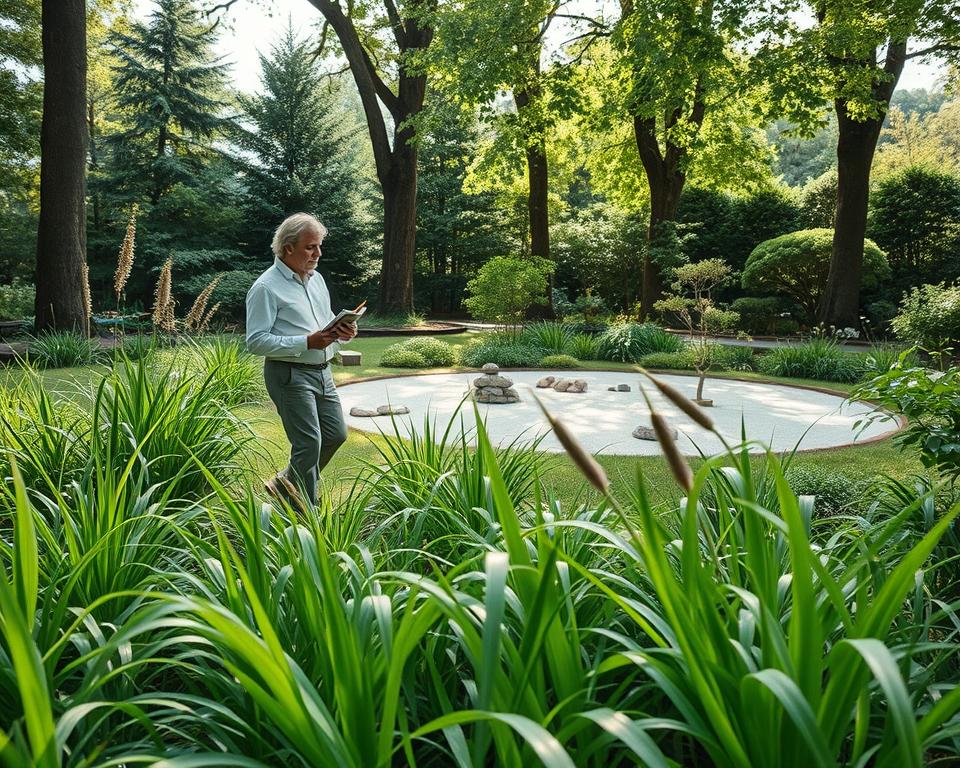
The art of creating a Zen garden lies in the careful planning of its layout to ensure balance and serenity. As you embark on designing your Zen garden, it’s essential to consider the layout carefully to achieve a harmonious balance between natural elements.
Creating a Scaled Drawing
Start by creating a scaled drawing of your garden area. This will help you visualize the space and plan the placement of elements such as rocks, sand, and plants. Using graph paper can simplify the process, allowing you to scale your design accurately.
Balancing Elements for Harmony
Balancing elements is crucial for creating harmony in your Zen garden. Consider the principles of yin and yang when placing elements, ensuring a mix of contrasting yet complementary features. For instance, hard rocks can be balanced with soft moss or gravel.

Incorporating Viewing Points
Your Zen garden should invite contemplation. Incorporate viewing points that encourage visitors to pause and appreciate the garden’s beauty. A well-placed bench or a carefully positioned stepping stone can serve as an effective viewing point.
Using the Golden Ratio in Design
To enhance the aesthetic appeal of your Zen garden, consider applying the golden ratio in your design. This ancient principle can guide the placement of elements, creating a visually pleasing and harmonious layout.
| Design Element | Purpose | Golden Ratio Application |
|---|---|---|
| Rocks and Stones | Provide structure and focal points | Use larger stones as focal points, applying the golden ratio to their placement |
| Sand and Gravel | Create movement and flow | Rake patterns according to the golden ratio for aesthetic appeal |
| Plants and Moss | Add color and texture | Plant in patterns or groups that adhere to the golden ratio |
Essential Tools and Materials Needed
The journey to creating a serene Zen garden begins with selecting the appropriate tools and materials. A well-designed Zen garden is not just about aesthetics; it’s also about creating a space for contemplation and peace.
Gardening Tools for Installation
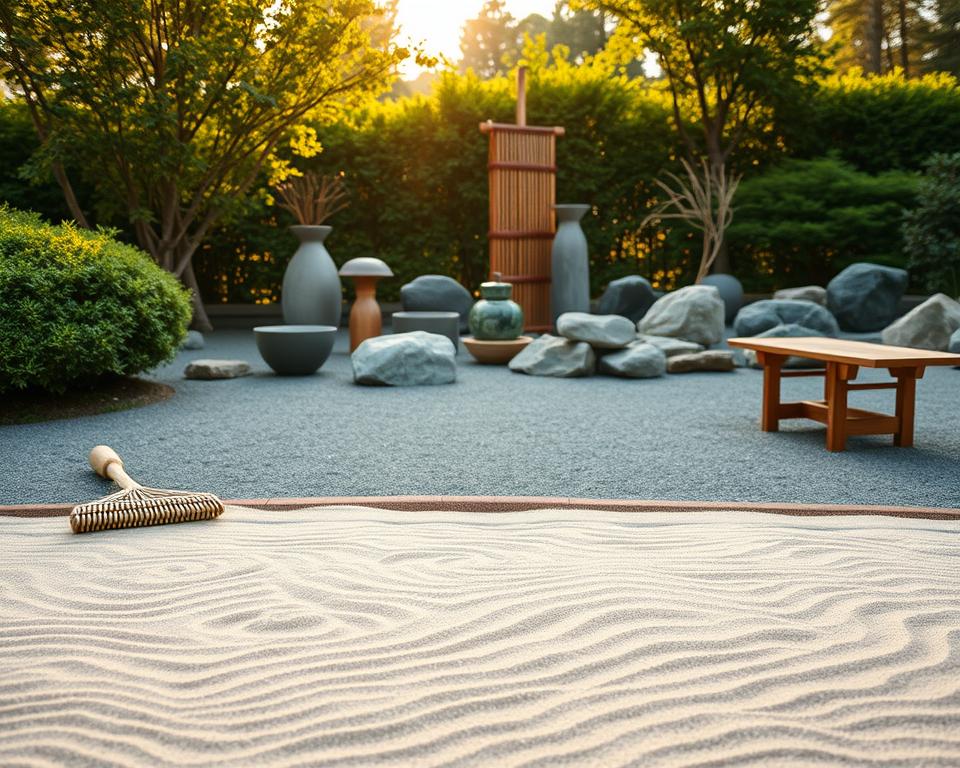
To start, you’ll need basic gardening tools such as a shovel, rake, and trowel. These tools are essential for preparing the ground and installing your Zen garden’s features, such as rocks and plants. Consider the quality and durability of these tools, as they will be used frequently.
Sources for Authentic Materials in the UK
For authentic materials, look to suppliers who specialise in Japanese garden design. You can find these suppliers online or through local gardening stores that cater to Zen garden enthusiasts. When sourcing materials, consider the environmental impact and opt for sustainable options where possible.
Budget Considerations
Budgeting is a crucial aspect of creating your Zen garden. Determine how much you’re willing to spend on tools, materials, and any professional help you might need. Prioritise your spending based on the essential elements of your Zen garden design.
Specialised Rakes for Pattern Creation
A specialised rake is a must-have for creating the intricate patterns in the gravel or sand that are characteristic of Zen gardens. These rakes come in various sizes and are designed to create smooth, flowing patterns that add to the serene ambiance of your garden.
Preparing the Ground for Your Zen Garden
Preparing the ground for your Zen garden is a crucial step that lays the foundation for a peaceful retreat. This process involves several key steps to ensure your garden is not only beautiful but also functional and easy to maintain.
Clearing and Levelling the Area
The first step in preparing the ground is to clear the area of any debris, weeds, or existing plants. This will give you a clean slate to work with. Once cleared, the area needs to be levelled to create a smooth, even surface. This is crucial for the aesthetic appeal of your Zen garden, as well as for ensuring that water drains properly.
Installing Proper Drainage for British Weather
British weather can be quite unpredictable, with significant rainfall throughout the year. To prevent waterlogging and ensure your Zen garden remains usable, proper drainage is essential. Installing a drainage system or using permeable materials for pathways can help manage water runoff effectively.
Creating Borders and Boundaries
Defining the borders and boundaries of your Zen garden helps to create a sense of containment and tranquility. You can use a variety of materials such as stone, wood, or bamboo to create these boundaries. The choice of material should complement the overall design and aesthetic of your garden.
Weed Prevention Techniques
To maintain the serenity of your Zen garden, it’s crucial to prevent weeds from growing. One effective method is to lay down a layer of landscaping fabric or a thick layer of mulch. This not only prevents weeds but also helps retain moisture in the soil.
| Weed Prevention Method | Effectiveness | Maintenance Level |
|---|---|---|
| Landscaping Fabric | High | Low |
| Mulch | Medium | Medium |
| Manual Weeding | Low | High |
By following these steps and considering the specific needs of your Zen garden, you can create a beautiful and serene space that promotes relaxation and mindfulness.
How to Design a Zen Garden That Reflects Your Personal Style
Designing a Zen garden that mirrors your personal style requires a thoughtful blend of traditional elements and modern flair. A Zen garden is not just a serene outdoor space; it’s a reflection of your inner self. To create a garden that resonates with you, it’s essential to understand the balance between traditional and contemporary approaches.
Traditional vs Contemporary Approaches
Traditional Zen gardens are deeply rooted in Japanese culture and Buddhist philosophy. They often feature natural stone, gravel, and carefully selected plants. In contrast, contemporary Zen gardens may incorporate modern materials and innovative designs while maintaining the essence of Zen philosophy. You can choose to adhere strictly to traditional principles or blend them with modern elements to create a unique space that speaks to you.

Incorporating Personal Elements
Incorporating personal elements into your Zen garden can make it even more meaningful. This could be a favourite stone, a piece of artwork, or a specific plant that holds sentimental value. The key is to ensure that these elements do not disrupt the serene atmosphere of the garden. Instead, they should enhance the sense of calm and personal connection to the space.
Balancing Authenticity with Creativity
Balancing authenticity with creativity is crucial when designing your Zen garden. While it’s essential to respect the traditional principles of Zen design, there’s also room for personal expression. You can achieve this balance by understanding the core elements of a Zen garden and then innovating within those boundaries. This might involve using traditional materials in new ways or introducing contemporary features that still honour the spirit of Zen.
By thoughtfully blending traditional and contemporary elements, incorporating personal touches, and balancing authenticity with creativity, you can create a Zen garden that not only reflects your personal style but also provides a serene and contemplative space.
Selecting and Placing Rocks and Stones
The art of selecting and placing rocks and stones in your Zen garden is a nuanced process that blends aesthetics with symbolism. Rocks and stones are not just decorative elements; they are integral to creating a harmonious and contemplative atmosphere.
Types of Rocks for Different Effects
Different types of rocks can evoke various emotions and create distinct effects in your Zen garden. For instance, granite rocks are often used for their durability and symbolic representation of longevity, while softer stones like sandstone can add a touch of warmth and texture.
- Granite: Durable and symbolizing longevity.
- Sandstone: Softer, adding warmth and texture.
- Basalt: Dark-colored, often used for contrast.
Traditional Rock Arrangements
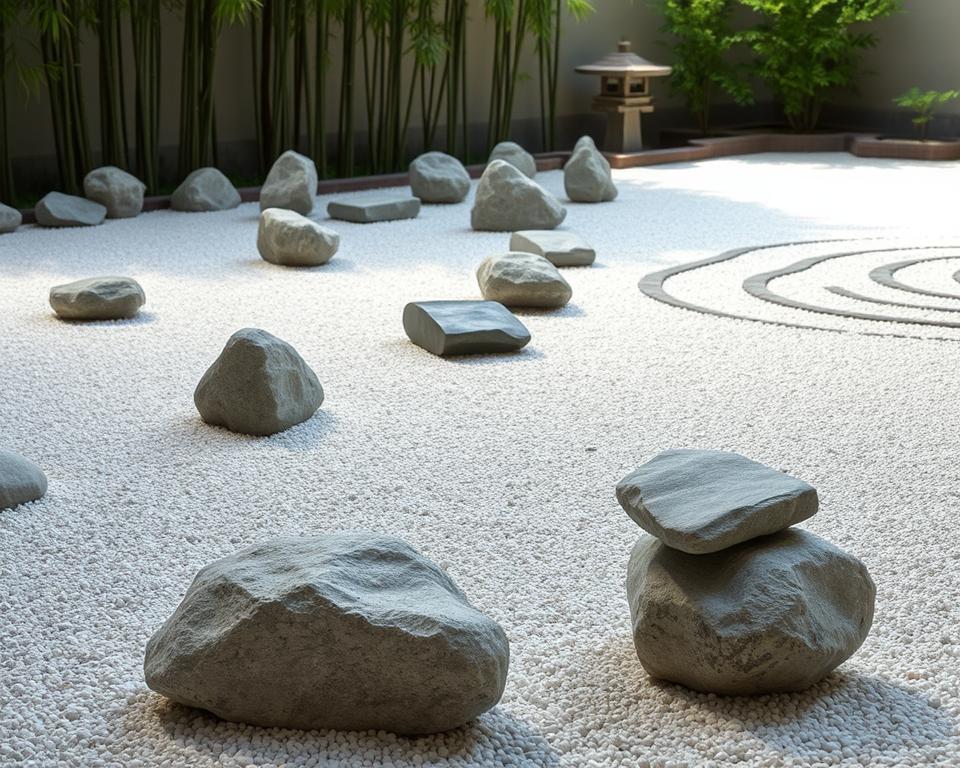
Traditional Zen gardens often feature specific rock arrangements that adhere to ancient principles. The trinity arrangement, consisting of three stones of different sizes, is a common practice, symbolizing the Buddha and his attendant deities.
Creating Focal Points with Stone Placement
The strategic placement of stones can create focal points in your Zen garden, drawing the viewer’s eye and guiding their contemplation. Consider placing larger or uniquely shaped stones in prominent positions.
Step-by-Step Rock Setting Process
- Plan the placement of your rocks, considering the overall aesthetic and symbolic meaning.
- Clear the area where the rock will be placed, ensuring it’s level and free of debris.
- Dig a shallow hole for the rock, slightly larger than the rock itself.
- Place the rock in the hole, adjusting its position until it feels stable and visually appealing.
- Fill in around the rock with soil or gravel, ensuring it’s secure and level with the surrounding ground.
By carefully selecting and placing rocks and stones, you can enhance the serenity and beauty of your Zen garden, creating a space that fosters mindfulness and tranquility.
Working with Sand and Gravel
The selection and use of sand and gravel can significantly impact the aesthetic and meditative quality of your Zen garden. These elements are not just visually appealing but also play a crucial role in creating a serene and contemplative atmosphere.
Choosing the Right Type and Grain Size
When selecting sand and gravel, the type and grain size are crucial. Fine-grained sand is often used for creating intricate patterns, while coarser gravel can provide a more textured, rugged look. The choice between sand and gravel depends on the desired appearance and maintenance level of your Zen garden.
Installation Techniques
Proper installation is key to a successful Zen garden. Begin by leveling the area and laying down a weed barrier to prevent unwanted growth. Then, spread the sand or gravel evenly, ensuring a uniform depth.
Creating and Maintaining Patterns
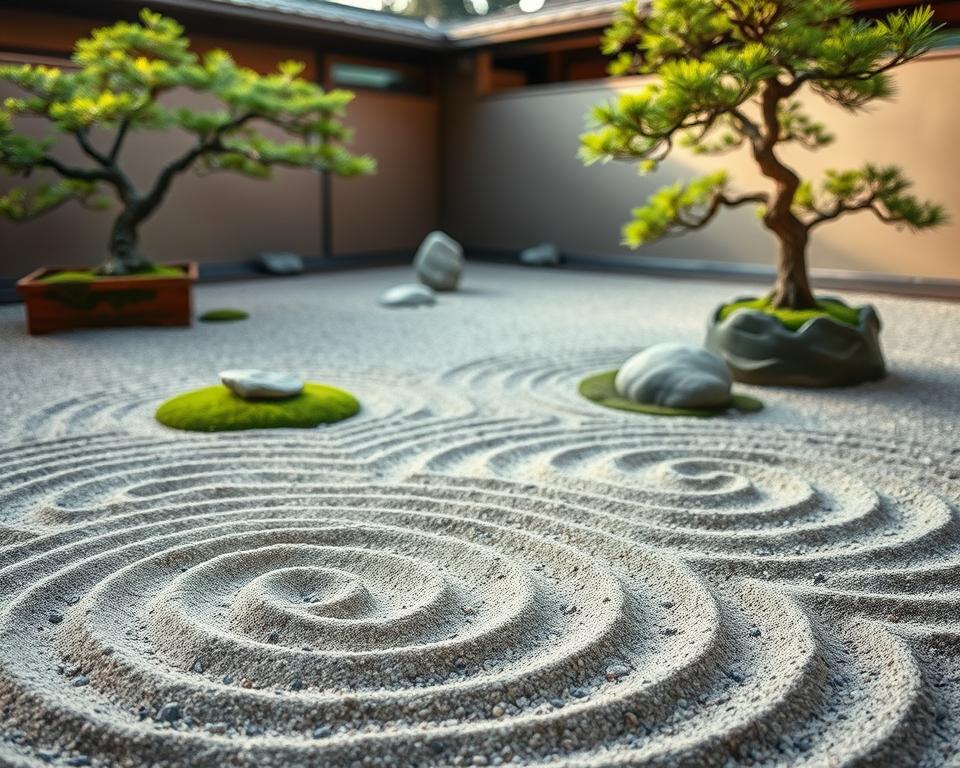
Raking patterns in the sand or gravel is a meditative practice that can enhance the tranquility of your Zen garden. Regular raking helps maintain the garden’s appearance and can be a calming ritual.
Tutorial: Basic Raking Patterns
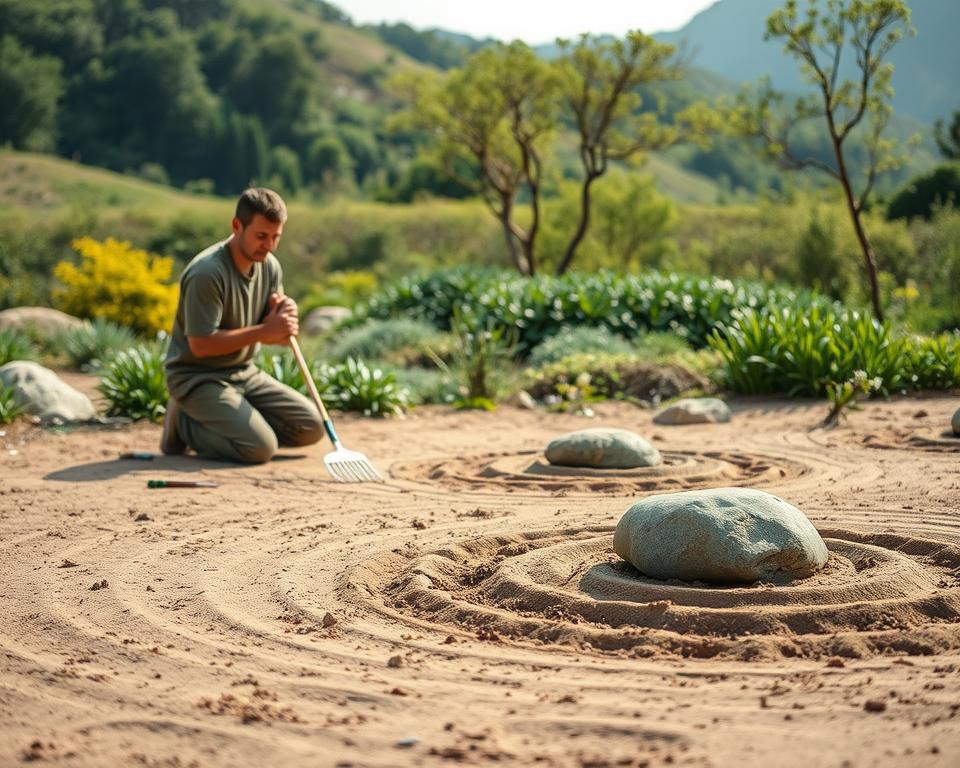
To create a basic pattern, start with simple straight lines. As you become more comfortable, you can experiment with concentric circles or more complex designs. The act of raking should be smooth and flowing, much like a meditation.
For a more intricate design, try combining different patterns. For example, you can create a series of concentric circles around a focal stone, then rake straight lines emanating from it. The key is to be mindful and present during the process.
By incorporating these techniques into your Zen garden maintenance routine, you can create a space that is not only beautiful but also a source of peace and tranquility.
Incorporating Plants into Your Zen Garden
The right choice of plants can transform your Zen garden into a peaceful retreat, perfect for meditation and contemplation. Plants not only add beauty and texture but also create a sense of harmony and balance.
Suitable Plant Species for British Climate
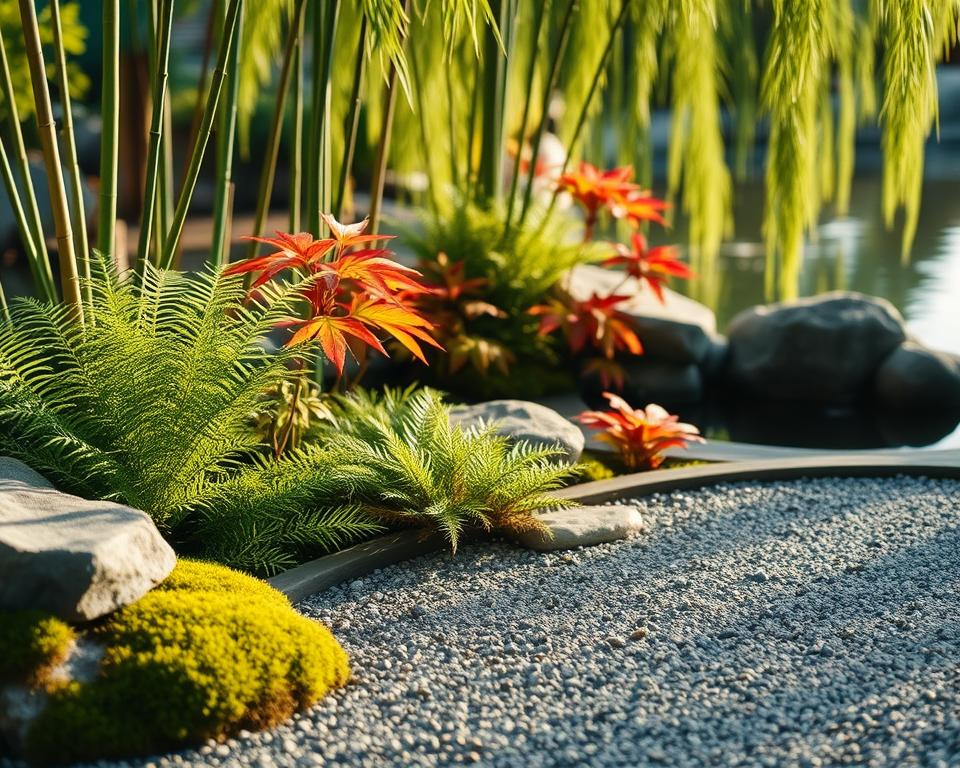
When selecting plants for your Zen garden, it’s essential to choose species that thrive in the British climate. Consider plants like Moss, Japanese Maple, and Bamboo, which are not only resilient but also evoke a sense of serenity. “The beauty of a Zen garden lies in its simplicity and naturalness,” as noted by Zen garden enthusiasts.
Moss Cultivation Techniques
Moss is a popular choice for Zen gardens due to its soft texture and ability to thrive in shaded areas. To cultivate moss, ensure the area is moist and shaded. You can also create a moss mixture by blending moss with buttermilk and applying it to the desired area.
Pruning and Training for Zen Aesthetics
Pruning and training plants are crucial for maintaining the Zen aesthetic. Regular pruning helps maintain shape and promotes healthy growth. Techniques like wiring and pinching can be used to shape plants into desired forms.
Seasonal Plant Care Calendar
| Season | Care Activity |
|---|---|
| Spring | Prune plants, apply fertilizer |
| Summer | Regular watering, monitor for pests |
| Autumn | Clear fallen leaves, prepare for winter |
| Winter | Protect plants from frost, reduce watering |
By following this seasonal care calendar, you can ensure your Zen garden remains vibrant and serene throughout the year.
Adding Water Features: Real or Symbolic
Water elements are a crucial aspect of Zen garden design, offering both visual and auditory serenity. You can incorporate water features in various forms, ranging from actual water bodies to symbolic representations.
Small Ponds and Basins
Small ponds or basins can be a beautiful addition to your Zen garden, providing a soothing visual element. When designing a pond, consider its placement carefully to ensure it complements the overall layout. You may want to incorporate kissing stones or stepping stones to create a sense of harmony.

Symbolic Water Representation with Gravel
Not everyone can or wants to include actual water in their Zen garden. Symbolic representations using gravel or sand can be just as effective. By creating patterns that evoke the flow of water, you can achieve a similar sense of calm. This method also simplifies maintenance, especially in colder climates.
Water Sound Elements
The sound of water is an integral part of the Zen experience. If you can’t have a pond, consider incorporating a small fountain or water feature that produces a gentle sound. This can enhance the meditative atmosphere of your garden.
Winterproofing Water Features
For those in the UK, winter can be harsh on garden features. To protect your water features, consider winterproofing measures such as draining ponds or using de-icers to prevent freezing. This will ensure your Zen garden remains serene even in the colder months.
By thoughtfully incorporating water features, you can elevate your Zen garden’s ambiance and create a more immersive experience. Whether you choose real or symbolic water elements, the key is to maintain harmony and balance within your garden design.
Pathways and Bridges in Your Zen Garden
Pathways and bridges are not just physical connectors in a Zen garden; they are elements that guide the visitor through a contemplative journey. They play a crucial role in the overall design, influencing the flow and serenity of the space.
Materials and Construction Methods
The choice of materials for pathways and bridges is critical. Common materials include stone, wood, and gravel. Each material has its unique characteristics and requires different construction methods. For instance, stone pathways can be laid in various patterns to create visual interest, while wooden bridges can add a warm, natural element to the garden.

Placement for Optimal Flow
The placement of pathways and bridges should be carefully planned to ensure a smooth flow through the garden. This involves considering the natural walking path a visitor would take and guiding them through the space in a way that encourages contemplation and appreciation of the garden’s elements.
Symbolic Meaning of Garden Paths
In Zen gardens, pathways and bridges often carry symbolic meanings. They can represent journeys, transitions, or connections between different states of being. Understanding these symbolic meanings can help you design a more meaningful and impactful Zen garden.
| Material | Characteristics | Symbolic Meaning |
|---|---|---|
| Stone | Durable, versatile | Stability, permanence |
| Wood | Natural, warm | Connection to nature |
| Gravel | Easy to maintain, simple | Simplicity, mindfulness |
Lighting Your Zen Garden
Effective lighting in your Zen garden not only illuminates the space but also elevates the Zen experience. The right lighting can accentuate the natural beauty of your garden, creating a serene ambiance that invites contemplation and relaxation.
Natural Light Considerations
Maximising natural light is crucial for creating an inviting Zen garden. Consider the orientation of your garden and how sunlight filters through throughout the day. Placing stones and plants strategically can help control the amount of sunlight that reaches different areas, creating dappled effects that add to the garden’s tranquility.
Evening Illumination Options
As daylight fades, artificial lighting can transform your Zen garden into a different, equally captivating space. Options include subtle pathway lighting to guide visitors through the garden, or spotlights to highlight key features like a beautiful stone arrangement or a tranquil water feature.

Solar vs Wired Lighting Solutions
When choosing lighting for your Zen garden, consider the environmental impact and practicality of your options. Solar lighting is an eco-friendly choice that doesn’t require wiring, making it easy to install in various locations. However, wired lighting can offer more consistent illumination, especially during the winter months when sunlight is scarce.
Creating Mood with Strategic Lighting
“The way we light our surroundings can dramatically change the atmosphere, turning an ordinary garden into a haven of peace.”
By carefully selecting where and how you light your Zen garden, you can create different moods and highlight its various features. For instance, soft, warm lighting can create a cozy atmosphere, while cool, bright lights can make the garden feel more vibrant.
Common Mistakes to Avoid When Creating a Zen Garden
Creating a Zen garden that embodies the principles of Zen Buddhism requires avoiding certain common mistakes. A well-designed Zen garden is not just aesthetically pleasing; it’s a space for contemplation and meditation. To achieve this, you must be mindful of several key elements.
Overcrowding Your Space
One of the most common mistakes is overcrowding your Zen garden with too many elements. This can lead to a cluttered and chaotic environment, antithetical to the serene atmosphere you’re trying to create. To avoid this, select a few key features and ensure they are balanced within the space. Consider the principles of minimalism and simplicity that underpin Zen design.
- Limit the number of rocks and stones.
- Use plants sparingly.
- Avoid unnecessary ornaments.
Inappropriate Plant Selection
Choosing the right plants for your Zen garden is crucial. Inappropriate plant selection can lead to a garden that’s difficult to maintain and not in harmony with the Zen principles. Opt for plants that are native to the UK and require minimal maintenance, such as moss or low-growing grasses.
Neglecting Maintenance Requirements
A Zen garden requires regular maintenance to remain serene and inviting. Neglecting tasks such as raking gravel or pruning plants can quickly lead to a neglected appearance. Schedule regular maintenance sessions to keep your garden in harmony.

Losing the Meditative Purpose
The primary purpose of a Zen garden is to provide a space for meditation and contemplation. Ensure that your design decisions support this goal. Avoid incorporating elements that might distract from the peaceful ambiance, such as loud water features or brightly coloured plants.
By being aware of these common mistakes, you can create a Zen garden that is not only beautiful but also a tranquil retreat for meditation and contemplation.
Practicing Mindfulness in Your Zen Garden
Creating a Zen garden is not just about designing a space; it’s about cultivating a practice of mindfulness that enriches your life. A Zen garden serves as a serene backdrop for meditation and contemplation, encouraging a deeper connection with nature and oneself.
Daily Raking as Meditation
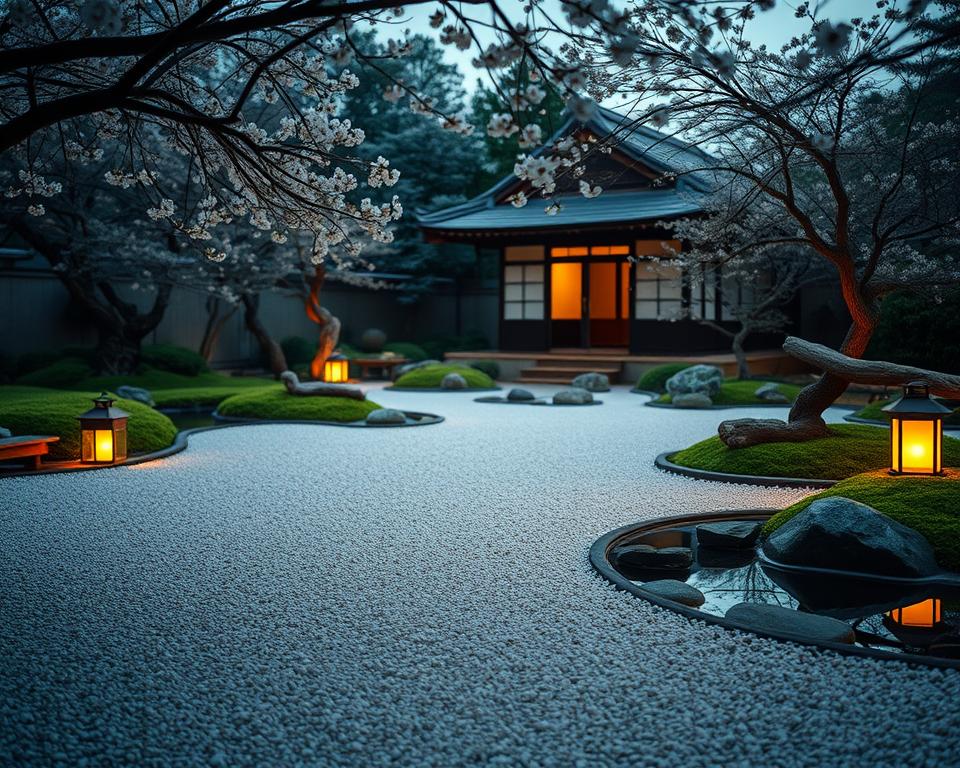
One of the most meditative practices in a Zen garden is the act of raking gravel or sand. This simple, repetitive motion can be incredibly calming, helping to clear the mind and focus on the present moment. As you rake, pay attention to the patterns you create, allowing yourself to let go of distractions and simply be.
Creating a Viewing Space
Designating a viewing area within your Zen garden can enhance your mindfulness practice. By creating a comfortable spot to sit and observe your garden, you can fully appreciate the beauty and tranquility it offers. This can be a simple bench or a designated area with a mat, where you can sit and meditate or simply enjoy the surroundings.
Seasonal Appreciation Practices
Zen gardens change with the seasons, offering a unique opportunity to practice mindfulness through observation of these changes. Take time to appreciate the way the light falls on your garden at different times of the year, or how the plants and moss respond to the changing weather conditions. This practice can foster a deeper appreciation for the natural world and the cycles of life.
By incorporating these practices into your daily routine, your Zen garden can become a powerful tool for cultivating mindfulness and enhancing your overall well-being.
Conclusion
As you complete your Zen garden, you will have crafted more than just a beautiful outdoor space – you will have created a haven for peace and serenity. The journey to creating your serene garden oasis involves careful planning, attention to detail, and a deep understanding of the principles behind Zen garden design.
By applying the insights and guidance provided throughout this article, you can now embark on your Zen garden journey, cultivating a space that promotes mindfulness and calm. Your Zen garden will become a sanctuary where you can escape the stresses of everyday life and connect with nature.
The art of creating a Zen garden is a personal and rewarding experience. As you tend to your garden, you will find that it evolves into a reflection of your inner self, a space that nurtures your spirit and brings you closer to achieving a state of serenity. In your serene garden oasis, you will discover a sense of peace that resonates deeply within you.
FAQ
What is the ideal size for a Zen garden?
The ideal size for a Zen garden can vary greatly, depending on the available space in your garden and your personal preferences. Even a small, compact Zen garden can be effective, as the focus is on creating a serene and contemplative atmosphere.
How often should I maintain my Zen garden?
Regular maintenance is crucial to keep your Zen garden looking its best. You should rake the gravel or sand daily, prune plants as needed, and inspect the garden regularly for weeds and other issues.
Can I use any type of rock or stone in my Zen garden?
While you can use various types of rocks or stones, the choice should be guided by the overall aesthetic you wish to achieve and the local availability of materials. Traditionally, Zen gardens often feature natural stones such as granite or basalt.
How do I choose the right plants for my Zen garden?
When selecting plants for your Zen garden, consider species that are suitable for the British climate and that will thrive in the specific conditions of your garden. Moss, Japanese maple, and azalea are popular choices for Zen gardens.
Do I need to include water features in my Zen garden?
No, you don’t necessarily need to include water features in your Zen garden. While some Zen gardens feature ponds or basins, others use gravel or sand to symbolise water, creating a dry garden or ‘dry landscape’.
How can I create a Zen garden on a budget?
Creating a Zen garden on a budget requires some planning. Consider using locally sourced materials, repurposing existing garden features, and selecting plants that are affordable and easy to maintain.
What is the significance of raking patterns in a Zen garden?
Raking patterns in a Zen garden are not just aesthetically pleasing; they are also a form of meditation. The act of raking can be calming and help to clear the mind.
Can I incorporate modern elements into a traditional Zen garden?
Yes, you can incorporate modern elements into a traditional Zen garden, but it’s essential to strike a balance between authenticity and creativity. Ensure that any modern features you add complement the overall Zen aesthetic.
How do I protect my Zen garden from extreme weather conditions?
To protect your Zen garden from extreme weather, consider using protective measures such as covering plants during harsh winters, installing proper drainage to prevent waterlogging, and securing any loose elements that could be damaged by strong winds.