Create a Natural Garden: Your Guide to Sustainable Landscaping
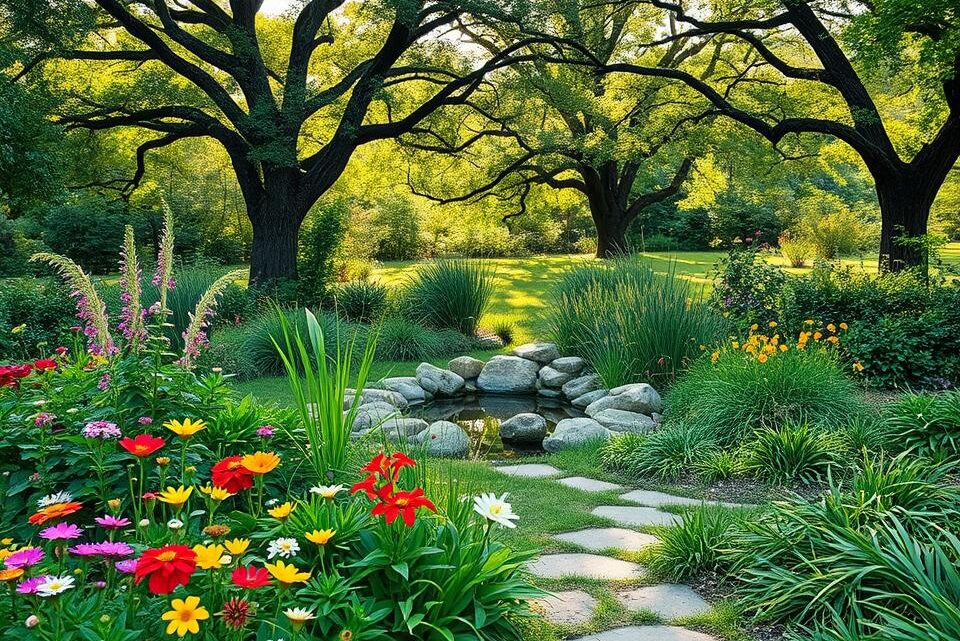
As you embark on designing your outdoor space, you’re likely to consider the environmental impact of your choices. Sustainable landscaping is an approach that not only beautifies your garden but also contributes to a healthier planet.
By adopting eco-friendly gardening practices, you can significantly reduce your garden’s carbon footprint. This involves selecting plants that thrive in your local climate, conserving water, and minimising waste.
A well-designed natural garden design can also provide a haven for local wildlife, enhancing biodiversity in your area. As you plan your garden, consider how your choices can support the local ecosystem.
Inhaltsverzeichnis
Key Takeaways
- Implementing sustainable practices in your garden reduces its environmental impact.
- Eco-friendly gardening involves using locally adapted plants and conserving resources.
- A natural garden design can enhance local biodiversity.
- Sustainable landscaping contributes to a healthier planet.
- Your gardening choices can support the local ecosystem.
What Is a Natural Garden?
Natural gardening is an approach that seeks to minimize environmental impact while maximizing ecological benefits. This method of gardening is centered around creating a balanced ecosystem that supports local biodiversity and requires minimal maintenance.
Core Principles of Natural Gardening
The core principles of natural gardening include:
- Embracing biodiversity by planting a variety of native species
- Using natural materials and avoiding synthetic chemicals
- Conserving water and reducing waste
- Creating habitats for wildlife
The Philosophy Behind Sustainable Landscaping
Sustainable landscaping is about working with nature, rather than against it. This philosophy is rooted in the understanding that our actions have an impact on the environment, and that by making conscious choices, we can create gardens that are not only beautiful but also beneficial to the planet.
How Natural Gardens Differ from Conventional Ones
Natural gardens differ significantly from conventional gardens in their approach to maintenance, plant selection, and overall design. While conventional gardens often rely on chemical fertilizers and pesticides, natural gardens use organic methods to control pests and diseases.
By adopting natural gardening practices, you can create a garden that is not only sustainable but also a haven for local wildlife.
Benefits of Creating a Natural Garden
Natural gardens provide a multitude of advantages, ranging from environmental improvements to economic savings. By adopting eco-friendly gardening practices, you can significantly enhance your garden’s ecological value while also improving your quality of life.
Environmental Advantages
One of the primary environmental benefits of natural gardens is the enhancement of biodiversity. By incorporating a variety of native plants, you can create a haven for local wildlife, including bees, butterflies, and birds.
Biodiversity Enhancement
A diverse range of plant species supports a complex ecosystem, fostering a balanced environment that is more resilient to pests and diseases.
Carbon Sequestration
Natural gardens also play a crucial role in carbon sequestration. By using plants that absorb CO2, you can help mitigate climate change.
Economic Benefits
In addition to environmental advantages, natural gardens offer significant economic benefits. These include reduced water bills and lower maintenance costs.
Reduced Water Bills
Efficient water use is a hallmark of natural gardens, achieved through techniques like rainwater harvesting and mulching, which reduce the need for irrigation.
Lower Maintenance Costs
By choosing native and adapted plants, you can minimize the need for fertilizers, pesticides, and frequent watering, thereby lowering your garden’s maintenance costs.
Health and Wellbeing Improvements
Natural gardens also contribute to improved health and wellbeing. Being in nature has been shown to reduce stress levels, improve mental health, and promote physical activity.

Assessing Your Garden Space
Assessing your garden space is the first step towards creating a natural garden that works in harmony with nature. This initial assessment will help you understand the unique characteristics of your garden, enabling you to make informed decisions about its design and management.
Evaluating Soil Conditions
Soil is the foundation of your garden. Testing your soil will reveal its type, pH level, and nutrient content. You can purchase a soil testing kit or consult a local nursery for advice. Understanding your soil conditions will guide your plant selection and soil management practices.
Understanding Your Climate and Microclimate
Your local climate and microclimate play a significant role in determining what plants will thrive in your garden. Consider factors such as temperature, rainfall, and wind patterns. Microclimates within your garden may vary, offering different conditions in different areas.
Mapping Sun and Shade Patterns
Observing sun and shade patterns throughout the day and across seasons will help you choose the right plants for different areas of your garden. Use a simple map or diagram to record these patterns.
Identifying Existing Natural Features
Take note of any existing natural features such as trees, shrubs, or water bodies. These features can be incorporated into your garden design, enhancing its ecological value and aesthetic appeal. 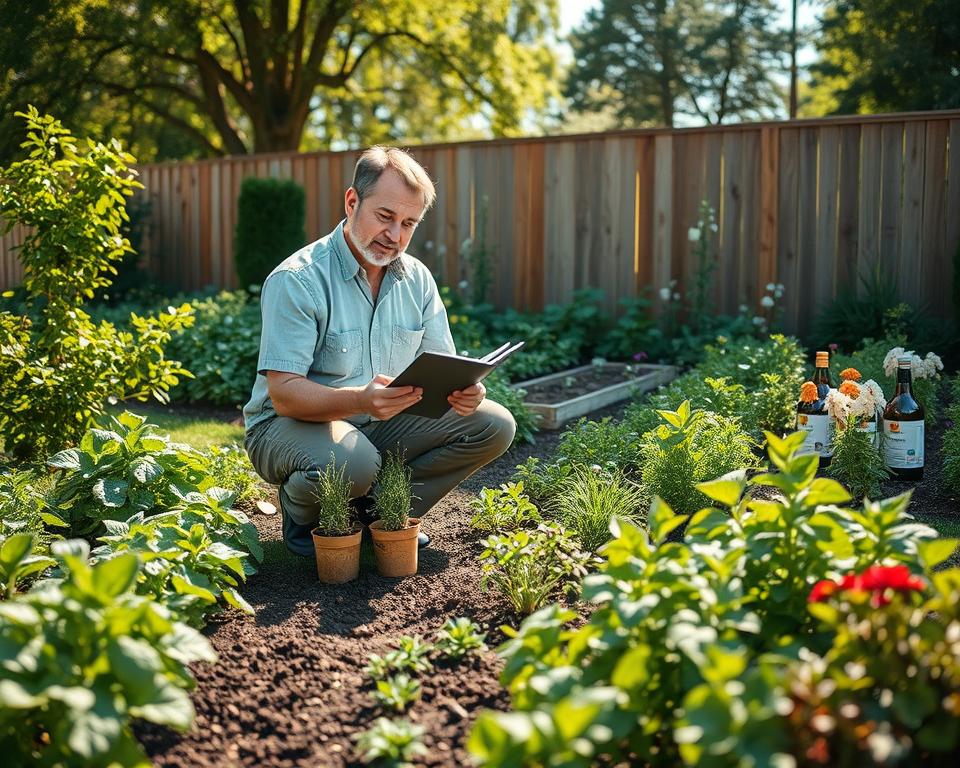
By thoroughly assessing your garden space, you can create a natural garden that is not only beautiful but also sustainable and in harmony with the local environment.
Planning Your Natural Garden Layout
A thoughtful natural garden layout is essential for maximizing both the aesthetic and ecological potential of your outdoor space. As you plan, consider how different elements will work together to create a harmonious and sustainable garden.
Creating Functional Zones
Divide your garden into functional zones to enhance usability and ecological balance. For example, you might designate areas for recreation, relaxation, and wildlife habitats. This zoning will help you manage your garden more effectively and ensure that it meets your needs while supporting local biodiversity.
Designing with Nature in Mind
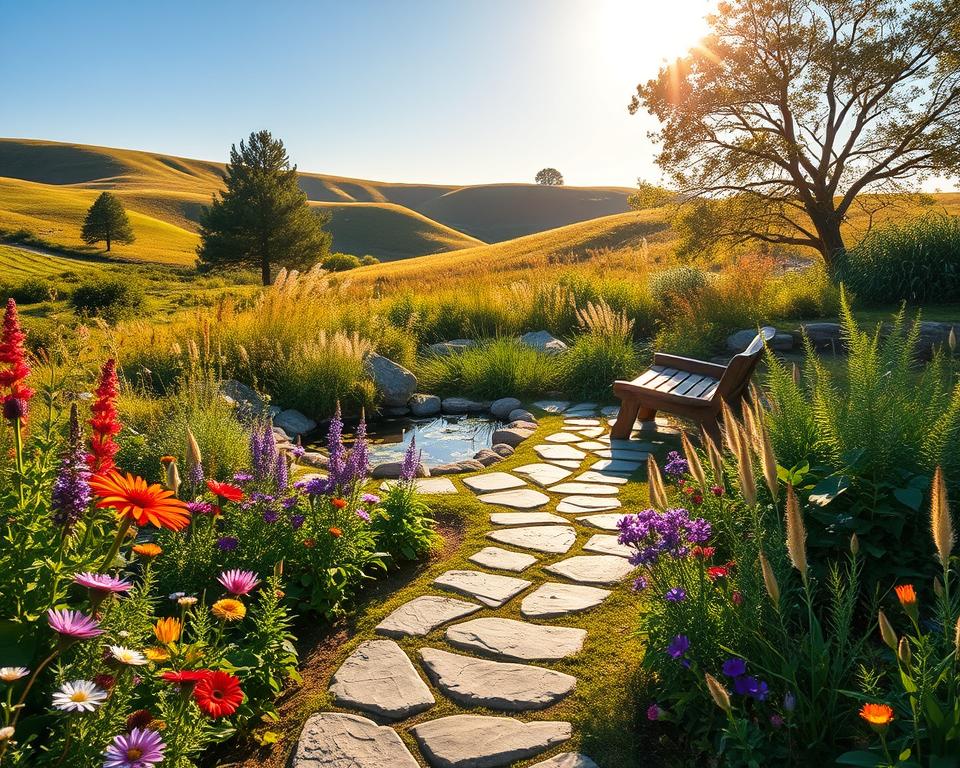
When designing your natural garden, observe and work with the natural contours and features of your land. Minimize soil disturbance and preserve existing natural elements like trees, rocks, and slopes. This approach not only reduces the environmental impact of your garden but also creates a more authentic and resilient ecosystem.
Balancing Aesthetics and Ecology
A natural garden should be both beautiful and ecologically sound. Achieve this balance by selecting plants that are not only native and beneficial to local wildlife but also visually appealing. Consider the seasonal changes in your garden’s appearance and how different plants will contribute to its overall aesthetic throughout the year.
Drawing Your Garden Plan
Once you have considered the various elements of your garden design, it’s time to draw up a detailed plan. Use graph paper or a digital tool to map out your garden, including the location of plants, paths, and other features. This plan will serve as a guide as you implement your natural garden, helping you stay on track and ensure that your vision is realized.
Soil Preparation and Management
Healthy soil is the backbone of any successful natural gardening endeavour. By focusing on soil preparation and management, you can create a thriving ecosystem that supports a diverse range of plants and wildlife.
Building Healthy Soil Naturally
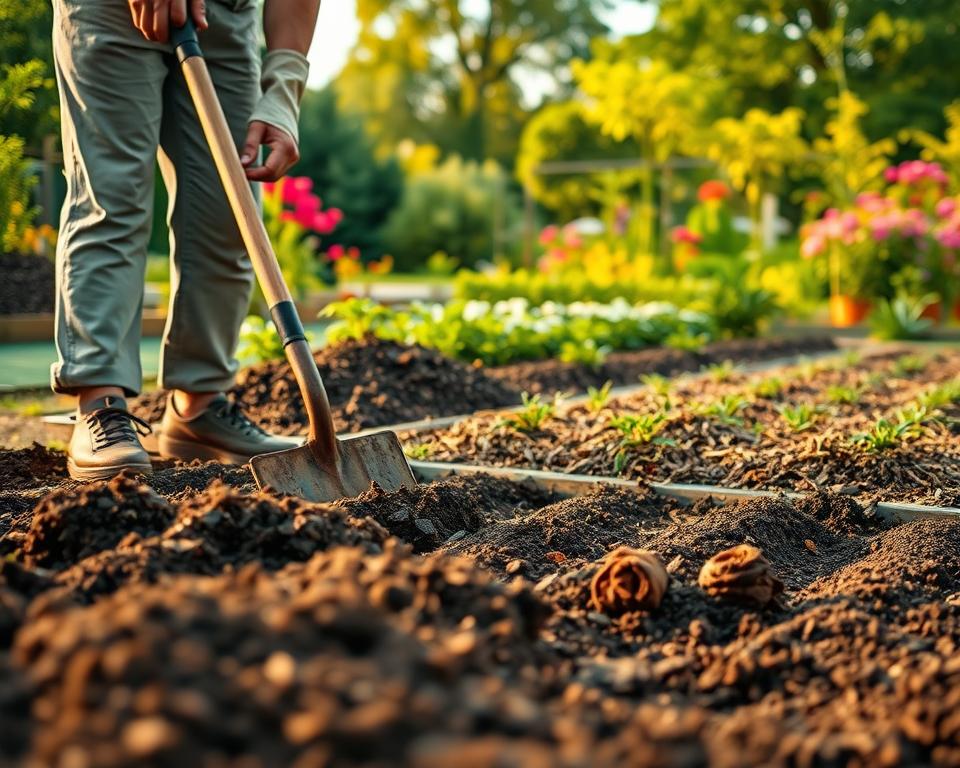
Building healthy soil naturally involves adding organic matter such as compost or manure to improve its structure and fertility. This approach not only enhances soil health but also promotes a balanced ecosystem.
Composting Basics for Garden Health
Composting is a crucial aspect of garden health, as it recycles organic waste into a nutrient-rich resource. By composting, you can reduce your waste output while creating a valuable resource for your garden.
No-Dig Gardening Methods
No-dig gardening methods minimize soil disturbance, preserving its structure and the organisms that live within it. This approach can lead to healthier plants and a more resilient garden ecosystem.
Understanding Soil Biology
Understanding soil biology is essential for effective soil management. Soil is home to a complex community of organisms, from bacteria to earthworms, that play a vital role in decomposing organic matter and making nutrients available to plants.
Choosing Native and Adapted Plants
The success of a natural garden hinges on the selection of appropriate native and adapted plants for your UK region. Native plants, in particular, offer numerous benefits that make them ideal for sustainable landscaping.
Benefits of Native Species
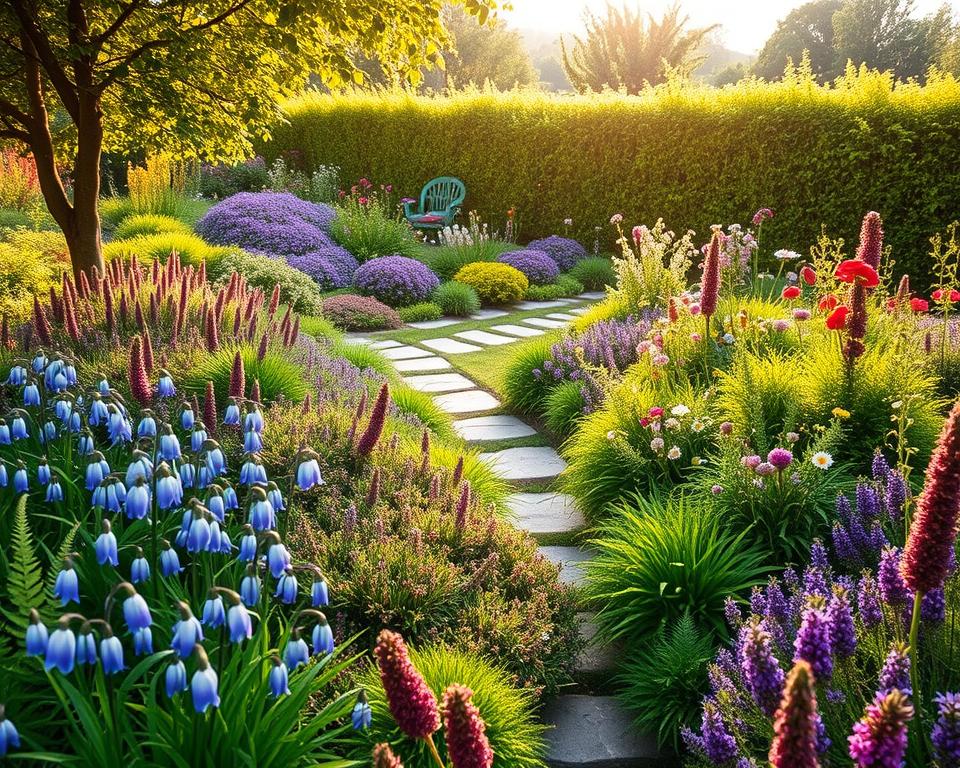
Native species are inherently adapted to the local climate and soil conditions, requiring less maintenance and care. They support local biodiversity by providing food and shelter for native wildlife, such as pollinators and birds. Native plants have co-evolved with local wildlife, creating a balanced ecosystem that is resilient to pests and diseases.
Selecting Plants for Your UK Region
When choosing plants, it’s essential to consider the specific conditions of your garden and the UK region you are in. Different regions have unique climate and soil characteristics that affect plant growth. For instance, plants that thrive in the south-east of England may not do as well in the wetter climates of Scotland or Wales. Researching plants suitable for your local conditions will help ensure their survival and success.
Creating Plant Communities
Creating diverse plant communities is key to a thriving natural garden. This involves selecting a mix of plants that work well together, providing a range of benefits such as year-round interest, habitat diversity, and improved soil health. By mimicking natural ecosystems, you can create a resilient and biodiverse garden that requires less intervention.
Where to Source Native Plants
Native plants can be sourced from specialist nurseries, garden centres, and online retailers that focus on native species. It’s crucial to ensure that the plants you purchase are genuinely native and have been grown in a sustainable manner. Supporting local suppliers can also help reduce the carbon footprint associated with transporting plants.
By focusing on native and adapted plants, you can create a natural garden that is not only beautiful but also supports local biodiversity and is sustainable in the long term.
How to Create a Natural Garden Step-by-Step
Establishing a natural garden requires a thoughtful approach, starting with site preparation. This process involves several key steps that help you create a thriving ecosystem in your outdoor space.
Clearing and Preparing the Site
The first step in creating a natural garden is clearing and preparing the site. This involves removing any debris, weeds, or unwanted plants.
Removing Invasive Species
It’s crucial to identify and remove any invasive species that could harm your garden’s ecosystem. Invasive plants can outcompete native species for resources, potentially damaging the local environment.
Preserving Valuable Existing Plants
While removing unwanted plants, be sure to preserve any valuable existing plants that are native or beneficial to your garden. These plants can provide a foundation for your natural garden.
Implementing Your Design Plan
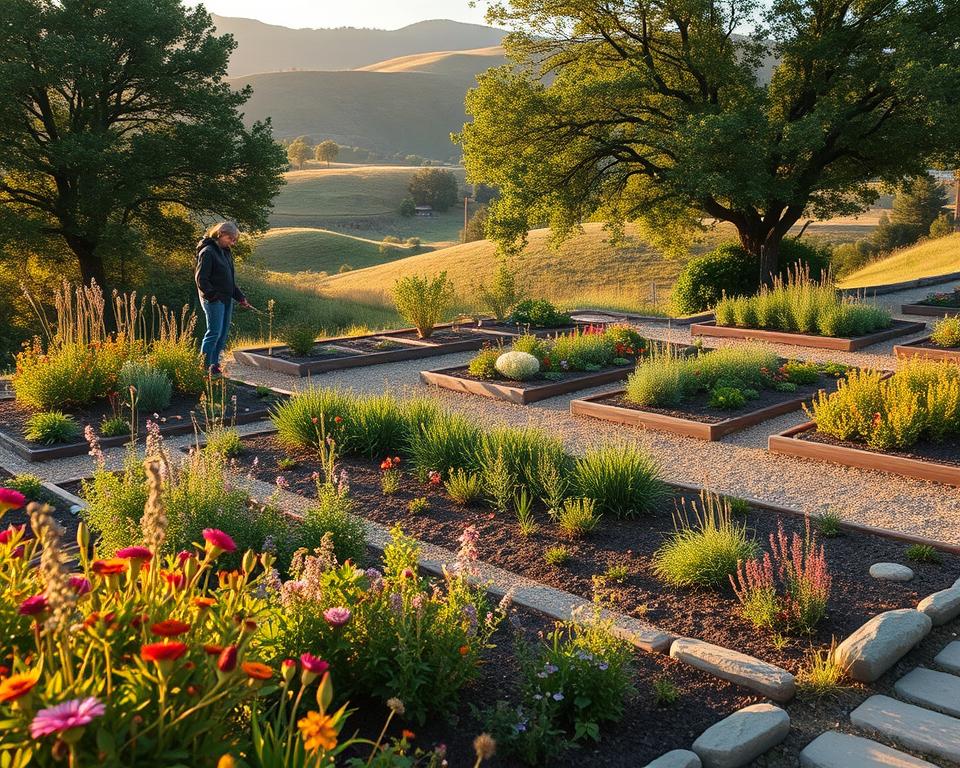
Once your site is cleared, you can begin implementing your design plan. This involves creating the different zones and features you’ve planned, such as paths, water features, or wildlife habitats.
Planting Techniques for Success
When it comes to planting techniques, using native plants and adopting sustainable practices is key. Ensure you’re using the right plants for your climate and soil type.
- Choose plants that are well-suited to your local conditions.
- Use a diverse range of plants to create a resilient ecosystem.
- Plant at the right time of year for your region.
Initial Maintenance Requirements
After planting, your natural garden will require some initial maintenance. This includes watering, mulching, and monitoring for any signs of pests or disease.
By following these steps and maintaining your garden, you’ll be able to enjoy a thriving natural ecosystem that supports local biodiversity.
Water Conservation Strategies
As you create your natural garden, implementing effective water conservation strategies is essential. Water conservation not only helps in reducing your water bills but also plays a crucial role in maintaining the ecological balance of your garden.
Rainwater Harvesting Systems
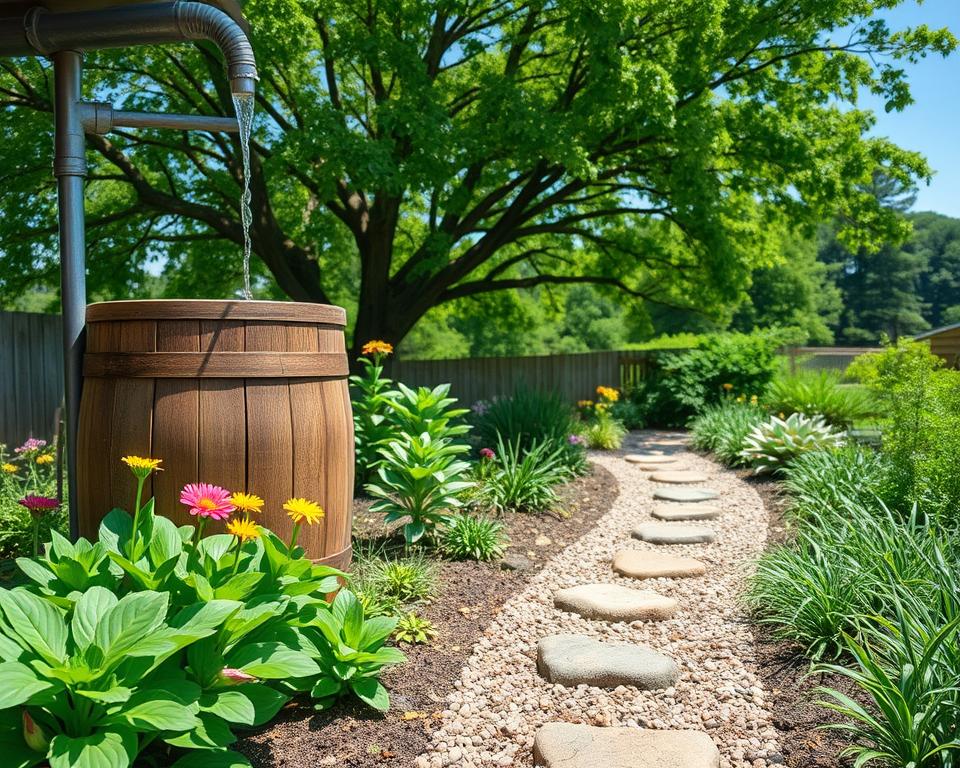
One of the most effective ways to conserve water is by installing a rainwater harvesting system. This involves collecting and storing rainwater from your roof or other surfaces for later use in your garden. It’s a simple yet impactful way to reduce your reliance on mains water.
Efficient Irrigation Methods
Using efficient irrigation methods is another crucial strategy. Techniques such as drip irrigation deliver water directly to the roots of plants, minimizing evaporation and runoff. This not only saves water but also ensures that your plants receive the moisture they need.
Creating Rain Gardens
Creating rain gardens is a beautiful and functional way to manage rainwater runoff. These gardens are designed to absorb and filter rainwater, reducing the burden on drainage systems and helping to recharge groundwater.
Mulching to Retain Moisture
Mulching is a simple and effective technique for retaining soil moisture. By applying a layer of organic mulch around your plants, you can significantly reduce water loss through evaporation and keep your soil cooler.
As highlighted by a gardening expert, “Mulching is a key strategy in water conservation, as it helps maintain soil health and reduce the need for frequent watering.”
“The best way to get started with water conservation is to start small and be consistent.”
Natural Pest Management
Managing pests naturally is a key aspect of sustainable gardening practices. By adopting these methods, you can protect your garden without harming the environment.
Encouraging Beneficial Insects
Beneficial insects, such as ladybugs and lacewings, are natural predators of common garden pests. Creating a welcoming environment for these insects can significantly reduce pest problems. For example, planting a diverse range of flowers that provide nectar and pollen can attract these beneficial insects.
Companion Planting Techniques
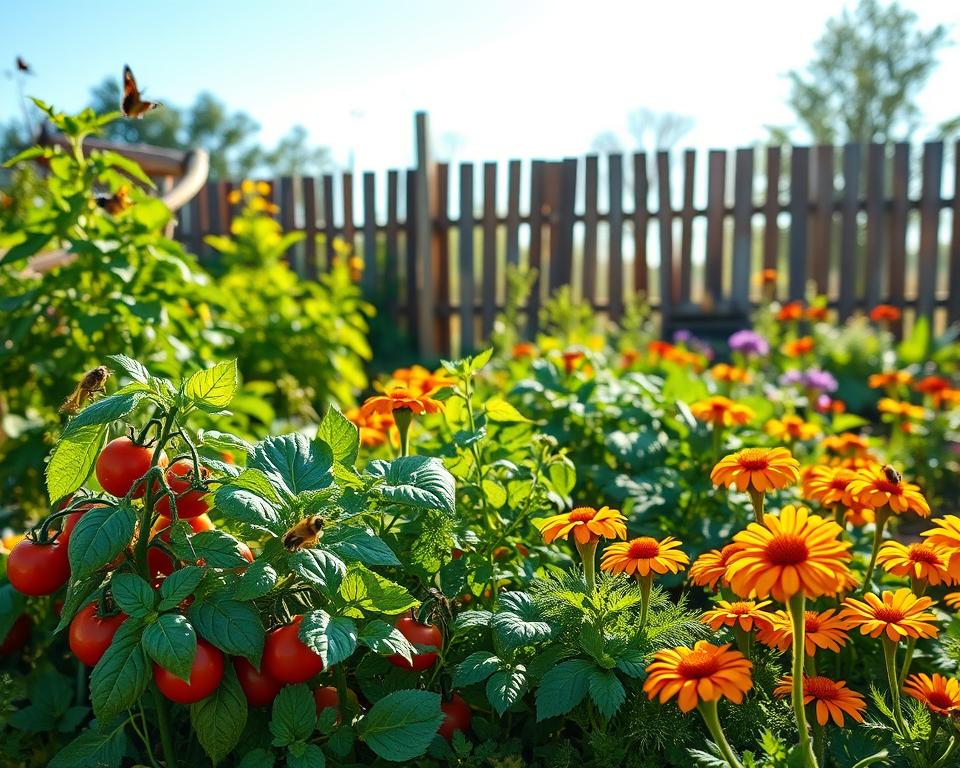
Companion planting involves growing different plants together to improve their growth or protect them from pests. For instance, planting marigolds with tomatoes can deter nematodes, while basil repels aphids. This technique not only helps in pest control but also enhances the overall biodiversity of your garden.
Organic Solutions for Common UK Garden Pests
For pests like aphids and slugs, organic solutions such as neem oil and copper tape can be effective. Neem oil disrupts the life cycle of aphids, preventing them from reproducing, while copper tape deters slugs due to the uncomfortable shock it gives them upon contact. These methods are safer for the environment and human health compared to chemical pesticides.
| Pest | Organic Solution |
|---|---|
| Aphids | Neem Oil |
| Slugs | Copper Tape |
Preventative Measures
Maintaining garden hygiene, using physical barriers, and encouraging biodiversity are all preventative measures that can reduce pest issues. Regular monitoring of your garden is also crucial to catch any potential problems early. By being proactive, you can minimize the risk of pest infestations and maintain a healthy, balanced ecosystem.
Creating Wildlife Habitats
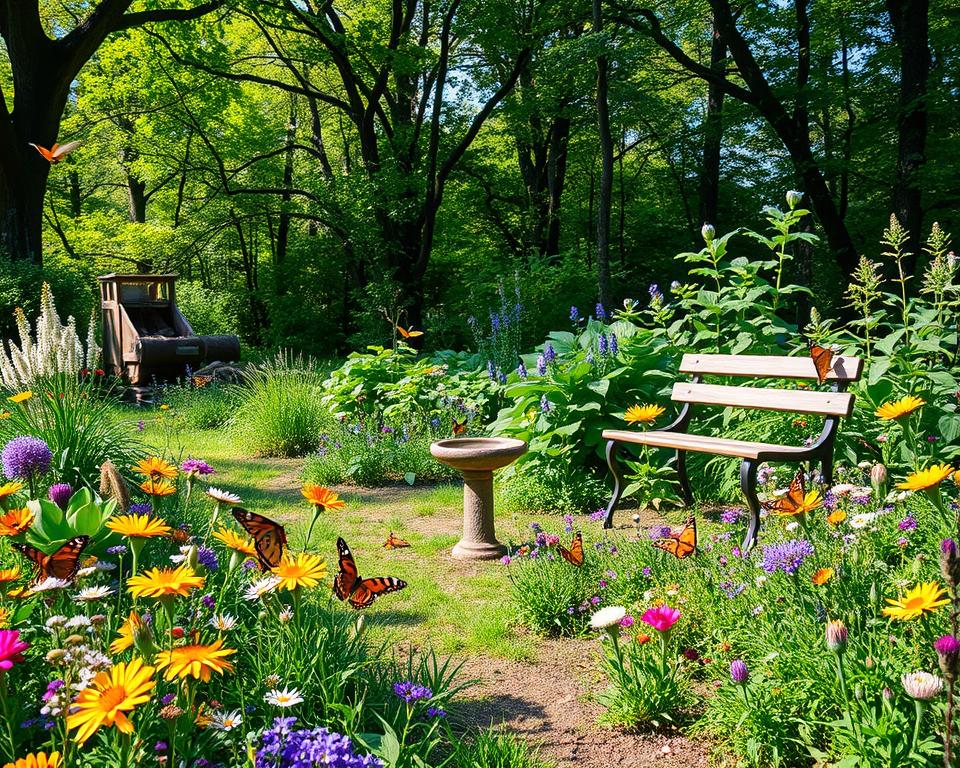
Creating a wildlife-friendly habitat in your natural garden is a rewarding way to support local biodiversity. By incorporating a variety of features, you can attract a range of species and contribute to the health of the local ecosystem.
Attracting Pollinators
Pollinators such as bees and butterflies are crucial for the reproduction of many plant species. To attract these beneficial insects, incorporate a mix of native flowers that provide nectar and pollen.
Supporting Birds and Beneficial Mammals
Birds and mammals can play a vital role in controlling pest populations and maintaining ecological balance. Consider adding features such as bird feeders, nesting boxes, and hedgehog-friendly habitats.
Building Insect Hotels and Wildlife Shelters
Insect hotels and wildlife shelters can provide vital habitat for solitary bees, ladybugs, and other beneficial insects. Use natural materials such as wood and bamboo to construct these features.
Creating Ponds and Water Features
Ponds and water features can attract a wide range of wildlife, from dragonflies to frogs. Ensure that your pond is designed with safety features, such as shallow areas and escape routes, to support a diverse range of species.
| Feature | Benefit | Example |
|---|---|---|
| Native Flowers | Attract Pollinators | Lavender, Sunflowers |
| Bird Feeders | Support Birds | Nut seed feeders, Suet feeders |
| Insect Hotels | Support Beneficial Insects | Bamboo, Wooden structures |
“Gardens are not just beautiful spaces; they are also crucial habitats for a wide range of wildlife. By designing our gardens with wildlife in mind, we can make a significant positive impact on local biodiversity.” –
Sustainable Lawn Alternatives
As concern for the environment grows, many homeowners are seeking sustainable lawn alternatives that are both beautiful and eco-friendly. Traditional lawns, while aesthetically pleasing, often require significant maintenance, including regular watering, mowing, and fertilizing, which can have a substantial environmental impact.
Meadow and Prairie Gardens
Meadow and prairie gardens are vibrant alternatives that can thrive with minimal maintenance. These gardens are planted with a variety of native grasses and wildflowers, creating a dynamic landscape that changes with the seasons. They require less watering and mowing, making them an attractive option for those looking to reduce their garden’s ecological footprint.

Low-Maintenance Ground Covers
Low-maintenance ground covers are another sustainable option. Plants like clover, thyme, and creeping Jenny can form dense mats that suppress weeds, reducing the need for herbicides and other chemicals. These ground covers can be walked on and are ideal for areas where a traditional lawn is desired but with less maintenance.
Moss Gardens and Other Options
Moss gardens offer a lush, green alternative that thrives in shaded areas. Moss requires minimal maintenance, can tolerate foot traffic, and doesn’t need mowing. Other options include using gravel or wood chips, which can be aesthetically pleasing and require little upkeep.
Transitioning from Traditional Lawns
Transitioning from a traditional lawn to a sustainable alternative requires some planning. Start by assessing your garden’s conditions, including sunlight, soil type, and existing flora. Choose plants that are suitable for your climate and soil conditions, and consider a phased approach to minimize disruption.
Eco-Friendly Hardscaping
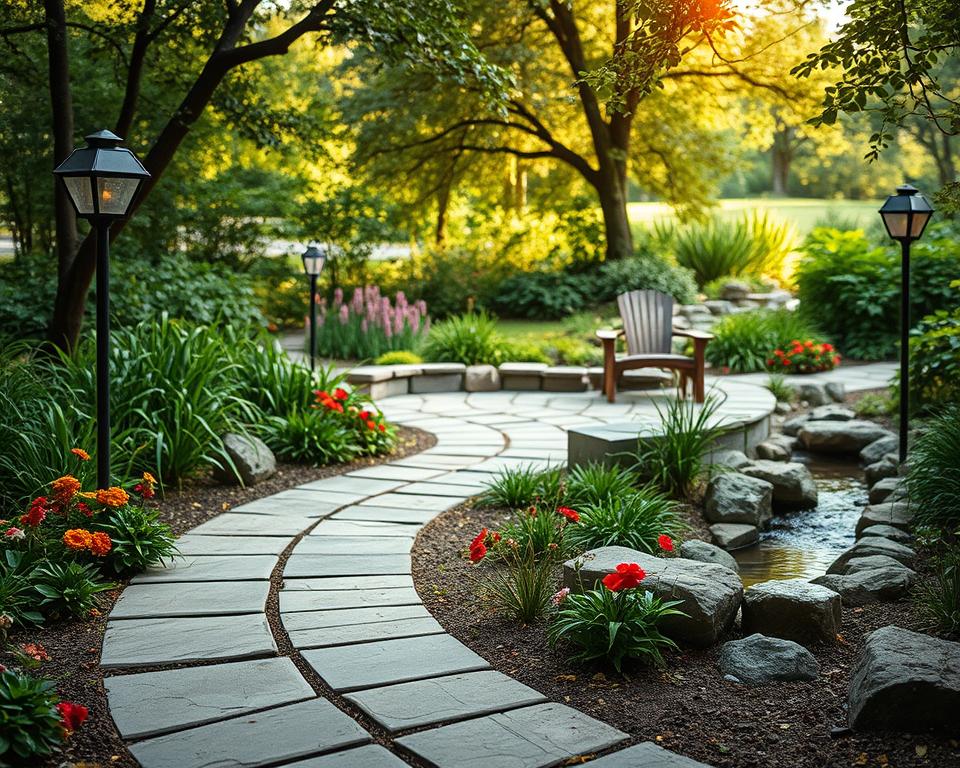
Creating a natural garden that is both aesthetically pleasing and environmentally friendly requires careful consideration of hardscaping options. Hardscaping refers to the non-living elements of your garden, such as paths, patios, and garden structures. By choosing eco-friendly hardscaping materials and designs, you can reduce your garden’s environmental footprint while enhancing its beauty and functionality.
Permeable Paving Options
Traditional paving materials like concrete and asphalt can contribute to stormwater runoff, potentially carrying pollutants into local waterways. In contrast, permeable paving options allow rainwater to percolate through the surface, reducing runoff and filtering out pollutants. Examples include permeable concrete pavers, porous asphalt, and gravel paths.
Sustainable Materials for Garden Structures
When building garden structures such as sheds, gazebos, or fences, consider using sustainable materials like reclaimed wood, bamboo, or recycled plastic. These materials not only reduce the demand for virgin timber but also add unique character to your garden.
Reducing Environmental Impact
To minimize the environmental impact of your hardscaping, consider the lifecycle costs of materials, from production to installation and maintenance. Choosing materials that are durable, locally sourced, or made from recycled content can significantly reduce your garden’s carbon footprint.
Incorporating Reclaimed Materials
Using reclaimed materials for hardscaping can add character to your garden while reducing waste. Old bricks, railway sleepers, or salvaged stone can be repurposed for paths, patios, or retaining walls, giving your garden a unique history and reducing the need for new materials.
| Material | Environmental Benefit | Aesthetic Appeal |
|---|---|---|
| Permeable Pavers | Reduces stormwater runoff | Variety of designs and colours |
| Reclaimed Wood | Reduces waste and demand for new timber | Unique, weathered appearance |
| Gravel Paths | Allows for rainwater percolation | Easy to install and maintain |
Seasonal Maintenance for Natural Gardens
To keep your natural garden flourishing, it’s essential to understand the seasonal maintenance tasks. As the seasons change, different activities will be required to ensure your garden remains healthy and vibrant.
Spring and Summer Tasks
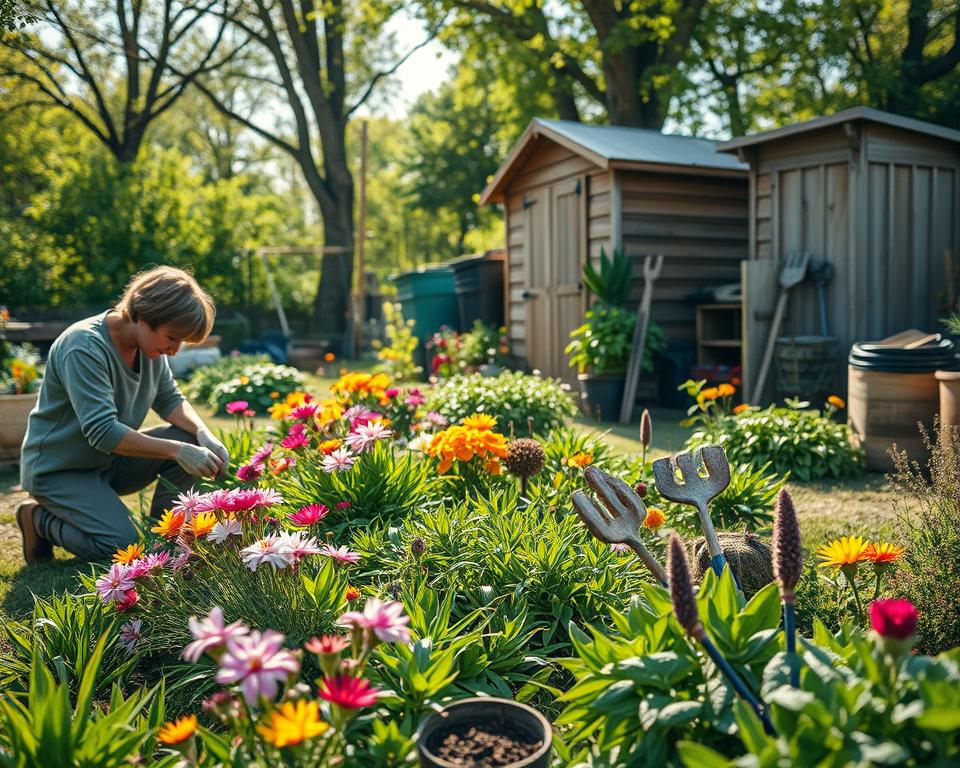
During spring and summer, your natural garden will require more frequent maintenance. Weeding and pruning are crucial during these seasons to promote healthy growth and prevent invasive species from taking over. You should also ensure that your plants are receiving adequate water, especially during dry spells.
Autumn and Winter Care
In autumn, start preparing your garden for the colder months by clearing away dead plant material and adding organic mulch to protect the soil. Winter is a good time to plan for the upcoming growing season and make any necessary repairs to garden structures.
Sustainable Pruning and Cutting Back
Pruning is an essential task in maintaining your natural garden. It’s crucial to adopt sustainable pruning practices that promote the health of your plants and the surrounding ecosystem. This includes making clean cuts and avoiding over-pruning.
Adapting to Climate Change
As climate change continues to impact weather patterns, it’s vital to adapt your garden maintenance accordingly. This may involve being prepared for more extreme weather conditions and adjusting your planting schedule as needed.
Overcoming Common Challenges
Transitioning to a natural garden requires overcoming various common challenges. As you embark on this journey, you’ll need to address several key issues to ensure a successful transformation.
Transitioning from a Conventional Garden
Switching from a traditional garden to a natural one can be daunting. It involves changing your approach to gardening, including how you manage pests and maintain soil health. Start by assessing your current garden practices and identifying areas that need improvement.
Managing Neighbours’ Expectations
Your decision to create a natural garden might not be shared by your neighbours, who may view your garden as untidy or unkempt. Communicating the benefits of natural gardening can help alleviate their concerns and potentially inspire them to adopt similar practices.
Balancing Wildness with Tidiness
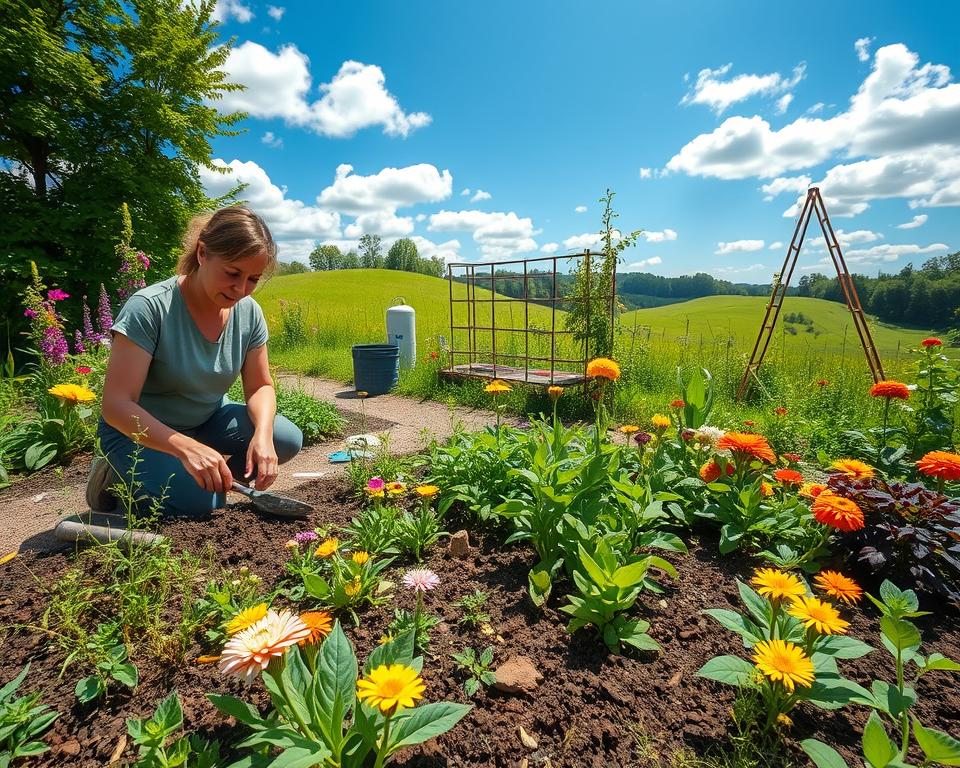
One of the challenges of natural gardening is striking a balance between allowing your garden to flourish naturally and maintaining a level of tidiness. This can be achieved by creating defined areas within your garden and implementing a maintenance routine that supports biodiversity.
Dealing with Council Regulations
Local council regulations may impact your ability to create a natural garden, particularly if there are rules governing garden maintenance or the types of plants you can grow. It’s essential to familiarize yourself with these regulations and explore options for compliance or exemption.
Inspiring Natural Garden Examples from the UK
From public gardens to community projects, the UK offers a diverse range of natural garden examples that can inspire your journey towards sustainable landscaping.
Public Gardens to Visit
The UK is home to many public gardens that showcase natural gardening principles. For instance, the Eden Project in Cornwall is a must-visit, with its biomes featuring exotic plants from around the world in a sustainable environment. Another example is the RHS Garden Wisley, which includes a variety of naturalistic planting schemes and habitats.
- Eden Project, Cornwall
- RHS Garden Wisley, Surrey
- Cambridge University Botanic Garden, Cambridge
Community Projects and Initiatives
Community-led projects are transforming public spaces into vibrant natural gardens. The Greening Deserts initiative is a great example, focusing on urban renewal through natural gardening practices. These projects not only beautify areas but also foster community spirit.
Before and After Transformations
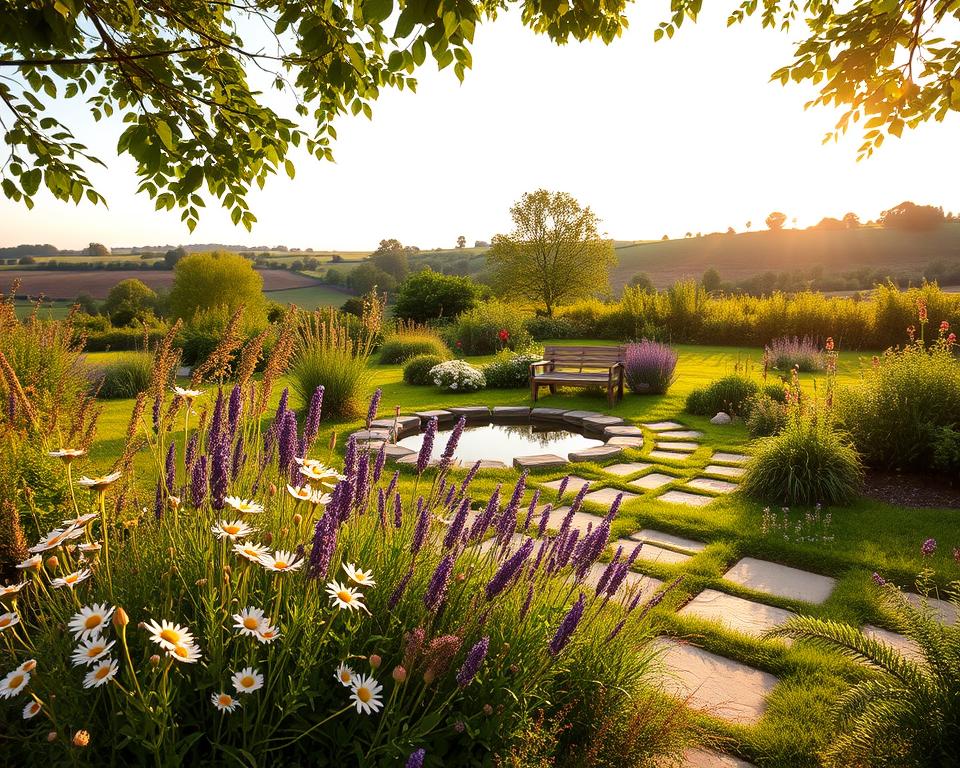
Many gardeners have successfully transformed their outdoor spaces into natural gardens. For example, a neglected lawn can be turned into a meadow garden, filled with native wildflowers and grasses. Such transformations not only enhance biodiversity but also reduce maintenance.
- Assess your garden’s potential
- Choose native plants suitable for your region
- Implement sustainable gardening practices
Learning from Professional Ecological Gardeners
Professional ecological gardeners offer valuable insights and techniques for creating thriving natural gardens. Their expertise in areas like soil management and natural pest control can be invaluable. Attending workshops or following their blogs can provide inspiration and practical advice.
Conclusion
As you consider transforming your outdoor space into a natural garden, you’re not just enhancing your property’s aesthetic appeal; you’re also contributing to a more sustainable environment. By adopting natural gardening practices, you’re supporting local biodiversity, conserving water, and reducing your carbon footprint.
Your journey to sustainable landscaping involves several key steps, from assessing your garden space and planning your layout to choosing native plants and implementing eco-friendly hardscaping. By following these principles, you’ll create a haven for wildlife and a peaceful retreat for yourself.
Embracing eco-friendly gardening practices not only benefits the environment but also enriches your outdoor experience. As you continue on your natural gardening journey, you’ll discover the joy of working in harmony with nature, enjoying the beauty and tranquility of your sustainable landscape.
FAQ
What is a natural garden, and how does it differ from a conventional garden?
A natural garden is designed to work in harmony with nature, using native plants, and sustainable practices to create a balanced ecosystem. Unlike conventional gardens, natural gardens avoid the use of chemical pesticides, herbicides, and fertilisers, instead relying on natural processes to maintain garden health.
How do I assess my garden’s soil condition?
To assess your garden’s soil condition, start by observing its texture, structure, and drainage. You can also perform a simple soil test to determine its pH level and nutrient content. Understanding your soil’s characteristics will help you choose the right plants and amendments.
What are the benefits of using native plants in my garden?
Native plants are adapted to the local climate and soil conditions, requiring less maintenance, water, and care. They also provide a haven for native wildlife, such as bees, butterflies, and birds, supporting local biodiversity.
How can I conserve water in my natural garden?
You can conserve water by implementing rainwater harvesting systems, using efficient irrigation methods, creating rain gardens, and mulching to retain moisture. These strategies will help reduce your garden’s water consumption and reliance on municipal supplies.
What is the best way to manage pests in a natural garden?
To manage pests naturally, encourage beneficial insects, use companion planting techniques, and adopt organic solutions for common garden pests. Preventative measures, such as maintaining healthy soil and plants, will also help minimise pest problems.
Can I create a natural garden in a small urban space?
Yes, you can create a natural garden in a small urban space. Even a balcony, patio, or small yard can be transformed into a haven for wildlife by using native plants, incorporating natural features, and adopting sustainable gardening practices.
How do I transition from a conventional lawn to a more sustainable alternative?
To transition from a conventional lawn, consider alternatives like meadow or prairie gardens, low-maintenance ground covers, or moss gardens. Start by assessing your lawn’s condition, then choose the best option for your climate, soil, and desired level of maintenance.
What are the benefits of creating a wildlife-friendly garden?
Creating a wildlife-friendly garden provides a haven for local wildlife, supporting biodiversity and ecosystem services. It can also enhance your garden’s beauty, attract pollinators, and contribute to a healthier environment.
How can I make my garden more eco-friendly?
To make your garden more eco-friendly, adopt sustainable practices like composting, using reclaimed materials, and choosing eco-friendly hardscaping options. You can also reduce waste, conserve water, and create a wildlife-friendly habitat.
Are there any local regulations or restrictions I should be aware of when creating a natural garden?
Yes, it’s essential to check with your local council or homeowners’ association (if applicable) to determine if there are any regulations or restrictions on creating a natural garden in your area. Some councils may have specific guidelines or bylaws governing garden design, plant choices, or wildlife habitats.