can i build a gazebo without a permit in the uk?
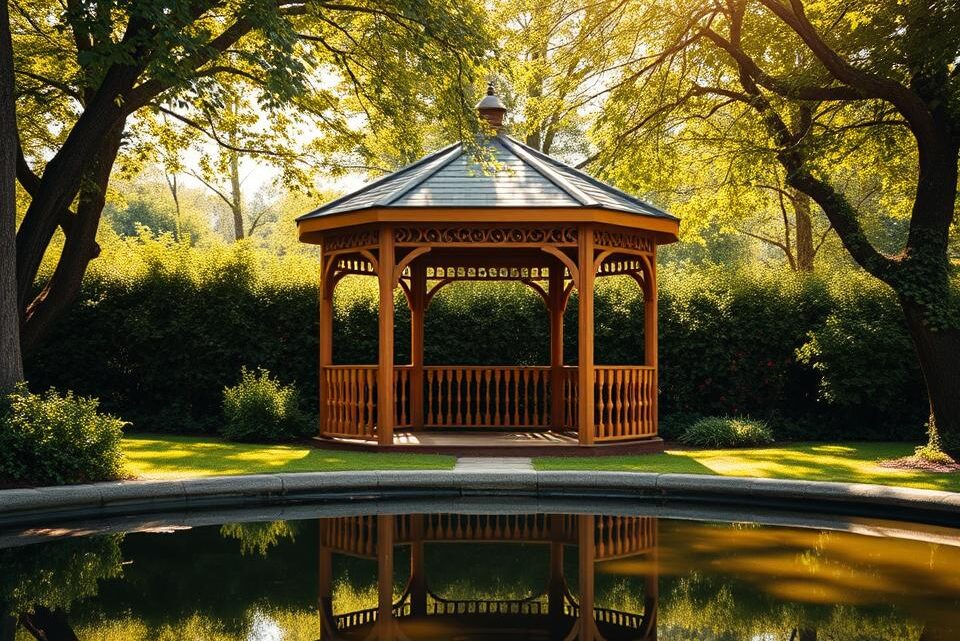
A new gazebo can bring fresh charm to your garden. Many homeowners ask: can i build a gazebo without a permit in the uk? Planning rules matter because they protect your neighbourhood, and ignoring them can lead to problems.
Local councils set specific guidelines, which vary by location. This introduction sheds light on why permissions exist and what happens if you skip them. It helps you understand the question, can i build a gazebo without a permit in the uk? before you break ground on your project.
Planning law may seem complex, yet it is there to keep everyone on the same page. By following basic requirements, you can enjoy a cosy retreat while staying within the rules.
Inhaltsverzeichnis
Key Takeaways
- Ordinary gazebos often boost garden appeal
- Rules can shift based on local council areas
- Skipping approval can result in unwanted costs
- The Planning Portal gives official guidance
- Council checks help safeguard community interests
Understanding Gazebo Building Regulations
Many homeowners dream of adding a charming shelter in their gardens. Gazebo building regulations UK can affect these aspirations, so it pays to grasp the fundamental rules and responsibilities.
Those who plan thoughtfully tend to enjoy smoother progress, escalating their project from idea to reality with fewer hurdles. It helps to note national laws and local guidance for a well-supported structure.
Basic Legal Requirements
Height and boundary restrictions top the list of essential rules. It is wise to consider the distance from fences or walls, since that can affect whether your build stays within easy limits.
| Regulation | Details | Example |
|---|---|---|
| Maximum Height | Varies for flat or pitched roofs | 2.5m near boundary |
| Boundary Distance | Must maintain safe spacing | At least 2m from edge |
The Role of Local Councils
National standards serve as a guideline, yet councils often adapt these to match local conditions. Borough-specific requirements can hinge on conservation priorities or the character of neighbourhoods.
When a Permit Becomes Necessary
Certain triggers indicate when formal permission is required. These may include projects in sensitive areas or large-scale designs:
- Extended size beyond basic limits
- Impact on shared boundaries
- Listed buildings or protected zones
Following the right channels helps you stay compliant and avoid obstacles down the line.
Assessing Your Outdoor Needs
Your ambitions for an outdoor haven can include entertaining guests or finding a calm spot to relax. It helps to plan around practical needs and personal interests. Is your new structure meant for family gatherings, or will it serve as a private retreat?
Think about how much space you have and whether the gazebo will match existing landscaping. Some prefer a neat, timber finish, while others lean towards modern designs. Budget can shape the size of your project and the type of materials you choose. Refined layouts often blend in with lawns, flower beds, or even ponds.
Accessibility is another point to keep in mind. Paths, seating, and nearby lighting can all affect your comfort. Decisions like these could guide you on the need for planning permission for a gazebo.
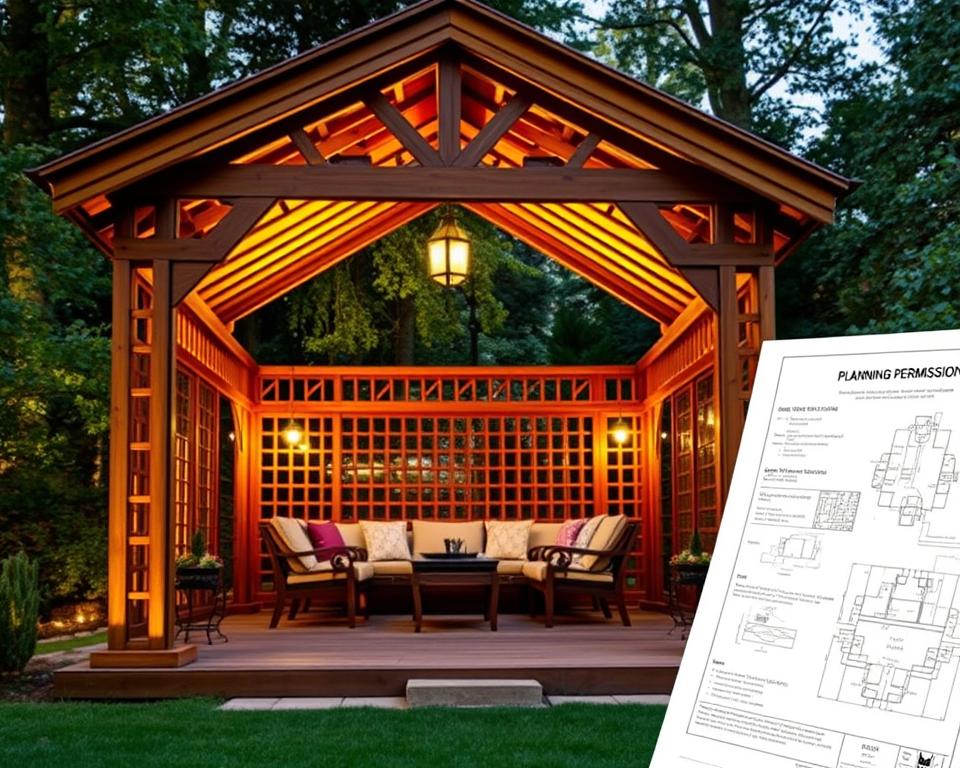
By honestly reviewing your goals, you may discover if planning permission for a gazebo is necessary. A balanced approach can ensure your new outdoor feature meets both personal style and legal guidelines.
Permitted Development Rights Explained
Building certain garden structures can be stress-free when you understand permitted development rights. These rules often apply to additions that meet specific criteria related to height, location, and overall size. They can save you time and expense by removing the need for full planning approval.
Definition of Permitted Development
Permitted development allows homeowners to carry out designated projects without formal permission. It covers practical upgrades that stay within approved standards and safeguards. Many smaller garden structures benefit from this flexibility, giving you the freedom to customise seating areas or sheltered spots that suit your outdoor lifestyle.
Limits and Conditions
Permitted rights come with maximum dimensions and placement clauses. Each council sets out guidelines for height restrictions, proximity to property lines, and overall footprint. If your new design fits those metrics, you remain within the approved scope. When in doubt, it may be wise to consult local planning officers to ensure your changes preserve neighbours’ privacy and maintain a tidy streetscape.
Key Considerations for Building a Gazebo
Constructing a new garden structure can bring fresh charm to any property. Taking time to research permits and recommended zones helps avoid legal headaches. Outdoor building compliance ensures your plans stay on track and respect official guidelines.
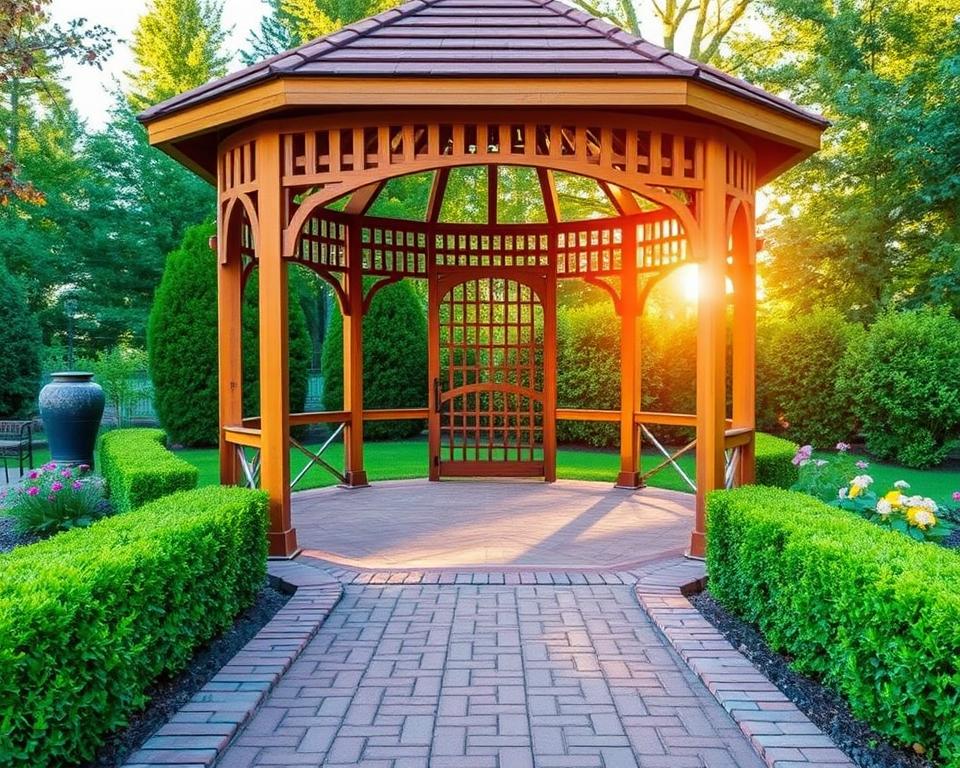
It may be tempting to select the largest design for maximum relaxation. Each region has unique requirements, so reading local bylaws keeps you safe from fines. Good communication with adjoining properties supports a more harmonious experience.
Size and Height Constraints
Rules may vary, but most areas place restrictions on overall height and total covered space. Breaking these limits risks enforcement action. Focusing on approved materials that fit within local standards is helpful when balancing style and practicality.
Impact on Neighbours
Nobody wants ongoing disputes across fence lines. Positioning your gazebo sensibly and maintaining privacy often eliminates friction. Respecting boundaries and keeping noise in check preserves goodwill, safeguarding your outdoor building compliance ambitions.
Materials and Design Ideas
Choosing a style that reflects your garden’s character often starts with the right structural material. Many homeowners ask, can i build a gazebo without a permit in the uk? Understanding design options is a key step toward answering that question.
Traditional Timber Structures
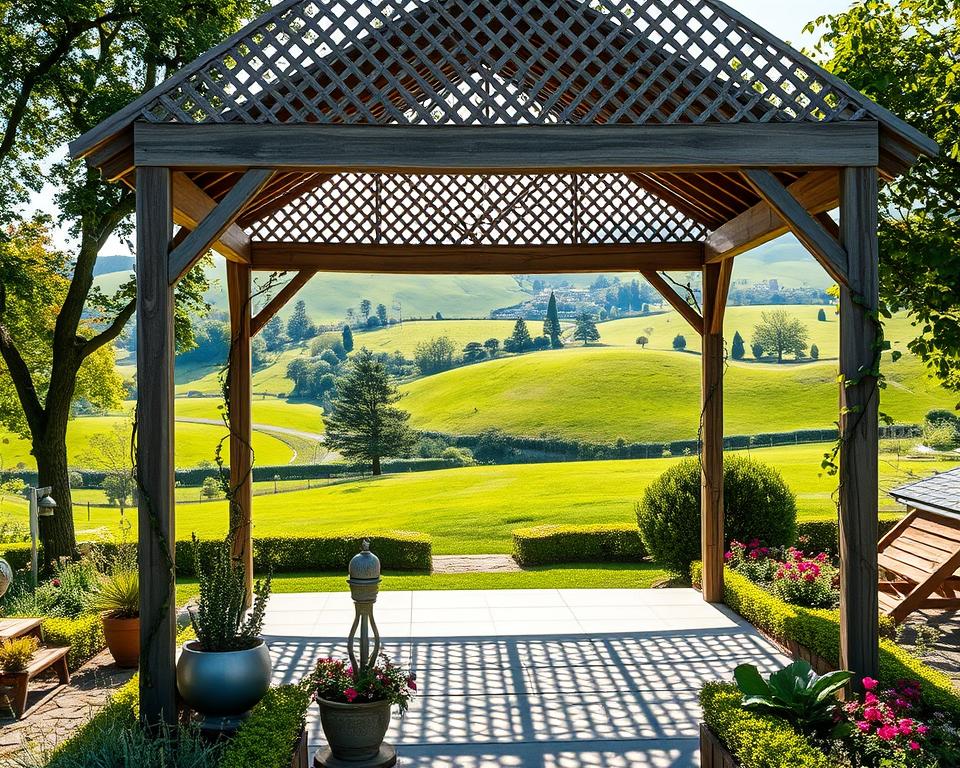
Wood appeals to those who love a warm, rustic charm. Pine or oak supplies a timeless look, and subtle stains can protect surfaces from moisture. Strong beams offer stability, yet regular checks for rot help maintain safety. Sticking to modest dimensions might keep the project within informal boundaries.
Modern Metal Frames
Aluminium or steel frames suit designs that focus on sleek lines and minimal fuss. Powder-coated finishes resist rust, so cleaning stays simple. Collecting accurate measurements prevents unintended overreach, which may be crucial if you wonder, can i build a gazebo without a permit in the uk? A balanced design helps you decide whether formal permission is needed for your chosen material.
can i build a gazebo without a permit in the uk?
Crafting a cosy retreat in your garden can feel satisfying. Choosing the right height, shape and location helps you avoid pitfalls. Some homeowners wonder if they can skip formalities, yet it’s vital to check gazebo building regulations UK before breaking ground.
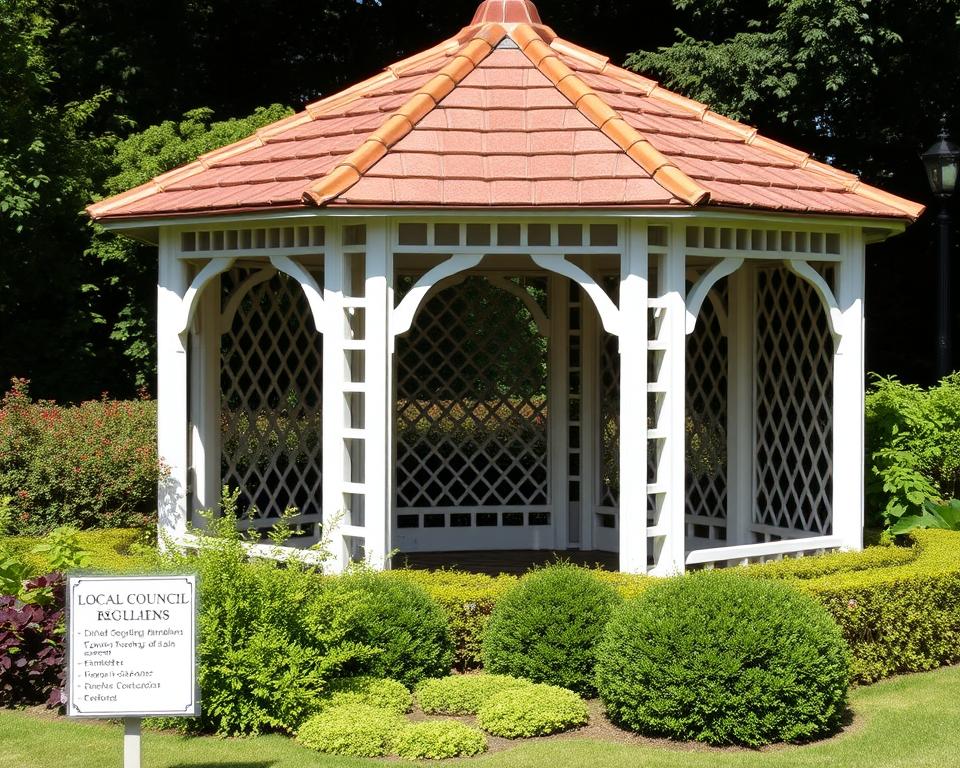
Building within limits can save time and stress. Safety measures and a basic understanding of your property’s rules keep you on the right track.
Checklist for Compliance
Review planning details to ensure your structure meets local criteria. A few key points include:
- Confirming maximum height allowances
- Checking distance from boundaries
- Selecting approved materials
When to Seek Professional Advice
Guidance from a planning consultant or architect proves invaluable if your home lies in a conservation area. Experts can interpret your council’s requirements and offer tips to ensure you meet gazebo building regulations UK without surprises.
Potential Penalties for Violations
Non-compliance may trigger fines or orders to remove the structure. Written warnings often arise first, but costs can mount fast when authorities intervene. Being proactive helps you avoid expensive delays and keeps your project on track.
Additional Factors to Bear in Mind
Unexpected details may arise when finalising plans for a new structure. Bird nesting sites, heritage landscapes, or special covenants linked to a property can influence your next move. Some areas have protected trees and wildlife habitats that prompt detailed checks before moving forward. Land boundaries might even shift certain site layouts.
It is wise to confirm if environmental surveys are required. Owners near conservation zones or listed buildings could face extra rules, even if planning permission for a gazebo seems straightforward. Checking for unique property restrictions protects you from future disputes.
Local authorities provide guidance on how to manage potential obstacles. This includes dealing with rights of way or legal agreements that regulate changes on private land. Collecting this data early prevents confusion when it is time to build.
Tips for a Successful Application
Filing a clear and precise request boosts your chances of approval. Thorough plans reflect commitment to quality, so it’s wise to detail measurements for any garden structures you propose. Decision-makers appreciate clarity when assessing your design.
Documentation and Plans
A solid portfolio of drawings and site data shows that you’ve thought through your project. Layers of detail can ease concerns and highlight how each element fits into the space. A well-presented folder may include:
- Scaled site plans
- Elevations or three-dimensional sketches
Engaging with Your Local Council
Early dialogue with planning officers can help clarify any rules or potential obstacles. A polite approach allows time for feedback and possible adjustments. This constructive exchange reveals mutual respect for local guidelines, ensuring a smoother path toward official consent.
Common Misconceptions about Gazebo Permits
There are widespread assumptions about what is allowed when putting up a gazebo. Many overlook specific guidelines set by local authorities. Clarifying these misconceptions helps property owners stay safe from unnecessary costs.
The Myth of Automatic Approval
Some believe a simple structure receives blanket permission. Local rules can vary, so a proposal may need a closer review. Building departments often demand documentation that reflects accurate details. Sticking to approved methods prevents disputes and preserves outdoor building compliance.
Believing Size Does Not Matter
Others assume that small-scale gazebos avoid red tape. The height and base dimensions still influence permission requirements. Careful checks with planning offices keep projects on the right side of outdoor building compliance. Even modest footprints might clash with zoning rules if overlooked.
| Misconception | Reality |
|---|---|
| Project is Always Exempt | Rules differ across boroughs and may need formal approval |
| Size Is Irrelevant | Height, base area, and design features affect permit decisions |
Conclusion
Many homeowners wonder, “can i build a gazebo without a permit in the uk?” The short answer is yes, if you stay within the height and size limits, respect local authority rules, and plan carefully. It helps to confirm details with your council before buying materials at places like B&Q or Wickes.
Height restrictions protect neighbours’ views, while clear property boundaries avoid disputes. A solid construction plan prevents hidden costs and ensures that your new feature sits within permitted development rights. An informal chat with local officials can remove any guesswork and make you feel more confident about starting your project.
Forward planning lowers the risk of penalties and keeps your gazebo safe for all. When in doubt, seek guidance from a professional builder or surveyor. Enjoy your new garden hub, knowing that thoughtful preparation and simple checks can keep both you and your neighbours happy.
FAQ
Can I build a gazebo without a permit in the UK?
In many cases, you can build a gazebo under Permitted Development rules, provided you follow specific gazebo building regulations UK. These typically include height limits, distance from property boundaries, and respect for local planning rules. If your design falls outside these guidelines, planning permission may be necessary.
What are the main factors that influence planning permission for a gazebo?
Key points include the gazebo’s dimensions, potential impact on your neighbours, and whether your property is in a conservation area. Staying within the rules for outdoor building compliance—such as maximum height and distance from boundaries—ensures you’re on the right track. Always check with your local authority if you’re unsure.
How do I know if my gazebo project qualifies as Permitted Development?
Projects typically qualify as Permitted Development if they fall under certain size, height, and placement restrictions. It’s worth consulting your local council’s gazebo building regulations UK to ensure your project adheres to these criteria without necessitating a formal application.
Do local planning rules vary from one council to another?
Yes, local authorities can interpret national guidelines differently. While the fundamental planning permission for a gazebo requirements remain consistent, councils may have additional stipulations about design, materials, or garden usage. Always confirm details with your specific council.
How close to my property boundaries can I place my new gazebo?
Most local planning rules require you to keep your structure a safe distance from property lines, often around two metres or more. This protects neighbouring homes from overshadowing or privacy issues. Check your local guidelines to establish the exact distance required.
Will my choice of building materials affect whether I need planning permission?
It can. Certain materials or designs may push the gazebo beyond standard outdoor building compliance thresholds—especially if the final build is taller or more extensive than typical guidelines allow. Always confirm that your chosen materials fit within permissible limits.
What happens if I ignore these gazebo building regulations?
Failing to follow gazebo building regulations UK can result in enforcement actions from the local council. These may include fines, a requirement to alter your structure, or, in severe cases, orders to remove it entirely. Staying informed helps you avoid unexpected costs and penalties.