what is the maximum size greenhouse without planning permission?
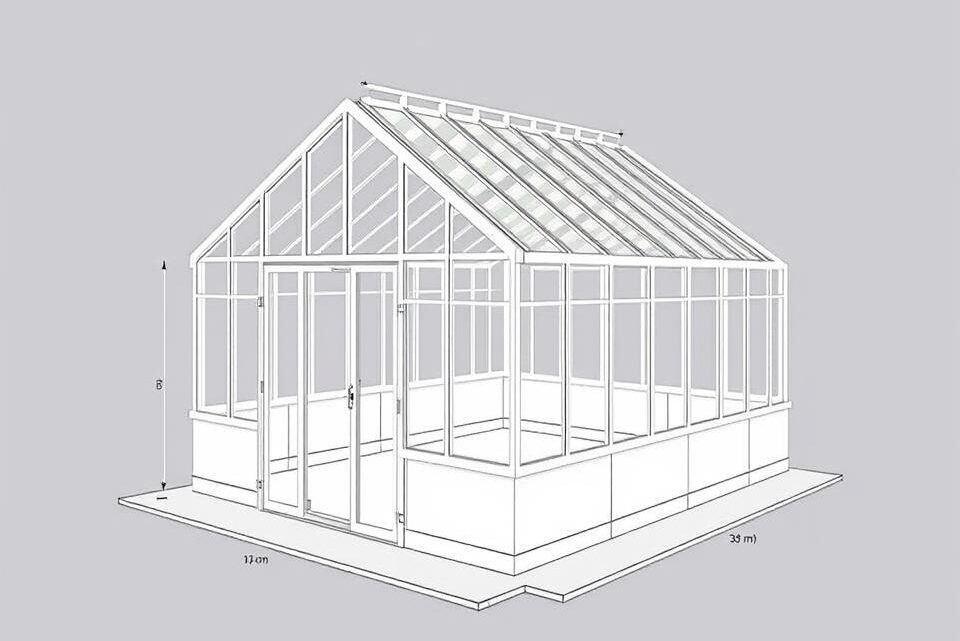
Many people in the United Kingdom wonder if they can expand their growing space with a roomy greenhouse. Planning permission often worries gardeners who want an outbuilding without council approval. Rules about boundary distances, height limits, and total area can affect designs.
Those who follow greenhouse building guidelines (K1) avoid unwanted delays and maintain compliance with local regulations. Meeting these standards safeguards your project and allows you to enjoy an extended growing season without added stress.
Inhaltsverzeichnis
Key Takeaways
- Greenhouses usually class as outbuildings in UK rules.
- Height and boundary distances can alter your project plans.
- Size limits may depend on local regulations.
- Meeting greenhouse building guidelines (K1) can prevent permit problems.
- An extended growing season is easier when you follow legal steps.
Understanding UK Regulations for Greenhouses
Greenhouses can qualify as permitted development if they meet size and placement guidelines. Local authorities often allow modest structures that blend seamlessly with existing land. The greenhouse’s height, distance from neighbouring boundaries, and location in a conservation area may influence permission.
Planning departments in England and Scotland each have their own interpretations. Some councils impose strict limits on roof height. Others focus on how close you can place garden structures near roads or property lines. It is wise to check updated council guidelines and acquaint yourself with UK planning rules for greenhouses before finalising any design. Many official portals list the details, so you can approach construction with confidence.
Checking Property Boundaries for Compliance
Many owners prefer a backyard greenhouse that stays clear of disputes and meets domestic greenhouse regulations. It helps to look at official records and discuss plans with neighbours to confirm everyone’s comfort.
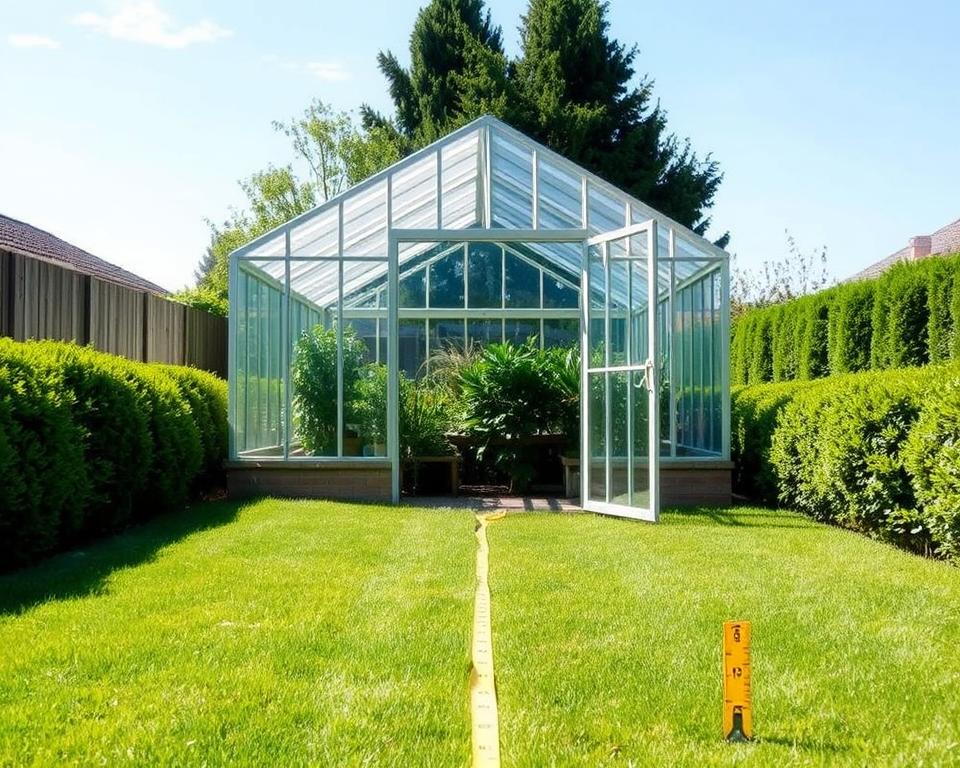
Careful reviews of site layouts can protect you from penalties and miscalculations. It is wise to plan strategically so that the structure sits safely within your boundaries, without overshadowing adjacent plots.
Determining Your Property Lines
Identify plot limits through house deeds and land registry documents. These resources outline the precise edges of your land. Consider consulting surveyors if boundaries are unclear. A quick check can prevent future disagreements and keep your construction efforts on track.
Limitations in Designated Areas
Extra rules may apply in conservation zones or near listed buildings. Local councils often require special permission for new builds. A checklist of boundary distances and height constraints can be found in local authority guidelines. This proactive approach ensures peace of mind and continued respect for your property’s heritage.
Setting Greenhouse Dimensions for Off-Plan Projects
Deciding the right proportions before starting your build can prevent headaches. Gardeners who envision a spacious environment must be mindful when plotting length, width, and height. A project that stretches beyond certain limits may be labelled a large greenhouse installation, which could bring extra paperwork.
It helps to measure your space more than once, then check potential expansion areas. Talk to a trusted professional regarding any structural quirks or unique site constraints. A few extra feet in height often improves ventilation and plant comfort. Careful calculations might be the difference between a smooth process and unexpected permission requirements. Local authorities remain a valuable resource for tailoring your layout.
Here is a brief snapshot of common dimension guidelines:
| Dimension | Suggested Range | Key Tip |
|---|---|---|
| Width | 8–10 ft | Allows easier movement and storage |
| Length | 10–15 ft | Provides flexibility for multiple grow beds |
| Height | 6–8 ft | Maintains steady air circulation |
Prioritising Materials and Structural Support
Greenhouse stability relies on choosing top-grade components that can handle unpredictable climates. This helps maintain a steady growing environment and may keep your construction within outbuilding planning permission guidelines. A sturdy framework often saves money on repairs and improves safety.
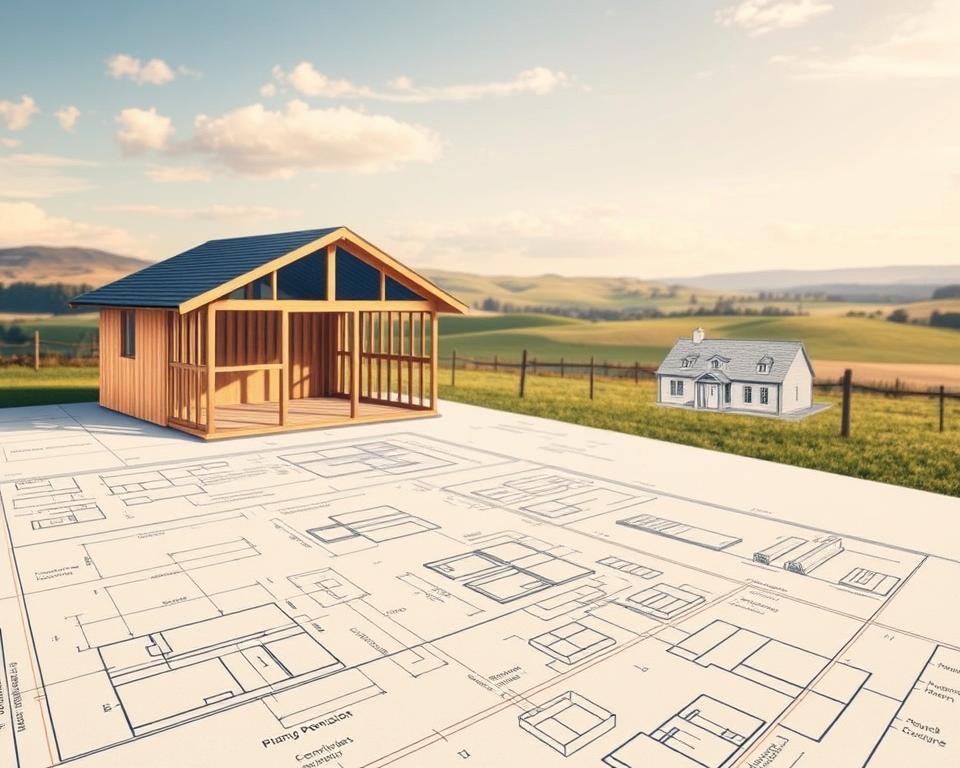
Quality materials form the backbone of any greenhouse. Weight distribution, corrosion resistance, and ease of installation influence how your structure endures through colder seasons or strong winds.
Choosing the Right Frame Materials
Frames hold everything together. Aluminium suits those seeking lightweight support, wood delivers natural aesthetics, and galvanised steel stands up to extra stress. Buyers should consider maintenance and rotting risks when deciding which type is best for their climate.
| Material | Durability | Maintenance |
|---|---|---|
| Aluminium | High | Low |
| Timber | Moderate | Higher |
| Galvanised Steel | Excellent | Low |
Selecting Suitable Coverings
Traditional glass maximises sunlight, while polycarbonate offers lighter handling and thermal benefits. Thicker plastic panels stand firm against hail or storms. Shrewd choices can prevent unwelcome complications related to outbuilding planning permission. Preserving warmth and clarity empowers your greenhouse to flourish all year round.
The Role of Building Regulations in Greenhouse Construction
Building regulations set the foundation for any safe structure. These rules guide developers on how to address stability and electrical installations. By following greenhouse building guidelines, homeowners can avoid problems and create a sturdy environment for plants.
Difference Between Building Regulations and Planning Permission
Planning permission revolves around the size, look, and impact of a greenhouse on its surroundings. Building regulations weigh the technical aspects. Factors like insulation and fire safety matter here. They ensure the project stands securely and meets national standards in Britain.
Ensuring Safety and Compliance
Many people skip formal permissions yet still follow greenhouse building guidelines to safeguard foundations and limit hazards. Solid glazing, proper ventilation, and approved electrical fittings all add to the greenhouse’s endurance. Sticking to these rules goes beyond ticking boxes. It fosters a safer space for everyone.
| Safety Check | Reason |
|---|---|
| Ventilation | Prevents overheating and improves air quality |
| Glazing | Reduces risks from shattered glass |
| Foundation Stability | Maintains structural balance |
Overcoming Common Pitfalls in Greenhouse Sizing
Many individuals rush into greenhouse projects without double-checking vital details. Accurate measurements are essential, yet some overlook how eaves or guttering can affect the total height. Sloped ground adds another dimension that can push structures beyond suggested limits.
Projects that exceed guidelines often lead to complications under UK planning rules for greenhouses. Small deviations create extra stress when boundaries are crossed or local aesthetic requirements are ignored. A careful review of ground conditions and building position helps avoid needless setbacks.
- Measure every dimension twice for accuracy
- Allow room for extra fittings
- Avoid placing structures near sensitive boundary lines
Some residences carry covenants restricting greenhouse placement. Early research and thorough planning save time, money, and unexpected delays. A smart approach keeps you compliant with UK planning rules for greenhouses and leads to a more satisfying outcome.
| Common Oversight | Practical Solution |
|---|---|
| Incorrect Height Measurements | Account for eaves, guttering, and pitched roofs |
| Sloped Land | Level the ground or adjust design plans |
| Boundary Issues | Check deeds and local covenants before building |
Maximising Light and Heat Retention
Greenhouses that capture maximum daylight often enhance plant growth in every season. Sunny spots help seedlings flourish, while careful planning ensures a warm environment at night. The right angle towards morning sun benefits both delicate flowers and kitchen favourites. domestic greenhouse regulations suggest considering size and location to suit local conditions.
Optimising Greenhouse Positioning
When deciding a spot for your greenhouse, look for an eastern exposure that greets early sunlight. Sheltering walls or hedges can protect tender shoots from fierce winds. Make sure to keep plant comfort a priority, since extreme conditions may stress growth and lead to smaller yields.
Managing Insulation and Ventilation
Thick covers and bubble wrap reduce heat loss without blocking crucial rays. Overnight heating systems can nurture seedlings in colder months. Ventilation remains vital so that humidity levels do not climb too high. A balanced approach aligns with domestic greenhouse regulations, giving plants an environment where they can truly thrive.
what is the maximum size greenhouse without planning permission?
Many UK homeowners can add a greenhouse under certain legal guidelines. Height limits often hover between 2.5 and 3 metres for flat roofs and rise to 4 metres for pitched roofs when these structures sit a set distance from property edges. Large greenhouse installation may require planning approval if any of these limits are exceeded.
Local variations might alter the permitted measurements, so it is wise to check the precise terms where you live. Special designations, such as in conservation zones, may adjust size allowances or include stricter oversight. Cutting corners or overlooking small print could result in complications later, especially for those aiming for a large greenhouse installation that pushes standard rooftop heights.
In most cases, direct contact with your local authority clarifies the maximum dimensions for your planned build. It helps to request written confirmation or refer to online resources from trusted government sites. That way, you can proceed with confidence and keep your greenhouse project running smoothly.
Seeking Professional Advice If in Doubt
Uncertainty may arise when planning or tweaking greenhouse details. Seeking help from trained specialists can save time, stress, and potential expense. Many professionals have insight into legal matters, including outbuilding planning permission, which can affect project feasibility.
Industry experts often possess the knowledge needed to guide your vision from concept to reality. Keen oversight reduces missteps and promotes safe construction practices.
Finding Reputable Builders or Architects
Qualified builders or architects should meet recognised standards. Membership in groups like the Federation of Master Builders or the Royal Institute of British Architects displays credibility. It is wise to review their work through references or portfolios. A reliable team understands typical outbuilding planning permission thresholds and ensures everything complies with national rules.
- Check trade associations for credible listings
- Request testimonials from past clients
- Confirm insurance and professional indemnity
Consulting Local Authority Guidelines
Each council may have different requirements. Local design codes help define permissible greenhouse sizes and safety measures. Meeting a planning officer can clarify questions and prevent setbacks once construction begins.
| Action | Reason |
|---|---|
| Review Council Website | Identifies local design rules |
| Schedule Advisory Meeting | Clears up regulations |
| Ask About Thresholds | Ensures legal compliance |
Estimating Costs and Budget Considerations
Financing a greenhouse can feel challenging for both new and experienced gardeners. Prices shift depending on the material chosen, added features, and the structure’s overall scale. Many find that a supportive framework and quality components pay off in the long run.
Being aware of greenhouse building guidelines at the start helps curb hidden charges and design setbacks. It is wise to compare options from reputable suppliers before finalising any purchase or construction plan.
Upfront Costs Versus Long-Term Investment
A strong frame and reliable coverings protect plants for years. Less durable items may save money at first, yet they could need frequent replacement. It is vital to weigh the initial outlay against future repairs or updates, ensuring your funding decision stays sensible.
Cost-Saving Tips and Funding Resources
Consider reducing expenses by:
- Reusing second-hand frames from trusted sources
- Enquiring with local horticultural groups about grants
- Joining community schemes for shared gardening equipment
Each step keeps you on track while following greenhouse building guidelines and aligning with your long-term gardening goals.
Obtaining Permission in Special Cases
Greenhouse projects can face special requirements when properties are part of a listed building or stand within a conservation area. Local authorities might impose distinctive guidelines to protect historical character or maintain traditional aesthetics. Under UK planning rules for greenhouses, experts sometimes advise early consultation to avoid unexpected hurdles.
Certain sites feature strict covenants, which may demand additional documentation before any groundwork begins. Environmental protections can further shape the materials or designs allowed. Checking these stipulations helps keep projects compliant and safeguards heritage values. Engaging with planning officers can streamline the process and build confidence about next steps.
Some councils request formal applications once local criteria are triggered, even if greenhouses fit typical size standards. Extra care during the planning phase reduces delays and cultivates stronger relationships with officials. Communicating intentions openly encourages constructive feedback and minimises resubmission risks. Early preparation ensures a rewarding experience with a greenhouse that aligns with local expectations.
Conclusion
Greenhouses open a path to year-round gardening, offering fresh produce and vibrant blooms. By respecting domestic greenhouse regulations, you safeguard your project from legal complications. Exact size allowances without planning permission vary based on local council rules, property boundaries, and environmental factors. A good approach includes verifying plot lines, consulting experts, and adhering to building guidelines.
Energy efficiency is another priority. Frame materials and ventilation affect plant growth and comfort levels in your greenhouse. Protecting the environment is equally key, so consider sustainable design choices and careful waste management. By blending these points, you create a space that enriches your garden while staying aligned with domestic greenhouse regulations.
FAQ
Do I always need outbuilding planning permission for a greenhouse?
If your greenhouse meets domestic greenhouse regulations and qualifies as a permitted development, you usually won’t require formal planning approval. However, certain factors like exceeding height limits or building too close to a boundary can affect whether permission is needed. Always check with your local planning authority before starting construction.
What is the recommended maximum size greenhouse without planning permission?
Most UK greenhouse building guidelines suggest that your structure should be under about 2.5 to 3 metres in height for a flat roof, and no taller than 4 metres for a pitched roof, especially if it’s more than 2 metres from a property boundary. Sizes above these limits often need official consent to stay compliant with local rules.
How do I handle a greenhouse project if my property is in an Area of Outstanding Natural Beauty?
Properties located in a conservation area or an Area of Outstanding Natural Beauty can face stricter regulations. Even if you stay within the usual size limits, your local authority may impose extra conditions to preserve the environment’s character. Checking council guidelines early helps you avoid any planning-related obstacles.
Are building regulations and planning permission the same thing?
They are different. Planning permission focuses on how your greenhouse fits into local development policies, while building regulations assess structural support, safety, and energy efficiency. Ensuring your greenhouse meets both sets of rules keeps it legal and safe for everyday use.
Which frame materials are best for robust greenhouse construction?
Aluminium frames are lightweight and resistant to rust, while wood frames can blend attractively with garden aesthetics. Galvanised steel is a sturdy option in windy areas. Whichever you choose, follow UK greenhouse building guidelines to ensure proper foundation design and long-term durability.
Can I build multiple greenhouses on my property without special permission?
Multiple greenhouses are often allowed as long as each structure adheres to domestic greenhouse regulations. However, exceeding certain combined size limits could trigger outbuilding planning permission requirements. If in doubt, request friendly advice from your council’s planning department.
How can I maximise light and heat retention while staying within regulations?
Position your greenhouse to capture optimum sunlight, especially during cooler British winters, and use materials like polycarbonate panels to retain warmth. Good insulation and proper ventilation are key to preventing mould while keeping temperatures comfortable. These energy-saving measures don’t usually affect whether you need permission but do enhance growing conditions.
I live in a property with strict covenants—will that affect my greenhouse plans?
Yes. A site with strict covenants sometimes overrides general outbuilding planning rules. You may have to seek additional approvals or alter your greenhouse design to comply with these unique conditions. It’s best to clarify any covenant restrictions through your conveyancing documents or local authority records.
Should I consult professionals for greenhouse design and compliance?
Absolutely. A qualified builder or architect, ideally a member of the Federation of Master Builders or recommended by the Royal Horticultural Society, can help ensure your new structure aligns with very specific local guidelines. Seeking specialist advice streamlines the process and reduces the risk of costly mistakes.