
Planting 5x2 for Sale in UK
Showing the single result
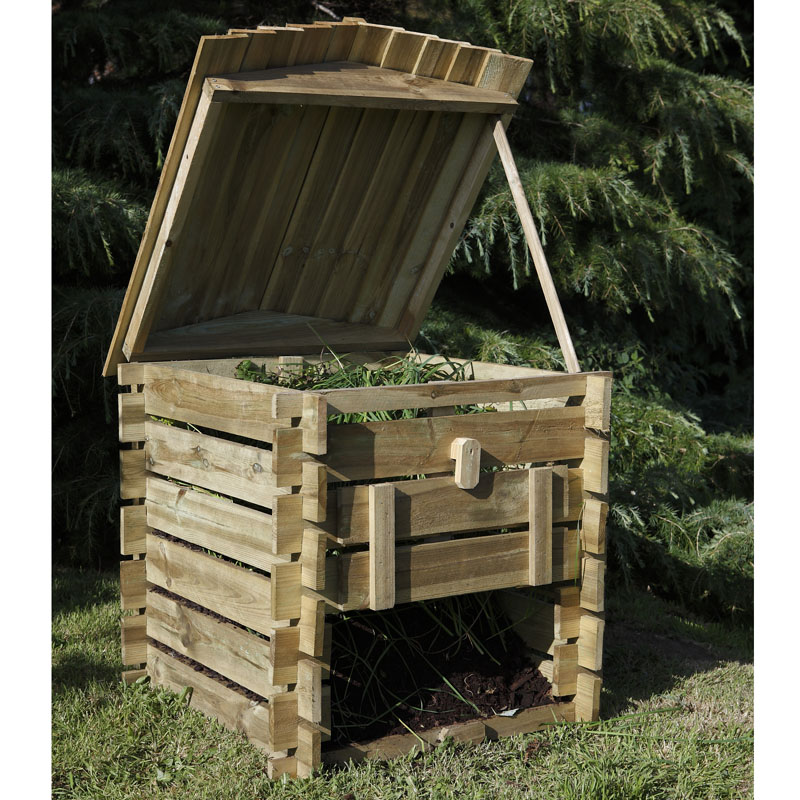 Forest Beehive Wooden Compost Bin 2’5×2’6 (0.74×0.74m)
Unleash the potential of your garden with our expertly curated selection of planting solutions, designed to transform your outdoor space into a thriving oasis.
The Art of Planting: A Symphony of Nature
Planting is more than just placing a plant in the ground; it’s an art form. Whether you’re cultivating a vegetable garden or a flower bed, each choice creates a unique symphony in your landscape. Explore perennials for lasting beauty, or opt for annuals that provide vibrant bursts of colour. Consider the soil type and sun exposure to ensure a flourishing garden. Each plant type brings its own characteristics and advantages, from the drought-resistant succulents to the lush, shade-loving ferns.
Exploring Plant Types: Diversity in Your Garden
The diversity of plant types is staggering, offering endless possibilities for your garden. Herbaceous plants provide soft textures and seasonal interest, while woody plants like shrubs and trees add structure and height. Dive into specific categories such as evergreens, which retain their foliage year-round, or deciduous plants, which offer dynamic seasonal changes. Each type serves a purpose, whether it’s providing privacy, shade, or simply enhancing the aesthetic appeal of your garden.
Choosing the Right Plants: Tailored to Your Needs
Selecting the right plants for your garden involves understanding your specific needs and conditions. For those with limited space, consider container gardening with compact, dwarf varieties that thrive in pots. If you’re aiming for a pollinator-friendly garden, focus on native plants that attract bees and butterflies. For low-maintenance gardens, xerophytes and native grasses are ideal, requiring minimal water and care. Each choice should reflect your lifestyle and environmental conditions.
Benefits of Native Plants: Harmony with Nature
Native plants are adapted to the local climate and soil, offering a sustainable choice for your garden. They support local wildlife, providing food and habitat for birds and insects. Native plants require less water and fertiliser, making them a cost-effective and eco-friendly option. Their inherent resilience to local pests and diseases reduces the need for pesticides, promoting a healthier garden ecosystem.
Perennials vs. Annuals: Long-lasting Beauty or Seasonal Splendour?
The choice between perennials and annuals is a matter of preference and purpose. Perennials return year after year, providing a reliable backbone to your garden with their enduring presence. They are often more cost-effective in the long run, as they don’t require replanting each season. In contrast, annuals offer the opportunity for a fresh start each year, with vibrant displays that can be easily changed to suit your mood or design theme. The decision ultimately hinges on your desire for consistency versus change.
Soil and Sunlight: The Foundation of Growth
The success of your planting efforts is deeply rooted in understanding the soil and sunlight conditions of your garden. Different plants thrive in different soil pH levels and textures, from sandy to clay soils. Conducting a soil test can provide valuable insights into nutrient deficiencies and help you amend the soil accordingly. Similarly, understanding the sunlight patterns in your garden is crucial. Some plants require full sun, while others thrive in partial shade. Tailoring your plant choices to these conditions can significantly enhance their growth and vitality.
Planting Techniques: Maximising Growth and Health
Effective planting techniques can make a significant difference in the health and growth of your plants. Consider the depth and spacing of your planting; overcrowding can lead to competition for resources and increased susceptibility to diseases. Proper mulching can help retain moisture, suppress weeds, and regulate soil temperature. Additionally, employing techniques such as companion planting can enhance growth by leveraging the natural relationships between plants, such as using marigolds to deter pests from vegetable gardens.
Seasonal Planting: A Year-Round Garden
Planning your garden with seasonal planting in mind ensures a vibrant display throughout the year. Spring and summer are ideal for planting a wide variety of flowers and vegetables, while autumn is perfect for planting bulbs and perennials that will bloom the following spring. Winter doesn’t have to be a dormant period; consider planting evergreens and winter-flowering shrubs to maintain interest and structure. By staggering your planting times, you can enjoy a continuous cycle of growth and beauty.
Planting for Wildlife: Creating a Sanctuary
Creating a garden that supports local wildlife is a rewarding endeavour. Planting a variety of nectar-rich flowers can attract bees and butterflies, while berry-producing shrubs provide food for birds. Incorporating a water feature, such as a small pond or birdbath, can further enhance your garden’s appeal to wildlife. By choosing plants that support local ecosystems, you’re not only enriching your garden but also contributing to the preservation of local biodiversity.
Conclusion: Cultivating Your Planting Passion
Embarking on the journey of planting offers endless possibilities to express creativity and connect with nature. By understanding the diverse types of plants, their specific needs, and the benefits they bring, you can cultivate a garden that reflects your personal style and supports the local environment. Whether you’re a seasoned gardener or a novice, the joy of planting lies in the exploration and discovery of the natural world. So, embrace the art of planting and watch your garden flourish.