
Planting 5 sq ft / 1 m² for Sale in UK
Showing 1–8 of 11 resultsSorted by popularity
-
Forest Toulouse Wooden Garden Planter 3’3×1’4 (1.0×0.4m) £139.99

-
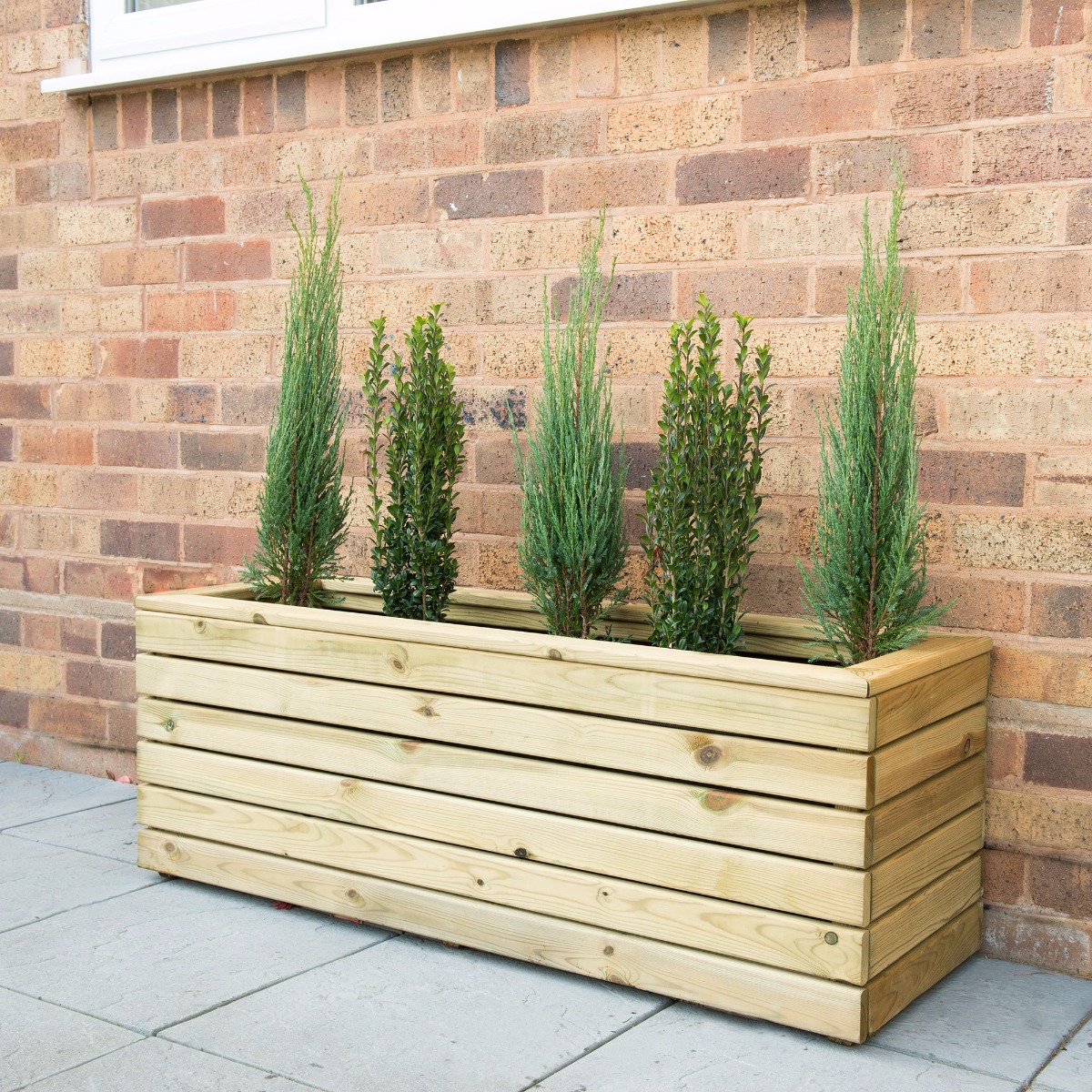
Forest Linear Long Wooden Garden Planter 4’x1′ (1.2×0.4m) £104.99
-
2’7 x 1’4 Forest Trellis Wooden Garden Planter (0.8m x 0.4m) £54.99

-
Forest Agen Wooden Garden Planter 3’x1′ (0.9×0.3m) £84.99

-
Forest Linear Double Wooden Garden Planter 3’x1′ (0.8×0.4m) £73.99

-
Forest York Hexagonal Wooden Garden Planter 3’x1’8 (0.9×0.5m) – Set of 3 £106.99

-
2’7 x 1’4 Forest Linear Double Wooden Garden Planter with Wheels (0.8m x 0.4m) £113.99

-
Forest Linear Long Wooden Garden Planter 4’x1′ (1.2×0.4m) £112.99
Transform your outdoor space with our comprehensive guide to planting in small areas. Discover techniques and tips for optimising 5 sq ft / 1 m² of garden bliss.


The Art of Small Space Gardening
Gardening in small spaces is an art form that requires creativity and strategic planning. With just 5 sq ft or 1 m², you can create a vibrant and lush garden by choosing the right plants and employing clever design techniques. This guide will help you maximise your gardening potential in a limited area, allowing you to enjoy the beauty and benefits of nature right in your backyard.
Diverse Plant Choices for Limited Space
When working with a compact area, selecting the right plants is crucial. Consider vertical gardening options such as climbing plants, which make use of height rather than width. Popular choices include sweet peas, clematis, and ivy. For ground coverage, opt for dwarf varieties like lavender, thyme, and compact roses. These plants not only add visual interest but also provide a sensory experience with their colours and fragrances.
Benefits of Small Space Gardening
Gardening in a small area offers unique advantages. It allows for more intimate plant care, as you can easily monitor and tend to each plant. Additionally, it encourages the use of sustainable gardening practices, such as companion planting, which can enhance growth and deter pests. Small gardens demand less water and resources, making them environmentally friendly and cost-effective solutions for green-thumbed enthusiasts.
Creative Layouts for Maximum Impact
Designing a small garden requires a keen eye for detail. Use a mix of containers and raised beds to add layers and dimension. Group plants with similar needs together to create microclimates within your plot. Incorporate decorative elements like stones, small water features, or garden art to add personality and charm. Remember, the key is to create a harmonious blend of form and function.
Understanding Plant Types and Their Needs
Understanding the specific needs of different plant types is essential for success in small space gardening. Perennials, for instance, offer long-lasting blooms and require less frequent replanting. Annuals, on the other hand, provide vibrant colours and can be changed seasonally to refresh your garden’s look. Consider the sunlight, water, and soil requirements of each plant to ensure a thriving garden. Mixing plant types can also create a dynamic and resilient ecosystem within your small plot.
Maximising Growth with Vertical Structures
Vertical structures such as trellises, obelisks, and wall planters can significantly increase your planting area. These structures not only support climbing plants but also create visual interest and break the monotony of flat landscapes. By training plants to grow upwards, you can maximise the available space and create a lush, green environment that feels larger than its actual size.
Choosing the Right Soil and Amendments
The foundation of any successful garden is healthy soil. For small space gardening, it’s important to choose a high-quality soil mix that provides essential nutrients and supports plant growth. Consider using organic compost and natural fertilisers to enrich the soil. Additionally, soil amendments like vermiculite or perlite can improve aeration and drainage, ensuring your plants have the best possible environment to thrive.
Companion Planting for a Thriving Ecosystem
Companion planting is an effective strategy in small gardens to enhance growth and deter pests naturally. Pairing certain plants together can create symbiotic relationships that benefit both species. For example, planting marigolds with tomatoes can help repel nematodes, while basil and peppers can thrive together, enhancing each other’s growth. Understanding these relationships can lead to a healthier and more productive garden.
Watering Techniques for Small Gardens
Efficient watering is crucial in small space gardening. Drip irrigation systems or soaker hoses can provide consistent moisture without over-saturating the soil. Consider implementing a rainwater harvesting system to conserve water and reduce waste. Additionally, mulching can help retain soil moisture and reduce evaporation, ensuring your plants receive the hydration they need to flourish.
Seasonal Considerations and Plant Rotation
To keep your small garden thriving year-round, it’s important to consider seasonal changes and plant rotation. Rotate crops to prevent soil depletion and reduce the risk of disease. Use cover crops during off-seasons to maintain soil health and structure. By planning for seasonal changes, you can ensure a continuous and bountiful harvest throughout the year.
Incorporating Edibles into Your Garden
Even with limited space, you can grow a variety of edible plants. Herbs like basil, mint, and parsley are excellent choices for small gardens, providing fresh flavours and aromas. Compact vegetable varieties, such as cherry tomatoes, radishes, and lettuce, can be grown in containers or raised beds. Incorporating edibles not only enhances your garden’s biodiversity but also provides a source of fresh, home-grown produce.
Creating a Wildlife-Friendly Space
Small gardens can also serve as valuable habitats for local wildlife. Incorporate native plants to attract pollinators such as bees and butterflies. Add a small birdbath or feeder to provide resources for birds. By creating a wildlife-friendly garden, you contribute to the local ecosystem and enjoy the added benefit of observing nature’s visitors up close.
Overcoming Challenges in Small Space Gardening
Gardening in a limited area comes with its challenges, but with careful planning and creativity, these can be overcome. Address issues like limited sunlight by choosing shade-tolerant plants or using reflective surfaces to increase light levels. Combat space constraints by using multi-purpose furniture or foldable garden accessories that can be easily stored. Embrace the challenge and let your small garden be a testament to innovation and resourcefulness.
By following these tips and techniques, you can transform a modest 5 sq ft / 1 m² area into a flourishing garden paradise. With the right plants, creative design, and sustainable practices, your small space will become a haven of beauty and productivity.