
Planting 20 sq ft / 2 m² for Sale in UK
Showing all 5 resultsSorted by popularity
-
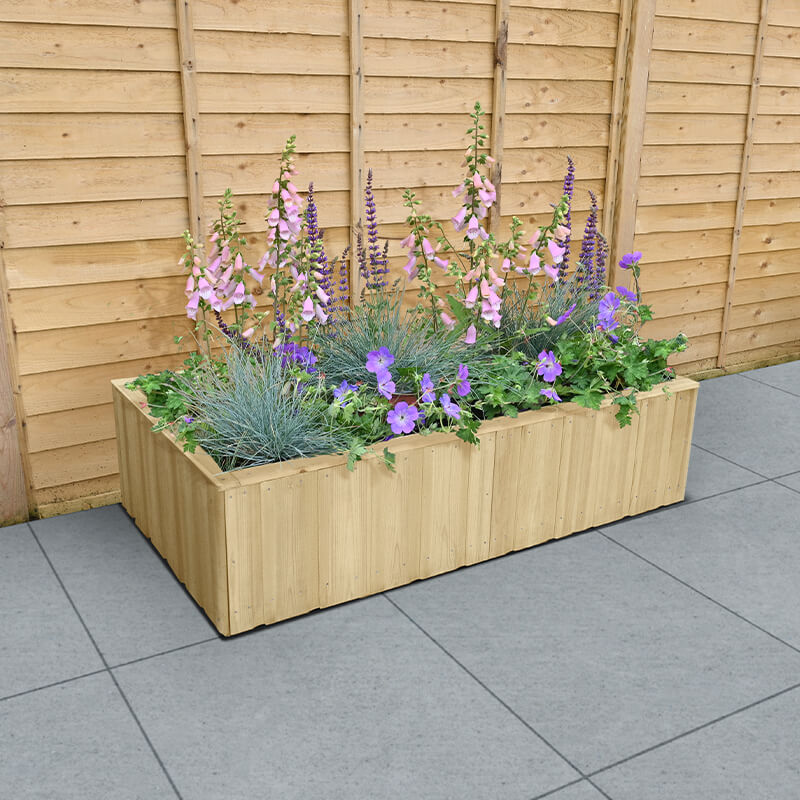 3’11 x 2’2 Forest Lapline Shiplap Wooden Planter (1.2m x 0.67m)
£69.99
3’11 x 2’2 Forest Lapline Shiplap Wooden Planter (1.2m x 0.67m)
£69.99
-
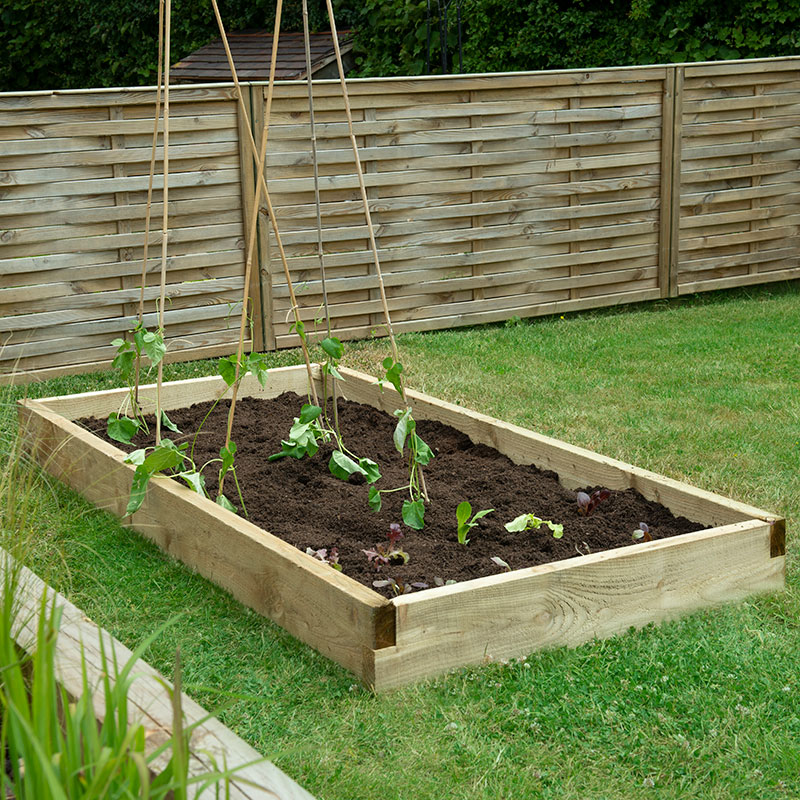 Forest Caledonian Large Raised Bed 3′ x 6′ (0.9m x 1.8m)
£69.99
Forest Caledonian Large Raised Bed 3′ x 6′ (0.9m x 1.8m)
£69.99
-
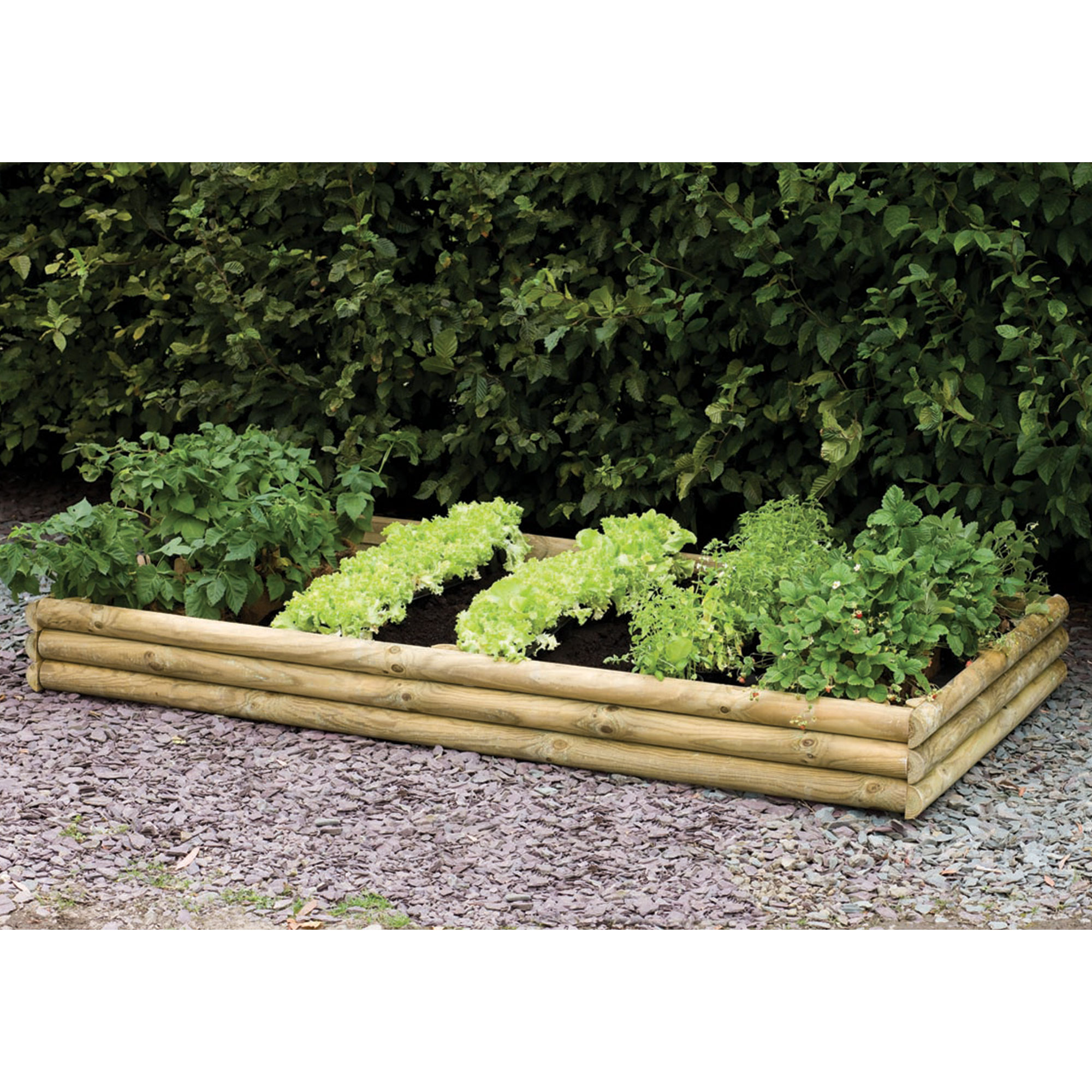 Forest Raised Bed Kit 6’6 x 3’3 (2.0 x 1.0 m)
£84.99
Forest Raised Bed Kit 6’6 x 3’3 (2.0 x 1.0 m)
£84.99
-
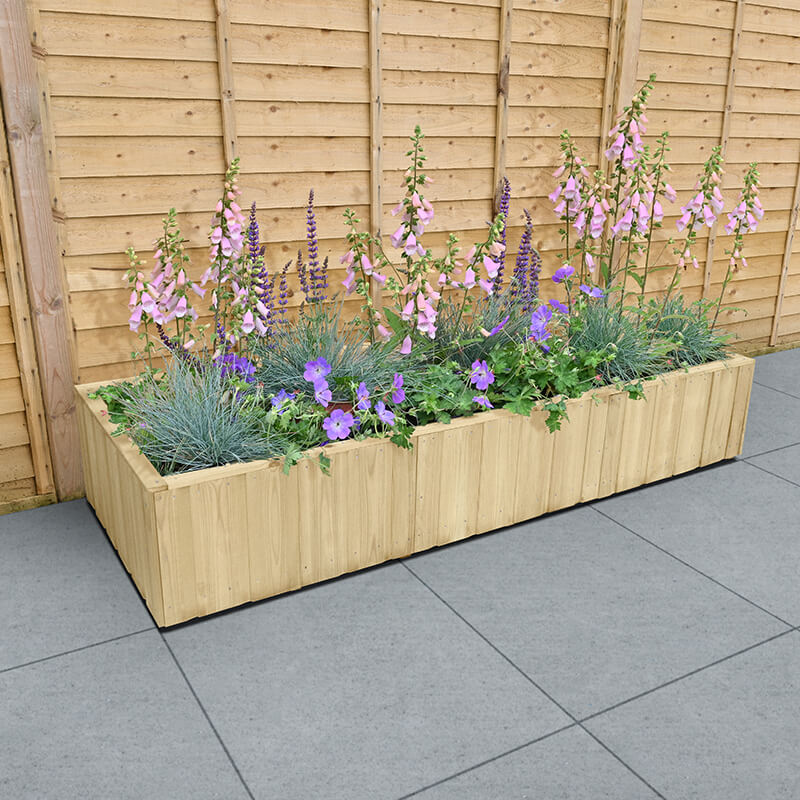 5’11 x 2’2 Forest Lapline Shiplap Wooden Planter (1.79m x 0.67m)
£119.99
5’11 x 2’2 Forest Lapline Shiplap Wooden Planter (1.79m x 0.67m)
£119.99
-
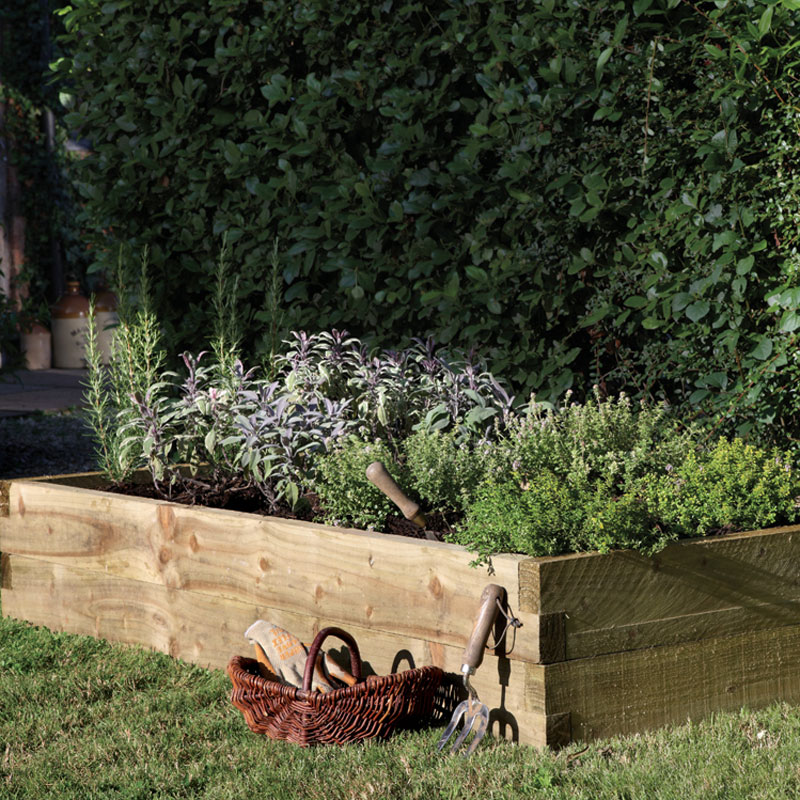 Forest Caledonian Rectangular Raised Bed 6’x3′ (1.8×0.9m)
£139.99
Forest Caledonian Rectangular Raised Bed 6’x3′ (1.8×0.9m)
£139.99
Transform your garden with a 20 sq ft / 2 m² planting area. Discover diverse plant options, creative designs, and efficient techniques to maximise your green space.


Embrace Diversity: A World of Plant Choices
Within a compact 20 sq ft / 2 m² area, you can cultivate a diverse array of plants. Consider annuals for a splash of seasonal colour, or perennials for reliable year-round greenery. For those who favour edible landscapes, vegetables and herbs offer both beauty and bounty. Whether your preference lies in ornamental grasses, succulents, or flowering shrubs, each choice brings unique textures and hues to your garden.
From Vertical Gardens to Raised Beds: Creative Layouts
Maximising a small planting area requires creative thinking. Consider a vertical garden to utilise vertical space effectively, perfect for climbing plants like ivy or sweet peas. Alternatively, raised beds provide excellent drainage and soil control, ideal for vegetables and herbs. For a decorative touch, incorporate container gardening, allowing you to move plants as needed to capture the best sunlight throughout the seasons.
Advantages of a Compact Planting Area
A 20 sq ft / 2 m² garden is not only manageable but also eco-friendly. Such a size allows for easier water management and reduced fertiliser usage, promoting sustainable gardening practices. Additionally, smaller spaces encourage microclimates that can be beneficial for certain plant species, creating a unique environment that supports diverse plant life.
Understanding Plant Varieties: Benefits and Differences
Choosing the right plants is crucial for a thriving garden. Annuals, such as marigolds and petunias, provide vibrant colours each year but require replanting. In contrast, perennials like lavender and hostas return annually, offering a stable foundation. Consider native plants for low maintenance and resilience, as they are adapted to local climates and soil conditions. For a touch of the exotic, experiment with tropical plants that bring a splash of the extraordinary to your plot.
Tips for Thriving in a Limited Space
Optimise your small garden with companion planting, where certain plant pairings enhance growth and deter pests. For instance, pairing tomatoes with basil not only saves space but also improves flavour and repels insects. Additionally, stagger planting times to ensure continuous blooms or harvests. Use high-quality soil and amend it with organic matter to boost fertility and structure, ensuring your plants have the best start possible.
Explore the Beauty of Edible Landscaping
Edible landscaping combines aesthetics with utility, allowing you to grow food beautifully. Incorporate fruit-bearing shrubs like blueberries or compact fruit trees such as dwarf apple trees, which provide both visual interest and delicious produce. Herb spirals offer a functional and decorative way to grow culinary herbs in a small space, enhancing your garden’s appeal and your kitchen’s flavour profile.
Enhancing Your Garden with Decorative Elements
Enhance the aesthetic appeal of your garden with decorative elements. Introduce ornamental stones or mulch to define pathways and add contrast to your plantings. Incorporating a small water feature, such as a mini fountain, can provide soothing sounds and attract beneficial wildlife. For night-time allure, install solar lights to highlight your garden’s features and extend its enjoyment into the evening.
Eco-Friendly Practices for a Greener Garden
Adopt eco-friendly practices to make your garden a sustainable haven. Implement a rainwater harvesting system to reduce water usage, and utilise composting to recycle organic waste into nutrient-rich soil amendments. Embrace natural pest control methods, such as introducing beneficial insects or using plant-based sprays, to maintain a healthy ecosystem without harsh chemicals.
Conclusion: A Small Space with Big Potential
A 20 sq ft / 2 m² garden offers a wealth of possibilities for creativity and sustainability. By selecting diverse plant varieties, employing innovative layouts, and adopting eco-friendly gardening practices, you can transform this modest space into a vibrant, productive oasis that reflects your personal style and environmental values.