
Planting 1x1 for Sale in UK
Showing all 2 resultsSorted by popularity
-
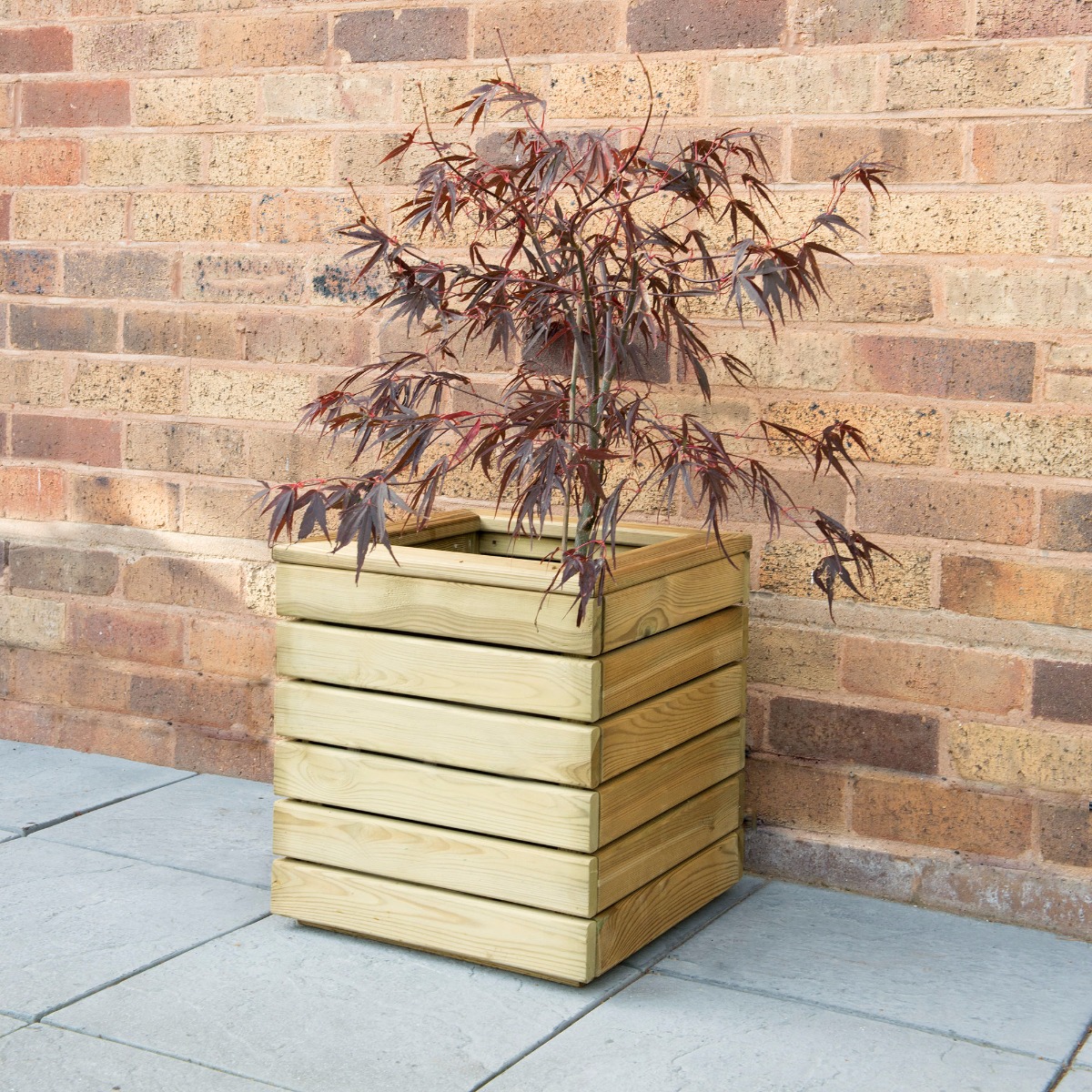 Forest Linear Square Wooden Garden Planter 1’x1′ (0.4×0.4m)
£64.99
Forest Linear Square Wooden Garden Planter 1’x1′ (0.4×0.4m)
£64.99
-
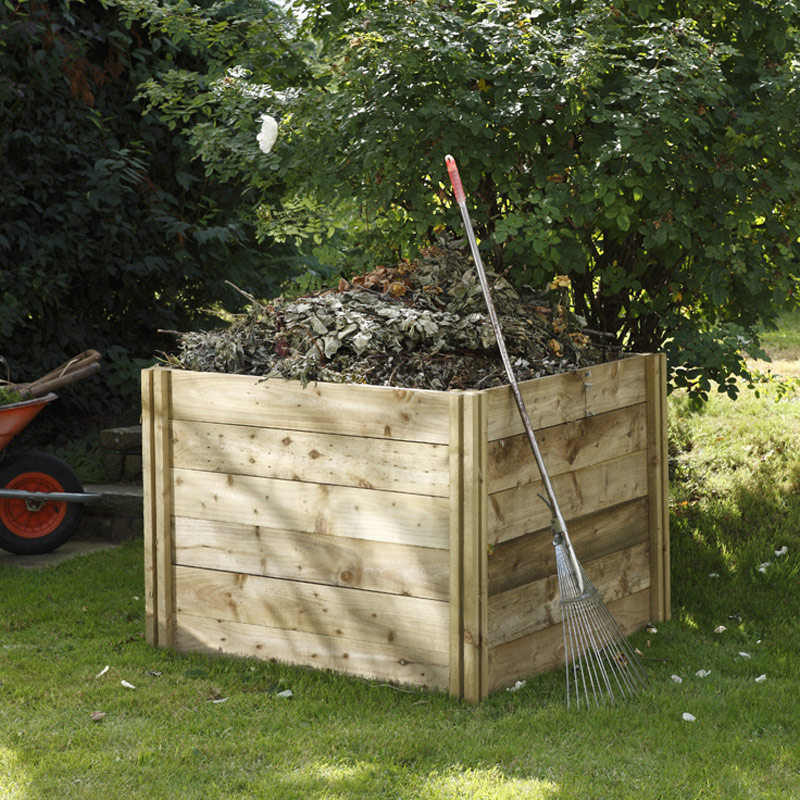 Forest Slot Down Wooden Compost Bin (1.06×1.06m)
£115.99
Forest Slot Down Wooden Compost Bin (1.06×1.06m)
£115.99
Planting 1×1 is the ultimate guide to mastering the foundational elements of gardening. Whether you’re a novice or a seasoned green thumb, understanding the basics of planting is crucial to cultivating a thriving garden.
The Art of Plant Selection
Choosing the right plants is akin to picking the perfect palette for a masterpiece. Consider factors like climate, soil type, and sunlight when selecting your plants. From annuals that burst into colour for a single season to perennials that return year after year, each plant type offers unique advantages. Annuals provide vibrant, temporary displays, while perennials offer long-term structure and beauty.
Understanding Soil Types and Their Secrets
Soil is more than just dirt; it’s the lifeblood of your garden. There are various types, including clay, sandy, and loamy soils, each with its own characteristics. Clay retains moisture well but can become waterlogged, sandy soil drains quickly but may lack nutrients, and loamy soil is the ideal blend, offering both fertility and good drainage. Understanding your soil type helps you choose amendments to optimise plant health.
The Importance of Planting Depth
Planting depth is a critical factor for plant success. Too shallow, and the roots may dry out; too deep, and they might suffocate. A general rule of thumb is to plant seeds at a depth twice their diameter. For young plants, ensure the root ball is level with the soil surface to allow for proper growth and stability.
Spacing: Giving Your Plants Room to Breathe
Proper spacing ensures that each plant has adequate access to nutrients, water, and sunlight. Overcrowding can lead to competition and increased susceptibility to pests and diseases. Use the plant’s mature size as a guide for spacing, allowing for air circulation and healthy growth.
Watering Wisdom
Understanding the water needs of your plants is essential. While some plants thrive in moist conditions, others prefer drier environments. Overwatering is a common mistake that can lead to root rot, while underwatering can stress plants. The key is to water deeply but infrequently, encouraging roots to grow deeper into the soil.
Harnessing the Power of Mulch
Mulch is a gardener’s secret weapon. It helps retain soil moisture, suppress weeds, and regulate soil temperature. Organic mulches, such as bark or straw, also add nutrients to the soil as they decompose. Apply a layer of mulch around your plants, but avoid piling it against plant stems to prevent rot.
Companion Planting: Nature’s Symbiosis
Companion planting is the art of pairing plants that enhance each other’s growth. For example, planting basil near tomatoes can improve flavour and deter pests. Similarly, marigolds can repel nematodes and attract beneficial insects. Understanding these relationships can lead to a more productive and harmonious garden.
Embracing Native Plants
Native plants are adapted to your local climate and soil conditions, making them easier to grow and maintain. They provide habitat and food for local wildlife, promoting biodiversity. Incorporating native species into your garden can reduce the need for water, fertilisers, and pesticides, creating a more sustainable environment.
Tools of the Trade
Having the right tools can make the planting process smoother and more enjoyable. Essential tools include a trowel for digging, a watering can or hose for irrigation, and a pair of gloves to protect your hands. Investing in quality tools can save time and effort in the long run.
Seasonal Planting Strategies
Understanding the planting seasons is vital for success. Cool-season crops like lettuce and spinach thrive in spring and autumn, while warm-season crops such as tomatoes and peppers prefer the heat of summer. Planning your planting schedule around these seasons can maximise yields and extend your harvest period.
Conclusion: The Joy of Planting
Planting is more than just placing seeds or plants in the ground; it’s about creating a living tapestry that evolves with the seasons. By understanding the intricacies of plant selection, soil, spacing, and more, you can cultivate a garden that not only survives but thrives, bringing beauty and bounty to your outdoor space.