
Planting 0 sq ft / 1 m² for Sale in UK
Showing all 4 resultsSorted by popularity
-
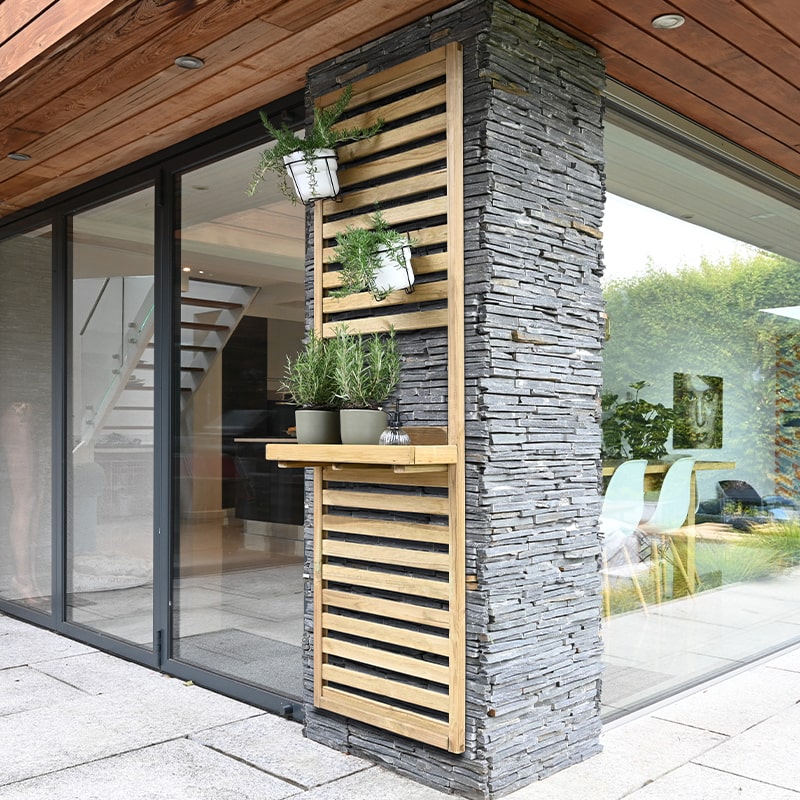 5’11 Forest Slatted Tall Wall Planter – 1 Shelf (0.6m x 0.18m)
£69.99
5’11 Forest Slatted Tall Wall Planter – 1 Shelf (0.6m x 0.18m)
£69.99
-
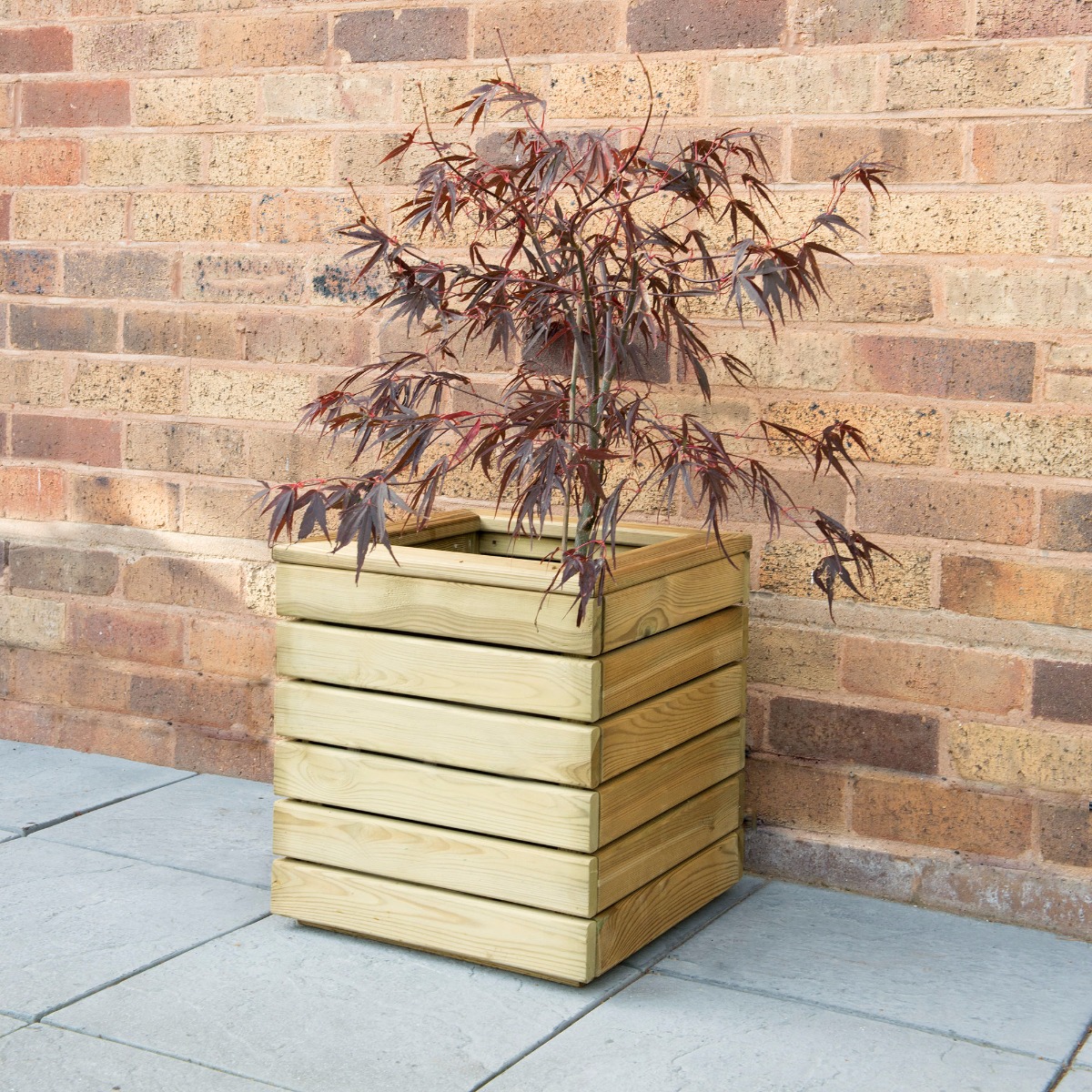 Forest Linear Square Wooden Garden Planter 1’x1′ (0.4×0.4m)
£64.99
Forest Linear Square Wooden Garden Planter 1’x1′ (0.4×0.4m)
£64.99
-
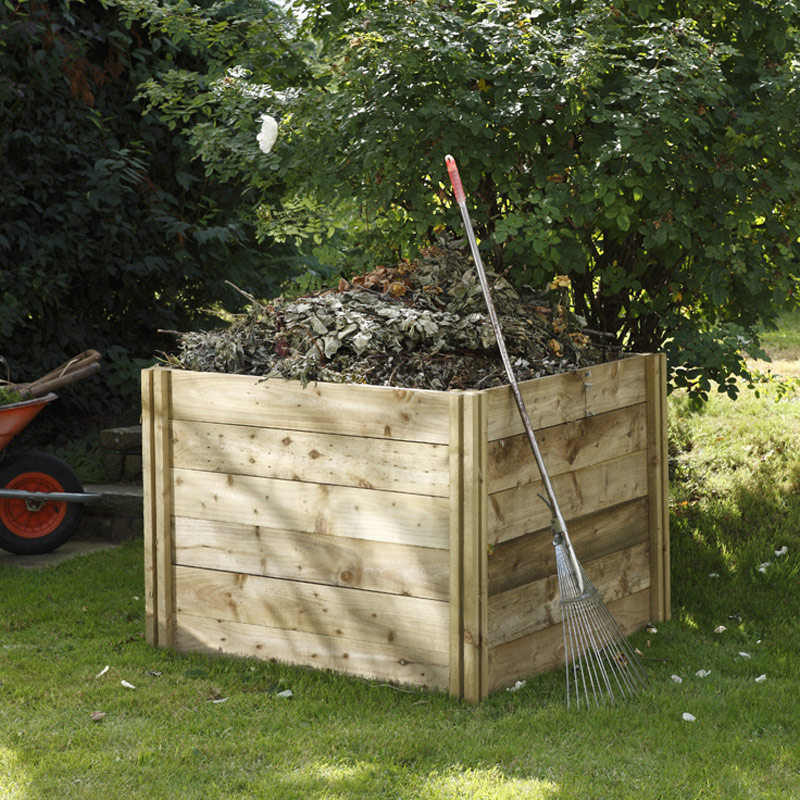 Forest Slot Down Wooden Compost Bin (1.06×1.06m)
£115.99
Forest Slot Down Wooden Compost Bin (1.06×1.06m)
£115.99
-
 5’11 Forest Slatted Tall Wall Planter – 2 Shelves (0.6m x 0.18m)
£69.99
5’11 Forest Slatted Tall Wall Planter – 2 Shelves (0.6m x 0.18m)
£69.99
Explore the art of maximising small spaces with our guide to planting in areas as tiny as 0 sq ft or 1 m². Discover innovative solutions and creative ideas to transform your limited garden space into a lush oasis.


Unleashing the Potential of Vertical Gardens
Vertical gardens are a perfect solution for those looking to make the most out of a small footprint. By utilising walls and vertical structures, you can grow a variety of plants without taking up ground space. Consider installing trellises or vertical planters to support climbing plants like ivy or tomatoes. The key is to choose plants that thrive in vertical settings, such as ferns, pothos, or succulents.
The Magic of Container Gardening
Container gardening allows flexibility and control, ideal for small spaces. Choose containers of varying sizes and shapes to create a dynamic visual appeal. Opt for self-watering pots to reduce maintenance. Herbs like basil, mint, and coriander thrive in containers, providing fresh ingredients for your kitchen.
Square Foot Gardening: A Compact Approach
Square foot gardening is a method that divides your garden space into small, manageable sections. This technique maximises yield by planting crops closely together. It’s perfect for small spaces, allowing you to grow a variety of vegetables and flowers. Use a grid layout to plant in a structured manner, ensuring efficient use of every inch.
Hydroponics: Soil-Free Solutions
For those interested in soil-free gardening, hydroponics offers an innovative solution. This method uses nutrient-rich water to grow plants, saving space and resources. Ideal for indoor settings, hydroponic systems can be set up on shelves or windowsills. Leafy greens like lettuce and spinach are excellent candidates for hydroponic growth.
Companion Planting: Nature’s Symbiosis
Companion planting involves growing plants together that mutually benefit each other. This technique not only saves space but also enhances plant health and productivity. For example, planting marigolds with tomatoes can deter pests, while beans can enrich the soil for corn. Understanding the symbiotic relationships between plants can lead to a thriving small garden.
Microgreen Magic
Microgreens are young vegetable greens that are packed with nutrients and flavour. They are perfect for small spaces as they require minimal soil and grow quickly. Consider growing microgreens like radish, arugula, or kale in shallow trays on your windowsill. They provide a fresh and healthy addition to your meals.
Creating a Sensory Oasis
Transform your small space into a sensory garden by incorporating plants with varied textures, scents, and colours. Lavender, rosemary, and thyme offer aromatic experiences, while ornamental grasses provide movement and texture. By carefully selecting plants, you can create a multi-sensory experience even in the smallest of spaces.
Utilising Edible Landscaping
Edible landscaping combines the beauty of ornamental plants with the practicality of edible ones. This approach allows you to enjoy a visually appealing garden that also provides food. Consider planting fruit-bearing shrubs like blueberries or strawberries alongside flowering plants. This method is both space-efficient and rewarding.
Harnessing the Power of Sunlight
Understanding the sun patterns in your garden is crucial for small space gardening. Choose plants that match the light conditions of your area. For sunny spots, consider sun-loving plants like tomatoes and peppers. In shadier areas, opt for shade-tolerant plants like hostas or ferns. Proper placement ensures healthy growth and maximises your garden’s potential.
Innovative Planter Designs
Explore creative planter designs that optimise space usage. Consider tiered planters or wall-mounted options to add depth and dimension to your garden. Hanging baskets are perfect for trailing plants like petunias or strawberries. These designs not only save space but also add aesthetic value to your garden.
Maximising with Succulents
Succulents are ideal for small spaces due to their compact size and low maintenance needs. They can be grown in small pots, terrariums, or even in vertical gardens. With a variety of shapes and colours, succulents offer endless design possibilities. Use them to create eye-catching arrangements that require minimal space.
Integrating Water Features
Even in a small garden, incorporating a water feature can add a sense of tranquility and movement. Consider a small fountain or a birdbath to attract wildlife. These features not only enhance the aesthetic appeal but also create a peaceful atmosphere in your limited space.
Seasonal Rotation and Succession Planting
By practising seasonal rotation and succession planting, you can maximise the productivity of your small garden. Rotate crops to maintain soil health and prevent pest build-up. Succession planting involves sowing new crops as soon as the previous ones are harvested, ensuring a continuous supply of fresh produce throughout the growing season.
Embracing Native Plants
Native plants are adapted to local conditions and require less maintenance, making them ideal for small gardens. They attract local wildlife and promote biodiversity. Research plants native to your area and incorporate them into your garden design for a low-maintenance, eco-friendly approach.
Crafting a Personal Retreat
Ultimately, your small garden should reflect your personal style and preferences. Incorporate elements that bring you joy, whether it’s a cosy seating area, a collection of your favourite plants, or decorative features. By designing a space that resonates with you, your small garden becomes a personal retreat and a source of daily inspiration.