How to Heat Your Shed, Log Cabin or Summerhouse
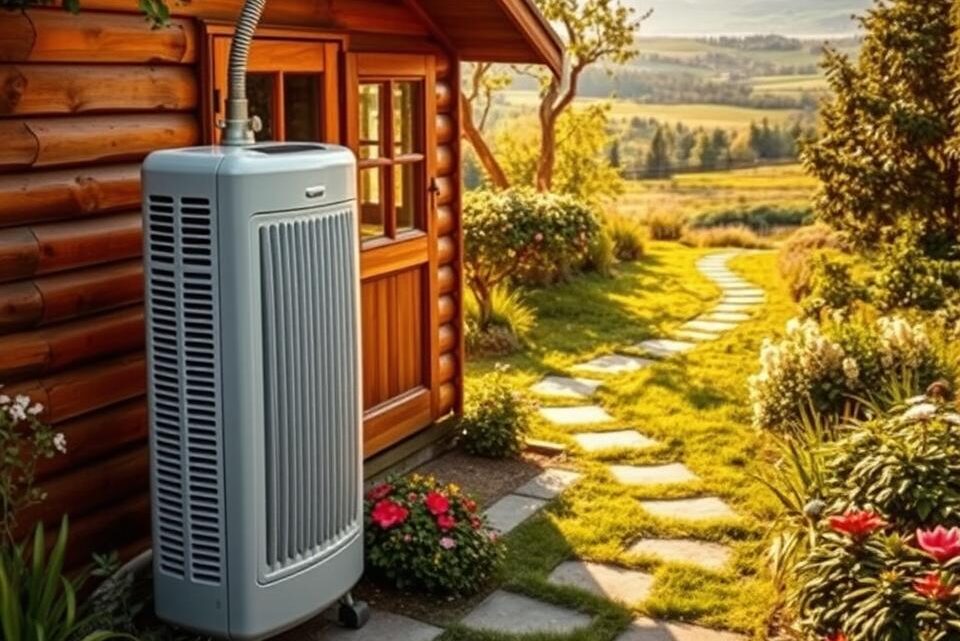
Garden buildings like sheds, log cabins, and summerhouses offer versatile outdoor spaces that can transform your garden experience. Garden building heating becomes crucial for maximising the usability of these structures throughout the year, especially in the UK’s unpredictable climate.
Outdoor space heating is not just about comfort; it’s about creating a functional extension of your home. Whether you’re using the space as a home office, workshop, or relaxation area, maintaining the right temperature can significantly enhance your enjoyment and productivity.
Understanding the right heating strategies can help you create a warm, inviting space that remains comfortable during chilly British seasons. From electric options to renewable energy solutions, there are multiple ways to keep your garden building cosy and functional.
Inhaltsverzeichnis
Key Takeaways
- Garden buildings require specialised heating solutions
- Proper insulation is critical for effective heating
- Multiple heating options exist for different needs
- Safety should always be a primary consideration
- Energy efficiency can help reduce heating costs
- Temperature control impacts overall usability
Understanding the Importance of Proper Heating Solutions
Creating a comfortable and functional garden space requires more than just attractive design. Proper heating solutions transform outdoor buildings into versatile, year-round spaces that offer remarkable advantages for homeowners and enthusiasts.
Investing in heated garden spaces goes beyond simple temperature control. These strategic heating approaches provide multiple benefits that enhance both the utility and enjoyment of your outdoor structures.
Health Benefits of a Heated Garden Space
Maintaining a warm garden building significantly impacts personal health and wellbeing. Consistent temperatures prevent:
- Dampness accumulation
- Mould and mildew growth
- Respiratory issues caused by cold, damp environments
A well-heated space creates a dry, comfortable environment that supports physical and mental wellness during colder months.
Protection for Tools and Equipment
Proper heating solutions offer critical protection for valuable garden tools and equipment. Cold and moisture can cause significant damage, leading to:
- Rust formation on metal implements
- Wood warping and deterioration
- Electronic equipment malfunction
By maintaining a stable temperature, you safeguard your investments and extend the lifespan of your garden tools.
Year-round Usability Benefits
Heated garden spaces unlock incredible potential for continuous use. Imagine transforming your shed or log cabin into a productive workspace, hobby room, or relaxation zone regardless of external weather conditions.
Strategic heating enables you to maximise your garden building’s potential, creating a versatile area that adapts to your changing needs throughout the seasons.
Assessing Your Building’s Insulation Requirements
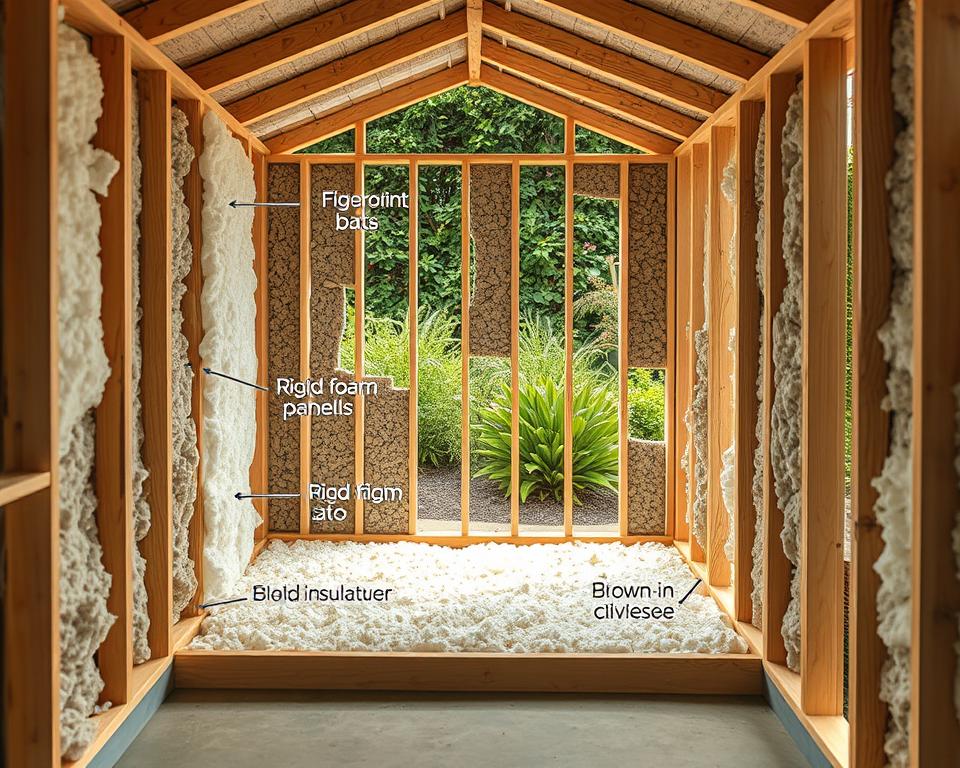
Understanding garden building insulation is crucial for creating a comfortable and energy-efficient outdoor structure. Proper outdoor structure weatherproofing can transform your garden building from a seasonal space to a year-round retreat.
When evaluating your garden building’s insulation needs, consider these key factors:
- Current wall and roof construction materials
- Age of the outdoor structure
- Existing moisture protection
- Local climate conditions
Different insulation materials offer unique benefits for garden buildings. Mineral wool provides excellent thermal performance, while rigid foam boards offer superior moisture resistance. Reflective foil insulation can be particularly effective in reducing heat transfer in wooden structures.
The primary goals of garden building insulation include:
- Minimising heat loss
- Preventing moisture penetration
- Creating a stable internal temperature
- Reducing energy consumption
Professional assessment can help identify specific weak points in your outdoor structure’s weatherproofing. A comprehensive inspection will reveal areas that require additional insulation, ensuring maximum energy efficiency and comfort.
Investing in quality garden building insulation is not an expense, but a long-term solution for comfort and energy savings.
How to Heat Your Shed, Log Cabin or Summerhouse
Selecting the right heating solution for your garden building can transform a cold, unused space into a comfortable retreat. Whether you have a shed, log cabin, or summerhouse, understanding your shed heating options is crucial for creating a warm and inviting environment.
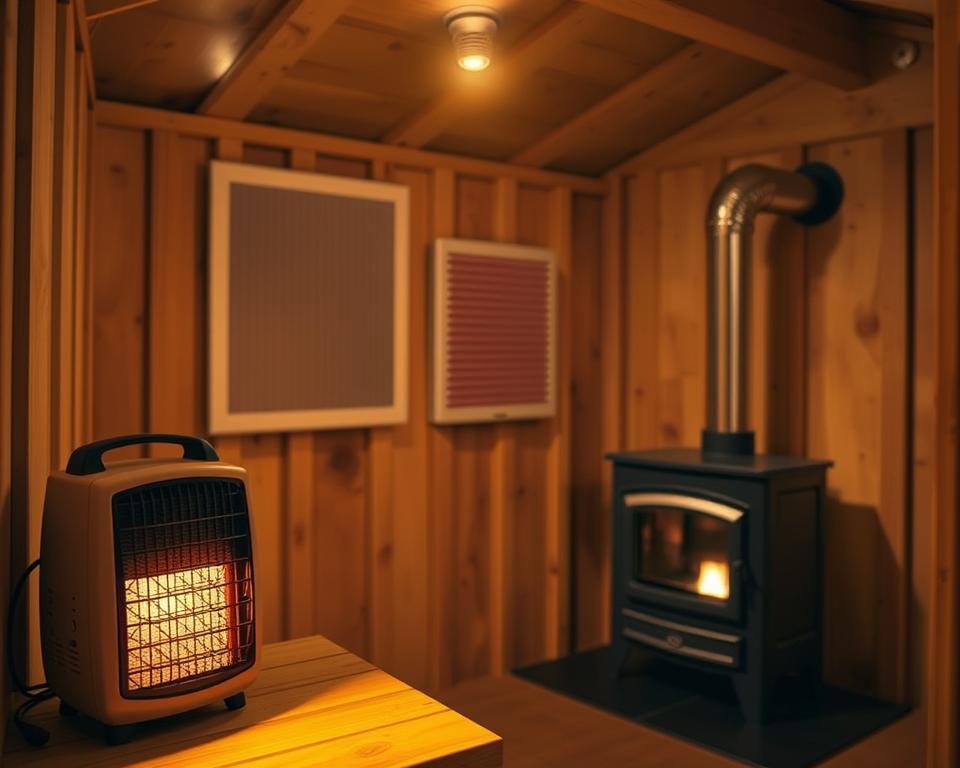
Different heating methods suit various garden structures and personal preferences. Your choice will depend on factors like size, insulation, and intended use of the space.
Electric Heating Options
Electric heating provides versatile log cabin heating solutions with minimal installation complexity. Consider these options:
- Infrared panel heaters – slim and energy-efficient
- Portable electric space heaters – flexible and quick to set up
- Underfloor heating systems – discrete and even heat distribution
Gas Heating Solutions
Gas heaters offer powerful summerhouse heating solutions for larger spaces or areas without electrical connections:
- Propane portable heaters – excellent for well-ventilated spaces
- Fixed gas stoves – permanent heating with rustic aesthetic
- Catalytic gas heaters – efficient and low-oxygen consumption
Renewable Energy Alternatives
Eco-conscious garden building owners can explore sustainable heating methods:
- Solar-powered electric heaters
- Biomass wood-burning stoves
- Heat pump systems
Each heating option presents unique advantages, so carefully evaluate your specific requirements to select the most suitable solution for your garden building.
Essential Safety Considerations for Outdoor Building Heating
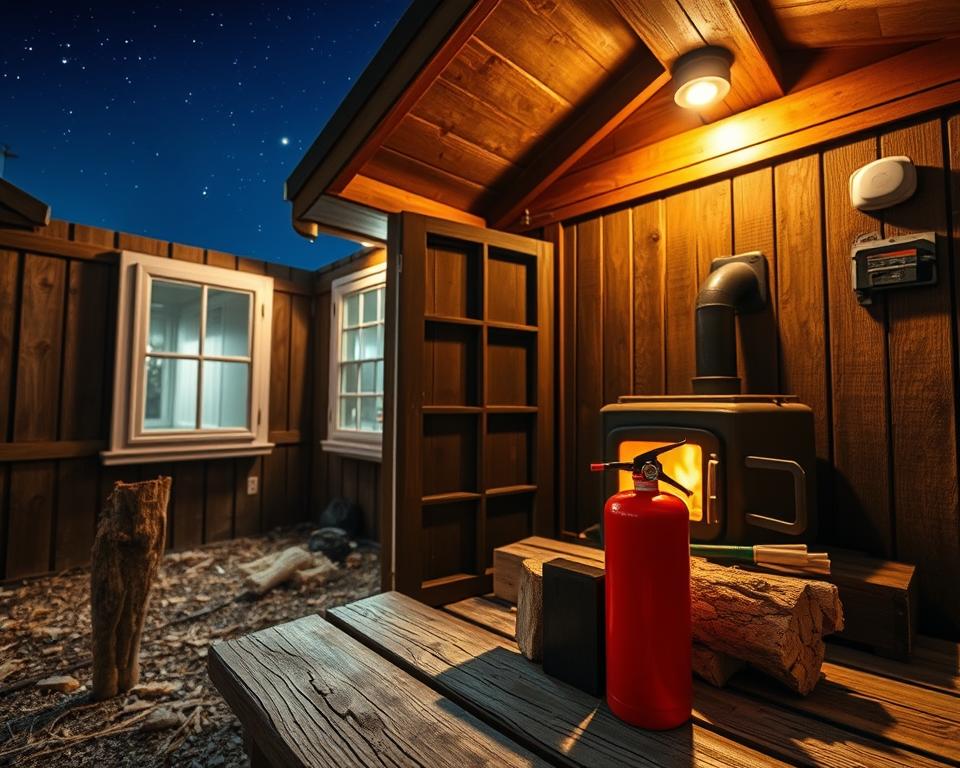
Heating your garden building requires careful attention to outdoor heating safety. Proper precautions can prevent potential risks and ensure a secure environment for your outdoor space.
Garden building fire prevention starts with understanding the key safety measures. Different heating systems present unique challenges that demand specific safety approaches.
- Install smoke and carbon monoxide detectors
- Maintain clear space around heating units
- Use appropriate fire extinguishers
- Regularly inspect electrical connections
Electrical heating systems require special consideration. Always ensure proper grounding and use circuit breakers designed for outdoor environments.
| Heating Type | Safety Considerations | Recommended Precautions |
|---|---|---|
| Electric Heaters | Electrical fire risk | GFCI protection, regular inspections |
| Gas Heaters | Carbon monoxide potential | Ventilation, annual professional checks |
| Wood Burners | Fire and smoke hazards | Clear surrounding area, fire-resistant floor mat |
Professional installation remains crucial for outdoor heating safety. Certified technicians can identify potential risks and implement appropriate safety protocols specific to your garden building’s unique characteristics.
Safety isn’t expensive, it’s priceless – especially in outdoor heating environments.
Regular maintenance and vigilant monitoring are your best defence against potential heating-related incidents in garden buildings.
Choosing the Right Size Heater for Your Space
Selecting the perfect heater for your shed, log cabin, or summerhouse requires careful consideration of heater sizing and BTU calculation for outdoor spaces. The right heating solution can transform your outdoor building into a comfortable retreat throughout the year.

Understanding the heating requirements of your outdoor space involves more than just picking a random heater. The size and insulation of your building play crucial roles in determining the appropriate heating power.
Calculating BTU Requirements
BTU (British Thermal Unit) calculation is essential for efficient heating. Here’s a straightforward approach to determining your space’s heating needs:
- Measure the total square footage of your outdoor building
- Assess the insulation quality (poor, moderate, or excellent)
- Consider local climate conditions
- Calculate approximately 20-30 BTUs per square foot for well-insulated spaces
“Precision in heater sizing can save you up to 30% on energy costs,” says heating expert Mark Reynolds.
Space-to-Power Ratio Guidelines
Different outdoor spaces require different heating approaches. A small, well-insulated log cabin might need less power compared to a poorly insulated larger shed.
| Space Size | Recommended BTU Range | Typical Heater Type |
|---|---|---|
| Up to 100 sq ft | 2,000-3,000 BTU | Compact Electric Heater |
| 100-200 sq ft | 3,000-5,000 BTU | Medium Portable Heater |
| 200-300 sq ft | 5,000-7,000 BTU | Large Radiant Heater |
Energy Efficiency Ratings
When choosing a heater, pay attention to energy efficiency ratings. Higher efficiency means lower running costs and reduced environmental impact. Look for heaters with modern energy-saving technologies to maximise your investment.
Cost-Effective Heating Methods for Garden Buildings
Heating outdoor structures doesn’t have to drain your wallet. Budget-conscious homeowners can explore multiple affordable garden heating strategies that provide warmth without excessive energy costs.
Energy-efficient outdoor heating requires smart planning and strategic choices. Selecting the right heating method can significantly reduce long-term expenses while maintaining comfortable temperatures in your garden building.
- Infrared panel heaters with low electricity consumption
- Portable electric radiators with adjustable settings
- Solar-powered heating solutions
- Compact gas heaters for occasional use
DIY insulation techniques can dramatically improve heating efficiency. Simple modifications like weatherstripping, draft excluders, and thermal curtains create substantial energy savings.
| Heating Method | Initial Cost | Running Costs | Efficiency Rating |
|---|---|---|---|
| Infrared Panels | £80-£250 | Low | High |
| Electric Radiators | £100-£300 | Medium | Medium |
| Gas Heaters | £50-£200 | High | Low |
Investing in affordable garden heating solutions requires careful consideration of your specific needs. Analyse your garden building’s size, insulation, and typical usage to select the most cost-effective option.
Smart heating choices can reduce energy consumption by up to 40% in outdoor structures.
Remember that energy-efficient outdoor heating is not just about initial purchase price but long-term running costs. Prioritise heaters with good thermal performance and low electricity consumption.
Installing Proper Ventilation Systems
Maintaining optimal air quality in garden structures requires careful attention to outdoor building ventilation. Proper air circulation prevents moisture build-up and creates a healthier environment for your garden building. Effective ventilation is crucial for protecting your space and ensuring comfortable usage throughout the year.
Garden structure air circulation involves two primary approaches: natural and mechanical ventilation. Each method offers unique benefits for maintaining air quality and temperature control in outdoor buildings.
Natural Ventilation Options
Natural ventilation utilises strategic design elements to promote airflow without mechanical intervention. Key strategies include:
- Positioning windows on opposite walls to create cross-ventilation
- Installing adjustable roof vents for heat escape
- Using louvred panels to control airflow
- Incorporating passive ventilation gaps near foundation and roof lines
Mechanical Ventilation Solutions
When natural methods prove insufficient, mechanical ventilation provides targeted air circulation solutions:
- Electric extractor fans for rapid air exchange
- Dehumidifiers to control moisture levels
- Programmable ventilation systems
Selecting the right ventilation approach depends on your specific garden structure’s size, usage, and environmental conditions.
| Ventilation Type | Advantages | Best Suited For |
|---|---|---|
| Natural Ventilation | Cost-effective, energy-efficient | Small to medium garden structures |
| Mechanical Ventilation | Precise control, consistent airflow | Larger structures, humid environments |
Effective ventilation ensures your garden building remains a comfortable, healthy space throughout the year.
Maintaining Your Heating System
Proper outdoor heater maintenance is crucial for ensuring the longevity and efficiency of your garden building heating system. Regular upkeep prevents unexpected breakdowns and helps you save money in the long run.
Effective garden building heating upkeep involves several key strategies:
- Conduct monthly visual inspections of your heating equipment
- Clean filters and vents regularly
- Check electrical connections for signs of wear
- Remove dust and debris from heating elements
Different heating systems require specific maintenance approaches. Electric heaters need careful cleaning to prevent dust accumulation, while gas heaters demand professional servicing to ensure safe operation.
| Heating Type | Maintenance Frequency | Key Actions |
|---|---|---|
| Electric Heaters | Monthly | Dust removal, connection checks |
| Gas Heaters | Annually | Professional inspection, gas line check |
| Renewable Systems | Bi-annually | Component testing, efficiency evaluation |
Pro tip: Always disconnect power before performing any maintenance and consult manufacturer guidelines for specific instructions.
By prioritising consistent outdoor heater maintenance, you’ll extend your garden building heating system’s lifespan and maintain optimal performance throughout the year.
Smart Temperature Control Solutions
Modern smart garden heating technologies are revolutionising how we manage outdoor space temperature control. Homeowners can now transform their garden structures into comfortable, energy-efficient spaces with cutting-edge temperature management systems.
Smart temperature control solutions offer unprecedented convenience and precision for garden buildings, sheds, and log cabins. These innovative systems enable users to create the perfect environment with minimal effort.
Programmable Thermostats: Intelligent Climate Management
Programmable thermostats bring sophisticated outdoor space temperature control directly to garden buildings. Key benefits include:
- Automatic temperature adjustments based on usage patterns
- Energy consumption tracking
- Customisable temperature schedules
- Precision heating management
Remote Control Options: Heating at Your Fingertips
Smart garden heating technologies now allow complete control from anywhere. Users can manage their outdoor building’s temperature through:
- Smartphone applications
- Web-based interfaces
- Voice-activated assistants
Mobile App Integration: Advanced Temperature Management
Mobile applications provide comprehensive smart garden heating solutions with features like:
| Feature | Functionality |
|---|---|
| Real-time monitoring | Track temperature and energy usage instantly |
| Scheduling | Set precise heating times |
| Energy reporting | Analyse consumption patterns |
| Remote activation | Adjust heating before arriving |
These intelligent systems ensure your garden building remains comfortable while maximising energy efficiency.
Weatherproofing Tips for Maximum Heating Efficiency
Protecting your garden building from harsh weather conditions is crucial for maintaining optimal heating efficiency. Garden building weatherproofing involves several strategic approaches to prevent heat loss and maintain a comfortable environment.
Start by conducting a thorough inspection of your outdoor structure for potential draught points. Outdoor structure draught-proofing can significantly reduce heat escape and lower energy consumption.
- Seal visible gaps around windows and doors
- Install weatherstripping on all entry points
- Use foam or silicone sealants for small cracks
- Check roof and wall junctions for potential leaks
Key areas to focus on for effective weatherproofing include:
| Area | Recommended Treatment | Benefit |
|---|---|---|
| Windows | Double-glazing or draught excluders | Reduces heat loss by up to 40% |
| Doors | Rubber sealing strips | Prevents cold air infiltration |
| Roof | Additional insulation layer | Minimises heat escape |
Professional builders recommend addressing weatherproofing before investing in heating solutions to maximise efficiency.
Investing time in proper garden building weatherproofing can lead to substantial energy savings and create a more comfortable outdoor space throughout the year.
Conclusion
Designing the perfect outdoor heating strategy for your garden building requires careful consideration of multiple factors. The right outdoor heating solutions can transform a simple shed or log cabin into a versatile, comfortable space throughout the year. Garden building temperature control isn’t just about warmth; it’s about creating an environment that extends your living and working area beyond traditional indoor boundaries.
From electric heaters to renewable energy alternatives, each heating method offers unique advantages. Safety remains paramount when implementing these solutions. Proper insulation, ventilation, and strategic temperature management will ensure your garden structure remains both functional and energy-efficient.
Investing time in selecting appropriate heating technologies will dramatically enhance your outdoor building’s usability. Whether you’re seeking a workspace, relaxation zone, or storage area, intelligent heating approaches can help you maximise the potential of these versatile structures. By understanding and implementing comprehensive outdoor heating solutions, you’ll create a comfortable, adaptable space that serves your needs year-round.
Your garden building can become a valuable extension of your home with the right temperature control strategy. With careful planning and informed choices, you’ll unlock a world of possibilities for your outdoor spaces.
FAQ
What are the main heating options for a garden shed or log cabin?
There are several heating options available, including electric heaters, gas heaters, infrared panels, and renewable energy solutions like solar-powered heaters. The best choice depends on your specific needs, space size, and budget.
How do I determine the right size heater for my outdoor building?
To choose the right heater, you’ll need to calculate the BTU (British Thermal Unit) requirements based on your space’s dimensions, insulation level, and desired temperature. Generally, you’ll need about 10 watts per square metre for basic heating, but this can vary depending on your specific circumstances.
Is it safe to heat a shed or log cabin?
Safety is crucial when heating outdoor structures. Ensure proper ventilation, install carbon monoxide detectors, use appropriate fire safety equipment, and follow manufacturer’s installation guidelines. Always keep flammable materials away from heat sources and have a fire extinguisher nearby.
How can I improve heating efficiency in my garden building?
Improve efficiency by enhancing insulation, sealing any gaps or draughts, using weatherstripping, installing double-glazed windows, and considering smart temperature control solutions like programmable thermostats. These steps can significantly reduce heat loss and lower energy costs.
What are the benefits of heating my shed or log cabin?
Heating provides multiple benefits, including preventing dampness and mould, protecting tools and equipment from moisture and rust, extending usability throughout the year, and creating a comfortable workspace or relaxation area regardless of external temperatures.
Are there cost-effective heating solutions for garden buildings?
Yes, there are several budget-friendly options. Electric panel heaters, portable gas heaters, and infrared heating panels can be relatively inexpensive to purchase and run. Additionally, improving insulation and using smart temperature controls can help reduce overall heating costs.
Can I use renewable energy to heat my outdoor building?
Absolutely! Solar panels, solar-powered heaters, and biomass stoves are excellent renewable heating options. These solutions can be particularly effective for garden buildings with good sun exposure or access to biomass fuel sources.
How important is ventilation when heating an outdoor structure?
Ventilation is crucial to prevent moisture build-up, reduce condensation, and maintain air quality. Use a combination of natural ventilation (windows, vents) and mechanical solutions like extractor fans or dehumidifiers to create a healthy, comfortable environment.