
How to Efficiently Heat a Garden Room

Transforming your garden room into a warm and inviting space, regardless of the British weather, requires careful consideration of efficient heating solutions. In the UK climate, where temperatures can fluctuate significantly, maintaining a comfortable temperature is crucial for year-round usability.
Efficient heating is not just about comfort; it’s also about energy efficiency and cost-effectiveness. Proper insulation and the right heating system can make a significant difference in maintaining a consistent temperature, thus reducing energy consumption and costs.
Inhaltsverzeichnis
Key Takeaways
- Proper insulation is crucial for maintaining a comfortable temperature in your garden room.
- Choosing the right heating system can significantly impact energy efficiency and running costs.
- Efficient garden room heating solutions can transform your space into a year-round usable area.
- Temperature control is essential for comfort and energy savings.
- Consideration of energy efficiency can lead to significant cost savings.
Understanding Garden Room Heating Requirements
To heat your garden room effectively, you first need to understand its specific heating requirements. This involves assessing various factors that influence how much heat is needed to maintain a comfortable temperature.
Assessing Your Garden Room’s Size and Usage
The size of your garden room and how you intend to use it are critical factors in determining its heating needs. A larger room requires more heat, while a smaller, well-insulated room may need less. Consider whether you’ll be using the room occasionally or daily, as this affects the type of heating solution that’s most suitable.
- For occasional use, a quick-heating solution like an electric heater might be appropriate.
- For daily use, a background heating system that maintains a consistent temperature could be more efficient.
Factors Affecting Heat Retention in UK Climate
The UK’s climate, characterized by high humidity, temperature fluctuations, and limited sunlight during winter, poses specific challenges for garden room heating. Understanding these factors is crucial for maintaining a warm and comfortable space.
Key considerations include:
- Thermal bridging: Areas where the insulation is interrupted, allowing heat to escape more easily.
- Condensation risks: High humidity can lead to condensation, potentially causing damp issues if not properly managed.
- Insulation quality: Proper insulation is vital for retaining heat and reducing energy costs.
By understanding these factors and how they impact your garden room, you can make informed decisions about the most effective heating strategy.
Importance of Proper Insulation
Effective insulation is the backbone of efficient garden room heating. Proper insulation reduces energy consumption, improves heating efficiency, and creates a more comfortable environment. Without adequate insulation, a significant amount of heat can be lost, leading to increased heating bills and a less comfortable garden room.
Wall Insulation Options for Garden Rooms
Choosing the right wall insulation is crucial for maintaining a warm and comfortable garden room. Various options are available, each with its own set of benefits and considerations.
- Rigid Foam Boards: These offer high thermal resistance and are relatively easy to install. However, they can be more expensive than other options.
- Mineral Wool: A cost-effective and fire-resistant option, mineral wool is a popular choice for garden room insulation.
- Natural Alternatives (e.g., Sheep’s Wool): Eco-friendly and breathable, natural insulation materials are gaining popularity for their sustainability and effectiveness.
| Insulation Material | R-Value | Installation Complexity | Cost |
|---|---|---|---|
| Rigid Foam Boards | High (R-6 to R-8 per inch) | Moderate | Higher |
| Mineral Wool | Medium (R-3 to R-4 per inch) | Easy to Moderate | Lower to Medium |
| Sheep’s Wool | Medium (R-3.5 to R-4 per inch) | Easy | Medium |
Floor and Ceiling Insulation Techniques
Insulating the floor and ceiling is just as important as wall insulation. For raised floors, insulation can be installed between the joists, and a vapour barrier should be used to prevent moisture issues. Ceiling insulation should maximize loft space without reducing headroom, using materials like mineral wool or rigid foam boards.
For optimal results, consider the following techniques:
- Use a vapour barrier under the floor to prevent moisture buildup.
- Insulate between floor joists for raised floors.
- Maximize ceiling insulation without compromising headroom.
Draught-Proofing Windows and Doors
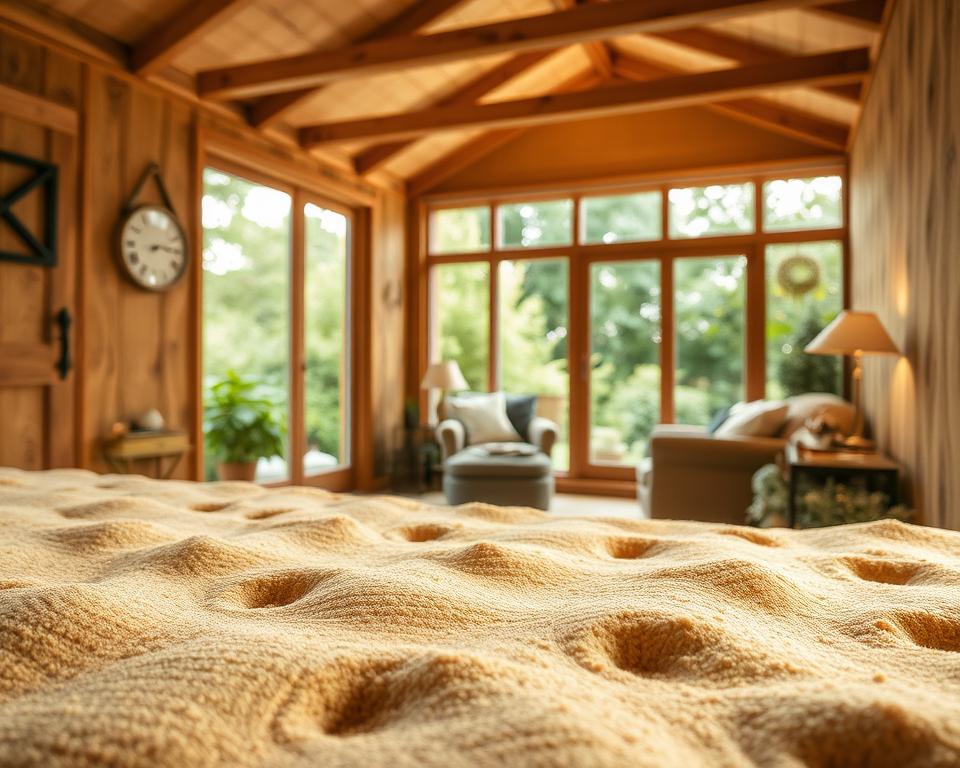
Draught-proofing is a simple yet effective way to reduce heat loss in garden rooms. Weatherstripping around doors and windows, threshold seals, and appropriate window treatments can significantly minimize heat escape.
Consider the following draught-proofing measures:
- Apply weatherstripping around doors and windows.
- Use threshold seals at the bottom of doors.
- Employ thermal curtains or blinds for windows.
Effective Methods for Heating a Garden Room
When it comes to warming up your garden room, there are several effective heating solutions to consider. The choice of heating method depends on various factors, including the size of your garden room, insulation, and personal preferences.
Electric Heating Solutions
Electric heating is a popular choice for garden rooms due to its ease of installation and flexibility. There are several types of electric heaters available, including:
- Electric radiators
- Convector heaters
- Infrared heating panels
Electric Radiators and Convector Heaters
Electric radiators and convector heaters are efficient and easy to install. They can be controlled using thermostats and timers to optimize energy consumption.
Key benefits: Easy to install, flexible, and energy-efficient.
Infrared Heating Panels
Infrared heating panels heat objects rather than air, providing efficient and comfortable warmth. They are wall-mounted, saving floor space, and can be controlled using smart thermostats.
Gas Heating Options
Gas heating is another viable option for garden rooms, especially for larger spaces. There are two main types of gas heating: mains-connected and bottled gas.
- Mains-connected gas heating
- Bottled gas heating
Renewable Energy Heating Systems
Renewable energy heating systems offer an eco-friendly alternative for garden room heating. Two popular options are air source heat pumps and solar-assisted heating.
Air Source Heat Pumps
Air source heat pumps provide efficient heating and cooling by transferring heat from the outside air to your garden room. They can be eligible for government incentives, reducing the upfront cost.
Benefits: Energy-efficient, eco-friendly, and potential government incentives.
Solar-Assisted Heating
Solar-assisted heating systems harness the sun’s energy to provide warmth. This can be achieved through passive solar design, active solar thermal systems, or photovoltaic panels that power electric heating.
Advantages: Renewable energy source, reduced energy bills, and eco-friendly.
| Heating Method | Installation Cost | Running Cost | Energy Efficiency |
|---|---|---|---|
| Electric Radiators | Low | Medium | High |
| Infrared Heating Panels | Medium | Low | High |
| Air Source Heat Pumps | High | Low | Very High |
| Gas Heating | Medium | Medium | Medium |
Underfloor Heating for Garden Rooms
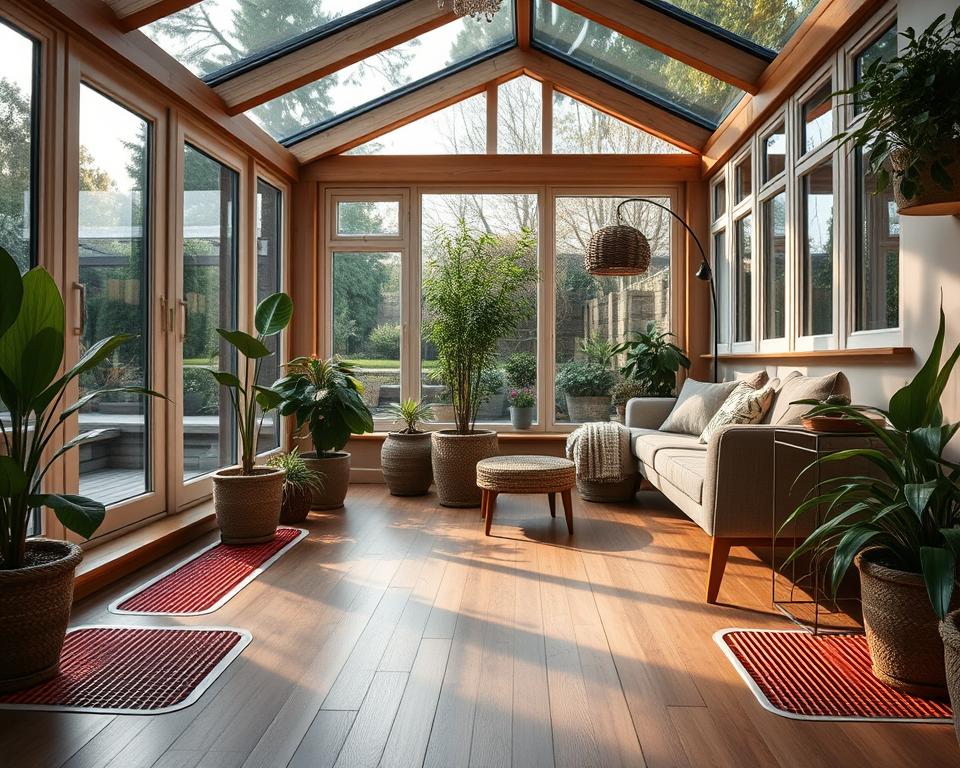
Underfloor heating offers a discreet and effective way to warm garden rooms, enhancing their usability throughout the year. This heating solution provides consistent warmth without the need for unsightly radiators or heaters, making it an attractive option for those looking to maintain a sleek, modern aesthetic in their garden rooms.
Electric Underfloor Systems
Electric underfloor heating systems are a popular choice for garden rooms due to their ease of installation and flexibility. These systems come in various forms, including loose cable, heating mats, and carbon film. The choice of system depends on the specific requirements of the garden room, including the type of floor covering and the desired level of heat output.
Key Features of Electric Underfloor Heating:
- Quick installation
- Zone control capabilities
- Suitable for various floor coverings
Water-Based Underfloor Heating
Water-based underfloor heating systems, on the other hand, involve the installation of pipes under the floor through which warm water circulates. These systems can be connected to an existing boiler or a dedicated heat source. While they may have a more complex installation process, they can offer potentially lower running costs, especially for larger garden rooms or those with high heating demands.
Key Considerations for Water-Based Systems:
- Manifold system design
- Pipe layout and spacing
- Screed requirements for optimal performance
| Heating System | Installation Complexity | Running Costs | Heat-up Time |
|---|---|---|---|
| Electric Underfloor | Low to Medium | Medium to High | Fast |
| Water-Based Underfloor | Medium to High | Low to Medium | Slower |
When choosing between electric and water-based underfloor heating for a garden room, it’s essential to consider factors such as the room’s size, insulation, and intended use. Proper insulation beneath the heating elements is crucial to prevent downward heat loss and ensure the system’s efficiency.
In conclusion, underfloor heating can significantly enhance the comfort and usability of garden rooms. By understanding the different types of underfloor heating systems available and their respective advantages, homeowners can make informed decisions to suit their specific needs.
Installing Your Garden Room Heating System
The key to a warm and inviting garden room lies in the proper installation of its heating system. A correctly installed heating system not only ensures comfort but also optimizes energy efficiency and safety.

DIY Installation Guidelines
For some heating systems, such as plug-in electric heaters and certain electric underfloor heating systems, DIY installation is feasible. However, it’s crucial to follow the manufacturer’s instructions and take necessary safety precautions.
When installing electric heaters, ensure they are placed away from flammable materials and are not positioned near water sources to avoid any risk of electrocution.
- Always switch off the power supply at the consumer unit before starting work.
- Use appropriate tools and follow the manufacturer’s instructions.
- Ensure the heater is securely fixed to the wall to prevent it from falling.
For electric underfloor heating, the process involves laying out the heating mats or cables according to the manufacturer’s guidelines, typically under the floor covering. It’s essential to test the system before covering it with flooring to ensure it’s working correctly.
“Proper planning and preparation are key to a successful DIY heating installation. Take your time to read and understand the manufacturer’s instructions.” –
When to Hire a Professional Installer
Certain heating systems, particularly those involving gas or complex electrical installations, require professional installation. Gas Safe registered engineers should be hired for gas-related installations to ensure compliance with safety regulations.
For fixed electrical systems, including some underfloor heating setups, hiring a qualified electrician who is NICEIC certified is mandatory. They can ensure that the installation meets the necessary electrical safety standards.
| Heating System Type | Installation Requirement |
|---|---|
| Gas Heating | Gas Safe Registered Engineer |
| Complex Electrical Heating | NICEIC Certified Electrician |
| Simple Electric Heaters | DIY or Qualified Electrician |
UK Building Regulations and Compliance
When installing a heating system in your garden room, it’s essential to consider UK Building Regulations. These regulations cover aspects such as electrical safety, structural modifications, and energy efficiency.
For external units like heat pumps, planning permission may be required. It’s advisable to consult with your local planning authority to determine the specific requirements for your garden room.
Compliance with Part P electrical safety regulations is mandatory for all fixed electrical installations. Ensuring your installation meets these regulations is crucial for safety and to avoid any potential legal issues.
By understanding and adhering to these guidelines, you can ensure your garden room heating system is installed correctly, safely, and in compliance with UK regulations.
Energy-Efficient Heating Strategies
Energy-efficient heating strategies are vital for garden rooms, ensuring a warm and inviting space without excessive energy use. Implementing these strategies not only reduces your carbon footprint but also lowers your energy bills.
Smart Thermostats and Control Systems
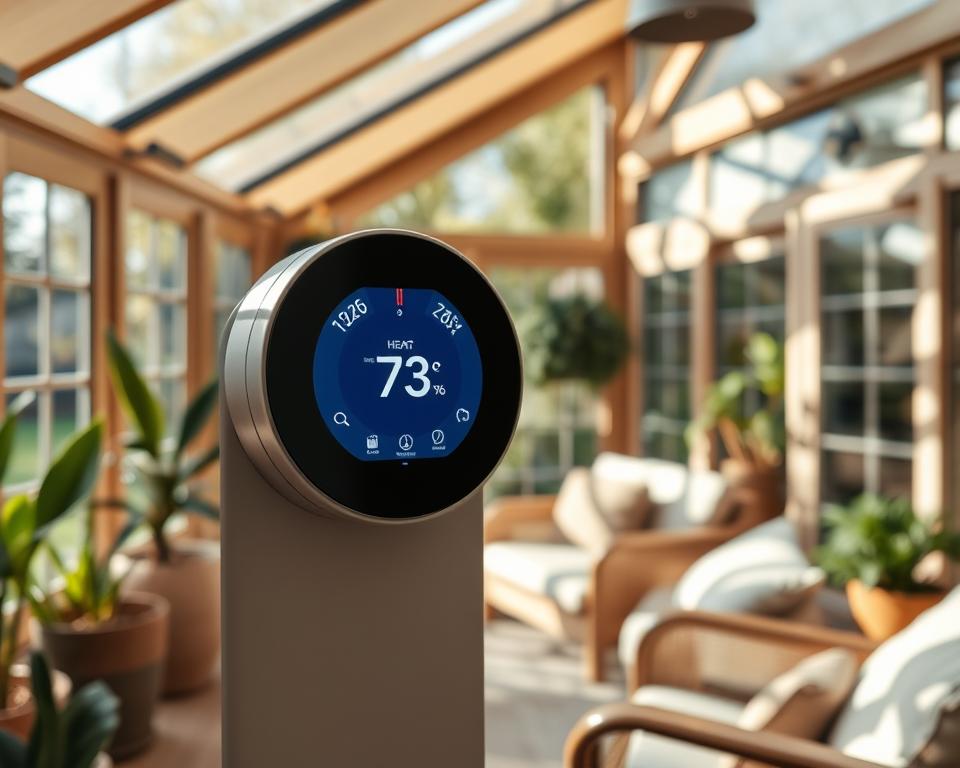
Smart thermostats and WiFi-enabled control systems are revolutionizing the way we heat our garden rooms. These advanced systems allow for remote monitoring and control, adapting to your usage patterns to optimize heating efficiency.
Key benefits of smart thermostats include:
- Remote access and control via smartphones or tablets
- Learning capabilities that adjust heating based on your schedule
- Integration with home automation systems for a unified smart home experience
Zoning and Timing Your Heating
Creating efficient heating zones in larger garden rooms can significantly reduce energy waste. By using multiple thermostats or Thermostatic Radiator Valves (TRVs), you can heat only the areas in use, rather than the entire space.
| Heating Zone | TRV Setting | Energy Saving |
|---|---|---|
| Main Seating Area | High | 20% |
| Reading Nook | Medium | 15% |
| Storage Area | Low | 5% |
Supplementary Heating Methods
In addition to your primary heating system, supplementary methods can enhance efficiency and comfort. These include thermal curtains, draught excluders, and heat-reflective materials behind radiators.
Consider the following supplementary heating strategies:
- Using thermal curtains to retain heat during colder periods
- Installing draught excluders around doors and windows
- Placing heat-reflective materials behind radiators to maximize heat distribution
By implementing these energy-efficient heating strategies, you can enjoy a warm and comfortable garden room while minimizing your energy consumption and environmental impact.
Cost Considerations
Heating a garden room efficiently requires a thorough examination of both upfront and ongoing expenses. Understanding these costs is crucial for making an informed decision that balances comfort with financial prudence.
Initial Installation Expenses
The initial cost of installing a heating system in your garden room can vary significantly depending on the type and capacity of the system. For instance, budget-friendly electric heaters can cost between £100 to £300, while more premium underfloor heating systems can range from £1,000 to £3,000 or more, including both equipment and labour costs.
A breakdown of typical installation costs for different heating systems is as follows:
- Electric heaters: £100-£300
- Gas heating systems: £500-£2,000
- Underfloor heating (electric): £1,000-£3,000
- Underfloor heating (water-based): £1,500-£4,000
It’s essential to consider these upfront costs in the context of your budget and long-term plans for the garden room.
Running Costs Comparison
Operational expenses for heating a garden room vary based on the energy source, system efficiency, and usage patterns. Here’s a comparison of annual running costs for different heating options:
| Heating System | Annual Running Cost (£) |
|---|---|
| Electric Heating | 200-500 |
| Gas Heating | 150-400 |
| Underfloor Heating (Electric) | 300-700 |
| Renewable Energy Systems | 100-300 |
Renewable energy systems, although potentially having higher upfront costs, can offer significant savings in running costs over time.
When evaluating these costs, it’s also important to consider factors like insulation levels, usage patterns, and the potential for smart thermostats to optimize heating efficiency.

Safety Considerations for Garden Room Heating
When it comes to heating a garden room, safety is of utmost importance. A well-designed and properly installed heating system not only provides comfort but also ensures the safety of occupants.
Electrical Safety and Circuit Requirements
Electrical safety is a critical aspect of garden room heating. To ensure safety, it’s essential to have a dedicated circuit for your heating system. This circuit should be appropriately sized to handle the load, and it must be protected by a Residual Current Device (RCD). Professional certification is required for fixed installations to guarantee compliance with UK electrical regulations.
When selecting heaters for potentially damp environments, it’s crucial to choose units with the appropriate IP (Ingress Protection) rating. For instance, heaters installed in bathrooms or areas exposed to the elements should have a higher IP rating to protect against water ingress. Additionally, maintaining safe distances between heaters and combustible materials is vital to prevent fire hazards.
Ventilation and Carbon Monoxide Awareness
Proper ventilation is essential, particularly for heating systems that use combustion processes. Inadequate ventilation can lead to the accumulation of carbon monoxide, a potentially deadly gas. It’s crucial to follow the manufacturer’s guidelines for minimum ventilation requirements to ensure safe operation.
Carbon monoxide detectors should be installed in areas where gas or solid fuel heaters are used. Regular maintenance of these detectors and the heating systems themselves is vital. Occupants should be aware of the symptoms of carbon monoxide poisoning and know what to do in case of an emergency.
Fire safety considerations are also paramount. This includes maintaining appropriate distances between heaters and furnishings, utilizing heaters with thermal cut-out features, and considering the installation of fire detection systems. By prioritizing these safety measures, you can enjoy a warm and safe garden room throughout the year.
Seasonal Heating Adjustments for British Weather
As the British weather changes with the seasons, adjusting your garden room heating is crucial for comfort and energy efficiency. The UK’s climate is characterised by cold winters and mild summers, with significant temperature fluctuations during the transitional seasons.
Winter Heating Solutions
During the winter months, maintaining a comfortable temperature in your garden room can be challenging. To achieve this, consider implementing pre-heating routines, optimal thermostat settings, and supplementary insulation options like thermal curtains. Maintaining background heat is more energy-efficient than frequently reheating a cold space.
- Pre-heating your garden room before use to maintain a consistent temperature
- Using smart thermostats to optimise heating schedules and temperatures
- Installing thermal curtains or blinds to reduce heat loss
For periods of non-use, consider using frost protection settings to prevent damage from freezing temperatures. Additionally, be aware of condensation issues that can arise in winter, and take steps to mitigate them, such as ensuring good ventilation.
Transitional Seasons Approach
During the spring and autumn, temperatures can fluctuate significantly, requiring a flexible approach to heating. On mild days, you may not need heating at all, while cold evenings may still require some warmth. Leveraging natural solar gain during these periods can help reduce heating needs.
| Season | Heating Strategy | Energy Efficiency Tips |
|---|---|---|
| Spring/Autumn | Flexible heating approach, leveraging natural solar gain | Use smart thermostats, optimise heating schedules |
| Winter | Maintain background heat, pre-heating routines | Use thermal curtains, ensure good insulation |
By adopting these seasonal heating adjustments, you can enjoy your garden room year-round while balancing comfort and energy efficiency.
Maintenance of Garden Room Heating Systems
Proper maintenance is crucial for the longevity and efficiency of your garden room heating system. Regular upkeep ensures that your system operates safely and effectively throughout the year. By following a maintenance schedule and knowing how to troubleshoot common issues, you can enjoy your garden room without interruptions.
Regular Maintenance Schedule
A regular maintenance schedule is essential to keep your garden room heating system in optimal condition. The type of maintenance required varies depending on the heating system installed. For instance, electric heaters require regular dust removal to prevent overheating, while gas systems or heat pumps need annual servicing by a qualified professional.
Seasonal preparation checklists are also important. Before winter, check that your system is functioning correctly and that all components are in good condition. For systems with filters, regular filter cleaning or replacement is crucial for maintaining efficiency and air quality.
- Check and clean filters as recommended by the manufacturer.
- Inspect the system for any signs of wear or damage.
- Schedule annual professional servicing for gas or heat pump systems.
Troubleshooting Common Issues
Despite regular maintenance, issues can still arise with your garden room heating system. Common problems include uneven heating, system failures, unusual noises, and drops in efficiency. Knowing how to diagnose and address these issues can save time and prevent further damage.
For uneven heating, check that the system is properly balanced and that there are no blockages in the heating elements or ducts. System failures often require professional diagnosis, especially for complex systems like heat pumps.
When troubleshooting, it’s essential to identify whether the issue can be safely addressed by a homeowner or if it requires professional intervention. Always refer to your system’s manual for guidance on troubleshooting and maintenance.
Conclusion
Achieving garden room comfort throughout the British year requires a thoughtful approach to heating. By considering factors such as insulation, appropriate heating technology, and efficient controls, you can create a warm and inviting space.
Efficient garden room heating solutions begin with proper insulation. This foundation is crucial for retaining heat and reducing energy costs. When selecting a heating system, consider your garden room’s size, usage, and the local climate.
The best heating for garden rooms varies depending on specific needs. Options range from electric and gas heating to renewable energy systems and underfloor heating. Each has its advantages and is suited to different scenarios, whether the garden room is used occasionally or daily.
To ensure garden room comfort, it’s essential to balance initial costs with running expenses and consider long-term efficiency. Regular maintenance and seasonal adjustments will also help optimize your heating system’s performance.
By taking a holistic approach to garden room heating, you can enjoy a comfortable, energy-efficient space that enhances your home’s value and your quality of life.
FAQ
What are the most efficient heating options for a garden room in the UK?
The most efficient heating options for a garden room in the UK include underfloor heating systems, air source heat pumps, and infrared heating panels, which provide comfortable warmth while minimising energy consumption.
How do I determine the appropriate heating requirement for my garden room?
To determine the heating requirement, consider factors such as the room’s size, insulation levels, intended usage patterns, and local climate conditions, using calculations based on volume and heat loss to establish the required heating capacity.
What insulation options are available for garden rooms, and which is most effective?
Available insulation options include rigid foam boards, mineral wool, and natural materials like sheep’s wool; the most effective choice depends on factors such as R-value, installation complexity, and cost, with proper wall, floor, and ceiling insulation being crucial for energy efficiency.
Can I install heating systems in my garden room myself, or do I need a professional?
While some heating systems, such as plug-in electric heaters, can be installed DIY, more complex systems involving gas or fixed electrical installations require professional certification to ensure safety and compliance with UK building regulations.
How can I optimise my garden room’s heating efficiency?
Optimising heating efficiency can be achieved through strategies such as using smart thermostats, zoning heating to specific areas, timing heating according to usage patterns, and incorporating supplementary methods like thermal curtains and draught excluders.
What safety considerations should I be aware of when installing heating systems in my garden room?
Key safety considerations include ensuring proper electrical circuit requirements, maintaining adequate ventilation, particularly for combustion-based systems, and installing carbon monoxide detectors where necessary to prevent potential hazards.
How do I maintain my garden room heating system to ensure optimal performance?
Regular maintenance involves tasks such as dust removal, filter cleaning or replacement, and annual servicing for certain systems; following a system-specific maintenance schedule and addressing issues promptly will help maintain efficiency and prolong system life.
What are the typical costs associated with heating a garden room, and how can I minimise expenses?
Costs vary depending on the heating system, energy source, and usage patterns; minimising expenses involves selecting energy-efficient systems, optimising controls, and maintaining proper insulation to reduce heat loss and lower running costs.
Are there any government incentives or regulations I should be aware of when installing a heating system in my garden room?
Yes, certain incentives may be available for energy-efficient heating systems, and compliance with UK building regulations, including electrical safety standards and potentially planning permission for external units, is essential.
How can I adjust my garden room heating for different seasons?
Adjusting heating for different seasons involves strategies such as pre-heating before use in winter, using frost protection settings during periods of non-use, and leveraging natural solar gain during transitional seasons to balance comfort with energy efficiency.

