Creating a seating area in the garden – ideas and tips
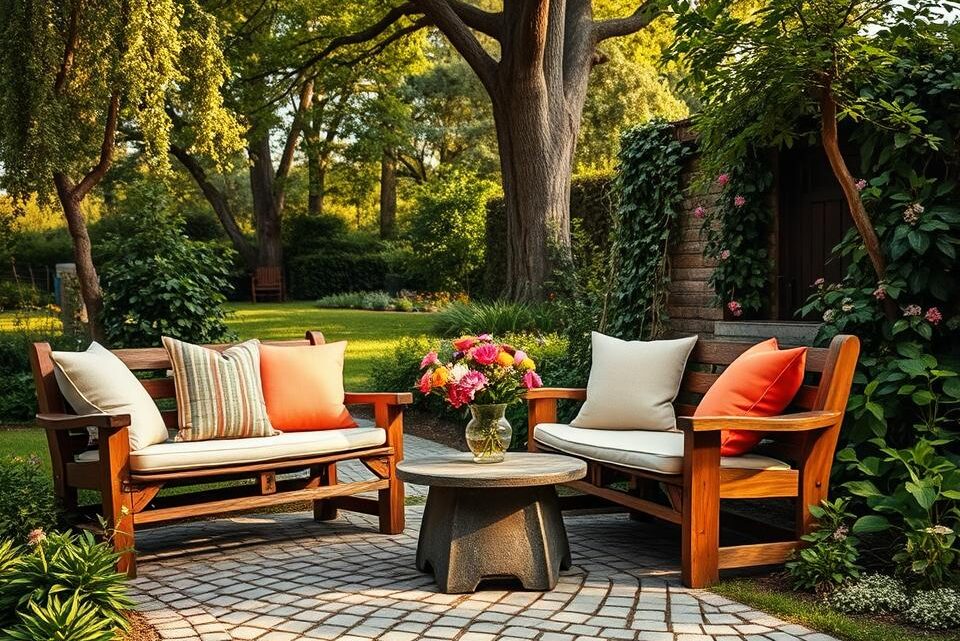
You deserve a tranquil retreat in your own backyard. A well-designed garden seating area can transform your outdoor space into a haven for relaxation and entertainment.
Imagine sipping your morning coffee or enjoying a family dinner under the stars, surrounded by nature’s beauty. To achieve this, careful planning and attention to detail are crucial. Your outdoor seating should not only be comfortable but also complement your garden design.
In this article, we will guide you through the process of planning, designing, and furnishing your perfect patio ideas. Whether you’re looking to create a cozy nook or an expansive entertainment area, we’ve got you covered.
Inhaltsverzeichnis
Key Takeaways
- Assess your garden’s layout to determine the best spot for your seating area.
- Choose outdoor furniture that is both stylish and durable.
- Consider incorporating lighting and decor to enhance ambiance.
- Plan for comfort and functionality.
- Blend your seating area with the surrounding garden design.
The Importance of Outdoor Seating Areas in British Gardens
A well-designed outdoor seating area is essential for making the most of your British garden. It provides a dedicated space for relaxation, entertainment, and enjoying the beauty of nature.
Benefits of Having a Dedicated Seating Space
Having a dedicated seating space in your garden offers numerous outdoor seating benefits. It allows you to create a tranquil atmosphere where you can unwind and recharge. A seating area can also enhance the aesthetic appeal of your garden, making it a more inviting space for family and friends.
The benefits of a dedicated seating space include:
- Relaxation and stress relief
- Entertainment and socialization
- Enhanced garden enjoyment
How Seating Areas Enhance Garden Enjoyment
Seating areas play a crucial role in enhancing garden enjoyment. By providing a comfortable spot to sit and relax, you can fully appreciate the beauty of your garden. Whether you’re reading a book, enjoying a meal, or simply taking in the surroundings, a seating area allows you to make the most of your outdoor space.
| Aspect | Benefit |
|---|---|
| Relaxation | Reduces stress and promotes well-being |
| Entertainment | Enhances social gatherings and events |
| Aesthetic Appeal | Increases the visual attractiveness of the garden |
Adapting to the British Climate
The British climate can be quite challenging for outdoor seating areas. To ensure that your seating area remains enjoyable throughout the year, it’s essential to choose weather-resistant furniture. Materials such as recycled plastic, teak, and synthetic wicker are ideal for withstanding the British weather conditions.
By adapting your seating area to the local climate, you can enjoy your garden to the fullest, regardless of the weather.
Planning Your Garden Seating Area
To create an inviting garden seating area, you need to start with a solid plan. This involves several key considerations to ensure your outdoor space is both functional and enjoyable.
Assessing Available Space
The first step in garden planning is to assess the available space in your garden. Measure the area where you intend to create your seating area, taking into account any existing features such as trees, flower beds, or slopes. This space assessment will help you determine the size and shape of your seating area.
Considering Sun Exposure and Shade
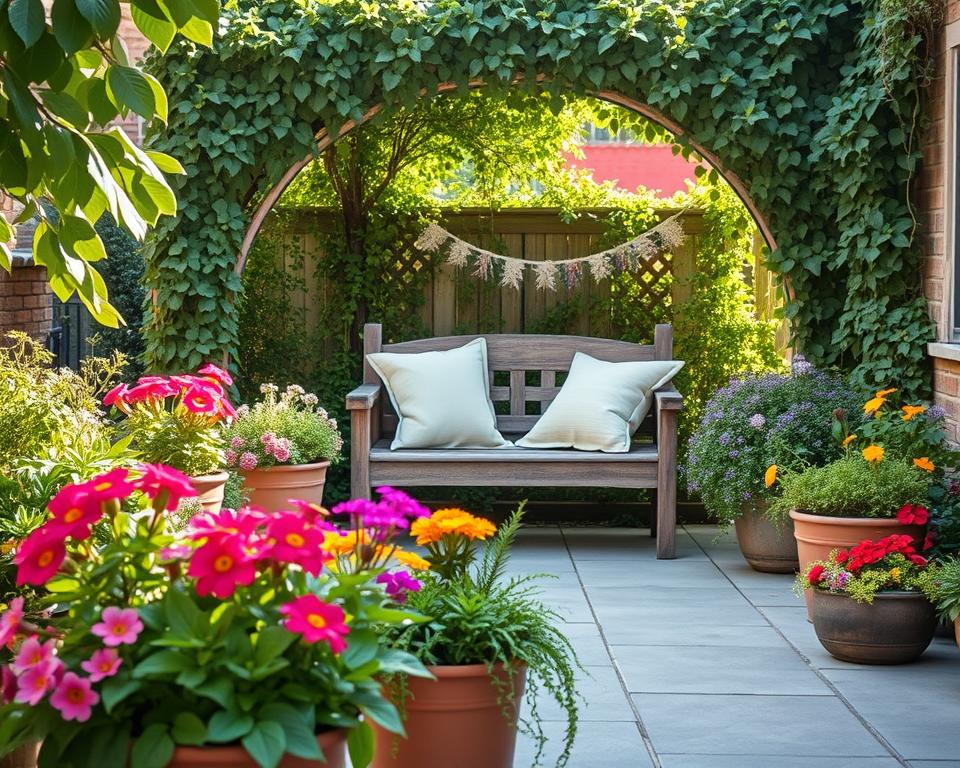
Sun exposure is a crucial factor in creating a comfortable seating area. Consider the amount of sunlight your garden receives throughout the day. If your garden is mostly shaded, you may prefer a seating area that is protected from the elements. Conversely, if your garden is sunny, you may want to incorporate shade structures such as parasols or pergolas to provide relief from the sun.
Accounting for Privacy Needs
Privacy is another important consideration when planning your garden seating area. You may want to create a secluded spot that is shielded from neighbouring properties.
Noise Considerations
If you live in a busy area, consider using natural barriers such as hedges or trees to reduce noise reduction. Alternatively, you could use water features or wind chimes to create a soothing atmosphere that masks background noise.
Visual Privacy Solutions
For privacy solutions, consider using screens or trellises to block the view from neighbouring properties. You can also use planting to create a natural screen, selecting plants that are dense and tall enough to provide visual privacy.
By carefully considering these factors, you can create a garden seating area that is tailored to your needs and preferences, providing a peaceful retreat in your outdoor space.
Choosing the Perfect Location
To truly enjoy your garden, you need to carefully consider where to place your seating area. The location can significantly affect how often you use the space and how much you enjoy it.
Near-House Locations vs. Garden Retreats
When deciding on the location, you have to weigh the benefits of a near-house location against a more secluded garden retreat. A near-house location is convenient and can be an extension of your indoor living space, making it ideal for frequent use.
On the other hand, a garden retreat offers a peaceful escape from the daily hustle and bustle, providing a serene atmosphere that’s perfect for relaxation.
Utilising Views and Focal Points
Consider the views and focal points in your garden when choosing a location. If you have a beautiful vista or a striking garden feature, such as a statue or a pond, position your seating area to take advantage of these.
Working with Existing Garden Features
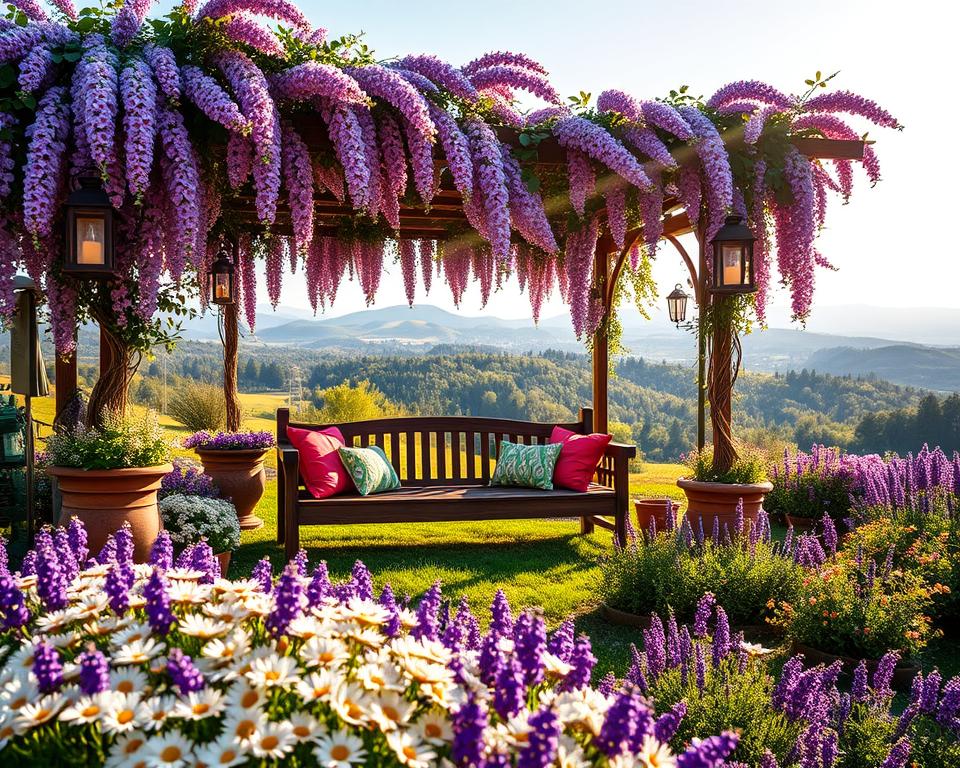
Your garden’s existing features should influence the placement of your seating area. Consider how to integrate with lawns and flowerbeds or position near water features.
Integrating with Lawns and Flowerbeds
A seating area nestled among flowerbeds or adjacent to a lawn can create a harmonious and inviting space. Ensure that the seating doesn’t obstruct garden maintenance or views.
Positioning Near Water Features
Water features, such as ponds or fountains, can add a soothing element to your garden. Positioning your seating area near these features can enhance the relaxing ambiance.
Types of Garden Seating Options
The right garden seating can transform your outdoor space into a relaxing retreat. With numerous options available, you can choose the perfect seating to suit your garden’s style and your personal preferences.
Garden Benches and Chairs
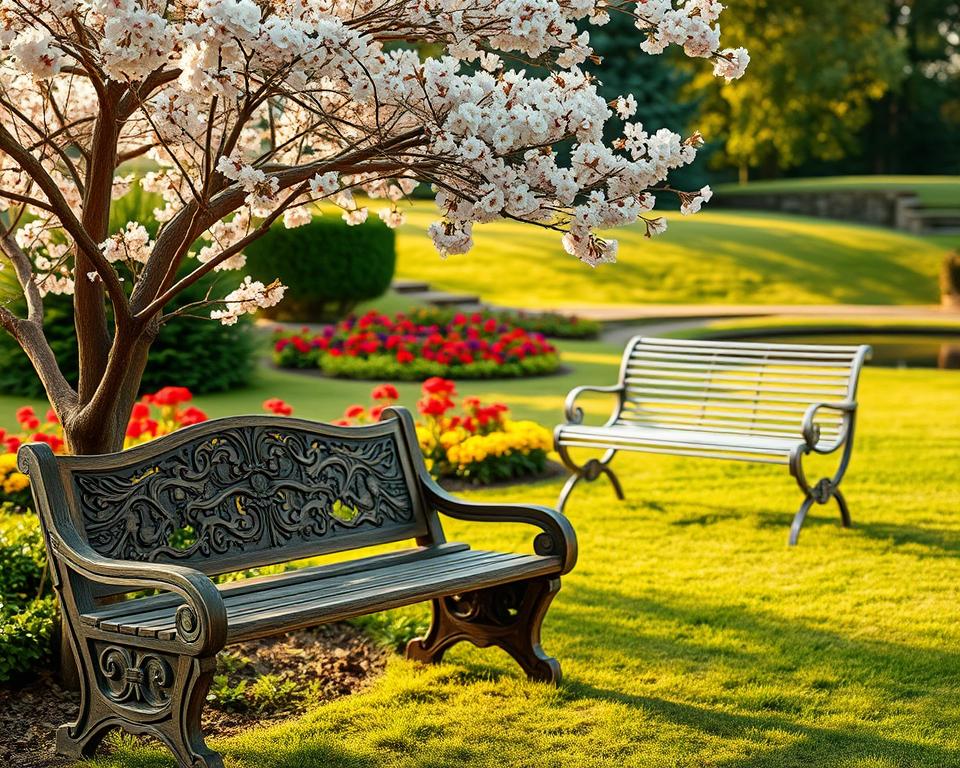
Garden benches and chairs are classic choices for outdoor seating. They come in a variety of materials, such as wood, metal, and recycled plastic, ensuring there’s something to fit every garden’s aesthetic. Wooden benches offer a natural look, while metal chairs can provide a more modern feel.
Outdoor Sofas and Lounge Sets
For a more luxurious feel, consider outdoor sofas and lounge sets. These are perfect for creating a comfortable seating area where you can relax with family and friends. They are available in various configurations and materials, including weather-resistant wicker and durable fabrics.
Built-in Seating Solutions
Built-in seating solutions can be a great space-saving option, especially for smaller gardens. They can be constructed around existing features like a patio or a raised bed, providing a seamless integration with the rest of your garden.
Hammocks and Swing Seats
If you’re looking for something a bit more leisurely, hammocks and swing seats are excellent choices. They add a playful touch to your garden and can be hung from a sturdy tree branch or a freestanding frame.
Space Requirements for Different Seating Types
When choosing your garden seating, it’s essential to consider the space available. For instance, a garden bench typically requires less space than an outdoor sofa set. Here’s a rough guide to help you plan:
- A single garden chair: 1-2 square meters
- A garden bench: 2-3 square meters
- An outdoor sofa set: 4-6 square meters
- A hammock or swing seat: variable, but ensure enough clearance around it
By considering the space requirements and the type of seating that suits your garden, you can create an inviting outdoor area that you’ll enjoy for years to come.
Materials for Garden Seating
When creating a garden seating area, the choice of material is crucial for both durability and aesthetic appeal. The right materials will ensure that your seating remains functional and attractive throughout the seasons.
Weather-Resistant Woods
Wood is a popular choice for garden seating due to its natural beauty. Weather-resistant woods are particularly suitable as they can withstand the elements.
Oak, Cedar and Teak Options
Oak, cedar, and teak are excellent choices due to their inherent resistance to rot and insects. For example:
- Teak is highly durable and resistant to moisture.
- Cedar has a natural oils that repel insects.
- Oak is strong and long-lasting.
Treating and Maintaining Wooden Furniture
To extend the life of your wooden garden seating, regular maintenance is necessary. This includes:
- Applying a protective sealant annually.
- Cleaning the wood regularly to prevent dirt buildup.
Metal Options
Metal garden seating, such as aluminium or wrought iron, offers durability and a modern aesthetic. Aluminium is particularly popular due to its lightweight and rust-resistant properties.
Synthetic Materials and Rattan
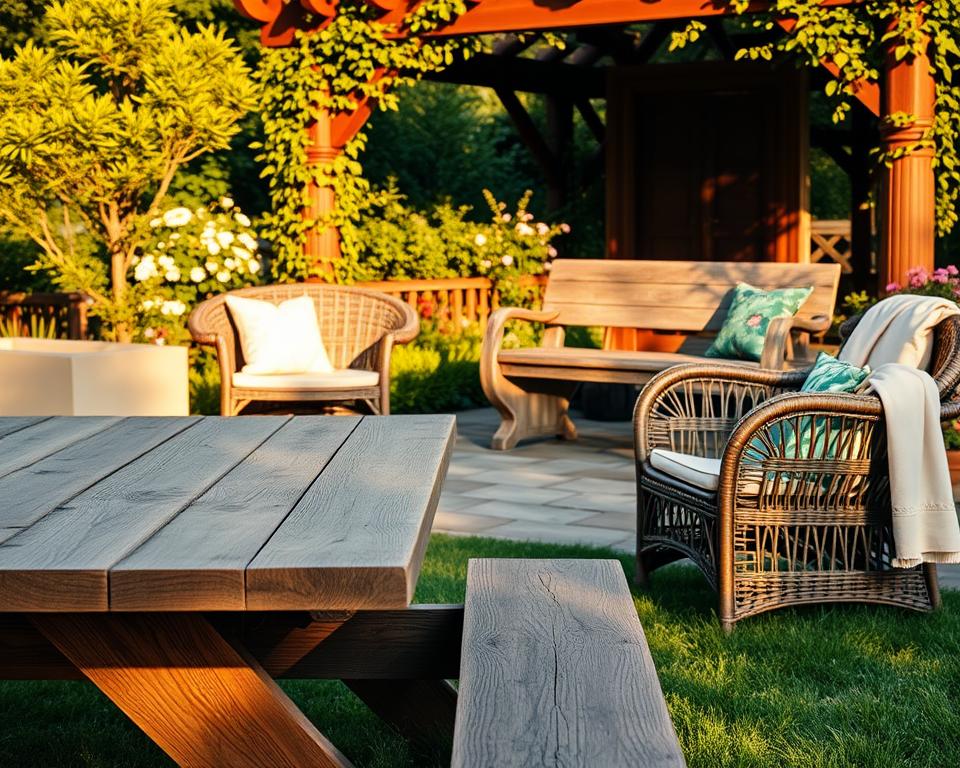
Synthetic rattan is a versatile and weather-resistant material that mimics the look of natural rattan. It’s ideal for outdoor furniture as it’s lightweight and easy to clean.
Stone and Concrete Choices
For a more permanent solution, stone or concrete seating can be an excellent choice. These materials are highly durable and can be moulded into various shapes and designs.
By choosing the right materials for your garden seating, you can create a beautiful and functional outdoor space that will provide years of enjoyment.
Creating a Seating Area in the Garden – Ideas and Tips for Different Styles
Creating a seating area in your garden that reflects your personal style is easier than you think. With various garden styles to choose from, you can transform your outdoor space into a haven that suits your taste and complements your home.
Contemporary Minimalist Designs
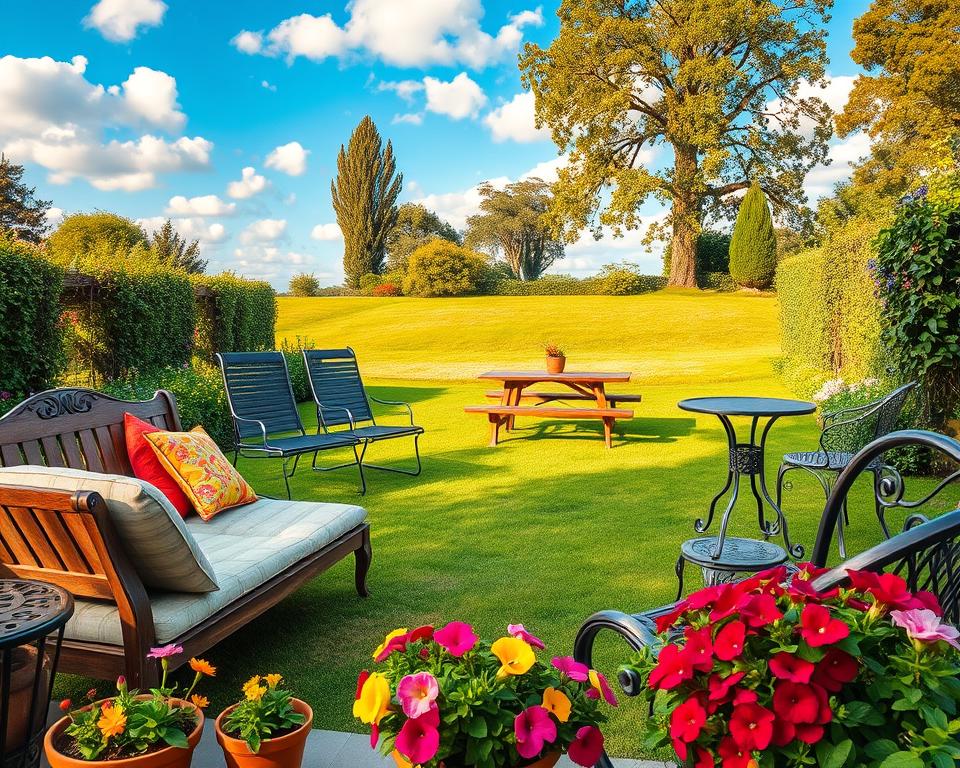
For those who prefer a clean and uncluttered look, contemporary minimalist designs are ideal. Characterized by simplicity, these designs often feature sleek lines, minimal ornamentation, and an emphasis on functionality. You can achieve this look by using materials like weather-resistant steel or recycled plastic for your furniture.
Cottage Garden Seating
Cottage garden seating areas evoke a sense of warmth and coziness. To create this inviting atmosphere, incorporate natural materials like wood and stone, and adorn your space with vibrant flowers and lush greenery. As Helen Dillon, a renowned garden designer, once said, “A garden is a love song, a duet between a human being and Mother Nature.” Your cottage garden seating area can be a beautiful expression of this duet.
Mediterranean-Inspired Spaces
Mediterranean-inspired garden seating areas are perfect for those who love the warmth and vibrancy of southern European cultures. Characterized by the use of terracotta, mosaic tiles, and wrought iron, these spaces often feature lush plants like olive trees and rosemary. To recreate this style, incorporate earth tones and natural textures into your seating area.
Japanese Garden Retreats
For a serene and peaceful garden seating area, consider a Japanese-inspired design. These retreats often feature natural stone, bamboo, and minimalist wooden structures. To create a tranquil atmosphere, incorporate water features and carefully selected plants like bonsai trees or Japanese maples.
Adapting International Styles to British Gardens
When adapting international styles to British gardens, it’s essential to consider the local climate and environment. While you may draw inspiration from Mediterranean or Japanese designs, ensure that your seating area is weather-resistant and suitable for the British climate. For example, using durable, weather-resistant materials for your furniture and incorporating plants that thrive in the UK’s temperate maritime climate.
By embracing different garden styles and adapting them to your British garden, you can create a unique and inviting seating area that reflects your personality and complements your outdoor space.
Building a Patio or Deck for Your Seating Area
The foundation of a great seating area is a well-designed patio or deck, each offering unique benefits. When deciding between the two, several factors come into play, including cost, maintenance, and aesthetic appeal.
Comparing Patio and Deck Options
Patios and decks serve the same purpose but differ in construction and appearance. A patio is typically made from stone, brick, or concrete and is built at ground level, whereas a deck is usually made of wood or composite materials and is elevated.
| Feature | Patio | Deck |
|---|---|---|
| Material | Stone, Brick, Concrete | Wood, Composite |
| Level | Ground Level | Elevated |
| Maintenance | Low | Moderate to High |
Step-by-Step Patio Installation
Preparing the Ground
Begin by clearing the area of any debris and vegetation. Mark out the patio area and excavate to the required depth, ensuring it’s level.
Laying Slabs or Bricks
Lay your chosen slabs or bricks, starting from the center and working your way outwards. Use a spirit level to ensure evenness.
Deck Construction Basics
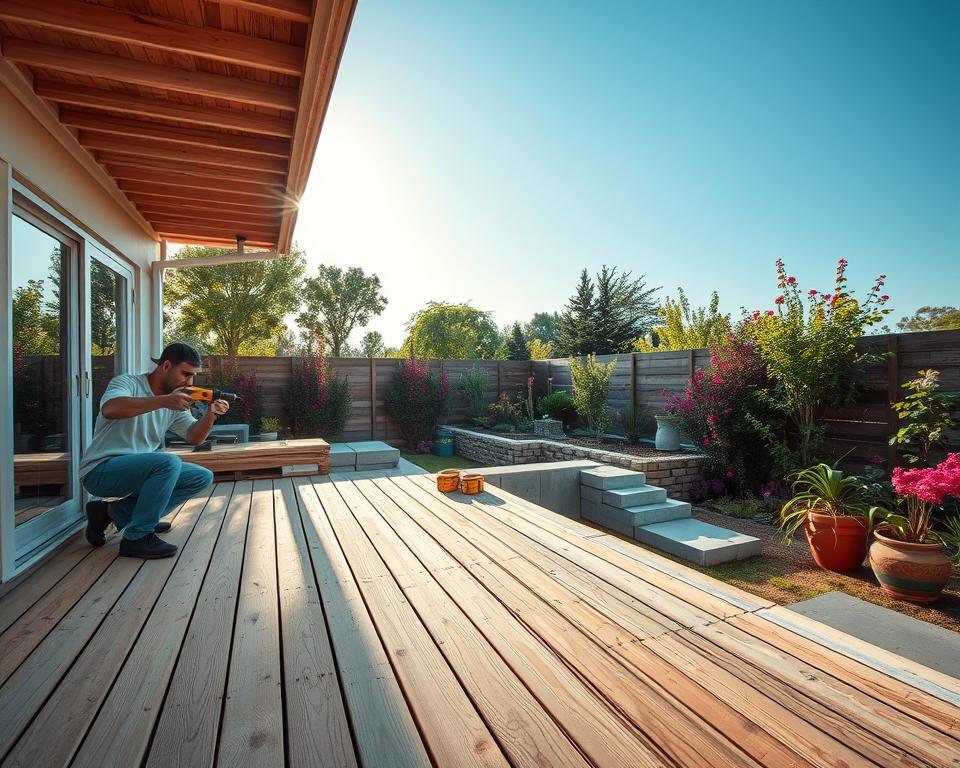
Deck construction involves building a frame and then attaching decking boards. It’s crucial to use durable, weather-resistant materials and ensure the structure is secure.
Maintenance Requirements for British Weather
Both patios and decks require maintenance to withstand the British climate. Regular cleaning and sealing can protect your outdoor flooring from weathering.
By understanding the differences between patios and decks, and following the necessary installation and maintenance steps, you can create a beautiful and durable seating area that enhances your garden’s enjoyment.
DIY Garden Seating Projects
DIY garden seating projects offer a fantastic opportunity to get creative outdoors. By taking on a DIY project, you can create unique and functional seating areas that add character to your garden.
Upcycled Pallet Furniture
One of the most popular DIY garden seating projects is upcycled pallet furniture. Old pallets can be transformed into comfortable and stylish seating areas.
Materials and Tools Needed
- Pallets
- Screws
- Hammer
- Saw
- Cushions and pillows (optional)
Assembly Instructions
- Dismantle the pallets and clean the wood.
- Cut the wood into required sizes for your seating.
- Assemble the pieces using screws.
- Add cushions and pillows for comfort.
Simple Wooden Bench Construction
Building a simple wooden bench is another great DIY project. You can use reclaimed wood or new timber to create a sturdy and attractive bench.
Creating Concrete Block Seating
Concrete block seating is a durable and low-maintenance option. You can stack concrete blocks and add a wooden top for a comfortable seating area.
Budget-Friendly Alternatives
For those on a tight budget, there are still plenty of options. Consider using old crates or logs to create unique seating areas.
| DIY Project | Cost | Skill Level |
|---|---|---|
| Upcycled Pallet Furniture | £0 – £50 | Intermediate |
| Simple Wooden Bench | £20 – £100 | Beginner |
| Concrete Block Seating | £30 – £150 | Intermediate |

By choosing a DIY garden seating project, you can create a unique and functional seating area that suits your style and budget.
Adding Comfort to Your Garden Seating
To truly enjoy your outdoor space, you need to focus on comfort in your garden seating area. Comfort is key to making your garden a welcoming retreat where you can relax and unwind.
Weather-Resistant Cushions and Textiles
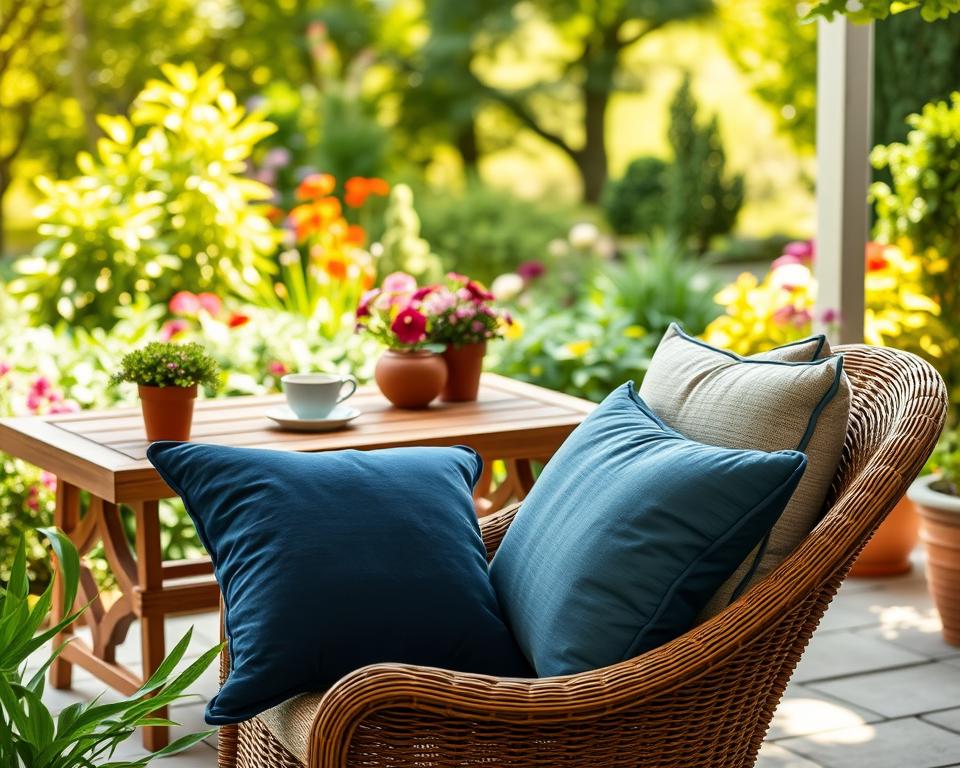
Investing in weather-resistant cushions and textiles is a great starting point. These are designed to withstand the elements while providing comfort and style. Look for materials that are waterproof, UV-resistant, and durable. “The right cushions can transform a simple bench into a cozy haven,” as noted by gardening experts.
Shade Solutions: Parasols, Pergolas and Awnings
Shade is essential for comfort, especially during the warmer months. Consider installing parasols, pergolas, or awnings to provide relief from the sun. These not only offer shade but can also add a decorative element to your garden.
Outdoor Heating Options
For those cooler evenings, outdoor heating can extend the usability of your garden seating area. There are several options to consider:
Fire Pits and Chimineas
Fire pits and chimineas provide warmth and a focal point for your garden. They come in various styles, from traditional to modern designs, and can be a cozy addition on chilly nights.
Electric and Gas Heaters
Electric and gas heaters offer a more contemporary solution for outdoor heating. They are often more compact and can be placed strategically around your seating area for maximum warmth.
By incorporating these elements, you can significantly enhance the comfort of your garden seating area, making it a haven where you can relax and enjoy the outdoors.
Enhancing Your Seating Area with Plants and Landscaping
The right plants and landscaping can turn your garden seating area into a tranquil retreat that you’ll love spending time in. By incorporating thoughtful planting and design, you can create a space that is both beautiful and functional.
Creating Privacy with Strategic Planting
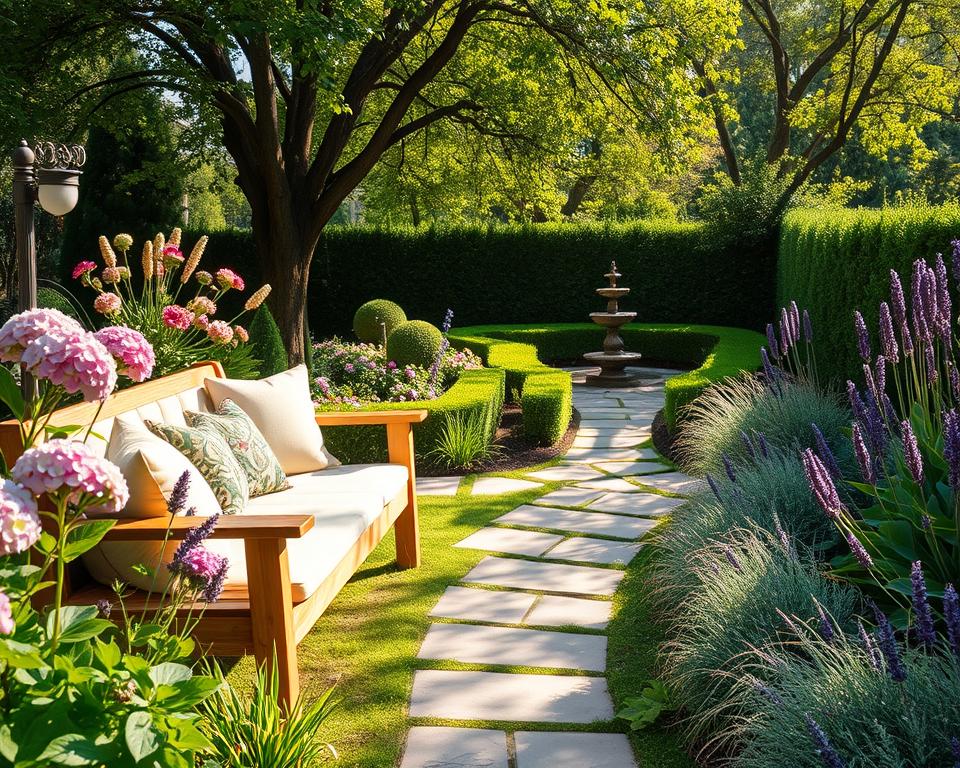
One of the key benefits of planting around your garden seating area is the ability to create privacy. By selecting the right plants and placing them strategically, you can block out unwanted views and create a sense of seclusion. Consider using tall shrubs or trees, such as Thuja or Yew, which are not only effective at creating privacy but also provide a lush, green backdrop for your seating area.
Fragrant Plants for Sensory Appeal
Incorporating fragrant plants into your garden seating area can add another layer of enjoyment. Plants like lavender, rosemary, and jasmine not only smell wonderful but also attract beneficial insects to your garden.
UK-Hardy Aromatic Plants
Some excellent UK-hardy aromatic plants include:
- Lavender (Lavandula spp.)
- Rosemary (Rosmarinus officinalis)
- Jasmine (Jasminum spp.)
- Boxwood (Buxus sempervirens)
Container Gardens for Flexible Decoration
Container gardens offer a versatile way to decorate your garden seating area. You can easily move containers around to change the layout or replace plants with different seasonal varieties. Consider using a mix of flowering plants, foliage plants, and herbs to create a visually interesting and dynamic display.
| Container Type | Suitable Plants | Maintenance Needs |
|---|---|---|
| Terracotta Pots | Herbs, succulents | Regular watering, occasional fertilization |
| Wooden Planters | Flowering plants, shrubs | Regular watering, periodic staining |
| Metal Containers | Modern succulents, grasses | Regular watering, rust protection |
Seasonal Planting for Year-Round Interest
To keep your garden seating area looking its best throughout the year, incorporate a mix of plants that provide interest across different seasons. Spring bulbs, summer flowers, autumn foliage, and winter berries can all contribute to a dynamic and engaging outdoor space.
“A garden is a love song, a duet between a human being and Mother Nature.” – Jeff Cox
By following these tips and incorporating a thoughtful mix of plants and landscaping, you can create a garden seating area that is not only beautiful but also a joy to spend time in.
Lighting Your Garden Seating Area
When it comes to creating an inviting garden seating area, lighting plays a crucial role. Proper lighting can enhance the ambiance, ensure safety, and extend the usability of your outdoor space into the evening hours.
Solar-Powered Lighting Solutions
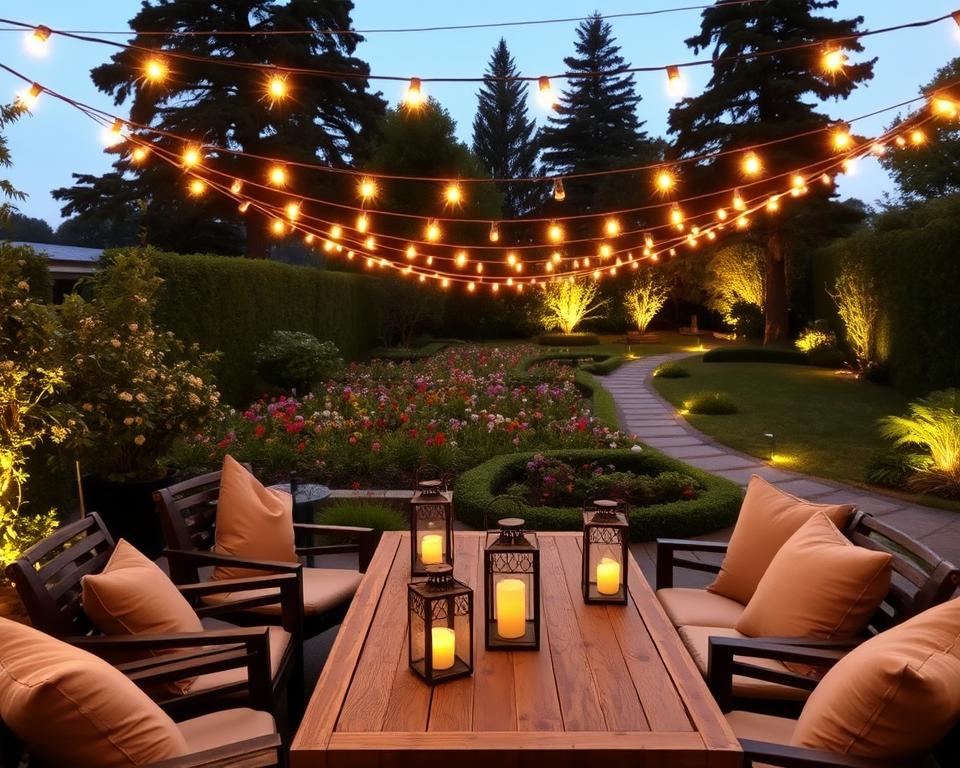
Solar-powered lights are an eco-friendly and cost-effective option for garden lighting. They harness energy from the sun during the day and provide soft, warm light in the evening. These lights are not only environmentally friendly but also easy to install, as they don’t require any wiring. You can place them along pathways, around seating areas, or within plantings to create a warm and welcoming atmosphere.
String Lights and Lanterns
String lights and lanterns add a magical touch to any garden seating area. They come in a variety of styles, from traditional to modern designs, and can be hung from trees, pergolas, or even between posts. The soft glow of these lights creates a cozy and intimate setting, perfect for evening gatherings or romantic dinners.
Integrated Lighting Systems
For a more sophisticated look, consider integrated lighting systems. These can include lights embedded in steps, walls, or even within the seating structures themselves. Integrated lighting provides a seamless and modern aesthetic, enhancing the overall design of your garden.
Safety Considerations for Outdoor Electrics
When installing outdoor lighting, it’s crucial to consider safety. Ensure that all electrical components are rated for outdoor use and are properly installed to avoid any hazards. Using solar-powered lights or low-voltage systems can significantly reduce safety risks.
Low-Maintenance Lighting Options
To minimize upkeep, opt for lighting solutions that are durable and resistant to weather conditions. LED lights, for instance, are not only energy-efficient but also have a long lifespan, reducing the need for frequent replacements.
Seasonal Adaptations for Year-Round Use
To ensure your garden seating area remains inviting throughout the year, consider implementing seasonal adaptations. This involves preparing your outdoor space for the changing weather conditions in the UK, from the cold winters to the warm summers.
Weatherproofing for British Winters
Protecting your garden furniture from harsh winter weather is crucial. Weatherproofing can be achieved through the use of furniture covers and proper storage. When selecting covers, look for durable, waterproof materials that can withstand strong winds and heavy rainfall.
Furniture Covers and Storage
Investing in high-quality furniture covers can significantly extend the lifespan of your garden furniture. For more delicate or valuable items, consider storing them in a dry, sheltered location during the winter months.
Summer Cooling Solutions
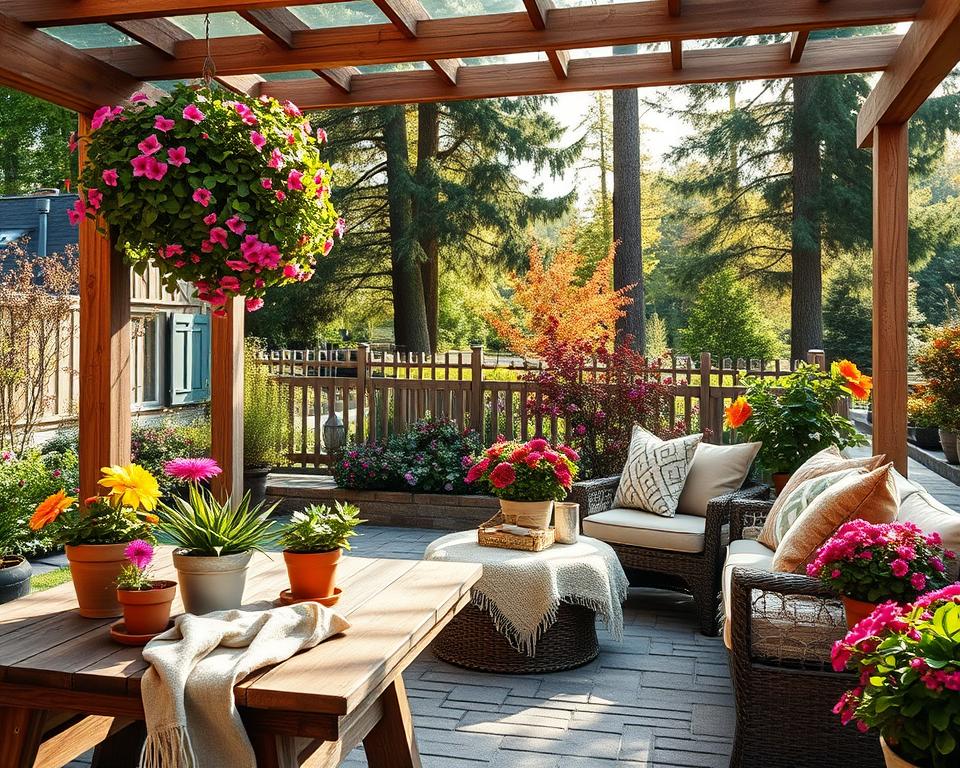
During the summer, creating a cool and shaded area can enhance your outdoor living experience. Consider using parasols, pergolas, or awnings to provide shade and reduce the temperature around your seating area.
Transitional Spring and Autumn Adjustments
In spring and autumn, your garden seating area can benefit from adjustments that reflect the changing foliage and weather. Layering textiles and adjusting your plantings can help maintain a welcoming atmosphere during these transitional seasons.
Managing Rainfall and Drainage
Effective drainage is essential for maintaining a usable garden seating area, especially during periods of heavy rainfall. Ensure that your outdoor space is designed to drain water efficiently, and consider using permeable paving to reduce runoff.
Conclusion
As we have explored throughout this article, a well-designed garden seating area is crucial for enhancing your outdoor living experience. By carefully planning the location, choosing the right seating options, and incorporating elements like lighting and landscaping, you can create a serene retreat that invites relaxation and enjoyment.
Your garden design summary should now be focused on bringing all these elements together. Consider how you can adapt the ideas and tips provided to suit your unique garden space, taking into account factors like sun exposure, privacy, and the overall aesthetic you wish to achieve.
In conclusion, a thoughtfully designed garden seating area not only elevates your outdoor living but also provides a tranquil space to unwind. By applying the insights gained, you are well on your way to creating a beautiful garden seating conclusion to your outdoor oasis, perfect for making lasting memories with family and friends.
FAQ
What are the benefits of having a dedicated seating area in my garden?
A dedicated seating area provides a space for relaxation and entertainment, enhancing the overall enjoyment of your garden.
How do I choose the perfect location for my garden seating area?
Consider factors such as sun exposure, shade, and privacy needs when selecting a location. You can also utilise existing views and focal points, and work with existing garden features.
What types of garden seating options are available?
You can choose from garden benches, outdoor sofas, built-in seating, hammocks, and swing seats, among others. Consider the space requirements for different seating types to select the most suitable option.
What materials are suitable for garden seating, and how do I maintain them?
Weather-resistant woods, metal, synthetic materials, and stone or concrete are popular choices. Regular maintenance, such as treating and maintaining wooden furniture, can help extend their lifespan.
How can I create a seating area that fits my garden style?
Consider styles such as contemporary minimalist, cottage garden, Mediterranean-inspired, or Japanese garden retreats. You can adapt these styles to your British garden by incorporating local materials and design elements.
Do I need to build a patio or deck for my seating area?
Building a patio or deck can enhance your seating area. Compare the two options and consider factors such as space, budget, and maintenance requirements when deciding.
Can I create a DIY garden seating project?
Yes, you can create a DIY garden seating project using materials such as upcycled pallets, wood, or concrete blocks. Follow assembly instructions and consider budget-friendly alternatives.
How can I add comfort to my garden seating area?
Use weather-resistant cushions and textiles, shade solutions like parasols and pergolas, and outdoor heating options such as fire pits and electric heaters to enhance comfort.
How can I enhance my seating area with plants and landscaping?
Create privacy with strategic planting, incorporate fragrant plants for sensory appeal, and use container gardens for flexible decoration. Consider seasonal planting for year-round interest.
What lighting options are suitable for my garden seating area?
Solar-powered lighting, string lights, lanterns, and integrated lighting systems can create ambiance and provide safety. Consider low-maintenance options and safety considerations for outdoor electrics.
How can I adapt my garden seating area for different seasons?
Weatherproof your seating area for British winters by using furniture covers and storage. Implement summer cooling solutions, and make transitional adjustments for spring and autumn. Manage rainfall and drainage to ensure year-round usability.