Maximise Space: Advantages of a Flat Roof Garden Shed
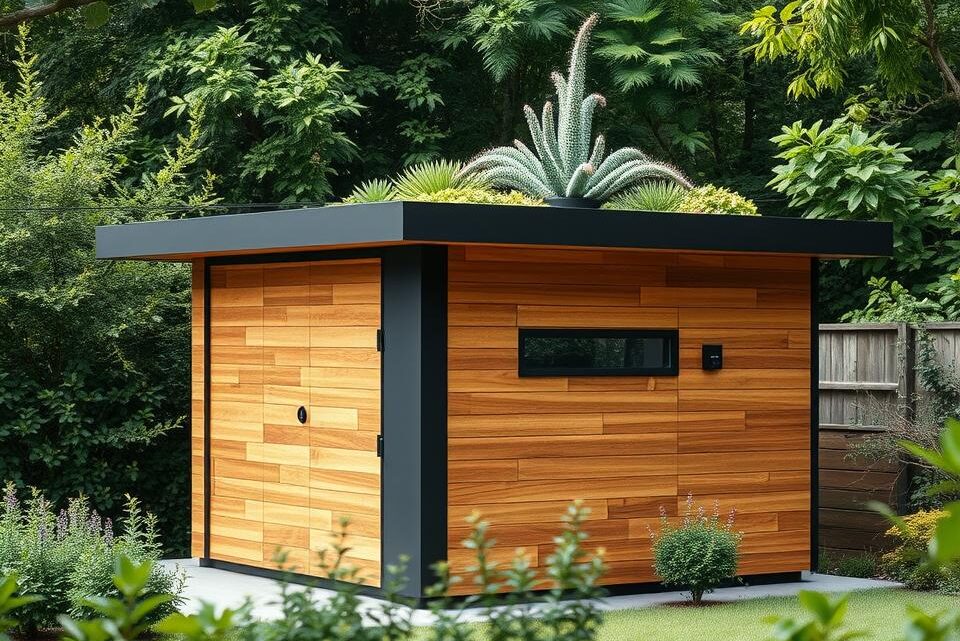
Contemporary design for outdoor structures has seen a significant shift in the United Kingdom. Homeowners are increasingly drawn to modern solutions that blend aesthetics with practicality. The traditional pitched roof is no longer the only option for garden buildings.
Innovations in construction materials have revolutionised what is possible. Modern flat roofs now offer superior performance compared to their historical counterparts. Concerns about water resistance and durability have been effectively addressed.
This has led to a renaissance for this specific roof style. It is now a popular choice for both residential and commercial applications. The sleek profile creates a sophisticated look for any outdoor space.
This guide explores the compelling reasons behind this trend. We will examine how these structures maximise usable area, both inside and out. The analysis covers design elements, material options, and practical considerations for UK gardens.
Our focus is on providing factual, evidence-based information. This helps you make an informed decision about your garden storage investment. Discover a solution that combines contemporary style with functional benefits.
Inhaltsverzeichnis
Key Takeaways
- Modern materials have transformed the performance and durability of flat roofs.
- This design offers a sleek, contemporary aesthetic for garden spaces.
- Historical concerns about water resistance have been largely overcome.
- These structures are experiencing a surge in popularity across the UK.
- They represent a practical blend of style and functionality for outdoor storage.
Introduction to Flat Roof Garden Sheds
UK property owners are discovering innovative approaches to maximising their garden potential. Historically, horizontal roofing systems faced scepticism due to drainage issues during heavy rainfall. Modern engineering has revolutionised these structures with advanced waterproofing solutions.
Setting the Scene for Modern Outdoor Storage
Contemporary construction materials have transformed the durability of these storage units. EPDM rubber and reinforced membranes now provide exceptional weather resistance. This technological progress addresses previous concerns about longevity.
British weather patterns demand robust solutions for garden buildings. The improved performance makes these options particularly suitable for UK conditions. Homeowners benefit from reliable protection against frequent precipitation.
Embracing Contemporary Garden Design
Minimalist aesthetics are reshaping how we view outdoor spaces. Clean lines and geometric forms create visual harmony with modern landscapes. This design philosophy complements contemporary architectural preferences.
“The shift towards horizontal roofing reflects a broader movement towards simplicity and functionality in garden architecture.”
The table below illustrates key improvements in modern flat roof technology:
| Traditional Concerns | Modern Solutions | Impact on Performance |
|---|---|---|
| Water pooling issues | Integrated drainage systems | Superior water resistance |
| Limited material durability | Advanced synthetic membranes | Extended lifespan |
| Complex maintenance requirements | Low-maintenance surfaces | Reduced upkeep costs |
This evolution represents a significant advancement in garden storage solutions. The combination of practical benefits and aesthetic appeal makes these structures increasingly popular.
Overview of Flat Roof Design and Construction
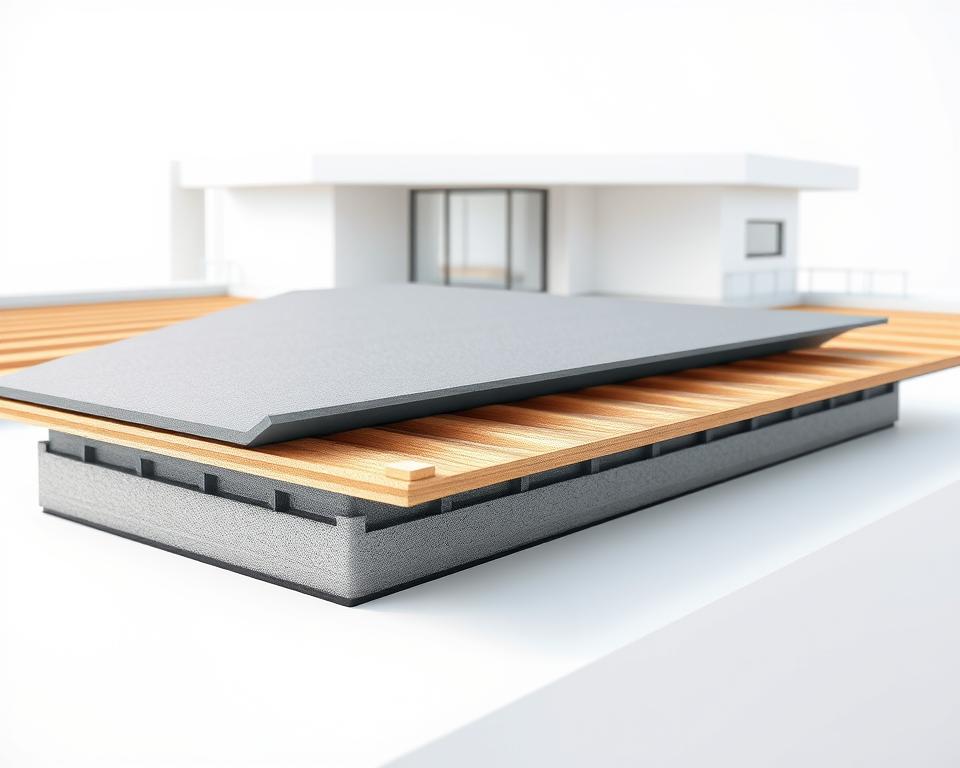
A common misconception is that these structures feature a perfectly horizontal top. In reality, a successful design incorporates a slight slope. This subtle angle is fundamental to its performance.
The primary purpose of this incline is to guide rainwater towards a designated outlet. Even a minimal pitch of between 1 and 15 degrees prevents water from pooling on the surface. This is a critical defence against leaks and structural damage over time.
The Subtle Pitch and Its Importance
This carefully calculated slope is the first line of defence against the UK’s frequent rainfall. Without it, standing water would place undue stress on the roofing materials. It ensures that moisture is efficiently channelled away, preserving the integrity of the entire building.
The construction must be precise to maintain this effective gradient. Any deviation can compromise the system’s ability to manage water effectively.
Key Building Materials and Waterproofing Techniques
The foundation of the system is a robust timber deck. Industry standards specify the use of tongue-and-groove planks for superior strength. These interlocking boards create a solid, stable base.
A minimum finished thickness of 12mm is required for this decking material. This provides the necessary support for the final, crucial layer: the waterproof membrane.
This high-performance membrane is applied over the timber to create a seamless barrier. It protects the underlying construction from moisture penetration. The combination of a strong deck and advanced waterproofing ensures long-term durability.
Advantages of a Flat Roof Garden Shed
The functional superiority of horizontal roofing systems extends beyond mere aesthetics. These structures offer tangible benefits that address common garden storage challenges. Homeowners gain practical solutions through intelligent design.
Maximising Internal and External Space
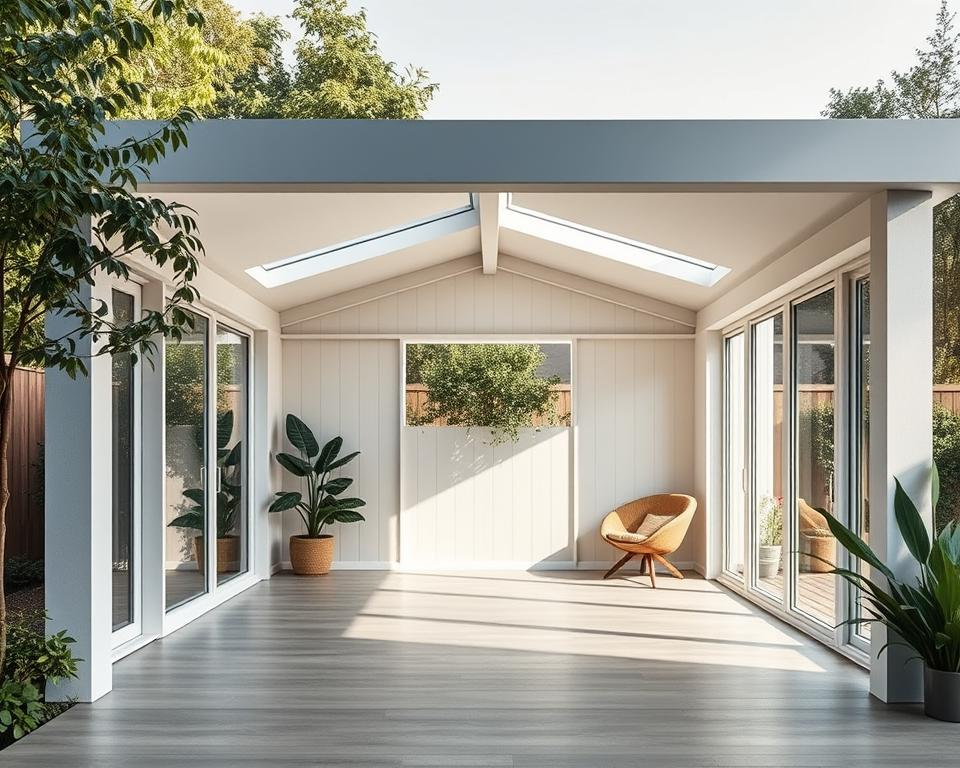
Uniform ceiling height throughout the interior creates exceptional storage capacity. Unlike pitched alternatives with sloped ceilings, every inch becomes usable. This efficient use of space is particularly valuable in compact gardens.
The stable surface above presents additional functional opportunities. Property owners can create rooftop gardens or install solar panels. This dual-level utility transforms a simple storage unit into a multi-purpose asset.
Simplified Construction and Cost Savings
The building process requires fewer complex angles and specialised materials. This straightforward approach reduces labour time and material expenses. Projects often achieve completion within a single weekend.
Accessibility for maintenance tasks improves significantly with the horizontal surface. Routine inspections and cleaning become safer and more convenient. The combination of efficiency and practicality delivers excellent value.
| Feature | Traditional Pitched Roof | Modern Flat Roof |
|---|---|---|
| Internal Space Utilisation | Limited by sloped ceilings | Full-height throughout |
| Construction Complexity | Higher (multiple angles) | Lower (simpler design) |
| Project Completion Time | Typically longer | Often weekend-ready |
| Additional Surface Potential | Minimal practical use | Rooftop gardens/solar panels |
Pros of Choosing a Flat Roof for Your Garden Shed
When selecting garden storage, many UK residents find the construction simplicity of this option particularly compelling. The practical benefits extend well beyond initial installation.
Easy Installation and Maintenance
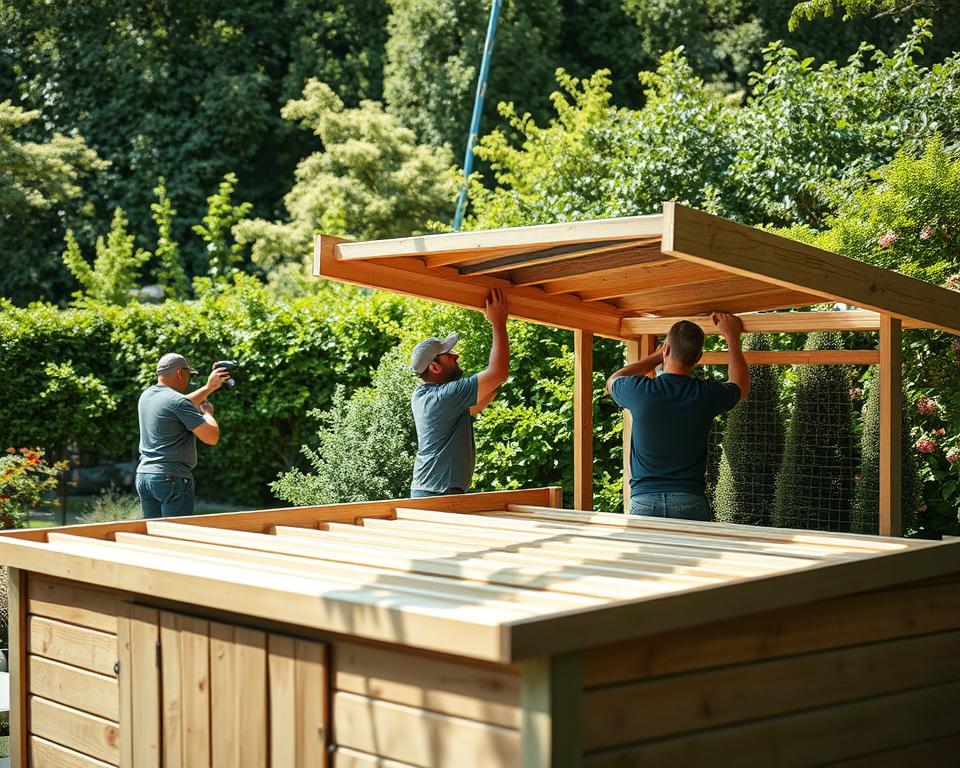
The straightforward design significantly reduces construction time. DIY enthusiasts appreciate the manageable weekend project timeline.
Regular upkeep becomes remarkably simple with this accessible surface. Homeowners can safely perform routine inspections and clear debris without specialised equipment.
Modern Aesthetic and Versatility
This contemporary style complements minimalist garden designs beautifully. The clean lines create visual harmony with modern outdoor spaces.
The functional surface offers additional utility beyond basic storage. Property owners can utilise the stable top for various purposes.
| Benefit Category | Traditional Pitched Design | Modern Flat Option | Practical Impact |
|---|---|---|---|
| Installation Complexity | Higher skill requirement | DIY-friendly approach | Reduced labour costs |
| Maintenance Accessibility | Challenging steep angles | Safe, easy access | Simplified upkeep |
| Design Flexibility | Limited style options | Contemporary appeal | Enhanced garden integration |
| Additional Surface Use | Minimal practical value | Multi-functional potential | Increased property value |
These buildings represent a smart investment for practical homeowners. The combination of affordability and modern design makes them increasingly popular.
Cons and Considerations for Flat Roof Sheds
A balanced assessment of any garden building must include understanding its potential drawbacks alongside its strengths. While the modern aesthetic appeals to many homeowners, certain functional aspects require careful consideration.
Drainage Challenges and Water Pooling Risks
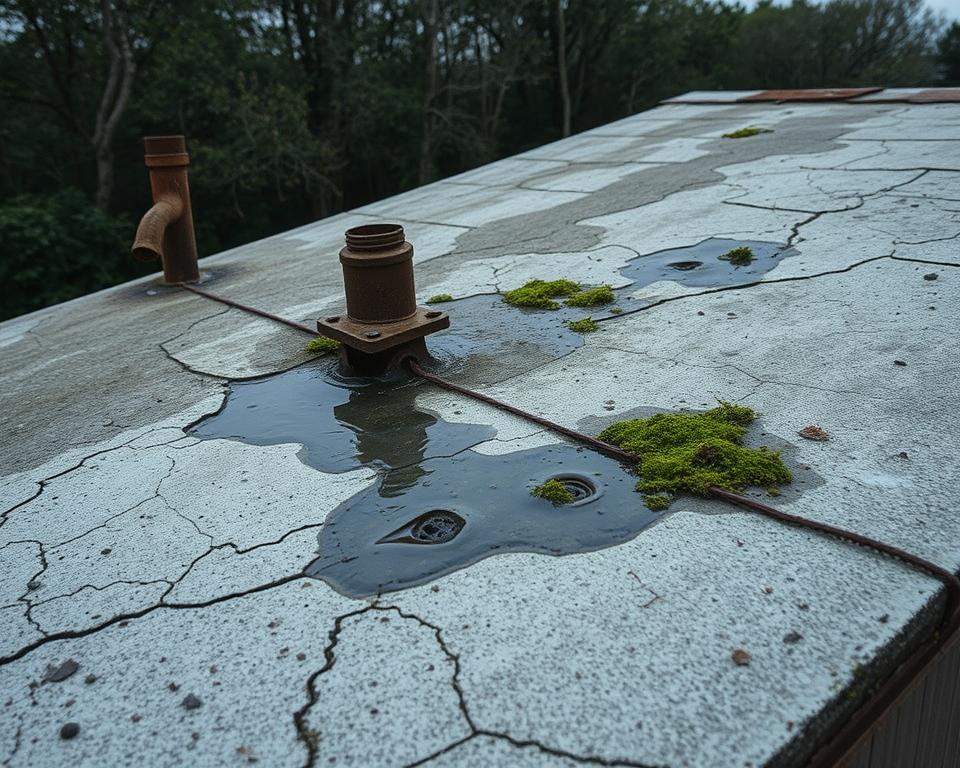
The primary concern with horizontal surfaces involves water management. Despite the subtle pitch designed into quality constructions, drainage efficiency remains lower than pitched alternatives.
During heavy UK rainfall, water can accumulate rather than run off quickly. This pooling creates pressure on waterproof membranes and increases leakage risks. Blocked outlets exacerbate these drainage problems significantly.
Temperature Fluctuations and Insulation Needs
Horizontal surfaces absorb sunlight throughout the day without natural shading. This direct exposure leads to noticeable temperature variations inside the storage space.
Summer heat can make interiors uncomfortably warm, while winter cold penetrates more easily. Proper insulation becomes essential to mitigate these thermal cons.
Regular maintenance helps address these potential issues before they cause serious damage. With proactive care, most concerns about flat roof performance can be effectively managed.
Comparing Flat Roofs with Traditional Pitched Roofs
Selecting the right roof style for your garden storage involves a fundamental comparison between two primary designs. Each option presents distinct characteristics affecting performance and practicality.
Understanding these differences is crucial for making an informed choice that suits your specific needs and local conditions.
Weather Resistance and Drainage Efficiency
Sloped designs possess a natural advantage in managing precipitation. Their steep angles efficiently deflect rain, snow, and hail, preventing accumulation.
This inherent capability offers superior drainage performance during heavy UK weather. Water runs off quickly, reducing the risk of leaks.
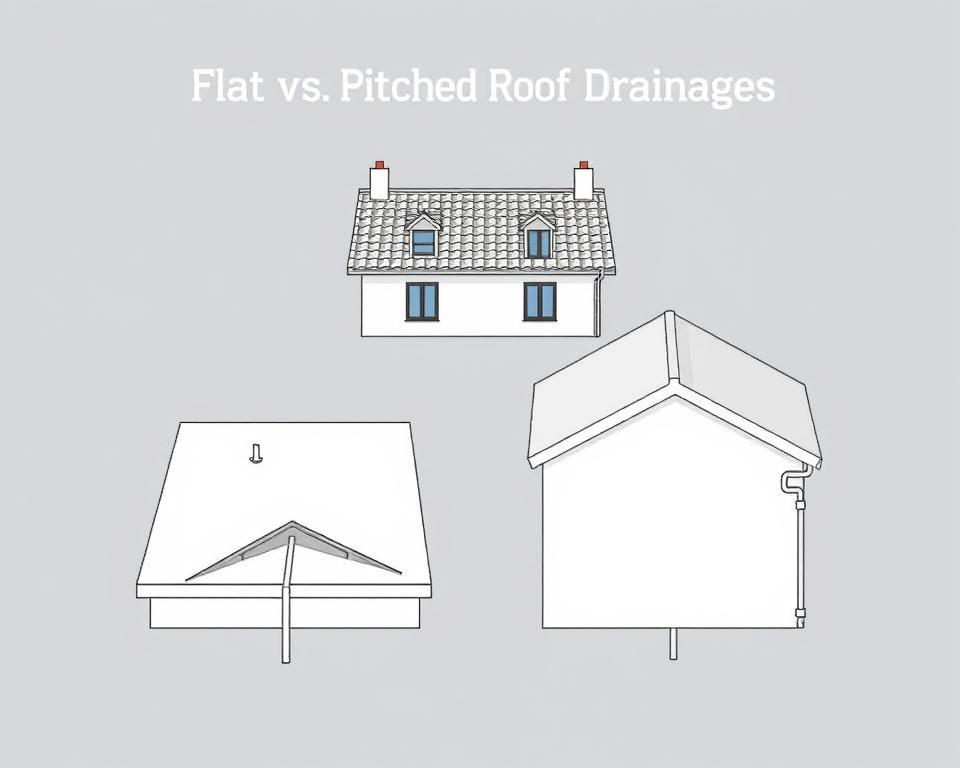
In contrast, a flat roof relies on a subtle, engineered slope for water runoff. While modern materials have narrowed the gap, pitched roofs traditionally excel in this area.
Interior Space and Headroom Differences
The internal layout presents a clear trade-off. A pitched roof creates a peaked centre, offering generous vertical room for standing.
However, this comes with unusable triangular spaces near the eaves. The storage volume can be less efficient despite the higher peak.
A horizontal design provides consistent ceiling height from wall to wall. This configuration eliminates wasted space, potentially offering more usable cubic footage for storing garden items.
| Feature | Pitched Roof Design | Flat Roof Design |
|---|---|---|
| Primary Weather Strength | Superior natural runoff for rain/snow | Dependent on membrane quality and slope |
| Internal Headroom Profile | High centre point, sloped sides | Uniform height throughout |
| Usable Storage Volume | Can be limited by angled ceilings | Maximised with full-height walls |
| Suitability for UK Climate | Excellent for high rainfall | Good with modern waterproofing systems |
Ultimately, the choice depends on prioritising peak weather protection versus maximised, consistent interior space.
Material Options and Their Impact on Durability
The longevity of your garden building is fundamentally determined by the quality of its protective covering. Choosing the right roofing material is a critical decision that affects performance, maintenance, and overall value over many years.
Different materials offer varying levels of durability and resistance to the British climate. Your selection balances initial investment against long-term reliability.
EPDM Rubber and Modern Roofing Solutions
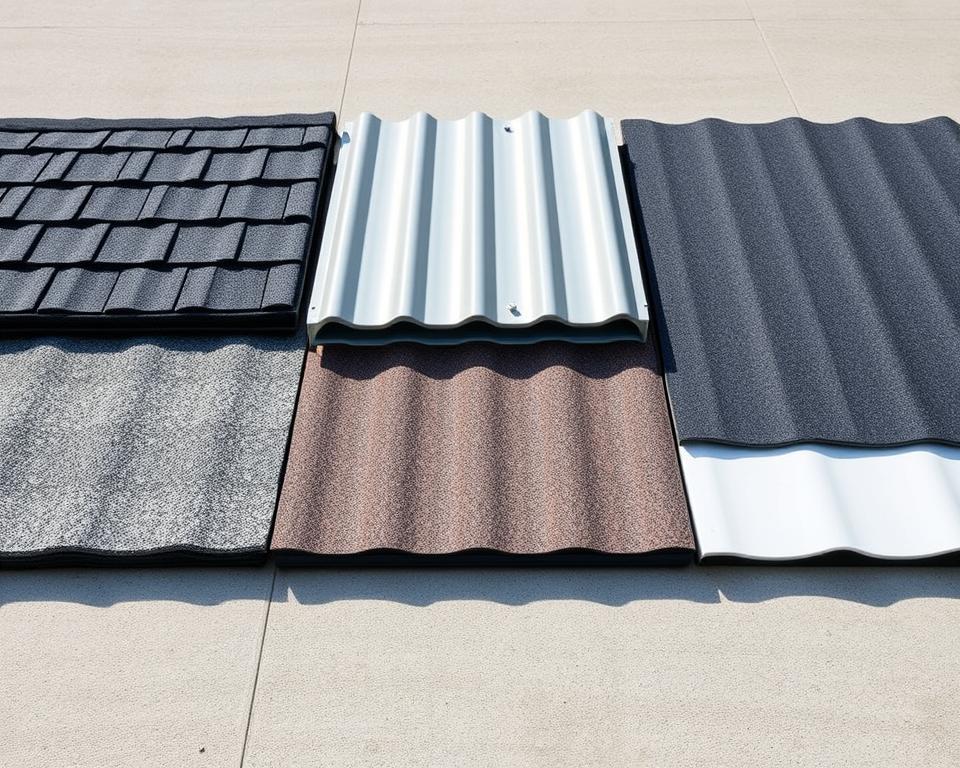
EPDM rubber represents the premium choice for contemporary installations. This synthetic membrane, made from ethylene propylene diene monomer, is exceptionally tough.
It provides outstanding waterproofing and is resistant to fire and wind. A properly installed EPDM roofing system can remain fully intact for up to 50 years, making it a superb long-term investment.
Traditional Felt versus Contemporary Alternatives
Traditional roofing felt is a more budget-conscious material. However, its typical lifespan is considerably shorter, usually between 10 and 15 years before replacement is needed.
For adequate performance, industry standards recommend felt weighing at least 40kg. Several intermediate materials bridge the gap between cost and performance.
These include polyurethane liquid membranes, GRP fibreglass, and polycarbonate systems. Each offers a different balance of durability and initial expense.
| Material Type | Typical Lifespan | Key Characteristics |
|---|---|---|
| EPDM Rubber | Up to 50 years | Superior waterproofing, fire-resistant, long-lasting |
| Reinforced Felt | 10-15 years | Cost-effective, requires heavier grade for performance |
| GRP Fibreglass | 25-30 years | Seamless finish, high strength-to-weight ratio |
While premium roofing materials cost more initially, their extended lifespan and reduced maintenance often provide better value over the building’s lifetime. The right choice depends on your budget and how long you expect the structure to last.
Maintenance, Repairs and Long-Term Investment
The true value of any outdoor structure becomes apparent through its long-term performance and durability. A systematic maintenance approach ensures your investment delivers reliable service for many years.
Routine Inspections and Debris Clearance
Industry standards recommend inspecting your roof twice annually. Spring and autumn checks allow you to address concerns before extreme weather arrives.
Debris clearance represents a critical maintenance task. Leaves and dirt can block drainage systems, leading to water pooling. This increases the risk of leaks developing over time.

After severe weather, promptly check for signs of compromise. Even premium roofing materials can sustain damage from sharp objects or falling branches. Quick identification prevents minor issues from becoming major repairs.
Proactive Care for Longevity
Proactive maintenance significantly reduces long-term costs. Regular attention ensures decades of reliable performance and protects your initial investment.
The true investment value considers both installation and ongoing maintenance cost. Proper care extends the structure’s lifespan, making it a wise financial decision for UK homeowners.
Design Versatility for UK Outdoor Spaces
The true potential of a garden building lies not just in its primary function, but in the creative opportunities its form presents. This is where the horizontal plane truly excels, offering a stable platform for expansion.
It effectively creates an extra level, adding valuable square metres to your property. This is a significant benefit for urban homes with limited ground-level area.
Creating Rooftop Gardens and Additional Living Areas
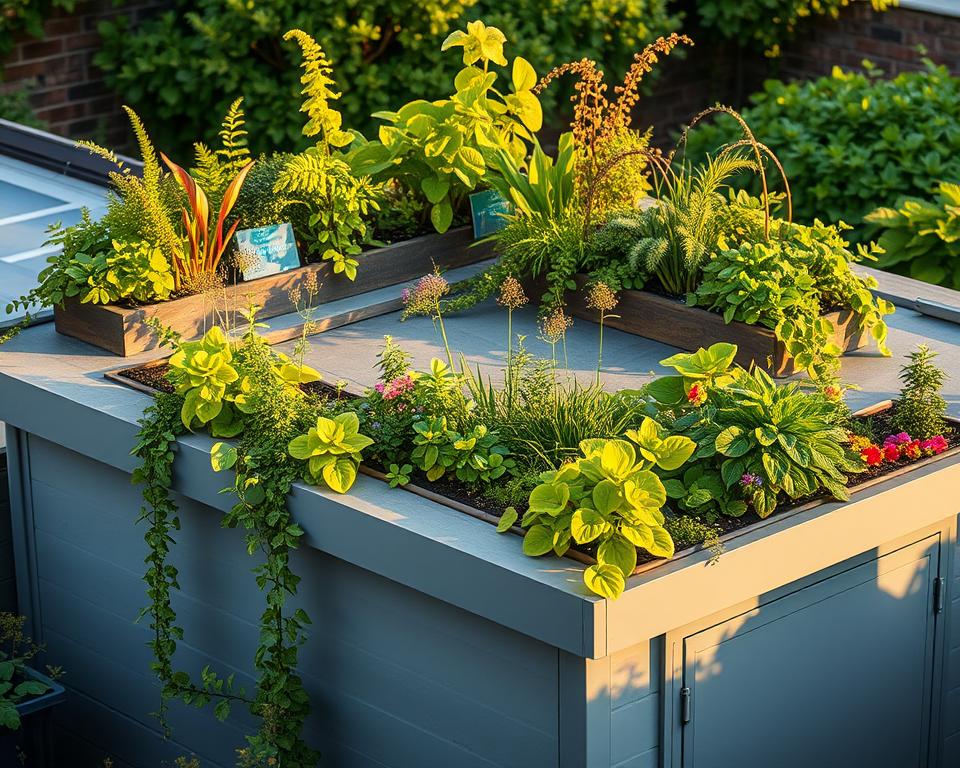
A sturdy horizontal surface opens up a world of possibilities beyond basic storage. You can establish a vibrant rooftop garden or a secluded seating area.
This transforms a functional shed into an attractive feature that integrates with your landscape. It provides extra room for relaxation or entertaining guests.
Green roof systems represent a particularly sophisticated option. A layer of vegetation offers natural insulation and improves local air quality.
“Utilising the fifth facade turns a simple storage solution into a multi-purpose asset, maximising the utility of every square metre.”
The table below illustrates common uses for this additional space:
| Rooftop Application | Primary Benefit | Suitability for UK Climate |
|---|---|---|
| Extensive Green Roof | Environmental enhancement, rainwater management | Excellent with drought-resistant plants |
| Entertainment Zone | Additional outdoor living area | Good, requires weather-resistant furniture |
| Solar Panel Installation | Energy generation for the home | Ideal, south-facing roofs are most effective |
This design versatility makes these structures an intelligent choice for maximising your outdoor space. They provide practical storage while enhancing your garden’s overall appeal and functionality.
Making an Informed Decision for Your Garden Shed
The selection process for your outdoor building involves navigating a complex landscape of trade-offs. A systematic approach helps homeowners evaluate competing priorities effectively.
Balancing Budget, Functionality and Aesthetics
Begin by honestly assessing what matters most for your specific circumstances. Consider whether initial installation cost or long-term durability ranks higher in your priorities.
Each roof type presents distinct pros and cons regarding interior space and weather protection. Modern styles offer contemporary appeal but require careful evaluation against practical needs.
Assessing Long-Term Value and Investment
The true cost extends beyond the initial purchase price. Factor in maintenance requirements and potential repairs over the structure’s lifespan.
Consulting reputable suppliers provides valuable insights into real-world performance. This research helps homeowners make an informed choice that balances immediate budget with lifetime value.
Your final decision should reflect both current needs and future garden plans. The right option delivers optimal value for years to come.
Conclusion
With comprehensive information now available, homeowners can confidently select the ideal storage solution for their unique circumstances. This guide has explored the key factors influencing your final choice.
The pros of modern flat roof buildings include cost-effective installation and maximised interior space. However, proper attention to drainage and weather resistance remains essential. Modern materials like EPDM have significantly improved performance against UK rain and snow.
Your decision ultimately balances practical needs with aesthetic preferences. Consider your available space, budget, and long-term requirements. Quality construction ensures lasting durability for your garden investment.
This storage type represents a smart solution for contemporary outdoor living. It combines functional benefits with sleek design appeal for today’s UK homes.
FAQ
What are the primary benefits of a flat roof garden shed?
The main benefits include maximising usable space, both inside for storage and on top for a potential rooftop garden. This design often leads to simpler construction and cost savings compared to traditional pitched roofs, offering a modern aesthetic for contemporary gardens.
Do flat roofs on sheds have drainage issues?
While they have a very low pitch, a well-constructed flat roof is designed with a slight gradient to encourage water run-off. Proper installation of materials like EPDM rubber membrane is crucial to prevent water pooling and potential leaks over time.
How does a flat roof compare to a pitched roof for weather resistance?
Pitched roofs generally shed rain and snow more efficiently. However, modern flat roofing materials provide excellent durability and weatherproofing. The key difference lies in drainage efficiency, with pitched roofs having a natural advantage in heavy rainfall.
What maintenance does a flat roof shed require?
Routine maintenance is essential. This involves clearing debris like leaves from the surface to prevent blockages and inspecting the roofing material for signs of wear or damage. Proactive care, such as checking seals, significantly extends the shed’s lifespan.
Are flat roof sheds suitable for creating a rooftop garden?
Absolutely. The flat surface is ideal for creating a green roof or an additional outdoor living area. It is vital to ensure the structure can support the extra weight and that waterproofing is robust to protect the building beneath.
What materials are best for a flat roof garden shed?
A> EPDM rubber is a highly durable, modern option known for its longevity and resistance to temperature changes. While traditional felt is a cost-effective choice, it typically requires more frequent replacement. The best material depends on your budget and desired durability.
Is a flat roof shed a good long-term investment?
Yes, when constructed with quality materials and properly maintained, a flat roof shed offers excellent long-term value. Its versatility, space-maximising design, and modern appeal can enhance your outdoor space for many years.