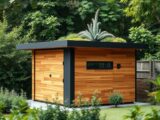
Pad Foundation for a Garden Shed: Step-by-Step Instructions
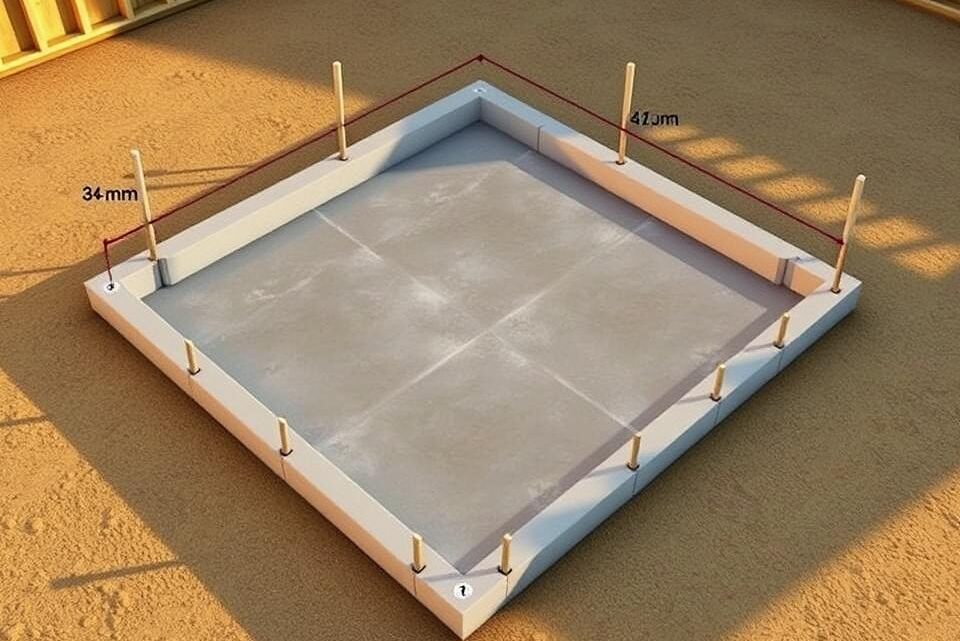
Constructing a sturdy outdoor storage structure begins with one crucial element: a solid base. A properly built base ensures your investment remains level, secure, and protected from the damp British weather for many years. This comprehensive guide delivers professional instructions to help you achieve just that.
We will explore the entire process, from initial planning to the final construction phase. Understanding the importance of this preparatory work is critical, as even the strongest buildings can fail without adequate ground support. The correct base distributes weight evenly and prevents moisture-related damage.
This resource covers various options suitable for different UK garden conditions, including concrete, gravel, and timber solutions. Whether you are an experienced DIY enthusiast or considering professional installation, the information here will empower you to make informed decisions for your project.
Inhaltsverzeichnis
Key Takeaways
- A robust base is essential for the stability and longevity of your outdoor building.
- The correct foundation choice prevents issues like sinking, rot, and structural damage.
- This guide offers a detailed, step-by-step approach to the construction process.
- Several material options are available, each with specific advantages for different settings.
- Proper preparation ensures your structure remains functional and attractive over its lifespan.
- Following these instructions helps protect your investment against common problems.
Introduction to Shed Foundations
A well-constructed support platform is essential for protecting your investment against common structural issues. The interface between your outdoor structure and the ground requires careful planning to ensure long-term stability.
Why a Stable Base Matters
The success of your outdoor building depends heavily on its underlying support system. A robust foundation prevents uneven settling and structural shifting that can lead to significant damage over time.
Moisture protection represents one of the primary benefits of a quality base. Rising damp from the ground can cause wood rot and mould growth, compromising the entire structure’s integrity.
Overview of Common Foundation Types
Several foundation options exist, each suited to different requirements. On-grade solutions include concrete blocks and timber frames, while frost-proof methods involve concrete piers and poured slabs.
Each foundation type offers distinct advantages based on your specific circumstances. Factors like local climate, soil composition, and intended use influence the optimal choice for your project.
Understanding these various options helps you select the most appropriate support system. This ensures optimal performance while avoiding costly mistakes during construction.
Benefits of a Strong Shed Foundation
Investing in a robust support system for your outdoor building yields significant advantages that protect your investment over the long term. A properly constructed base is not merely a preliminary step; it is a critical component that defines the performance and lifespan of the entire structure.
Ensuring Longevity and Stability
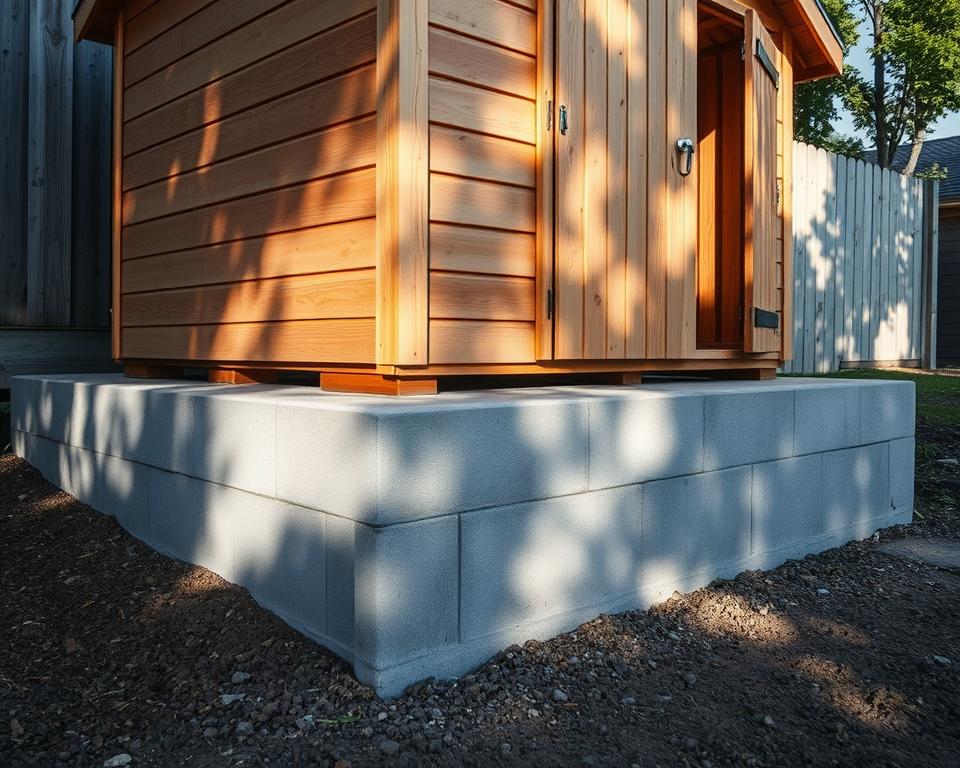
A solid base dramatically extends the life of your building. It creates a vital barrier against ground moisture, which prevents wood rot and preserves structural integrity over time. This protection is essential for maintaining a dry, secure environment inside.
Stability is another key benefit. A level foundation ensures doors and windows operate smoothly. It also keeps walls straight and the roof geometry correct, preventing sagging or twisting. This stability is crucial when storing heavy items or during extreme weather.
Effective water management is inherently linked to a quality base. By elevating the structure, it directs moisture away, significantly reducing the risk of damp-related damage. This simple elevation makes a substantial difference.
For those with experience, the value of a good foundation is clear. The initial time and resource investment prevents costly future repairs. A stable, level surface also enhances functionality, providing a perfect platform for shelving and workbenches.
Furthermore, a well-built base acts as a deterrent against pests like rodents and insects. It also ensures your building sits attractively within your garden, contributing to the overall aesthetic appeal of your outdoor space.
Essential Guide: Pad Foundation for a Garden Shed
Proper ground preparation forms the cornerstone of any durable outdoor structure installation. This method creates a stable interface between your building and the natural terrain.

The support platform typically extends 18-24 inches beyond the building’s dimensions. This additional perimeter ensures proper load distribution and water management.
Key Considerations Specific to Pad Foundations
Several critical factors influence your choice of materials and construction approach. Soil composition and drainage patterns require careful assessment before beginning work.
Concrete options offer maximum durability for heavier structures. Gravel alternatives provide excellent drainage characteristics while remaining more affordable.
The intended use and weight load determine the necessary depth. Smaller buildings typically require 4-6 inches, while larger ones may need deeper support.
Accessibility requirements must also be considered during planning. Ensure the entrance remains functional and the height integrates well with surrounding garden levels.
Choosing the Right Foundation Type
Determining the most suitable underpinning solution demands thorough assessment of your specific requirements. Several factors influence this critical decision, including local climate conditions and intended usage patterns.
On-Grade vs Frost-Proof Options
On-grade foundations sit directly on the ground surface. They offer quick installation without deep excavation. This type works well for smaller structures and temporary installations.
Frost-proof alternatives extend below the frost line. They provide superior stability in colder regions. This approach prevents ground heave during freezing conditions.
Comparing Concrete, Timber and Plastic Bases
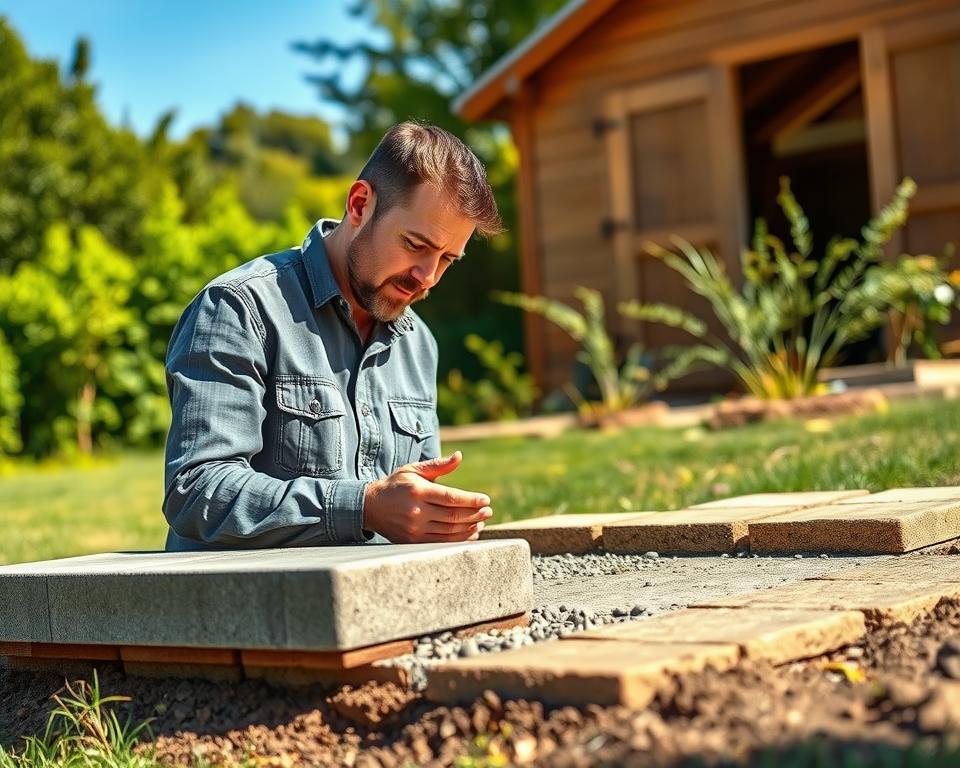
Concrete delivers maximum durability for heavy-duty applications. It offers exceptional load-bearing capacity and long-term stability. This material suits workshops and larger storage buildings.
Timber frames provide a cost-effective middle ground. They require pressure-treated wood to resist moisture damage. Regular maintenance ensures their continued performance.
Modern plastic systems feature adjustable components. They simplify the levelling process during installation. These bases work best with lighter structures on flat terrain.
Each material presents distinct advantages regarding installation complexity and maintenance needs. Your final selection should align with both immediate requirements and long-term expectations.
Step-by-Step Pad Foundation Construction
Physical construction begins with precise site preparation and excavation work. This phase transforms planning into tangible progress.
Planning, Digging and Excavation
The initial construction steps involve careful measurement and marking. Use stakes and string to outline the exact area where your structure will stand.
Clear all vegetation and debris from the marked space. Excavation requires removing soil to the specified depth. This typically measures 100mm for concrete or 4-6 inches for gravel alternatives.
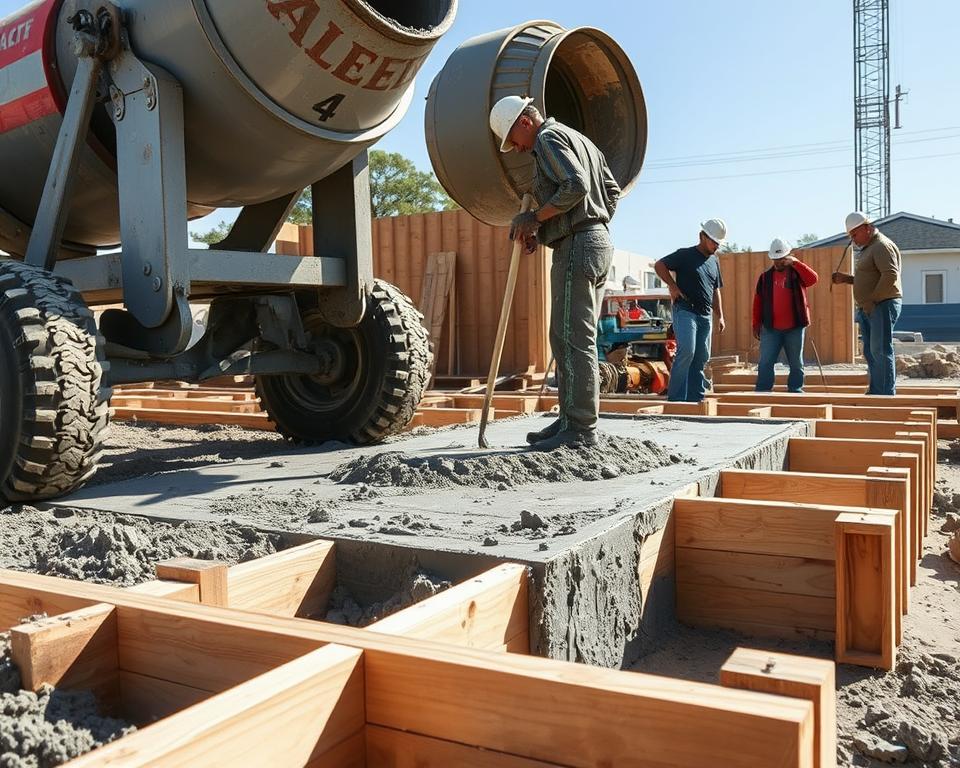
Pouring Concrete and Forming the Base
When pouring concrete, install formwork first. This wooden framework contains the wet mixture during curing. Add crushed stone as a drainage sub-base.
Work quickly when pouring concrete across the prepared area. Use a screed board to level the surface immediately. Create a slight slope away from buildings for water runoff.
“Quality in construction comes from attention to detail at every stage, especially during material placement and curing.”
| Construction Phase | Concrete Base | Gravel Base |
|---|---|---|
| Excavation Depth | 100mm minimum | 4-6 inches minimum |
| Preparation Time | 24-48 hours drying | Immediate use possible |
| Drainage Features | Built-in slope required | Natural permeability |
Make sure to protect fresh concrete from extreme weather. Allow proper curing time before proceeding with your project. Regular checks ensure accuracy throughout these critical steps.
Preparing the Ground and Ensuring Levelness
Ground levelling and compaction form the essential groundwork for any successful outdoor structure installation. This phase transforms uneven terrain into a stable platform capable of supporting your building for years to come.
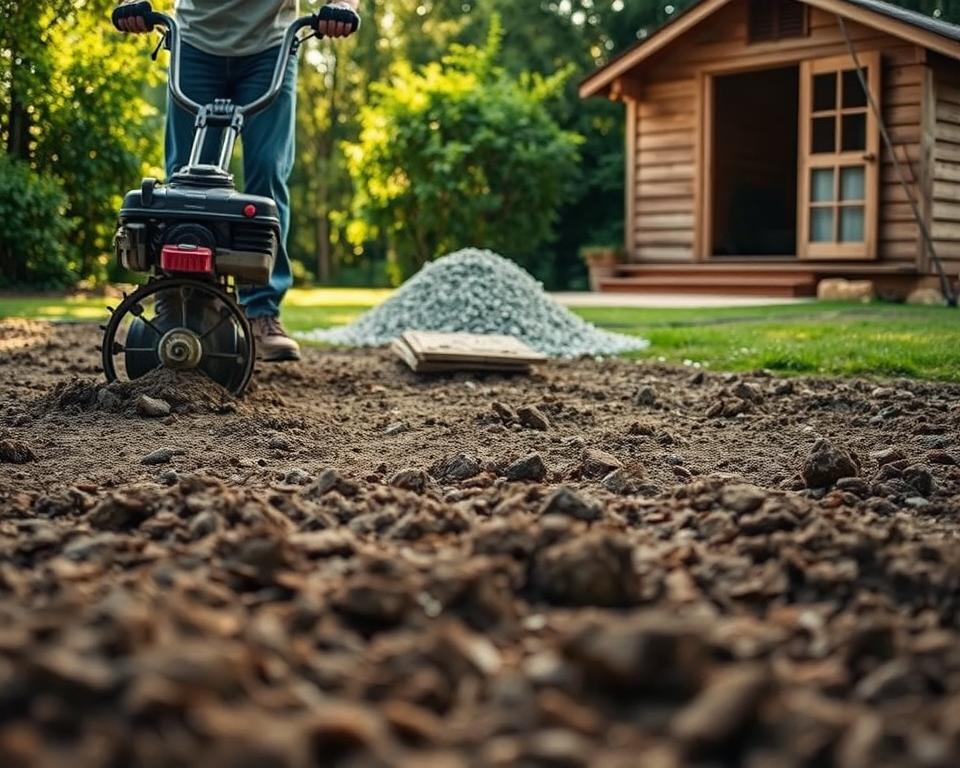
Site Clearance and Soil Compaction
Begin by clearing the entire work area of vegetation, rocks, and debris. Remove all organic material that could decompose and cause settling over time. This creates a clean canvas for subsequent work.
Assess your soil condition before proceeding. Undisturbed ground offers superior stability compared to recently filled areas. Use string lines and spirit levels to identify high and low spots across the area.
Systematic compaction eliminates air pockets that lead to future settling. Work in overlapping passes until the soil shows minimal movement. This process creates the solid base your structure requires.
Drainage and Moisture Control
Proper water management prevents moisture accumulation around your building. Ensure the finished ground slopes away from the site naturally. This directs water toward appropriate drainage points.
Make sure to address any potential pooling areas during preparation. Consider installing gravel channels if natural drainage proves insufficient. Allow compacted soil adequate time to stabilise before construction.
| Preparation Method | Recommended Tools | Time Investment |
|---|---|---|
| Minor Levelling | Shovel, rake, manual tamper | 1-2 days |
| Major Terrain Adjustment | Mechanical compactor, laser level | 3-5 days |
| Drainage Installation | Gravel, drainage pipes | Additional 1-2 days |
Make sure each preparation stage achieves the required level standard. Rushing this critical phase often leads to structural issues later. The time invested here directly correlates with your building’s longevity.
Frost-Proof Foundations for Colder UK Climates
In regions experiencing seasonal ground freezing, a specialised approach to base construction becomes necessary. These permanent systems extend below the frost line to prevent frost heave, which can lift and damage inadequate supports.
This method provides superior weight-bearing capacity compared to on-grade alternatives. It is typically required for structures exceeding 200 square feet or 12 feet in height under UK building regulations.
Installing Concrete Piers
Concrete pier foundations involve excavating cylindrical holes below the frost line, typically 450-600mm deep. Fibre-form tubes help extend piers above ground level when needed.
Precise spacing is crucial, with supports typically placed every 1.8-2.4 metres. Install galvanised metal connectors before the concrete sets to secure the floor frame properly.
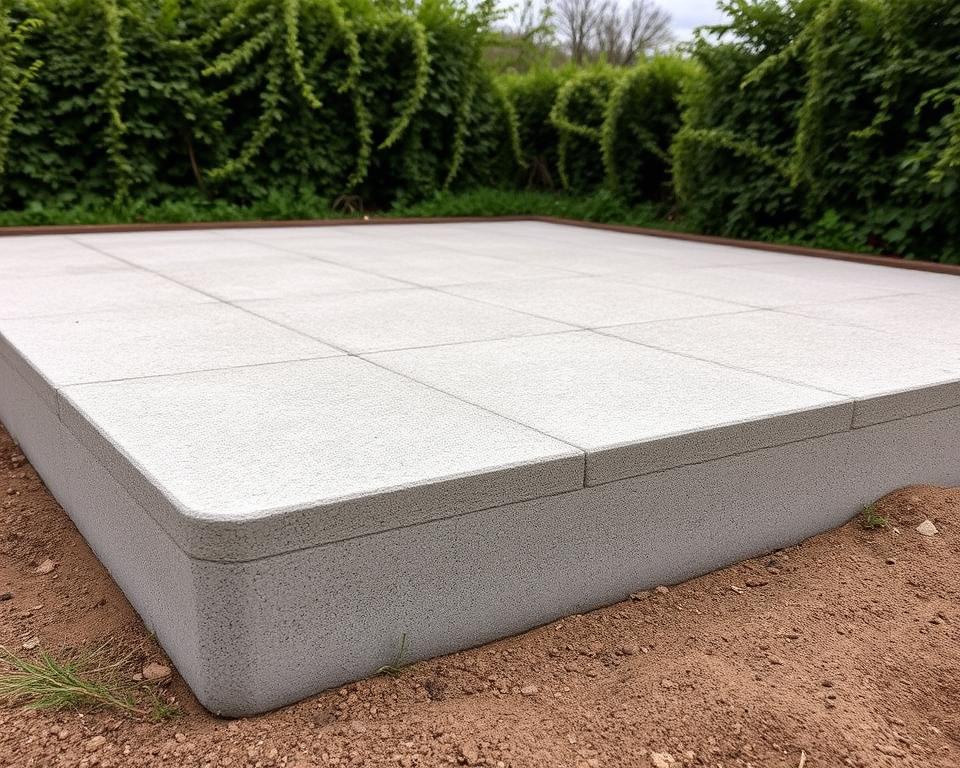
Poured-Concrete Slab Method
The monolithic slab approach represents the most robust frost-proof solution. This method involves pouring the floor and perimeter walls simultaneously, creating an integrated structure.
Reinforcement with wire mesh or metal bars is essential for strength. Walls should extend to the frost line at 200-300mm thickness, while the floor requires 100-150mm depth.
Professional installation is often advisable due to the technical complexity involved. The continuous pour prevents cold joints and ensures maximum durability for heavy-duty applications.
Alternative Shed Foundation Options
Beyond conventional concrete methods, homeowners have access to various practical foundation systems. These alternatives offer flexibility for different budgets, site conditions, and installation preferences.
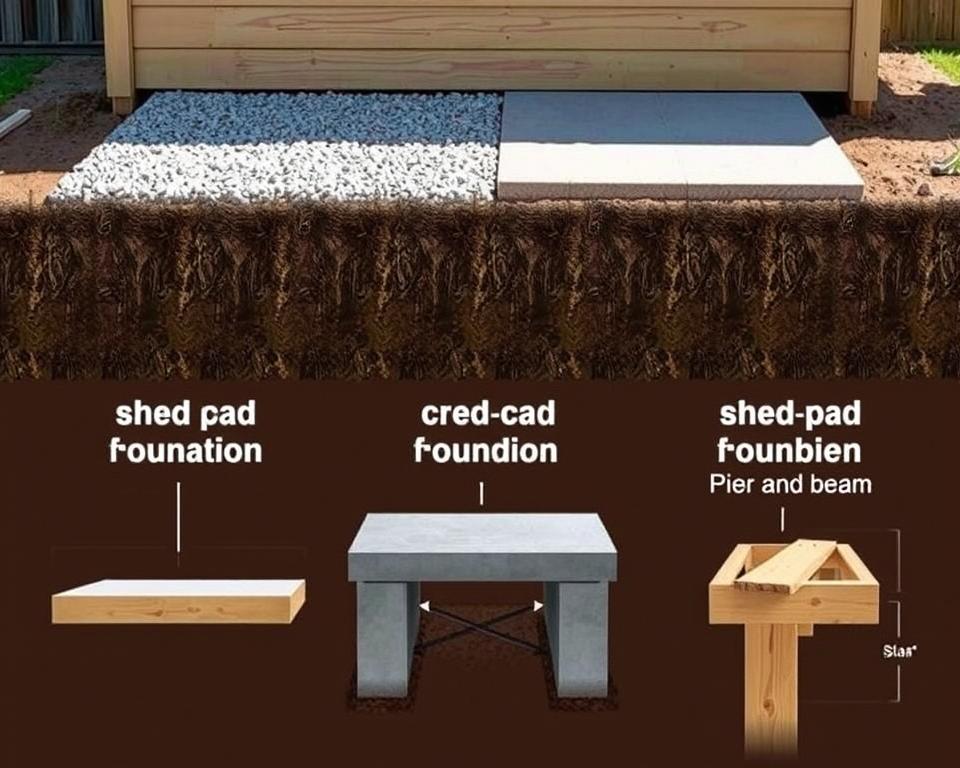
Skid and Timber-Frame Foundations
Skid foundations utilise long pressure-treated timber beams laid parallel on the ground. The building’s floor frame sits directly on top of these supports, distributing weight evenly.
Timber-frame alternatives create a rectangular perimeter from pressure-treated lumber. This method works well on compacted gravel and suits smaller structures perfectly.
Both approaches require careful material selection. Ensure all wood components are rated for ground contact to prevent premature deterioration.
Use of Adjustable Plastic and Metal Bases
Modern adjustable systems provide excellent convenience for DIY installations. Plastic base options feature individual support pads that accommodate uneven terrain.
These plastic solutions keep structures close to ground level while allowing easy height adjustments. They work particularly well for smaller garden buildings.
Metal adjustable bases offer similar benefits with greater load-bearing capacity. Both systems simplify the levelling process during installation, making them ideal for sloped sites.
Building a Gravel Shed Pad
A gravel base presents a cost-effective and practical solution for creating a stable platform for your outdoor building. This method offers excellent drainage and is generally simpler to install than a concrete slab. Proper construction ensures long-term durability for your storage structure.
Before starting, gather all necessary tools and materials. These include pressure-treated timber, a mechanical compactor, and clean crushed stone. Careful planning at this stage streamlines the entire process.
Site Preparation and Marking Dimensions
Begin by selecting a suitable location for your shed. Check for any planning restrictions or required setbacks from boundaries. Ensure the ground is solid and has good natural drainage.
Mark the pad’s outline using stakes and string. The dimensions should extend at least 18 inches beyond the building’s footprint on all sides. This provides essential support and a protective perimeter.
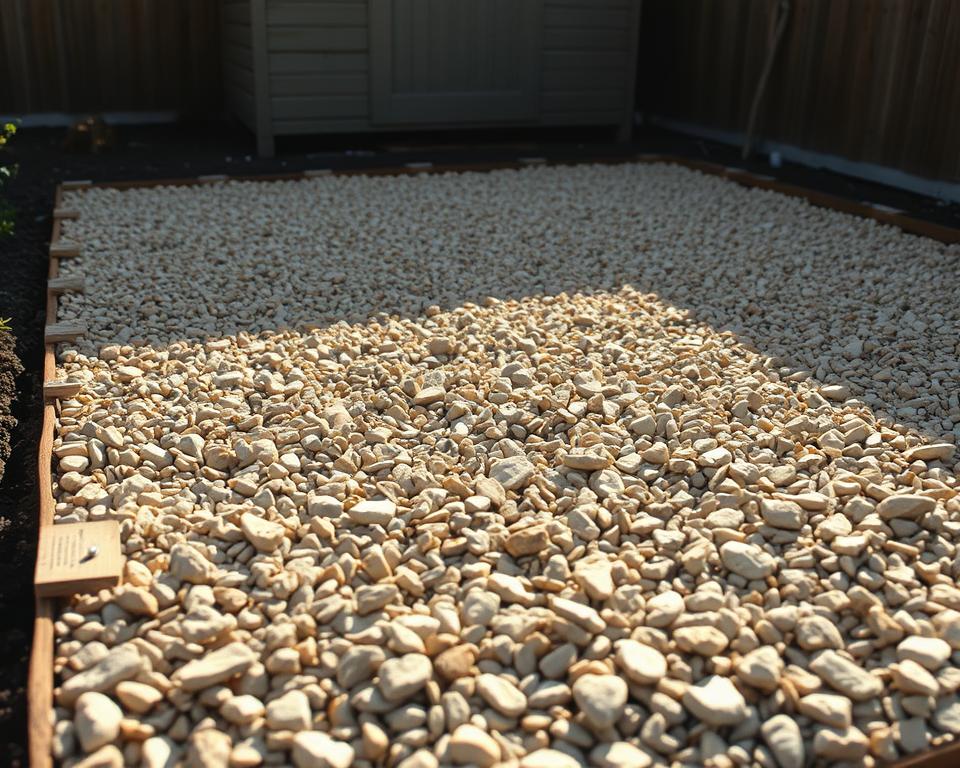
Excavate the area to a consistent depth of 4 to 6 inches. Remove all vegetation and organic matter to prevent future settling. Construct a sturdy frame from pressure-treated lumber to contain the gravel.
Laying, Compacting and Finishing the Gravel
Line the excavated area with a robust weed barrier fabric. This prevents plant growth while allowing water to drain through freely. Pour in your supply of ¾-inch clean crushed stone.
Spread the stone evenly to achieve the desired depth. Use a mechanical compactor, working from the outside in, to achieve a firm and level surface. This compaction is vital for stability.
Add more stone to any low spots that appear. The finished surface should be perfectly flat and sit slightly above the surrounding ground level. For extra support, you can embed concrete blocks at key points under where the floor joists will sit.
Legal and Building Code Considerations
Before you break ground on your project, it is vital to understand the legal framework governing outdoor structure placement. Overlooking these rules can lead to costly penalties or even demands to dismantle your work.
Securing the correct permissions is the first critical step. Your local council holds the key information regarding what is allowed in your specific area.
Planning Permissions and Zoning Laws
In the UK, many smaller structures fall under ‘Permitted Development’ rights. This means you might not need full planning permission. However, several things can change this.
Your building may need formal approval if it exceeds certain limits. These often relate to the overall size, height, and its position on your property.
Homes in conservation areas or listed buildings face stricter controls. Always contact your local planning authority for definitive information before purchasing materials.
Setback Requirements and Safety Standards
Setback rules dictate how close your shed can be to boundaries and other structures. These distances vary between councils and are non-negotiable.
Safety standards cover the foundation type, anchoring requirements, and drainage. Some areas mandate permanent bases for larger sheds to ensure stability.
You must also check for underground utilities. Dialling 811 (or the relevant service) before digging is essential for safety.
| Regulatory Aspect | Common Threshold | Key Consideration |
|---|---|---|
| Planning Permission | Exceeds 2.5m height (within 2m of a boundary) | Location and property type are critical factors. |
| Building Regulations | Floor area over 15 square metres | Focuses on structural integrity and safety. |
| Typical Setback | Varies by local authority | Often measured from rear and side boundaries. |
Gathering this information upfront prevents delays and ensures your new shed is fully compliant from day one.
Tips and Best Practices for Foundation Durability
Implementing proven strategies during the construction phase significantly enhances the long-term performance of your outdoor building’s support system. Adhering to these guidelines protects your investment and minimises future maintenance needs.
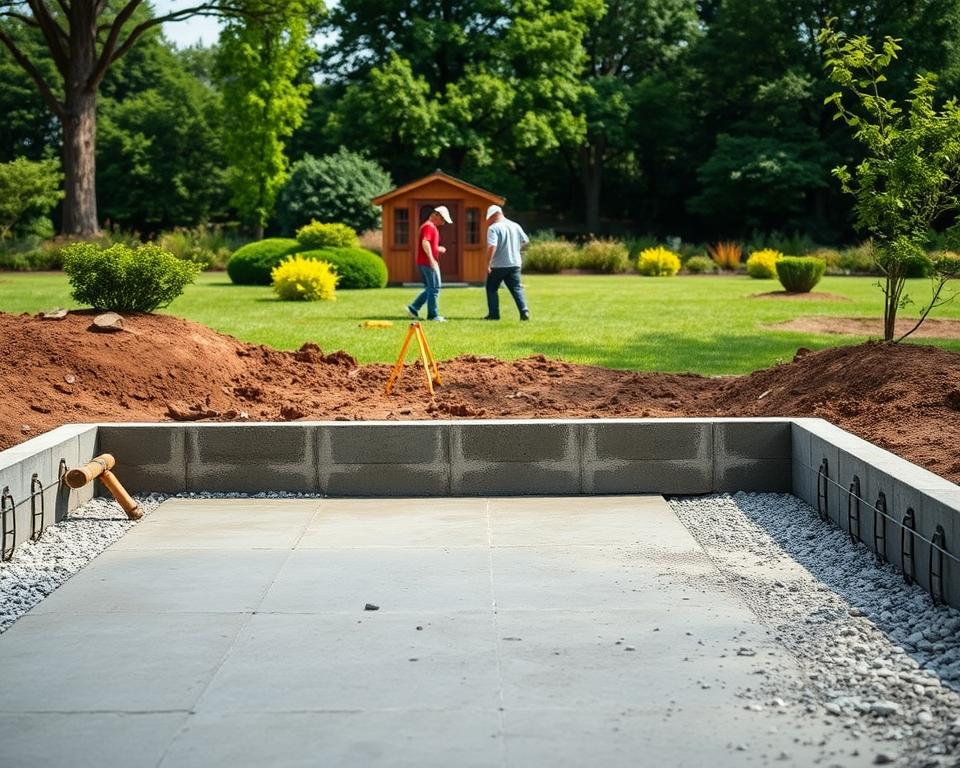
The longevity of your project hinges on material selection and installation quality. Choosing the right components from the start prevents common issues.
Using Pressure-Treated Materials
Always select pressure-treated timber for any wood elements near or in contact with the ground. This treatment infuses preservatives deep into the fibres.
It offers robust protection against rot, fungal decay, and insect damage. For a successful installation, specify UC4-classified wood rated for ground contact.
This is crucial for skids, perimeter frames, and sub-frames. Taking time to source the correct timber is a wise investment.
Regular Maintenance and Inspections
Schedule annual inspections of your shed base to identify minor issues early. Look for signs of moisture damage, rot, or structural movement.
Promptly address any problems you find. This proactive approach, based on experience, saves time and money in the long run.
It prevents small concerns from escalating into major repairs. Proper care ensures your foundation remains solid for the life of the shed.
For complex projects, professional installation is often advisable. Their experience ensures the foundation is built correctly from the start.
Avoiding Common Foundation Mistakes
Overlooking fundamental drainage and alignment principles can undermine even the most carefully planned outdoor building projects. These errors often manifest later as structural issues that require expensive corrections.

Preventing Improper Drainage
Improper water management represents a frequent error. Pooling moisture around the structure accelerates deterioration and causes settling.
Make sure your base slopes away from the building. A minimum 1-2 degree gradient directs rainwater toward appropriate drainage areas.
This prevents water accumulation that could compromise the entire foundation. Proper drainage planning protects your investment long-term.
Ensuring Accurate Leveling and Alignment
A perfectly level surface is non-negotiable for structural integrity. Even minor deviations can cause doors to jam and walls to twist.
Use quality spirit levels or laser tools to verify level accuracy throughout construction. Check measurements repeatedly as corrections become difficult once materials set.
Experience shows that thorough ground compaction eliminates air pockets preventing future settling. Undisturbed soil provides superior stability compared to recently filled areas.
Make sure to account for site-specific conditions during preparation. This attention to detail ensures your shed remains stable for years.
Conclusion
The successful completion of your foundation work establishes the groundwork for decades of trouble-free service from your garden building. This comprehensive guide has walked you through every critical aspect of shed foundation creation.
Your project represents a significant investment in longevity and functionality. Whether you selected concrete, gravel, timber, or paving slabs, following professional standards ensures optimal results.
Key things to remember include thorough site preparation and proper material selection. Careful planning and attention to detail during installation prevent common issues.
A well-executed foundation provides lasting stability for your shed. This solid base protects against moisture damage and structural problems.
The construction process demands patience, but the long-term benefits make the effort worthwhile. Your commitment to quality workmanship will be rewarded with years of reliable performance.
FAQ
What is the main purpose of a base for a garden building?
A solid base provides essential stability and longevity for your structure. It prevents sinking, warping, and moisture damage, ensuring your investment remains secure and level for years.
Can I lay a concrete base directly onto soil?
No, you should not pour concrete directly onto unprepared ground. The area must be excavated, levelled, and have a sub-base of compacted hardcore or gravel to ensure proper drainage and prevent cracking.
How deep should I dig for a frost-proof foundation in the UK?
For a frost-resistant installation, foundations should extend below the local frost line, typically around 450mm to 600mm deep. This depth prevents ground movement from freezing and thawing cycles.
Are plastic or metal adjustable bases a good alternative to concrete?
Yes, adjustable bases made from durable plastic or galvanised steel offer a quick, level solution. They are excellent for providing ventilation and can be a great choice for smaller sheds on reasonably level ground.
Do I need planning permission to build a shed base?
Generally, for a typical garden shed, you do not need planning permission if it meets certain criteria, such as size and location. However, you must always check with your local authority regarding specific regulations, height restrictions, and boundary setback requirements.
What is the best way to ensure my shed foundation is perfectly level?
Use a long spirit level and a straightedge timber batten during construction. Consistently check across all directions as you prepare the ground and pour the concrete. Accurate levelling at this stage is critical for a successful build.
How long should I wait after pouring concrete before building my shed?
It is crucial to allow the concrete slab to cure fully. You should wait at least 48 to 72 hours before light work, but for full strength, a curing period of 5 to 7 days is recommended, longer in colder or damp conditions.