
Forest Garden Planting for Sale in UK
Showing 17–24 of 39 resultsSorted by popularity
-
Forest Venice Wooden Garden Planter 6′ x 2′ (1.8m x 0.5m) £249.99

-
2’7 x 1’4 Forest Trellis Wooden Garden Planter (0.8m x 0.4m) £74.99

-
2’11 x 1’3 Forest Wooden Garden Living Wall Planter (0.9m x 0.39m) £119.99

-
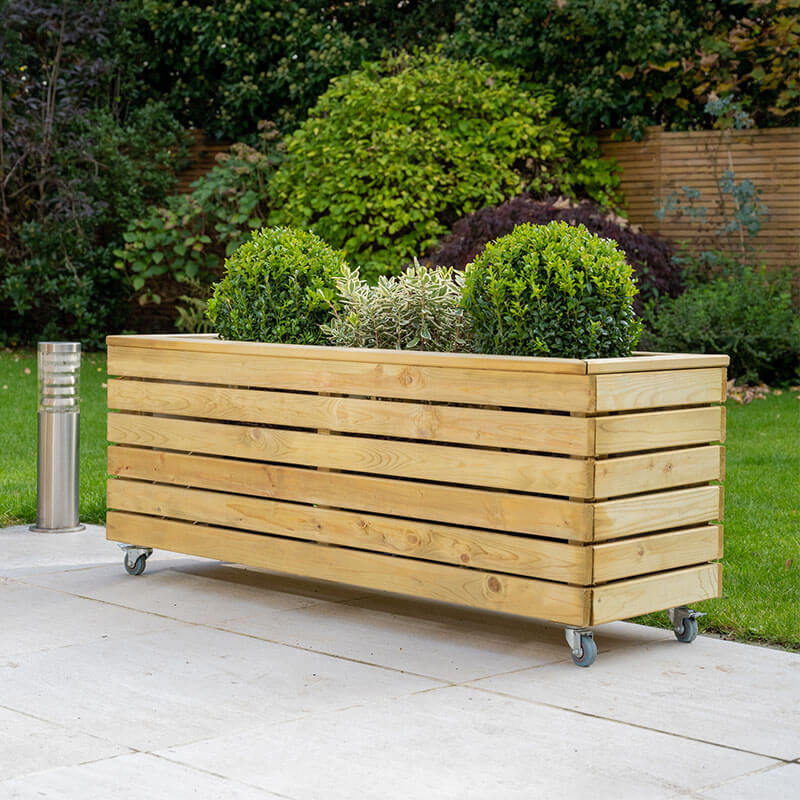
3’11 x 1’4 Forest Linear Long Wooden Garden Planter with Wheels (1.2m x 0.4m) £134.99
-
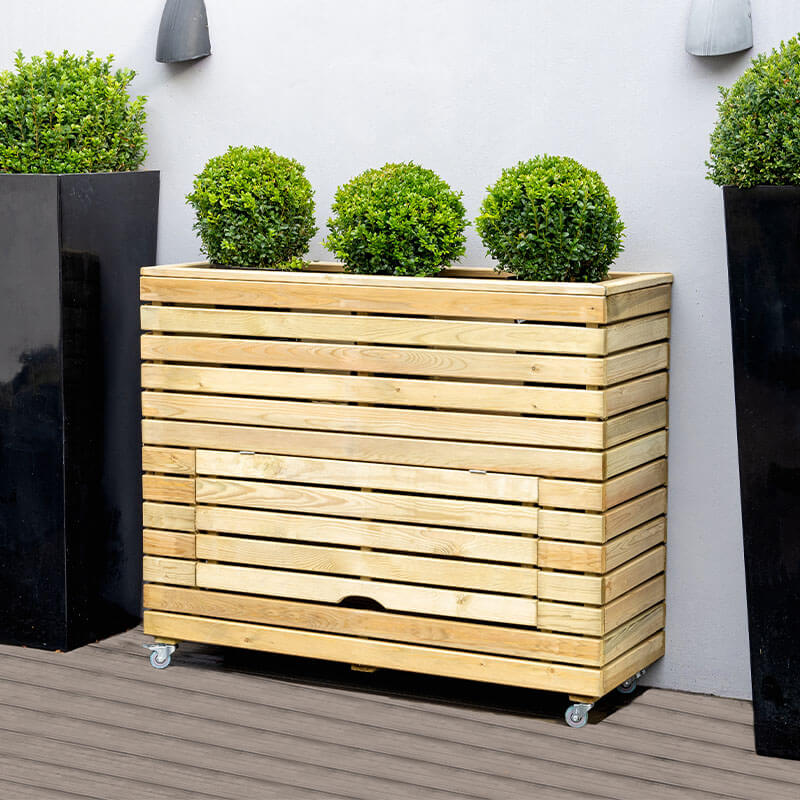
3’11 x 1’4 Forest Linear Tall Wooden Garden Planter with Storage and Wheels (1.2m x 0.4m) £209.99
-
3’11 x 1’4 Forest Linear Tall Wooden Garden Planter with Storage (1.2m x 0.4m) £214.99

-
Forest Large Deep Root Wooden Garden Planter 6’x2′ (1.8×0.6m) £104.99

-
5’11 Forest Slatted Tall Wall Planter – 2 Shelves (0.6m x 0.18m) £93.99

Discover the enchanting world of forest garden planting as you transform your outdoor space into a lush, layered ecosystem. Embrace biodiversity, sustainability, and natural beauty with a forest garden that mimics the complexity of a woodland habitat.


The Canopy: Majestic Giants of the Forest
In the uppermost layer of your forest garden, the canopy, you’ll find towering trees that provide shade and shelter for the plants below. Choose from species like oak (Quercus spp.), beech (Fagus sylvatica), and chestnut (Castanea sativa). These trees not only offer structural beauty but also supply essential resources such as nuts and timber. Consider the growth rate, mature size, and local climate suitability when selecting your canopy trees.
Understorey: The Subtle Elegance of the Mid-Layer
Beneath the canopy lies the understorey, a realm of smaller trees and large shrubs that add depth and diversity. Species like hazel (Corylus avellana), holly (Ilex aquifolium), and rowan (Sorbus aucuparia) thrive here. These plants provide habitat and food for wildlife, along with seasonal interest through flowers, berries, and foliage. Opt for varieties that complement your canopy choices and consider their ability to tolerate shade.
Shrub Layer: A Symphony of Colours and Textures
The shrub layer is where your forest garden bursts into life with a rich tapestry of colours and textures. Choose from a variety of currants (Ribes spp.), elderberries (Sambucus nigra), and gooseberries (Ribes uva-crispa). These shrubs not only enhance visual appeal but also offer edible fruits and nectar for pollinators. Mix species with different flowering times to ensure year-round interest and support for wildlife.
Herbaceous Layer: The Flourishing Forest Floor
At ground level, the herbaceous layer provides a lush carpet of plants that thrive in dappled shade. Consider wild garlic (Allium ursinum), wood sorrel (Oxalis acetosella), and comfrey (Symphytum officinale) for their ability to suppress weeds and improve soil fertility. These plants are essential for maintaining soil health and providing habitat for insects. Select species that are native to your region to enhance ecological balance.
Ground Cover: The Living Mulch
Ground cover plants play a crucial role in your forest garden by conserving moisture and preventing soil erosion. Choose creeping thyme (Thymus serpyllum), strawberry (Fragaria vesca), and bugle (Ajuga reptans) for a mix of beauty and functionality. These low-growing plants spread quickly, creating a living mulch that protects the soil and adds another layer of interest to your garden.
Climbers and Vines: Vertical Wonders
Make use of vertical space with climbers and vines that weave through your forest garden. Options like honeysuckle (Lonicera periclymenum), clematis (Clematis vitalba), and grapevines (Vitis vinifera) add height and fragrance. These plants can be trained to grow over structures or allowed to scramble through trees, adding another dimension to your garden while providing habitat and food for birds and insects.
Root Layer: The Hidden Network
Beneath the surface, the root layer is the unseen powerhouse of your forest garden. Consider plants like Jerusalem artichoke (Helianthus tuberosus), ginger (Zingiber officinale), and turmeric (Curcuma longa) that offer edible roots and rhizomes. These plants improve soil structure and nutrient cycling, ensuring your forest garden thrives from the ground up.
Benefits of a Forest Garden: Nature’s Bounty
Embracing forest garden planting offers numerous benefits: increased biodiversity, improved soil health, and sustainable food production. This holistic approach to gardening supports wildlife and reduces the need for artificial inputs, making it an eco-friendly choice. By mimicking natural ecosystems, forest gardens create a self-sustaining environment that requires minimal maintenance.
Tips for a Thriving Forest Garden
- Start small and expand gradually as you learn what works best in your environment.
- Observe and mimic natural patterns to create a harmonious garden design.
- Use a diverse range of species to maximise resilience and productivity.
- Incorporate native plants to support local wildlife and ecosystems.
- Consider the microclimates in your garden to place plants in optimal conditions.
Understanding the Differences: Forest Gardens vs. Traditional Gardens
Unlike traditional gardens, forest gardens focus on perennial plants and mimic natural ecosystems. This approach reduces the need for tilling, weeding, and fertilising, as plants work together to create a balanced environment. Forest gardens also prioritise biodiversity, offering a more sustainable and resilient landscape compared to monoculture planting.
In conclusion, forest garden planting is a rewarding way to create a sustainable, beautiful, and productive landscape. By understanding the different layers and species involved, you can create a thriving ecosystem that benefits both people and nature. Dive into the world of forest gardens and experience the magic of a truly harmonious garden design.